



Public debate erupted across game development circles after comments by Joe Brammer regarding hiring standards and production hours spread online. Brammer, the chief executive officer of Bulkhead, discussed team expectations on a gaming podcast before issuing a formal follow-up to clarify how his Wardogs studio handles overtime. Bulkhead recently launched Wardogs into early access on Steam, where opening-weekend sales quickly topped 2 million copies. Brammer told Eurogamer that his studio does not enforce mandatory crunch, offering project data to counter mounting industry criticism. [1][2]
Wardogs Studio CEO Clarifies Overtime Stance
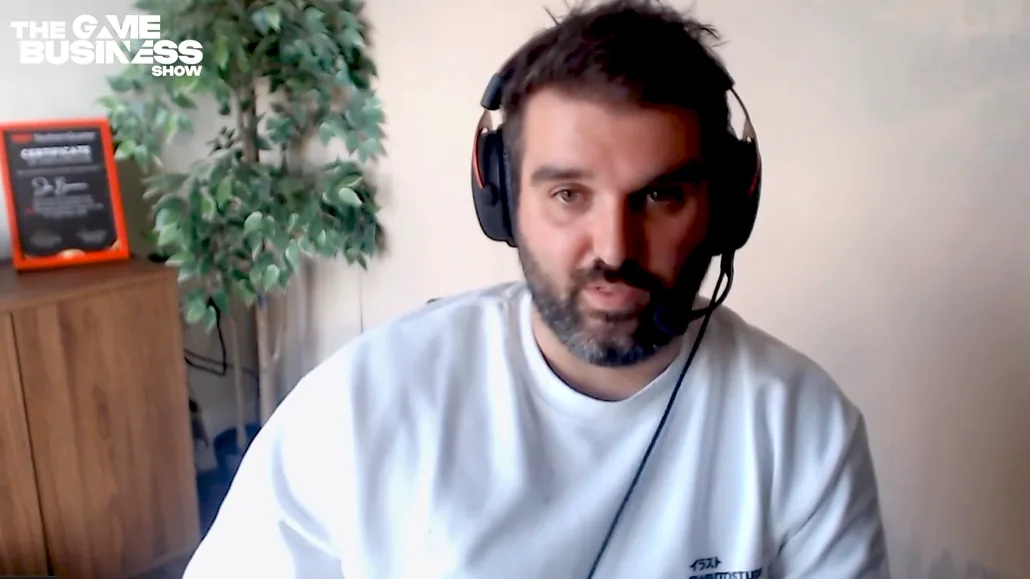
The controversy began when Brammer appeared on The Game Business, a podcast hosted by Christopher Dring. During their conversation about studio operations, Brammer addressed how his Wardogs studio approaches crunch (the practice of working extended overtime to meet production deadlines). He told Dring that prospective hires who express strict opposition to overtime on social media often do not make it through the studio’s recruitment pipeline. Brammer stated that workers who care about their projects feel valued, while those who do not might feel slave-driven. [1][2]
Online reaction followed swiftly. Social media users and game developers questioned whether excluding applicants based on personal opinions set an unhealthy workplace standard. In response, Brammer stated on X that reports had taken his remarks out of context. He specifically criticized PC Gamer for publishing a report on the Wardogs studio that characterized overtime as mandatory. Brammer insisted that no company information described crunch as mandatory, calling on readers to watch the complete podcast interview to judge his comments directly. [1][3]
Can an independent developer maintain intense production schedules without exhausting staff? Brammer acknowledged that overtime carries serious personal costs. He explained that Wardogs had taken priority over family life for many staff members during the previous three months, but argued that leadership must balance those demands by pulling back after major milestones. As external partners push for early console ports, Bulkhead has refused to accelerate development, confirming that the console version will release in 2028 when the team is ready. [1]
Social Media Checks and British Employment Rules
Brammer’s remarks about monitoring applicant accounts drew scrutiny from observers concerned about UK employment regulations. In his conversation with Dring, the executive said Bulkhead checks applicant social feeds for anti-crunch messages, rejecting individuals whose public views clash with the Wardogs studio working tempo. Legal frameworks in the United Kingdom set strict standards for pre-employment screening. Guidelines from the Information Commissioner’s Office (the independent UK authority responsible for data privacy and information rights) state that employers may only conduct social media background checks under narrow legal obligations or when specific business risks exist. [1]
The Information Commissioner’s Office further advises that job candidates should receive advance notification before employers review their public internet activity. In an official clarification sent to Eurogamer, Brammer explained that his podcast remarks reflected informal conversation about studio culture rather than a formalized screening protocol. He stated that Bulkhead only reviews publicly accessible information in accordance with applicable UK employment and data protection laws, avoiding private profiles or intrusive surveillance methods. The goal, Brammer maintained, was simply establishing mutual expectations before making hiring commitments. [1]
Workplace culture assessments produce contrasting verdicts. GamesIndustry.biz named Bulkhead one of the UK’s Best Places to Work in 2023 and 2024. The studio won recognition twice. Yet British labour debates continue to question managerial transparency. [1][2]
Beta Production Delays and Optional Overtime
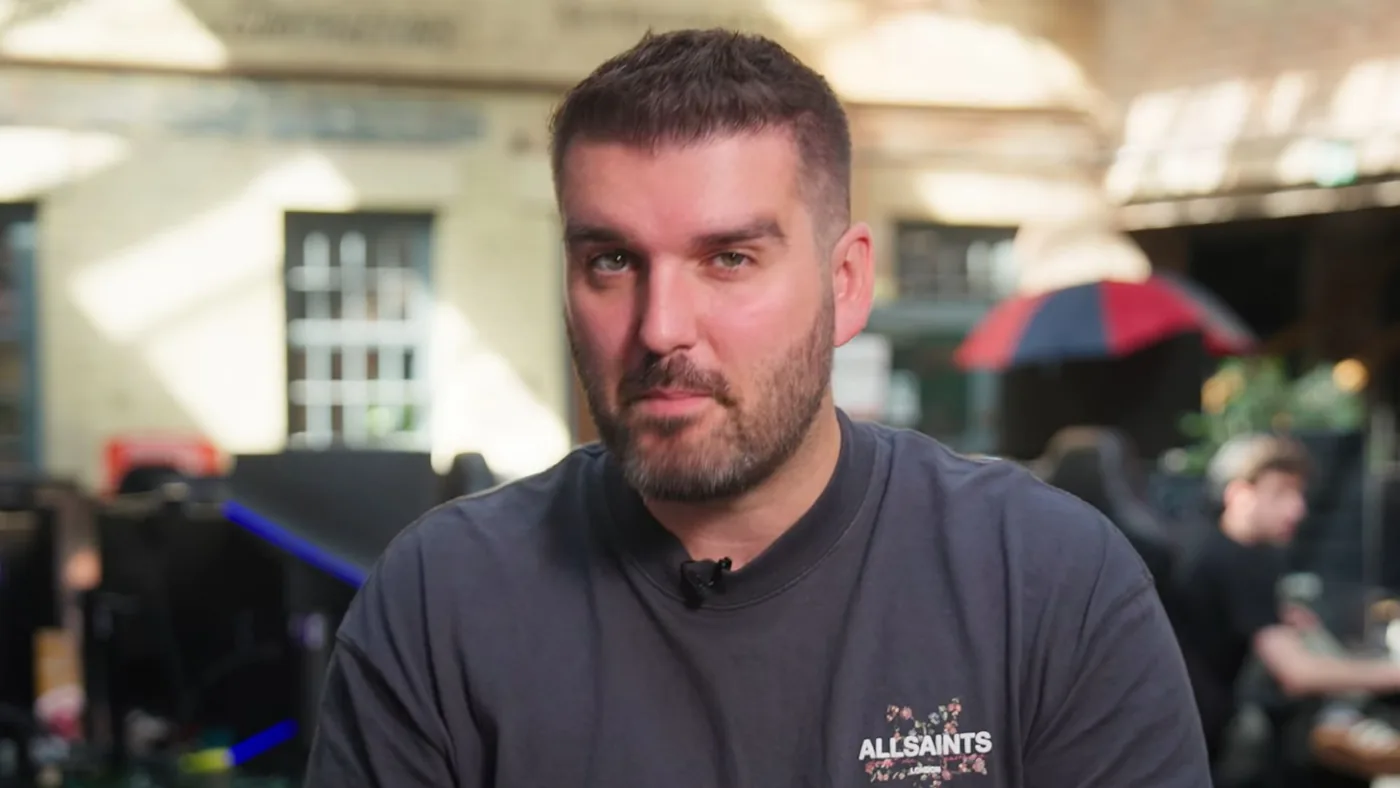
In his detailed statement to Eurogamer, Brammer provided project records explaining the origin of recent overtime at the Wardogs studio. In June 2026, Bulkhead fell behind schedule on a critical Wardogs beta build. Brammer apologised to the development team and proposed working an additional two hours per day from Monday through Thursday across four consecutive weeks, totaling 16 working days of extended effort. He acknowledged to staff that the request constituted crunch. [1]
Why schedule two extra hours each evening? Brammer explained that compilation build times dictated the timetable: extending daily shifts allowed engineers to produce one additional build each afternoon, review changes, and receive quality assurance feedback before nightfall instead of waiting for overnight automated builds. The arrangement was presented as optional. Four employees chose to opt out of the extra hours. Brammer confirmed that no penalties were imposed on those four workers, though he conceded that social pressure within a tight-knit team could still leave individuals feeling uncomfortable. [1]

Intense working conditions also surfaced when Wardogs launched in early access (the initial commercial release phase). Launch day server congestion created massive player queues, prompting negative user reviews on Steam. During that period, Brammer shared studio tour videos on X showing air mattresses placed in an office room so developers could sleep between overnight server maintenance shifts. While management framed the effort as emergency troubleshooting, critics pointed to the footage as evidence of recurring operational strain. [2][3]
Production pressures often divide development teams. Voluntary overtime rarely feels detached from peer expectations, leaving staff to navigate complex personal boundaries.
Equity Distribution and Four-Day Week Experiments
To demonstrate Bulkhead’s commitment to employee welfare, Brammer highlighted unconventional operational policies tested over the studio’s decade-long history. Prior to Wardogs, Bulkhead developed commercial titles such as The Turing Test and Battalion 1944, during which leadership repeatedly experimented with alternative working arrangements. The studio instituted a four-day work week trial that ran for two full years, ranking among the largest workplace experiments of its kind in the UK gaming industry. Brammer stated that although Bulkhead ultimately reinstated the fifth working day to meet required production schedules, the trial delivered substantial operational benefits, and he aspires to bring back an adapted version during future development cycles. [1]
Company ownership represents another key component of Bulkhead’s internal structure as the Wardogs studio expanded. Brammer noted that founding partners relinquished substantial equity, resulting in 80 percent of company shares being owned by 50 percent of the studio’s staff. Under this model, commercial success feeds directly into employee dividends. On The Game Business, Brammer explained that successful releases generate meaningful bonuses for shareholders, noting that payouts can be large enough to help junior developers secure home deposits. However, he clarified that bonus distribution remains tied to equity holdings rather than universal entitlement. [1][2]
Leave policies have undergone similar adjustments through practical experimentation (including structured parental transition schedules). Bulkhead previously attempted a ten-week paternity leave policy, but management found that returning employees struggled when their leave ended abruptly. In response, the studio restructured parental leave into a mandatory two-week baseline, followed by half-day morning shifts in the third week, and three flexible weeks distributed across the child’s first year. Bulkhead also closes operations entirely for the month of December, granting staff paid leave regardless of impending milestone deadlines. [1]
Industry Developers Push Back on Crunch Claims
Despite Bulkhead’s internal incentives, Brammer’s statements encountered sharp pushback from peers across the international development community. On Bluesky, veteran developers challenged the idea that willing overtime indicates superior dedication. Producer and consultant Nazih Fares quipped: “Tell me you need a producer without saying you need a producer.” Michael Howe, a developer at Studio Gobo, argued that celebrating crunch misrepresents fundamental management shortcomings: “Crunch is a result of bad planning and poor management.” [3]
Other creators pointed to academic and industrial research examining software productivity. Game developer bplane wrote that peer-reviewed research consistently demonstrates that prolonged overtime harms productivity and undermines profitability. The debate occurs amid broader industry reckoning over labour standards. Past investigative reports documented persistent overtime at major studios such as CD Projekt Red, Rockstar Games and Naughty Dog, prompting many developers to formally commit to reducing overtime mandates. [1][3]
Staffing volatility also complicates ongoing production debates. Brammer acknowledged that Bulkhead conducted employee redundancies every single year for five consecutive years, noting that 2026 marks the first year without job cuts. Managing server infrastructure and player retention remains crucial as Wardogs expands, an operational challenge PerEXP Teamworks documented when examining why PS5 blackout left active player numbers unchanged during network interruptions. Brammer insists that open dialogue about workloads helps teams avoid hidden burnout across the Wardogs studio, while critics argue that studio leaders must eliminate crunch expectations entirely. [1][2]
- ONLINE NEWS Saed, S., & Tapsell, C. (2026, September 16). ‘I apologised’ – Wardogs studio CEO issues new response to backlash after saying his studio won’t hire people who ‘constantly tweet anti-crunch messaging’. Eurogamer. [Article Link]
- ONLINE NEWS Maldonado, C. (2026, September 16). Wardogs CEO says he won’t hire devs who think crunch shouldn’t exist. Dexerto. [Article Link]
- ONLINE NEWS Park, M. (2026, September 15). Wardogs CEO says he won’t hire devs who aren’t down with crunch: ‘If you care about what you’re making, this is the place to work’ (Updated). PC Gamer. [Article Link]


