





On Thursday, November 26, 2026, WhatsApp announced that it will sell travel data eSIMs inside its messaging app [3]. The move lets travelers buy and install mobile connectivity before departure, keeping their original phone number active without hunting for local SIM cards at airport kiosks [1]. Meta confirmed that the feature will arrive in select countries soon, relying on global telecommunications partners instead of standalone travel applications [2]. With this rollout, WhatsApp travel eSIMs aim to turn international cellular data access into a routine menu choice for more than three billion monthly active accounts [3].
Features of WhatsApp Travel eSIMs
WhatsApp described the planned purchasing flow as “as effortless as sending a message,” aiming to eliminate the setup hassles travelers encounter in foreign arrival halls. Instead of buying physical chips, users configure data bundles through settings while keeping their normal phone number active [1].
Kunal Shah, who became global head of WhatsApp in June after Meta invested $900 million in his Indian fintech company CRED for a roughly 20% stake, framed the initiative as an early exploration on social media. “Starting our early explorations around eSIMs so that you can continue sending those stickers without any interruptions,” Shah wrote on X. The post points to Meta’s goal of growing revenue through commerce and subscription features, though company representatives have not revealed what profit margin or transaction fee the social platform will collect on individual package sales. Shah replaced former WhatsApp chief Will Cathcart as part of this management change [3].
The cellular service joins several other recent updates, including stickers that play sound and tools to schedule chat messages ahead of time. Group chats can now hold up to 1,500 people. These additions expand what users can do inside conversations while traveling [1].
Telecom Partners Behind the Rollout
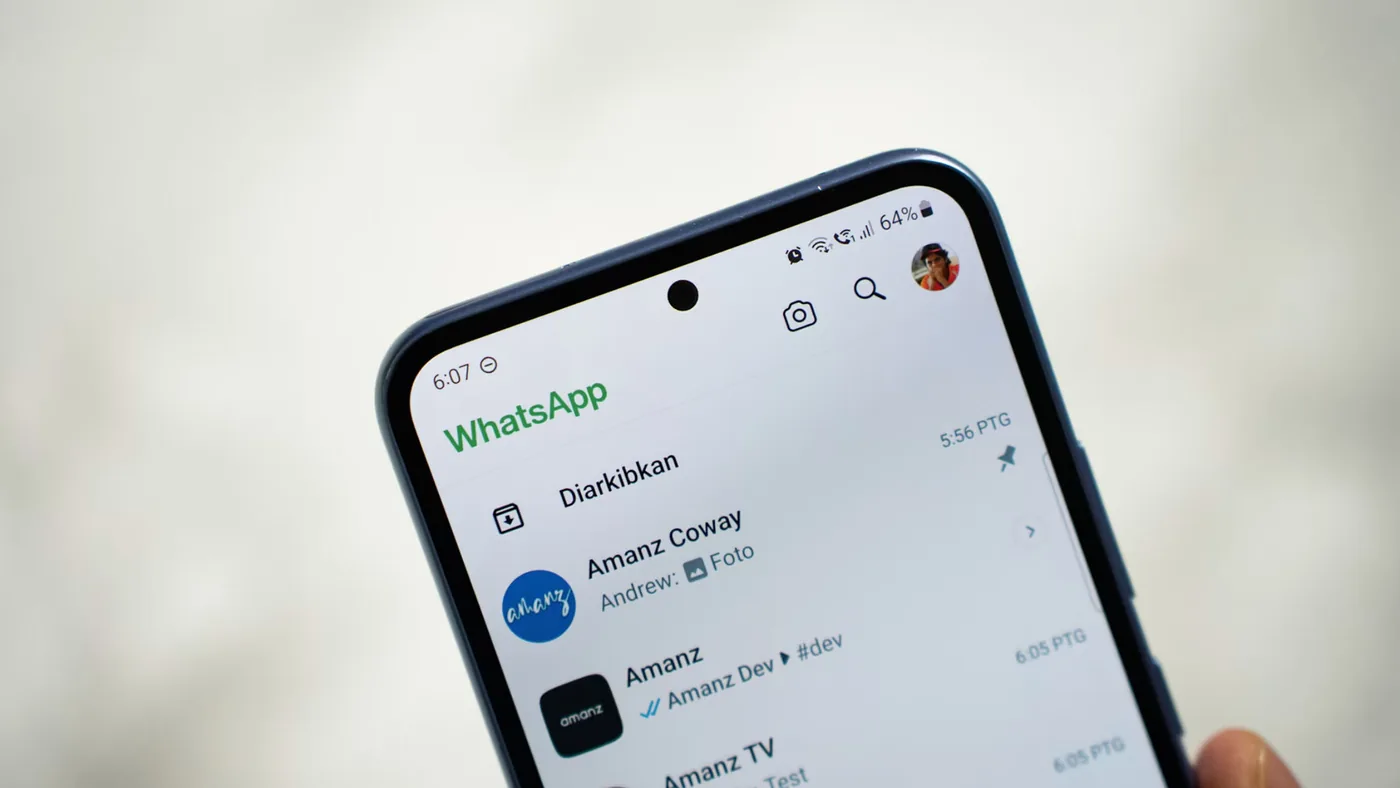
WhatsApp partnered with established network operators to supply local connectivity. Its announcement post named Verizon in the United States and Jio in India, together with Smart Axiata and Smart Communications in Southeast Asia. The company said other regional carriers will join before public release [2].
India represents a major testing ground for the feature because market data from Inc42 indicates WhatsApp has more than 500 million users in the country. Jio maintains the largest wireless subscriber base in India, giving Meta direct access to millions of outbound travelers who cross borders each year for employment and tourism. In the United States, Verizon brings large international agreements, but telecom observers question how carrier plans will operate within a third-party app [3]. Neither Meta nor its partners have published a list of initial launch countries, leaving deployment schedules uncertain for international users waiting to test the network. Launch details remain unannounced [2].
Behind the scenes, independent software tracking suggests additional infrastructure suppliers are helping route connections. Code findings reported by WABetaInfo indicate that international provider 1Global supplies backend services for the trial plans. 1Global already powers roaming for Revolut customers, but Meta has not named the supplier as an official launch partner [3].


How the In-App Setup Works
Android beta builds show that the roaming catalog will appear on the Account settings screen. Examination by WABetaInfo reveals that travelers can search for destination countries, pick between fixed or unlimited allowances, and install profiles automatically without scanning external QR codes [3].
Once purchased, the digital profile activates when the traveler’s phone attaches to an approved cellular tower abroad. However, hardware restrictions may prevent some devices from completing the setup process. Recent testing uncovered by Asia Daily shows that the beta software generates a specific error notification: “This phone can’t take this eSIM. It may be locked to a carrier or out of eSIM space.” Travelers must ensure their phone is unlocked from carrier restrictions and holds sufficient storage space for extra digital SIM profiles before boarding international flights [3].

Because the service offers data-only connectivity, standard voice calls and SMS text messages outside the app depend on the user’s primary SIM card. Travelers who receive banking authentication codes by text must keep their primary carrier line turned on while turning off international data roaming. That step prevents unexpected carrier fees while using WhatsApp travel eSIMs for messaging and browsing overseas [3].
Competition with Standalone Data Apps
Selling data packages inside a messaging app places Meta in competition with dedicated travel utilities such as Airalo, Holafly, and Nomad. Airalo grew after raising $220 million in July 2025 during an investment round led by CVC, which pushed the firm’s valuation above $1 billion [3].
Airalo reported that it had served more than 20 million travelers across 200 destinations, showing healthy demand for app-based roaming. Yet standalone vendors face high user acquisition costs because travelers must find, download, and configure their apps before each trip. WhatsApp circumvents that step because more than three billion monthly active users already keep the application on their home screens. A similar model proved effective for fintech app Revolut, which attracted more than 200,000 customers to its roaming data plans within weeks of launch in 2024 [3].
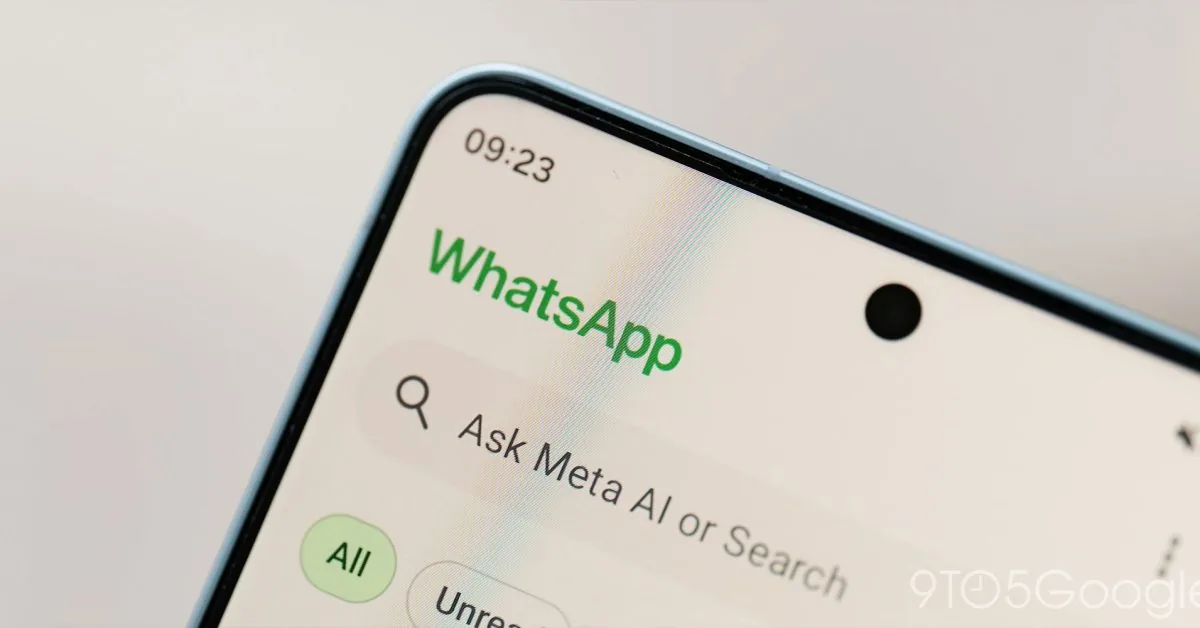
To protect their positions, independent sellers are expanding into business products and white-label tools for enterprise clients. They must compete on price per gigabyte and customer service when connections fail. Simple installation will matter less if chat apps charge higher retail rates [3].
Pricing Questions for WhatsApp Travel eSIMs
Meta has not shared retail pricing tables, leaving open questions about cost competitiveness [2]. How will WhatsApp travel eSIMs compare against existing roaming packages? Standard carrier passes show the prevailing prices: Verizon sells its TravelPass at $12 per day in more than 210 countries and $6 per day in Canada and Mexico. A customer relying on TravelPass for one week pays $84 on phone plans that lack bundled international roaming [3].
Because Verizon is a partner, it remains unclear whether WhatsApp will offer discounted data or match standard carrier charges. Travelers will need to compare regional costs before buying. If chat rates stay high, standalone eSIM sellers will retain an advantage on pure price [3].
For now, the feature is scheduled to roll out in select countries soon, appearing on user devices through normal app updates [1]. Kunal Shah noted that testing remains in an early stage as engineers evaluate carrier connections. Users preparing for upcoming international travel should verify their phone’s eSIM compatibility and carrier lock status before counting on the in-app option [3].
- ONLINE NEWS Bonk, L. (2026, November 27). WhatsApp adds support for travel eSIMs. Engadget. [Article Link]
- ONLINE NEWS Schoon, B. (2026, November 27). WhatsApp is adding travel eSIMs. 9to5Google. [Article Link]
- ONLINE NEWS Harrison, J. (2026, November 27). WhatsApp will sell travel eSIMs inside its app and put Airalo on notice. Startup Fortune. [Article Link]


