



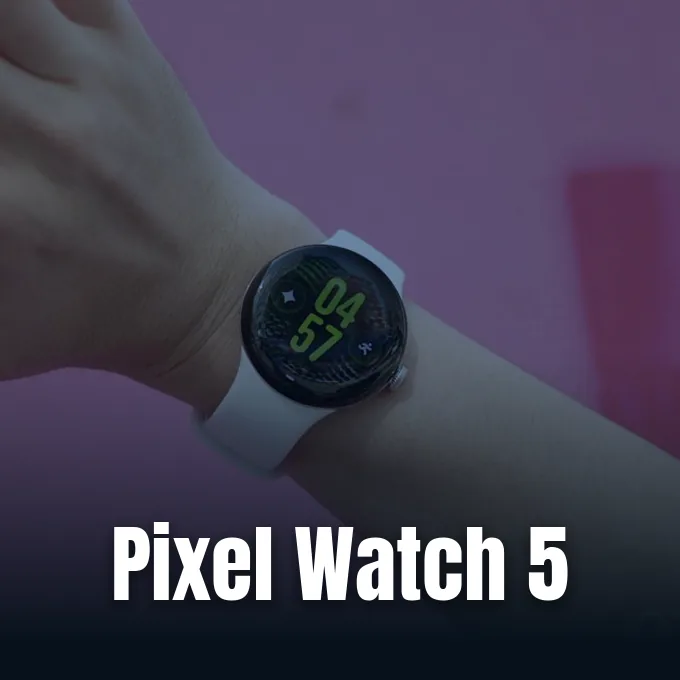
Google announced a major expansion of its wearable biometric software this week, initiating the rollout of blood pressure trends, insulin resistance tracking, and overnight breathing metrics inside the Google Health app. The update delivers the Health Guardian toolset that the company previewed during the hardware debut of the Pixel Watch 5 last month [1]. Rather than acting as instant diagnostic meters, the new features continuously analyze long-term physiological patterns to help users detect subtle metabolic and cardiovascular shifts [3]. The initial batch of detailed monthly trend reports will appear for Pixel Watch 5 owners in early October [1].
Google Launches Health Guardian on Pixel Watch 5
Smartwatch hardware frequently launches with ambitious software promises that arrive only after post-release updates finalize the necessary underlying algorithmic infrastructure. When Google unveiled the Pixel Watch 5 in August, the companion health tracking utilities remained unavailable to early reviewers who evaluated the wrist wearable at launch [1]. Google is now delivering on those initial commitments by rolling out the Health Guardian platform to users across supported regions. The deployment brings the promised biometric features directly into the Google Health mobile application without requiring an immediate device firmware upgrade [2].
Google announced three Health Guardian tools. The companion features arrive simultaneously across active Pixel Watch 3, 4, and 5 devices [2].
As Engadget reporter Anna Washenko highlighted in the original launch assessment, rolling out long-awaited physiological tracking tools increases the appeal of modern wrist wearables, provided the algorithms demonstrate reliable real-world consistency. While consumer interest previously centered on a retail discount on the Pixel Watch 5 ahead of wider ecosystem upgrades, the latest software integration shifts attention back toward preventative personal wellness [1]. Google organizes these capabilities under an overarching umbrella designed to furnish wearers with passive health surveillance [2]. The tools track subtle bodily adjustments over multi-week stretches [3].
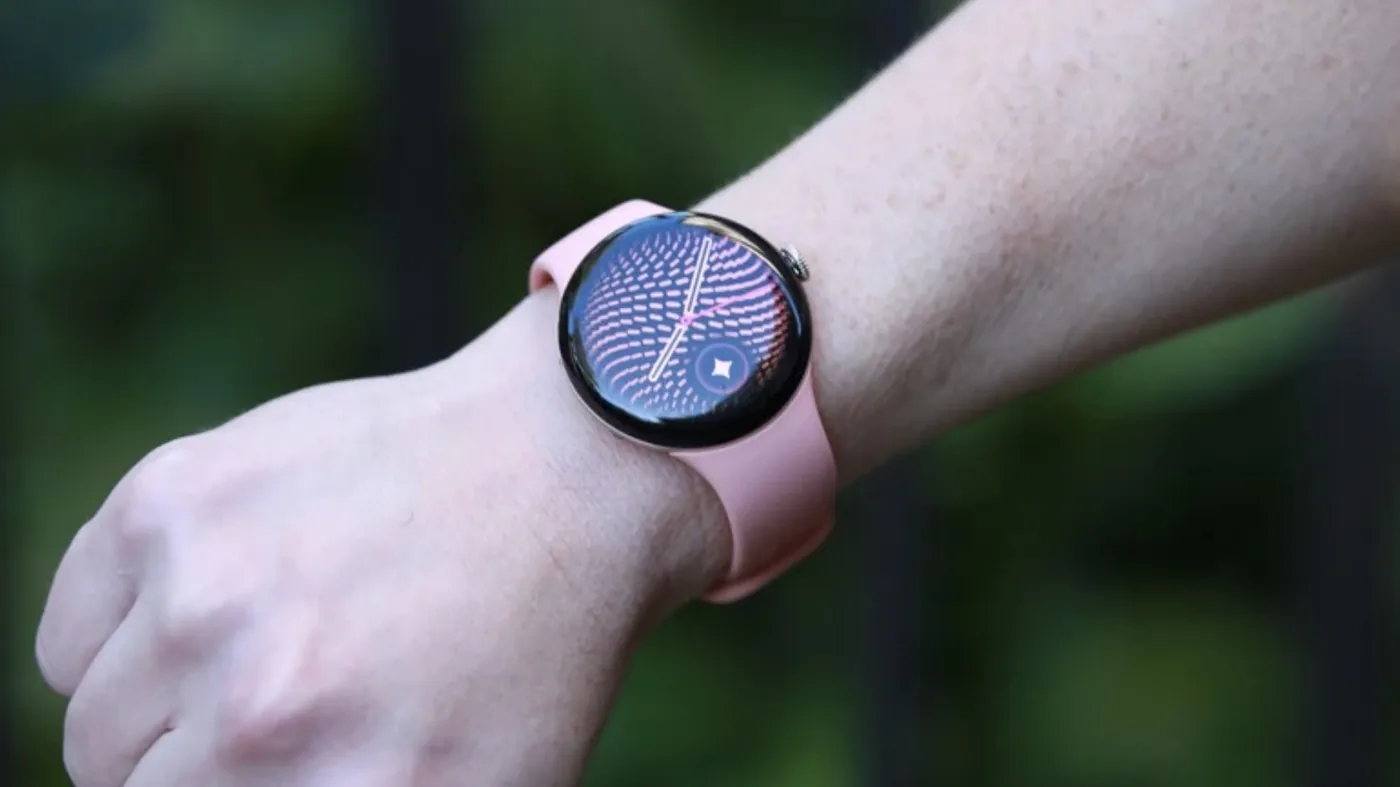
Passive Blood Pressure Trends Without a Cuff
Traditional blood pressure assessments rely on pneumatic arm cuffs that inflate to occlude arterial blood flow before measuring systolic and diastolic pressures (the pressure exerted during heartbeats and between resting beats) at a single static moment [3]. Google bypasses mechanical cuffs entirely by monitoring pulse dynamics and physical movement patterns throughout daily routines. By recording optical photoplethysmography readings with motion sensor telemetry over thirty days, the Pixel Watch 5 estimates whether an individual exhibits persistent upward cardiovascular shifts [2]. The feature functions as an early warning system rather than a diagnostic gauge [3].
Technical reporter Abner Li explained for 9to5Google that Google engineered the blood pressure trends tool using algorithmic foundations trained on billions of minutes of raw cardiovascular and motion records. This extensive machine learning architecture allows the watch to isolate persistent cardiovascular shifts from temporary spikes caused by vigorous physical workouts, emotional stress, or sudden posture adjustments. Baseline data is vital. To generate a statistically valid monthly trend report, the software requires the user to wear the smartwatch for at least 5 consecutive days in a week. Without that consistent baseline data, the Google Health app withholds the monthly estimate [2].
Because the system gathers continuous biometric data from existing wrist sensors, users avoid the friction of routine manual calibrations against inflatable clinical monitors [2]. Manual calibration is not required. Rather than returning instant numerical blood pressure readings, the tool examines long-term patterns to identify chronic baseline elevations that warrant conversations with qualified medical practitioners. As Android Central reporter Jay Bonggolto noted, these estimations serve strictly as lifestyle wellness markers instead of replacing calibrated diagnostic instruments [3].


Tracking Insulin Resistance on Pixel Watch 5
Metabolic monitoring represents one of the most technically challenging frontiers in consumer wearables because conventional insulin and glucose assessments require invasive laboratory blood draws or continuous subcutaneous needle sensors [3]. Google aims to overcome that physical barrier on the Pixel Watch 5 by evaluating subtle multi-week physiological variations captured by standard optical and thermal sensors during rest and everyday activity. Insulin resistance dictates how effectively bodily tissues absorb circulating glucose from consumed nutrition, and declining metabolic sensitivity produces recognizable systemic patterns across autonomic nervous activity, sleep recovery, and heart rate dynamics. To capture these gradual metabolic shifts without drawing blood, Google deployed its largest sensor foundational model, an artificial intelligence architecture pre-trained on more than 1 trillion minutes of physiological telemetry collected from 5 million opted-in participants [2].
Can consumer smartwatches accurately track metabolic efficiency without direct chemical sampling? Google emphasizes that the algorithm requires a minimum of 7 days of recorded data within a single calendar month before computing an insulin resistance trend [2]. The update requires no blood draw. Instead of generating acute post-meal glucose curves, the tool detects overarching metabolic trajectories across consecutive weeks. Google affirmed that the software intends to encourage proactive lifestyle habits rather than diagnose diabetes or substitute for clinical laboratory testing [3].
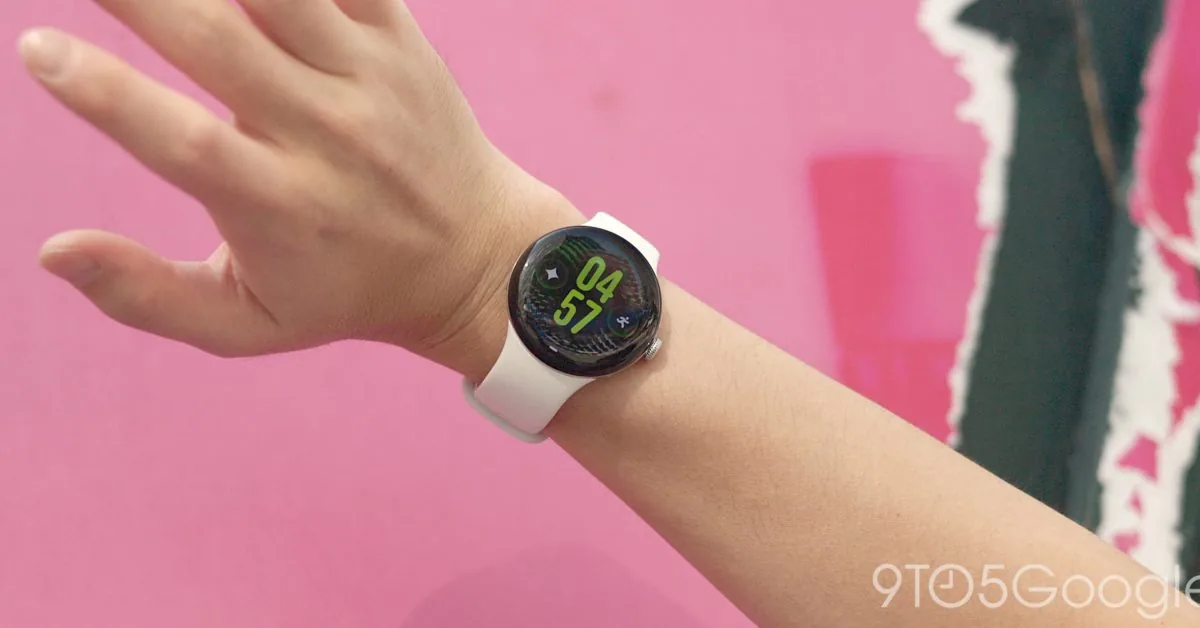
Both the blood pressure and insulin resistance summaries update inside the Google Health app on the first day of each calendar month [2]. This monthly reporting cadence prevents individuals from overreacting to short-term daily fluctuations caused by sodium intake, sleep loss, or dietary shifts [3]. The non-invasive framework aligns with scientific efforts to develop wearable biosensors tracking physiological biomarkers through passive daily monitoring [2]. Users inspect these graphs to evaluate whether prolonged lifestyle changes positively influence their cardiovascular baselines and metabolic health [3].
Sleep Breathing Quality and Emergency Detection
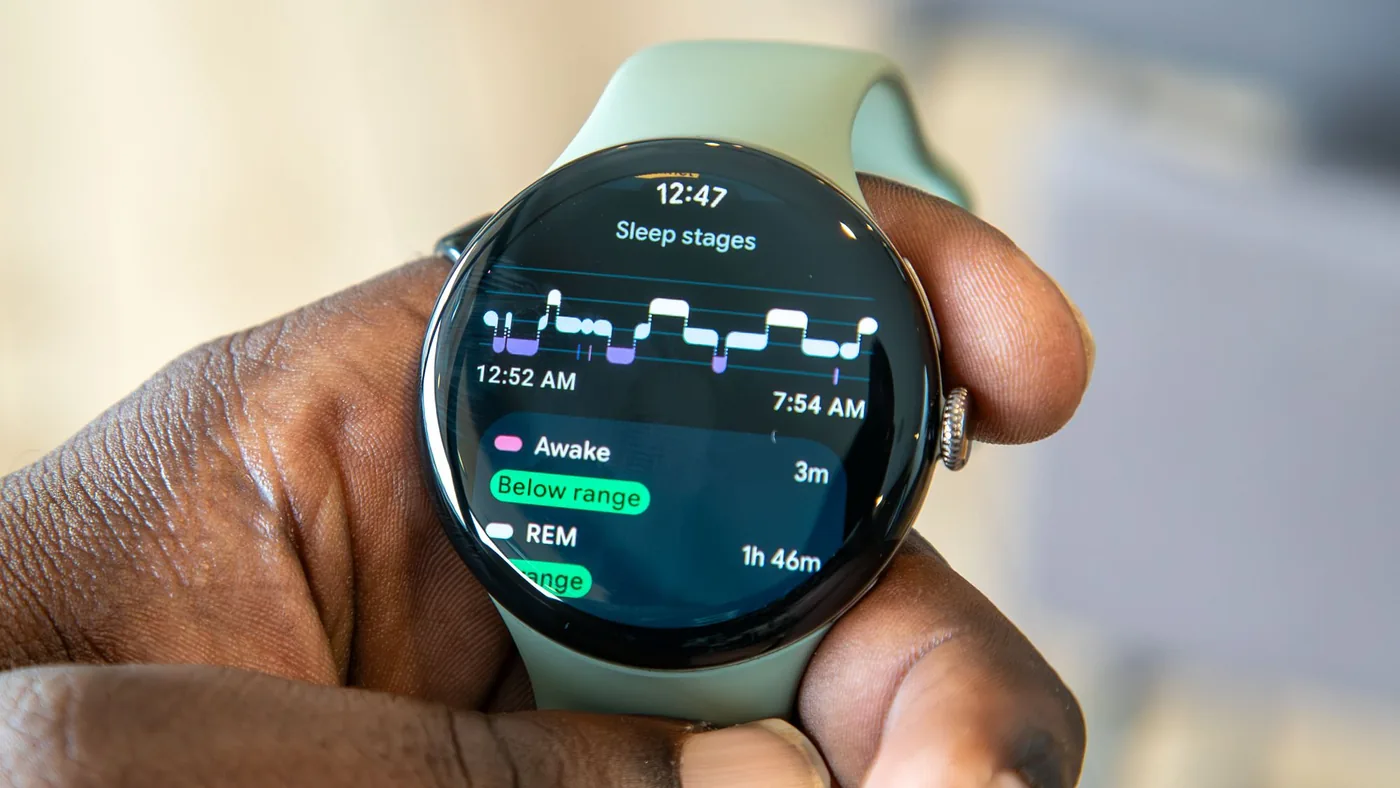
Beyond cardiovascular and metabolic metrics, Google expanded nocturnal respiratory tracking through its updated sleep breathing quality tools [1]. The wrist sensor architecture monitors subtle chest excursions, pulse alterations, and blood oxygen saturation levels while the wearer sleeps. In the morning, the Google Health dashboard presents a breakdown showing how much time the user spent breathing optimally during the night. A monthly aggregate report subsequently compiles those daily logs to reveal chronic airway disturbances that might otherwise remain unnoticed [2].
For users in Europe, Google paired standard nocturnal tracking with an active safety mechanism designated as Breathing Emergency Detection [1]. Emergency dispatch applies only in Europe. This life-safety feature remains exclusive to the fourth and fifth generation hardware iterations, operating only on Pixel Watch 4 and Pixel Watch 5 models within supported European jurisdictions [2]. If the watch detects a sudden and severe drop in blood oxygen accompanied by acute respiratory arrest, the device initiates an automated protocol to summon emergency response services [1].
The safety mechanism operates in the background without requiring active input from an incapacitated wearer. Automated response saves time. By integrating automated distress signaling directly into consumer wristwear, Google transforms passive wellness monitoring into an immediate intervention system during critical health emergencies [1]. However, regional regulatory requirements govern such autonomous life-saving systems, explaining why Google initially restricted automated emergency calls to select European territories [3].
Google Pixel Watch 5 Compatibility and Fitbit Air Pricing
Hardware compatibility forms a central component of Google’s release strategy, granting immediate access across three distinct smartwatch generations. Owners of the Pixel Watch 3, Pixel Watch 4, and Pixel Watch 5 can begin setting up all three Health Guardian features inside the Google Health application this week [2]. Access remains completely free on Pixel smartwatches. Google decided against gating these physiological trend reports behind recurring subscription tiers for owners of its branded hardware lineup [1].
A contrasting monetization structure applies to Google’s extended fitness hardware portfolio [3]. Owners of the upcoming Fitbit Air tracker will gain access to insulin resistance and blood pressure trends later this year, but only if they maintain an active Google Health Premium subscription. Fitbit Air users must pay. While Google confirmed that Fitbit Air hardware will eventually run the underlying sensor algorithms, the company has not yet announced a firm calendar release date for that deployment [1].
The staggered release reflects Google’s effort to position the Pixel Watch 5 as a comprehensive wellness platform capable of deriving actionable physiological trends from raw sensor signals [3]. By providing multi-week analyses of cardiovascular rhythms and metabolic indicators at no added cost, Google strengthens its ecosystem against competing wearables [1]. As the initial wave of monthly trend summaries arrives in early October, wearers will gain their first practical look at whether passive algorithmic health tracking translates into genuine clinical utility [3].
- ONLINE NEWS Washenko, A. (2026, September 24). The Pixel Watch 5’s blood pressure and insulin resistance trends are rolling out this week. Engadget. [Article Link]
- ONLINE NEWS Li, A. (2026, September 24). Google rolling out blood pressure & insulin resistance, more on Pixel Watch 3, 4, 5. 9to5Google. [Article Link]
- ONLINE NEWS Bonggolto, J. (2026, September 24). Pixel Watch is getting blood pressure tracking and new health tools this week. Android Central. [Article Link]


