




When an out-of-warranty smartphone battery begins degrading after hundreds of recharge cycles, owners expect routine service to carry predictable costs. Apple quietly changed those expectations on its official support portal. The company increased the out-of-warranty fee for an Apple battery replacement on the iPhone 18 Pro and iPhone 18 Pro Max to $129 in the U.S., representing a $10 increase over previous flagship models. [1]
Apple Battery Replacement Fee Jumps to $129
Apple published updated maintenance pricing for its newest flagship hardware shortly after opening orders. Joe Rossignol reported for MacRumors that the Cupertino tech giant now charges $129 to swap exhausted power cells in both the iPhone 18 Pro and iPhone 18 Pro Max. For consecutive product generations spanning the iPhone 16 Pro and iPhone 17 Pro, an official Apple battery replacement cost a steady $119. According to Apple, the $10 increase reflects larger internal batteries packed into the redesigned 2026 chassis. [1]
Official repair costs climbed. While base service pricing remained stable for consecutive generations, Apple adjusted service schedules following larger physical cells inside the latest chassis. [1]
Device owners enrolled in AppleCare+ (an extended hardware service contract offering comprehensive protection) face different financial terms during routine servicing. When an active handset retains coverage, Apple replaces degraded power packs at no additional out-of-pocket expense if maximum storage capacity drops below 80%. Users can inspect their current hardware status within the native Settings application by navigating to Battery > Battery Health. Direct repair fees apply otherwise. Without active warranty coverage, paying the full $129 fee becomes unavoidable whenever chemical aging diminishes daily uptime. [1]
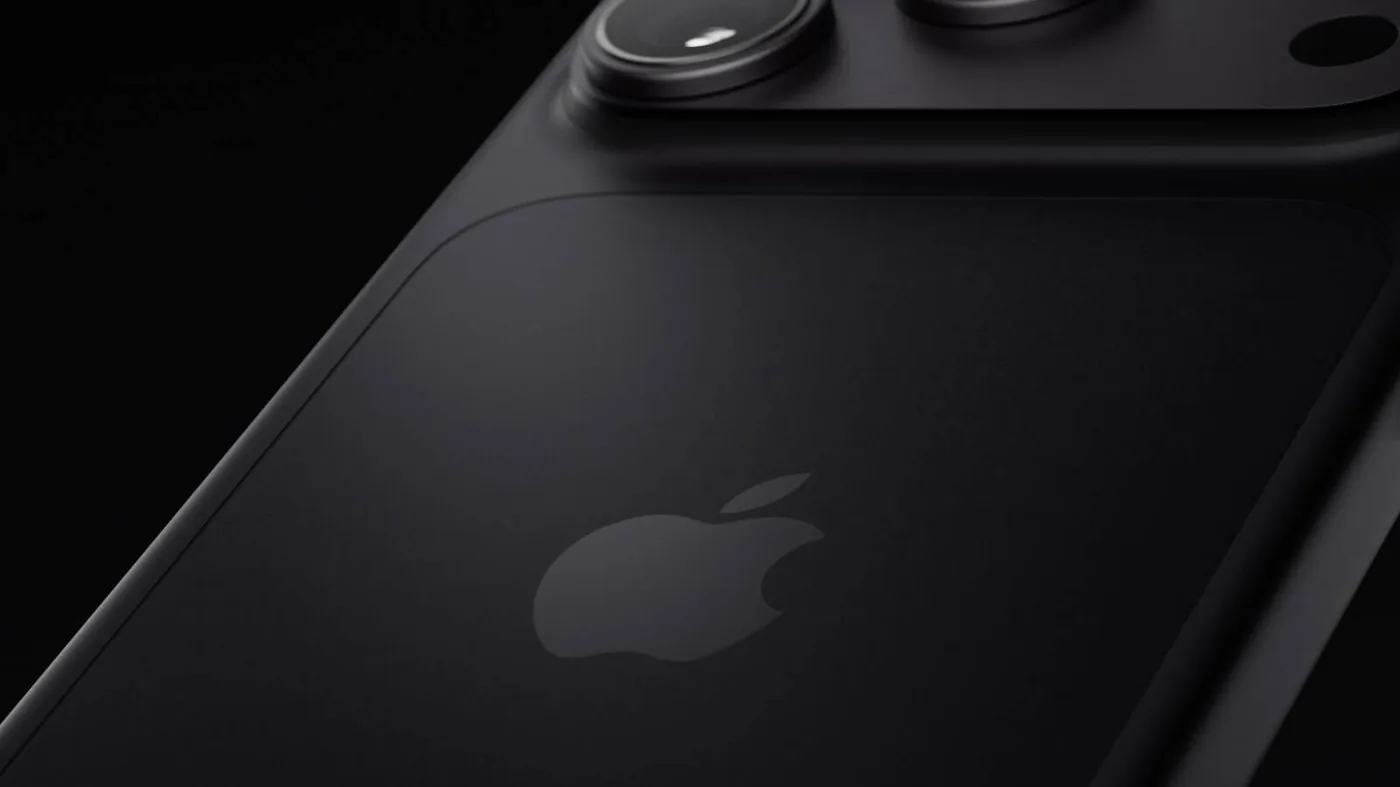
Comparing Out-of-Warranty Costs and AppleCare Terms
The climbing service fee arrives against a backdrop of higher retail prices across Apple’s premier smartphone lineup. Julian Chokkattu reported for WIRED that the iPhone 18 Pro starts at $1,199 while the larger iPhone 18 Pro Max commands $1,299, with each flagship reflecting a $100 price hike over last year’s corresponding models. Research firm TrendForce accurately estimated these upward pricing shifts prior to the launch event, pointing to a demanding component cost environment that pushes consumers to evaluate long-term ownership expenses across multiple years of daily usage. When buyers commit $1,299 for a pocket computer, an extra $10 during year two or year three might feel modest, yet cumulative maintenance bills continue to accumulate. [1, 3]
Does paying $129 push consumers toward unauthorized repair shops? Third-party workshops often promote discounted rates for aftermarket battery components, yet unauthorized installations risk forfeiting system diagnostics and battery health readouts inside iOS 27. Apple pairs internal components with factory calibration tools, ensuring genuine replacements communicate correctly with power management firmware. Reliable repairs require authentic hardware. [1, 3]
Ownership calculations also shape how Apple’s flagship compares to rival hardware across the premium mobile market. When evaluating whether high-tier smartphones justify rising purchase and maintenance fees, the iPhone Pro Max faces Samsung’s S26 Ultra in an intense competition over enduring hardware value and daily usability. Samsung structures its warranty programs around distinct service tiers, but Apple relies on AppleCare+ subscriptions to shield customers from single-incident repair fees. For unassisted buyers, an out-of-warranty Apple battery replacement now requires factoring steeper factory component pricing into overall device budgets. [1, 3]


Real-World Endurance Gains Across Lab Drain Tests
Independent lab evaluations reveal that Apple’s larger power cells deliver measurable runtime improvements. John Velasco conducted custom battery drain testing for Tom’s Guide, calibrating displays to 150 nits (the standard measure of display luminance) and running simulated web browsing over cellular connections until total power exhaustion. Under these controlled conditions, the iPhone 18 Pro Max sustained operation for 18 hours and 27 minutes (18:27), outlasting the iPhone 17 Pro Max (17:54) by 33 minutes for a modest 3.1% gain. The smaller iPhone 18 Pro reached 16 hours and 17 minutes (16:17), beating the iPhone 17 Pro (15:21) by 56 minutes for a 6.1% bump. [2]
These test numbers contrast with Apple’s official marketing claims rating the iPhone 18 Pro Max for 45 hours and the 18 Pro for 36 hours of video playback. Everyday testing still demonstrates dependable longevity. Julian Chokkattu observed that with 5 hours of screen-on time, the iPhone 18 Pro Max retained roughly 50 percent battery at bedtime, comfortably lasting through day two on a single charge. The smaller Pro finished typical days with 40 percent charge remaining. [2, 3]
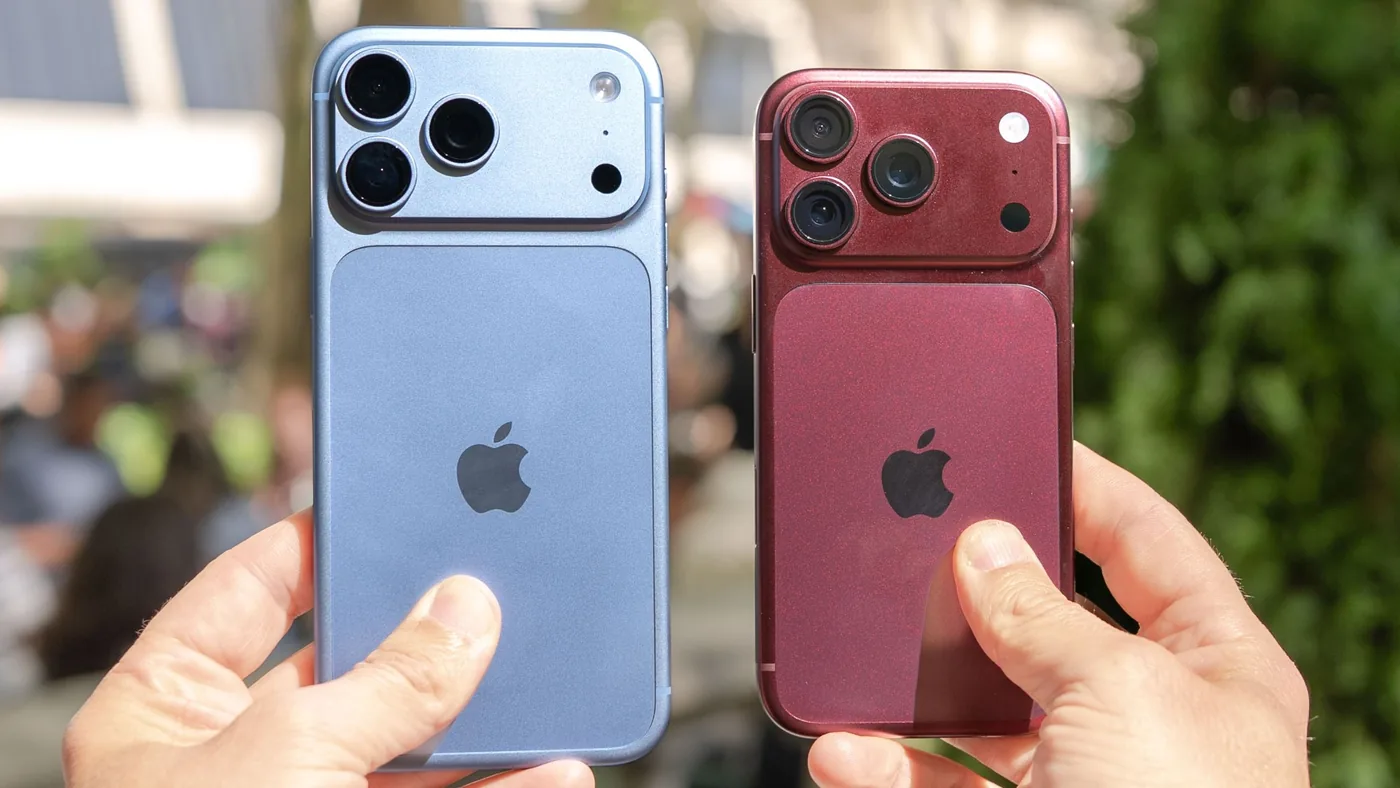
Multi-year benchmarks highlight meaningful progress over older models. In Tom’s Guide testing, the iPhone 16 Pro lasted 14 hours and 7 minutes (14:07), while the iPhone 16 Pro Max ran for 17 hours and 17 minutes (17:17). As TechSpot and AppleInsider highlighted in launch coverage, users jumping from older hardware experience dramatic battery improvements with upgraded cameras. For those users, paying a slightly steeper Apple battery replacement cost years down the road may feel justified by immediate endurance gains. [2, 4, 5]
Silicon Efficiency Versus Modern Silicon-Carbon Packs
Power efficiency on the iPhone 18 Pro lineup stems largely from Apple’s latest silicon architecture. The handsets introduce the A20 Pro processor, fabricated on an advanced 2nm manufacturing process designed to minimize power dissipation across demanding computational workloads. Reviewers at TechSpot praised the A20 Pro for combining high computational throughput with refined energy efficiency. While shifting to 2nm silicon curbs electrical draw, relying solely on conventional lithium-ion battery chemistry restricts how much energy engineers can cram into ultra-thin smartphone enclosures. [2, 4]
How do Apple’s latest flagships compare with premier Android rivals? In the Tom’s Guide cellular drain test, the iPhone 18 Pro Max convincingly defeated key Android competitors, besting the Samsung Galaxy S26 Ultra (16:40) by 1 hour and 47 minutes and outperforming the Google Pixel 11 Pro XL (14:28) by nearly 4 hours. Even the smaller iPhone 18 Pro held its ground, trailing Samsung’s supersized Galaxy S26 Ultra by only 23 minutes. Yet none of these handsets approached the staggering runtime of the OnePlus 15. Clocking an extraordinary 25 hours and 13 minutes (25:13), the OnePlus 15 outlasted the iPhone 18 Pro Max by more than 6.5 hours. [2]
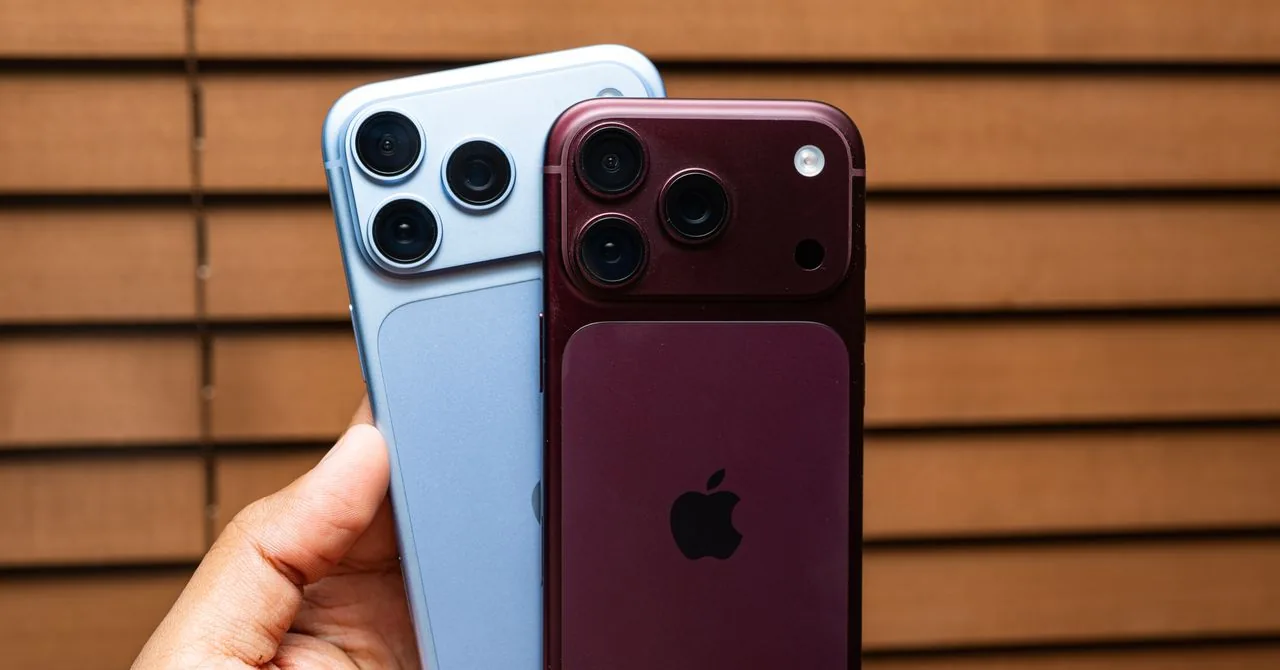
That dramatic victory highlights a fundamental divergence in energy storage engineering. The OnePlus 15 achieves record endurance by integrating a massive 7,300 mAh battery built with silicon-carbon anode chemistry. John Velasco pointed out that silicon-carbon battery technology delivers substantially higher energy density without forcing bulky chassis dimensions, preserving slim profiles and comfortable ergonomics. Apple continues relying on traditional lithium-ion chemistry, which necessitates physically expanding cells to gain capacity and ultimately contributes to steeper replacement pricing. [2]
Hardware Redesigns and the Shifting Flagship Ecosystem
Internal hardware changes explain why battery maintenance requires specialized workshop handling. Julian Chokkattu noted that Apple expanded the vapor chamber surface area by three times (a dedicated cooling component spreading thermal energy across the interior chassis) to prevent localized hot spots during intensive gaming. Testing demanding AAA titles such as Control showed the phone remained evenly warm without premature thermal throttling. Tight tolerances make servicing delicate. [3]
Beyond thermal redesigns, the iPhone 18 Pro incorporates a mechanical variable-aperture main camera switching between four distinct f-stops (f/1.48, f/1.78, f/2.8, and f/4) to adjust light intake mechanically. The Dynamic Island has also been trimmed in size, allowing iOS 27 to display three simultaneous live activities including DoorDash orders, Uber updates, and Apple Maps navigation. As Apple bundles connectivity perks, such as offering another free year for iPhone satellite access on newer models, foundational hardware maintenance like an Apple battery replacement remains strictly tethered to direct repair fees. Modern features demand sophisticated internal packaging. [1, 3]
These maintenance dynamics arrive during a pivotal product transition for Cupertino. Apple omitted a base iPhone 18 model this autumn, reserving entry models for spring 2027 with a mid-tier iPhone 18e, while previewing the premium foldable iPhone Duo scheduled for next month. Device shipments commence this week for the iPhone 18 Pro together with Apple Watch Series 12, Ultra 4, and AirPods 5 hardware. For consumers investing in Apple’s top-tier smartphones, the $129 out-of-warranty battery replacement fee establishes a new baseline for maintaining flagship hardware longevity across multiple years of heavy daily use. [1, 3]
- ONLINE NEWS Rossignol, J. (2026, September 17). Apple Increases Battery Replacement Fee for iPhone 18 Pro and Pro Max. MacRumors. [Article Link]
- ONLINE NEWS Velasco, J. (2026, September 16). iPhone 18 Pro Max & 18 Pro battery life tested — the results are surprising. Tom’s Guide. [Article Link]
- ONLINE NEWS Chokkattu, J. (2026, September 16). The iPhone 18 Pro Is for the Shutterbugs. WIRED. [Article Link]
- ONLINE NEWS TechSpot. (2026, September 17). iPhone 18 Pro and Pro Max reviews: exceptional battery life, and a more versatile camera. TechSpot. [Article Link]
- ONLINE NEWS AppleInsider. (2026, September 17). iPhone 18 Pro Max vs iPhone 15 Pro Max: three-year upgrade, compared. AppleInsider. [Article Link]


1 comment