



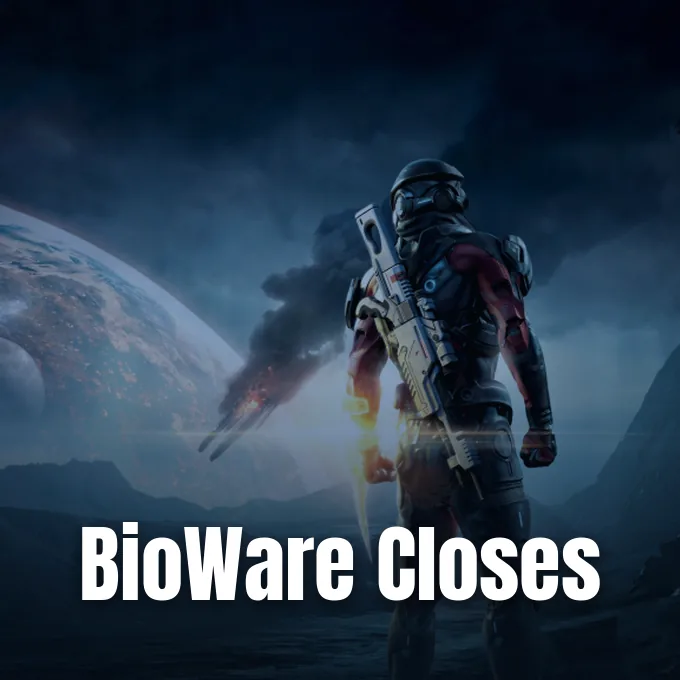
Electronic Arts is shutting down BioWare after 30 years of game development, confirming the BioWare closure through a public post that also halts early work on the next Mass Effect game [1]. The move brings roughly 400 job cuts that make up about 3% of the global headcount at EA, hitting 50 staff who were making the new space adventure in Edmonton [3]. BioWare confirmed the news in a farewell note to fans, ending three decades of making famous role-playing worlds [2].
BioWare Closure Cuts 400 Jobs
BioWare shared a farewell note online to explain the sudden end of its run. “For more than 30 years, BioWare has been more than a studio. It has been a home for storytellers, developers, and the players who brought our worlds to life,” the team wrote in its post on X [3]. Leaders said their main goal right now is helping staff through the job cuts rather than talking about old game brands [2]. “There is nothing easy about writing those words,” the team wrote in its public post. “Our focus right now is on our incredibly talented team who put their hearts into these games, and supporting one another through this transition,” the post said [1].
The 50 employees let go from BioWare were doing pre-production tasks on the next Mass Effect game, which many fans called Mass Effect 5 after early teaser clips appeared online [4]. EA had earlier stated that the group would move directly to the space sequel once it shipped Dragon Age: The Veilguard. BioWare closed its main Canadian office for good [1]. EA has not said if it will sell the game rights or pass the build to an outside team [2].
The wider cut of 400 positions reaches well past Canada, making up about 3% of the entire workforce at EA as multiple teams see projects halted under fresh orders [3]. Staff departures started quickly after the morning note as workers got severance terms from company managers [5].

Cancelled Games Across EA
BioWare was not the only group hit by the sudden cuts. EA cancelled an unreleased game in The Sims line that was known internally as Project Lotus, according to reporting from Bloomberg News. That Sims build is now dead. At the same time, EA chose to back another secret game called Project Evergreen, sending more cash to ideas that leaders think will hold players for years [1]. Bosses decided to put funds into games that can pull in steady player spending over time, turning away from single-player story games that cost a lot to make but do not bring in ongoing digital sales [4].
Resources are also moving away from Full Circle Studios, the team in charge of the online skateboarding title known as skate. While staff will keep working on skate, EA is having Respawn Entertainment team up with DICE to build what is likely a new Star Wars: Battlefront game [1].
EA Chief Operating Officer David Tinson and Chief Studios Officer Cam Weber talked about the cuts in a joint memo sent out to staff [1]. Both leaders said these moves came after a long business check carried out over recent months [4]. “Across our portfolio, we’re making deliberate choices to align talent and investments where we see the greatest opportunities for players and long-term growth,” the memo said, while GamesRadar noted that more cuts could follow soon [1, 5].


The Saudi PIF Buyout
The wave of studio shutdowns and staff cuts came less than three months after an investor group bought Electronic Arts in a $55 billion leveraged deal. Saudi Arabia’s Public Investment Fund (PIF), led by Mohammed bin Salman Al Saud, drove the buyout with foreign partners who backed the heavy debt load [3]. The buyout group also had private equity firm Silver Lake and Jared Kushner’s Affinity Partners, linking Gulf state money with Donald Trump’s son-in-law in a rare gaming takeover [4]. The buyout went through during the summer after getting standard approvals, leaving EA under big debt costs [3].
Many game makers inside EA felt worried when the sale went through earlier this year, fearing that heavy debt would force fast layoffs. Workers told Game Developer that leaders gave only “vague reassurances” about creative freedom, raising worries about underperforming teams that came true with the BioWare closure as debt mounted [1].
One unnamed worker told reporters that teams with slow sales would surely face the chopping block, noting that “it’s hard to see how teams or games that underperform wouldn’t be dissolved or sold off” [1]. EA has not said if it will shelve Mass Effect and Dragon Age forever or hand them to other internal teams. GamingBolt reported that chances of EA selling either game brand to outside firms remain very slim right now [2].
Thirty Years of RPG History
BioWare started in 1995 in Edmonton, Alberta, set up by Ray Muzyka, Greg Zeschuk, and Augustine Yip. Shattered Steel came out in 1997. Its first game was the 1997 mech combat title Shattered Steel, which showed the team’s early software skill before founders shifted to role-playing games. In 1998, BioWare put out the Dungeons & Dragons hit Baldur’s Gate, bringing deep party tactics and rich dialogue that shaped computer role-playing games for years. Larian Studios later made Baldur’s Gate 3, building on the ground BioWare broke decades back [1]. Over thirty years, BioWare games reached millions of players on Mac, PC, PS3, Xbox 360, PS4, and Xbox One, setting storytelling bars across whole console generations [4].
Following its early work with tabletop rules, BioWare built big hits like Star Wars: Knights of the Old Republic, Neverwinter Nights, and Jade Empire [2]. EA bought BioWare in 2007 through a deal with VG Holding Corp, bringing the Canadian team under its main wing as game costs started to soar [1].
BioWare soon delivered two major hits, shipping Mass Effect in 2007 and Dragon Age: Origins in 2009 to set up two long-running fantasy and sci-fi lines. An Austin branch made Star Wars: The Old Republic, an online game now run by Broadsword [1]. “These games became so much more because you played them, debated your choices, fell in love with the characters, and made these worlds your own,” BioWare wrote in farewell [4].
Why BioWare Closure Happened
Trouble began growing after Dragon Age: Inquisition landed in 2014, when EA started pushing internal teams to make online games with recurring digital cash flow. Former BioWare executive producer Mark Darrah said on his YouTube channel that publisher demands for live-service features hurt the team’s ability to focus on deep single-player tales. BioWare then ran into hard times while building Mass Effect: Andromeda, which came out in 2018 to lukewarm reviews after press reports revealed a messy production run. EA never shared public sales numbers for Andromeda, showing that it fell well below the high marks set by the earlier space trilogy [1].
In 2019, BioWare put out Anthem, an online sci-fi shooter built around flying mech suits and shared loot runs. Anthem sold about 5 million copies. It failed to hold an active crowd, selling only about 5 million copies before EA scrapped a big overhaul and ended future updates [1, 2].
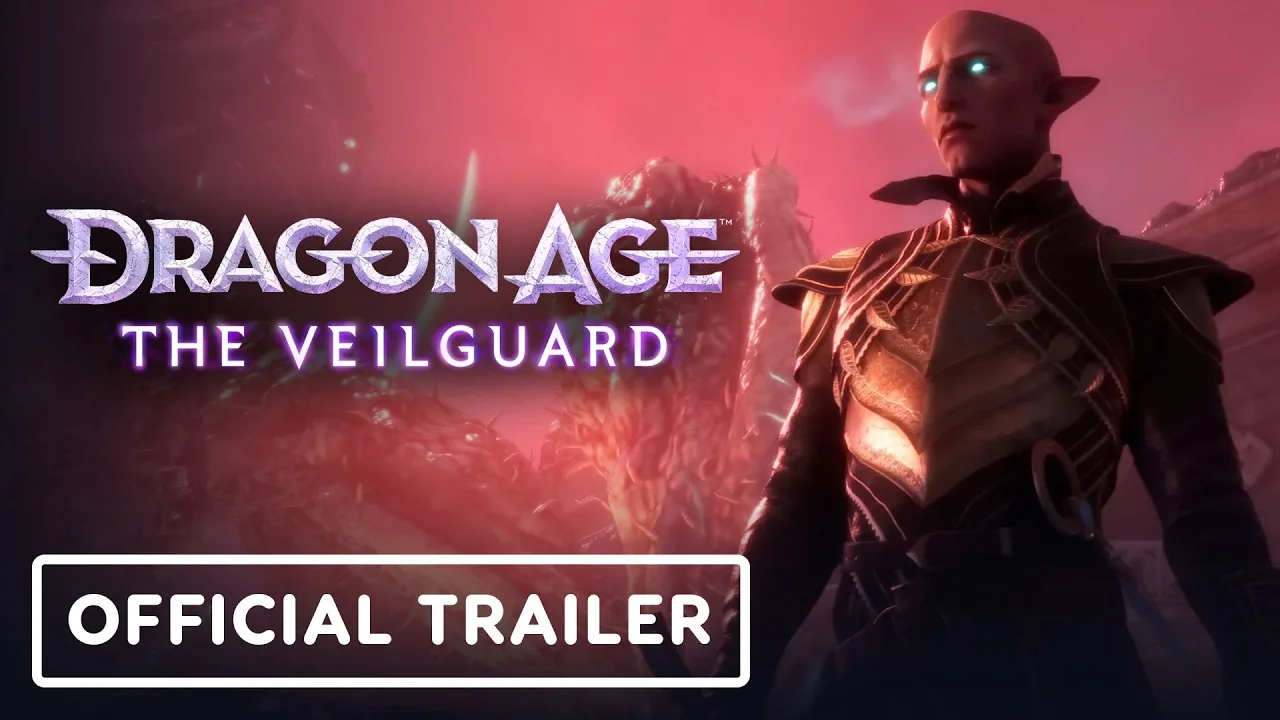
Work on Anthem also pulled staff and time away from the next fantasy game, which went through resets before coming out as Dragon Age: The Veilguard in 2024 [1, 5]. When Veilguard launched, GamesRadar reported it missed internal sales targets by “nearly 50%,” bringing layoffs and leaving BioWare exposed to budget cuts [4, 5]. BioWare then put its remaining 50 staff onto early work for the next Mass Effect, but EA pulled the plug, making the BioWare closure official [1, 6].
- ONLINE NEWS Francis, B. (2026, October 21). EA closes BioWare after 30 years of game development. Game Developer. [Article Link]
- ONLINE NEWS Sinha, R. (2026, October 22). BioWare is Shutting Down, Ending Development on Next Mass Effect. GamingBolt. [Article Link]
- ONLINE NEWS Blues News. (2026, October 21). EA Closing BioWare; Cancelling Next Mass Effect. Blues News. [Article Link]
- ONLINE NEWS Serin, K. (2026, October 21). BioWare is closing and Mass Effect 5 is cancelled. Eurogamer. [Article Link]
- ONLINE NEWS Wood, A. (2026, October 21). EA cancels new Mass Effect, closes BioWare after being bought by Saudi Arabia. GamesRadar+. [Article Link]
- ONLINE NEWS Henderson, T. (2026, October 21). BioWare Announces its Next Mass Effect is Canceled as Studio Closes Down. Insider Gaming. [Article Link]


