





Americans should prepare for “bumps in the road” as public and private computer networks upgrade to adapt to the AI age, according to DNI Jay Clayton. His warning followed disruptive outages that hit the FAA, Microsoft, and major banks. Clayton said that updating legacy software to support modern AI tools will bring unavoidable friction for ordinary citizens. In addition to his DNI role, Clayton is also taking on temporary cyber defense duties during this shift [1].
Outages Behind the Federal Warning
The public warning, documented by Techmeme, came after several high-profile service breakdowns disrupted normal life for millions of Americans. Flight delays hit travelers fast. Outages hit air transit networks run by the FAA, while cloud downtime at Microsoft knocked workplace chat tools offline and separate bank outages temporarily locked customers out of their accounts [1].
Garrett Downs of CNBC reported that federal leaders view these outages as early warning signs for older digital systems that were never planned to handle the data loads required by modern AI tools. Rather than treating the events as isolated bugs, leaders see them as signs of strain on older software pipelines. Updates to these connected networks force engineers to change core code while systems stay live, an intricate process that triggers brief service gaps. When tech teams alter server rules while millions of people rely on live connections, minor configuration errors can propagate fast and shut down key digital services run by the FAA [1].
Federal teams monitoring the FAA and Microsoft failures saw that public frustration rose quickly when basic digital tools stopped working. Systems went dark without warning. Postponing these updates would leave national computer networks vulnerable to worse crashes down the road. Clayton and federal leaders concluded that speaking openly about coming maintenance hurdles was necessary to help the public understand why short outages will continue to happen as upgrades proceed [1].
What DNI Jay Clayton Told the Public
Clayton told the public that the path toward modernized computer networks will not be smooth. Live system updates bring real risk. He stated that citizens must prepare for recurring hiccups as tech teams rewrite complex software environments to support modern AI tools across both federal agencies and private commercial platforms [1].
Clayton made clear to reporters that the rush to adopt AI cannot be separated from daily network operations. Software collisions happen when teams connect new automation tools to older codebases. His frank warning to expect “bumps in the road” aims to reset public expectations nationwide, acknowledging that new technologies rarely launch without encountering temporary setbacks. Federal agencies are trying to blend machine learning tools into systems that have run on legacy software for decades. When engineers bridge those two different software eras, even well-tested update procedures can cause brief system pauses that ripple outward into consumer banking and air transit [1].
Clayton said that adjusting to the AI era takes patience from consumers and business clients who expect continuous digital access. Older platforms that have run reliably for years often conflict with new automation tools. These massive software updates take time, so short outages will remain a normal part of the shift as public and private systems evolve [1].


Dual Roles for Cyber Defense
The everyday friction exposed by recent outages arrives during major changes in federal cyber leadership. Sources told Axios that Clayton is expanding his executive portfolio beyond traditional spy agency work. Clayton already serves as the federal AI czar, but he will now also act as the national cyber director while keeping his primary responsibilities as DNI [1].
That temporary dual role places Clayton at the center of national security policy, emerging computational standards, and domestic network defense. The acting assignment comes while Kirsten A. Davies waits for the Senate to hold a formal confirmation vote on her nomination to lead the national cyber office. By giving Clayton charge of both DNI work and the cyber office during this interim period, the White House hopes to coordinate responses to major software disruptions among separate civilian and military agencies. Combining these offices under Clayton helps federal teams spot systemic software flaws faster whenever disruptions hit private vendors or government transit corridors [1].
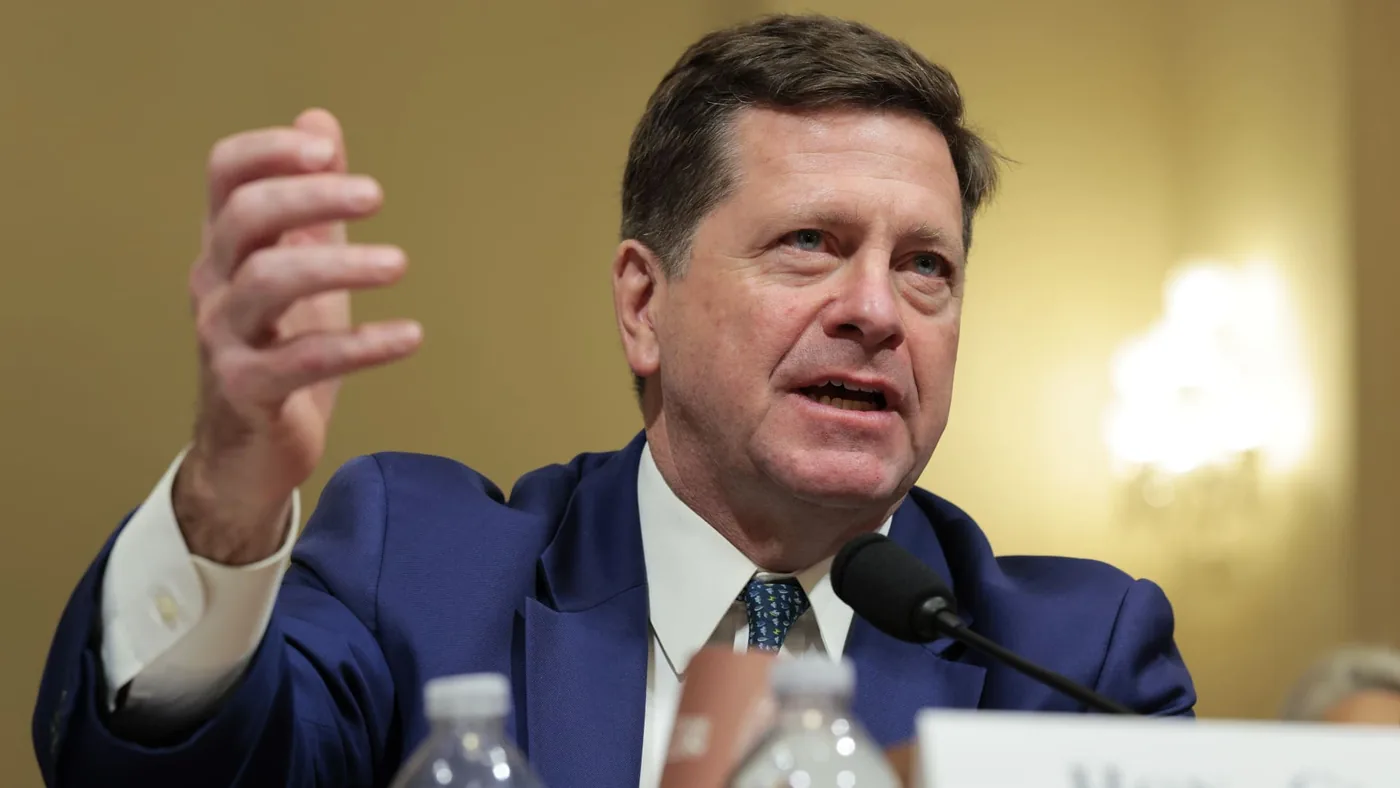
Clayton faces a demanding workload as he balances DNI duties with national cyber defense. Senate confirmation remains on hold. With the FAA, Microsoft, and commercial banks all recovering from recent downtime, federal oversight must keep systems online while pushing forward with urgent updates. Kirsten Davies must still win Senate confirmation before taking over the cyber agency, leaving Clayton to run ongoing coordination efforts [1].
DNI Jay Clayton on System Modernization
Outages that prompted Clayton’s warning show the technical friction involved in replacing older systems with automated tools. In federal aviation, projects like the FAA SMART AI rollout show how teams try to streamline busy flight routes using artificial intelligence. Adding new predictive software to legacy FAA air traffic corridors can create unexpected complications when older protocols reject modern code formats.
A similar dynamic unfolds in enterprise software where older codebases struggle to talk with new automation models. When tech teams apply AI to inspect older digital foundations, hidden defects come to light. Automated code scans of legacy foundations have already uncovered major PHP security flaws in aging code, showing that modernization often reveals deep flaws before making systems safer. Companies rushing to deploy automated tools must patch these newly exposed code defects while maintaining continuous daily uptime. The resulting patching backlog strains servers and creates the exact service hiccups that Clayton warned the public to expect.
Structural hurdles explain why recent cloud and bank outages are viewed as parts of a shared digital challenge. Private providers like Microsoft and major retail banks handle millions of customer transactions every hour. When tech teams update server frameworks to support AI tools, slight mismatches between older databases and new software can cascade into regional outages that disrupt routine digital business for millions of account holders [1].
Network Stability in the AI Era
As public offices and private firms navigate this transition, guidance from Clayton marks a realistic turn in government technology messaging. Officials are no longer promising that digital upgrades will happen without a hitch. Leadership is openly stating that rebuilding core software to support artificial intelligence will cause temporary headaches for everyday citizens and businesses alike [1].
Cooperation among federal agencies will determine whether unified leadership can reduce the fallout from future software crashes. With Clayton overseeing DNI priorities and interim cyber defense, the federal government aims to share threat alerts and technical lessons much faster with private firms like Microsoft and commercial banks. Tech bugs spread fast. Modern banks and federal offices rely heavily on commercial cloud networks run by companies like Microsoft. Combining cyber defense and DNI oversight under Clayton helps federal teams identify common failure points before routine updates knock essential public systems offline [1].
Recent disruptions affecting the FAA, Microsoft, and the banking sector show that updating complex networks always brings friction during deployment. Clayton’s comments give a realistic reminder that modernizing infrastructure is a long software process rather than a quick fix. As artificial intelligence tools become more firmly set in daily life, enduring occasional disruptions will remain an unavoidable part of adapting to modernized digital systems [1].
- ONLINE NEWS Techmeme. (2026, November 22). After FAA, Microsoft, and bank outages, DNI Jay Clayton says Americans should prepare for “bumps in the road” as systems are upgraded to adapt to the AI age. [Article Link]


