



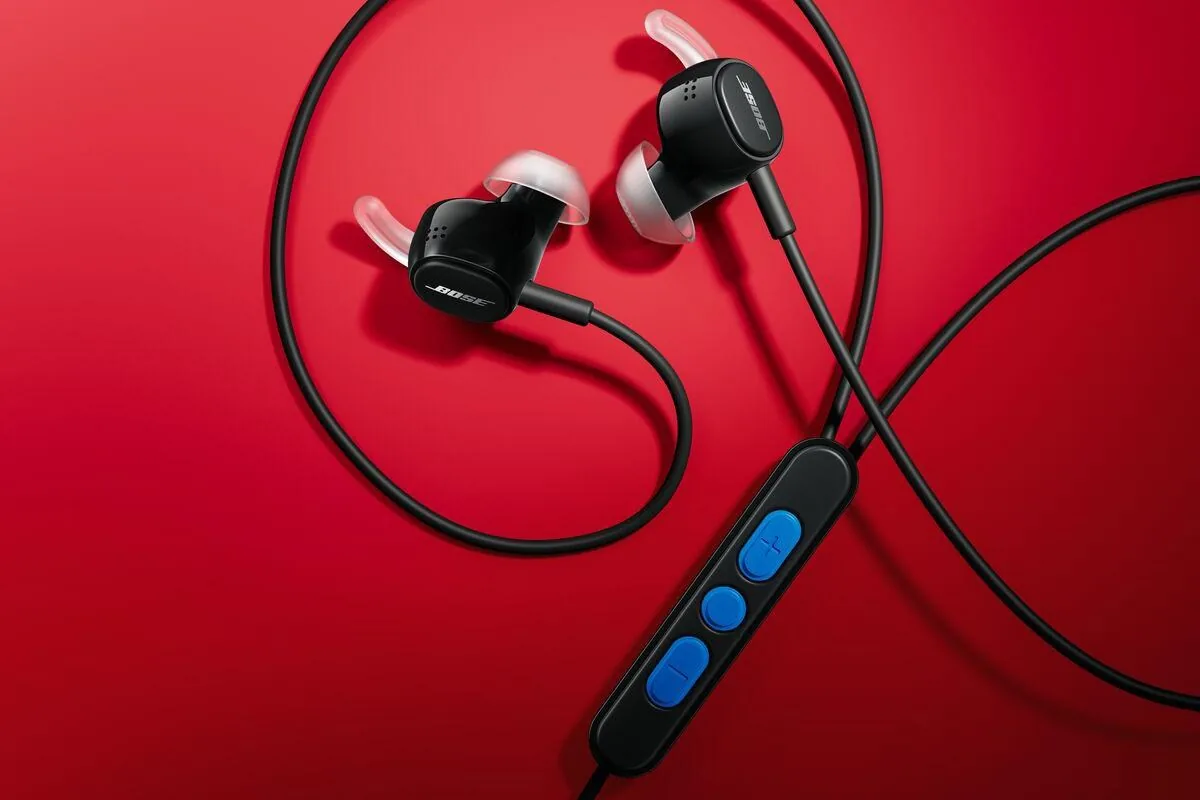
Bose has introduced its first tethered in-ear audio model since discontinuing the category in 2015. The new Bose wired earbuds, formally named the Bose Noise Cancelling Wired Earbuds, eliminate battery charging routines while bringing active noise cancellation to modern smartphones. Rather than relying on outdated analog jacks, the hardware connects directly over digital USB-C. The retail price is $99 [5].
Bose Wired Earbuds Mark an 11-Year Hardware Return
The launch marks the company’s first wired in-ear release in more than a decade. Personal audio manufacturers spent the last ten years stripping cables from consumer lineups, pushing listeners toward Bluetooth connectivity and wireless charging cases. While wireless convenience dominated store shelves, recurring battery degradation and pairing friction left a lingering segment of users searching for traditional tethered alternatives. Bose had previously discontinued its legacy wired earbuds in 2015, shifting engineering resources into wireless travel hardware like the celebrated QC35 over-ear lineup [3].
Bringing tethered hardware back required an accelerated corporate pivot. Raza Haider, president of consumer audio at Bose, observed the cultural resurgence of corded listening firsthand after noticing college students consistently wearing wired earbuds during campus move-in days. The company designed and finalized the new Bose wired earbuds in roughly eight to nine months, a turnaround substantially quicker than the typical multi-year development cycles common across the audio industry. Haider explained that internal teams restructured production pipelines to accelerate product debuts, rapid hardware revisions, and brand collaborations [6].
The shift arrives as market analysts measure tangible spikes in wired gear consumption. Retail tracking firm Circana revealed that sales of wired headphones surged 10% during the second half of 2025 before accelerating by 20% in the opening six weeks of 2026 alone. Ben Arnold, an industry analyst, suggested consumers may be deliberately trading down to lower-cost and lower-specification hardware to combat inflationary electronics pricing [1].
Active Noise Cancellation and USB-C Technical Architecture
Unlike basic analog earphones, the new Bose wired earbuds integrate dedicated active noise cancellation without packing an internal lithium battery. The system relies on two dedicated microphones on each earpiece paired with Bose’s QuietControl processing technology to monitor and suppress incoming environmental racket. Power for the noise cancellation circuits and signal processors is drawn directly from the host device over the 4.2-foot cable, entirely removing the nuisance of mid-day battery depletion [5].
Audio reproduction relies on a fixed digital signal path rather than passive analog passthrough. An integrated proprietary digital signal processor handles digital-to-analog conversion at the endpoint, outputting an uncompressed 24-bit audio signal locked at 48kHz regardless of the connected host. USB-C replaces the legacy jack. This hardware architecture guarantees uniform acoustic tuning across diverse phone brands and tablet platforms, preventing the unpredictable impedance mismatches that historically compromised passive audio cables [3].
Listeners toggle ambient processing through multiple operational profiles without needing a companion smartphone app. The primary Quiet Mode delivers full active cancellation to isolate commuters on noisy trains or within crowded urban work spaces. Toggling the inline switch engages Aware Mode, which utilizes the exterior microphone array to channel surrounding speech and environmental cues straight into the ear canal for safe street navigation. The cancellation circuits can also be shut off completely to preserve mobile device battery reserves during extended listening sessions [5].


Why Wired Bose Earbuds Appeal to Younger Consumers
The timing of the release reflects an unmistakable cultural pivot led primarily by Generation Z and younger listeners across metropolitan centers. High-profile pop celebrities have frequently appeared in public sporting basic white wired cords, turning tangled cables into an intentional fashion statement against sterile gadget homogeneity. For many younger commuters, choosing corded listening serves as a deliberate analog retreat from software complexity, constant firmware prompts, and intrusive companion applications [6].
Broader physical media revivals reinforce this acoustic nostalgia. Retail observers point to the parallel resurgence of vinyl records and compact discs as proof that tangible playback hardware remains deeply attractive to modern audiences. A market projection from research group Coherent Market Insights estimates that premium wired personal audio models will account for more than 50% of overall headphone sales this year as consumers prioritize zero-latency playback, sustained connection reliability, and uncompressed acoustic dynamics over wireless convenience [1].
Audio latency drops to zero. Without wireless compression buffers or transmission delays, mobile gaming audio synchronizes instantly [4].
While discounted wireless flagships like the Apple AirPods Pro 3 continue attracting mainstream shoppers during seasonal sales, tethered Bose wired earbuds eliminate charging anxiety entirely. Audiophiles also appreciate avoiding Bluetooth connection drops in crowded transit hubs. Why do portable audio enthusiasts celebrate the shift? Corded earbuds simply work upon connection, requiring zero software pairing [4].
Hardware Ergonomics, In-Line Controls, and Daily Durability
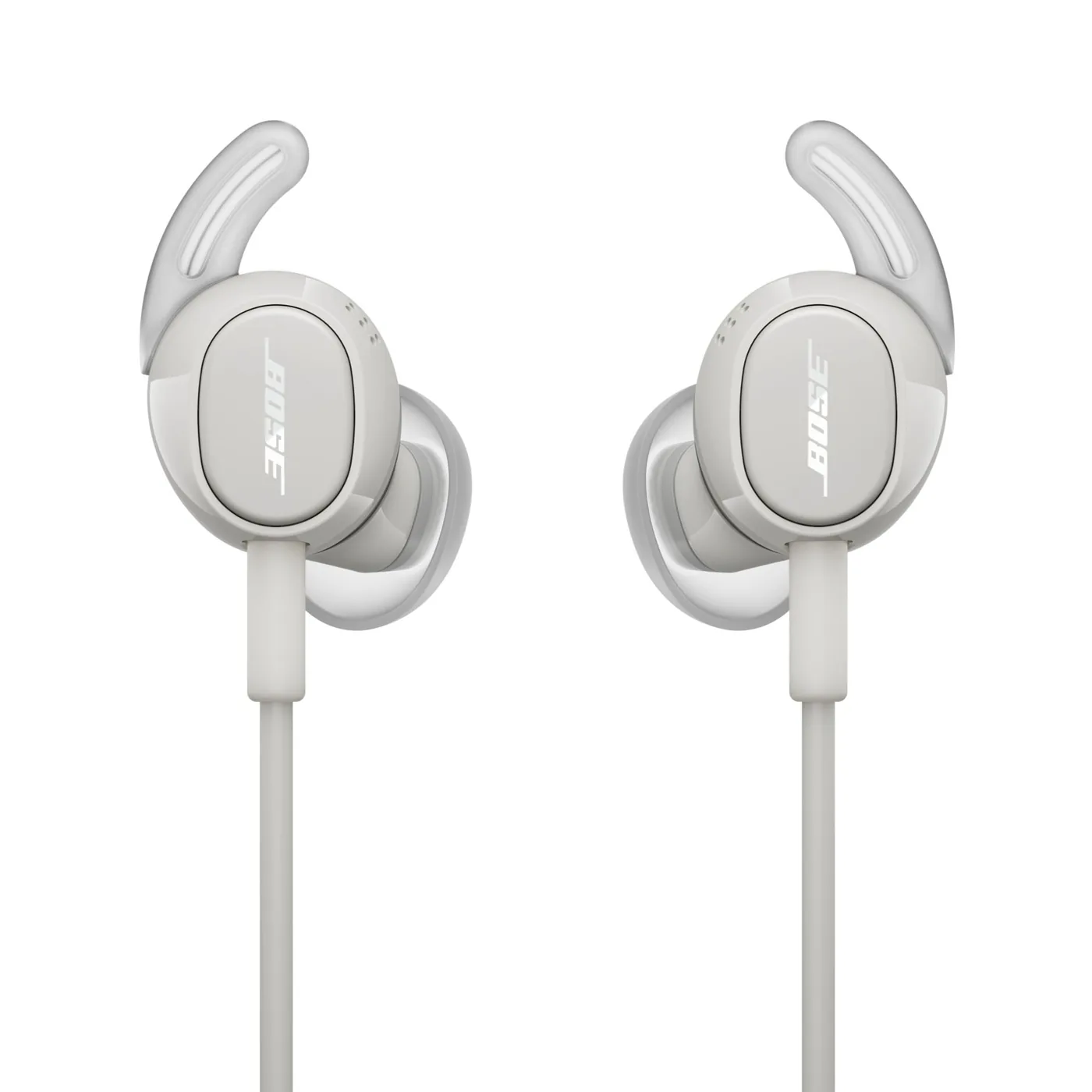
Physical comfort during active listening depends on a multi-part stabilization system bundled directly inside the retail packaging. Rather than relying solely on pressure from friction-fit ear canal tips, the Bose wired earbuds incorporate proprietary silicone ear stabilizers with specialized wings that gently anchor against the outer ear folds. The package contains three distinct sizes of silicone eartips with two separate pairs of stability wings, allowing listeners to establish an airtight acoustic seal for optimum bass response and cancellation effectiveness. The water rating is IPX4. This certified moisture barrier ensures internal acoustic diaphragms withstand sudden rain showers and gym workouts without structural degradation [5].
Tactile controls handle media playback through an integrated control pod positioned along the upper cabling. Physical click buttons manage volume elevation, volume reduction, track skipping, and voice calls without forcing users to unlock their smartphones. The module also embeds an omnidirectional microphone engineered to isolate spoken voice patterns cleanly during phone calls without demanding that the user hold the wire directly against their lips [1].
Early hands-on impressions of the Bose wired earbuds highlight both acoustic triumphs and mechanical trade-offs. Testing a late-stage prototype over four days, WIRED reviewer Harry Rabinowitz praised the acoustic reproduction for providing clear detail across bass, midrange, and treble registers that comfortably surpasses standard wired competitors like Apple EarPods. However, Rabinowitz observed that the central inline control panel adds noticeable physical weight, creating downward cable tension that pulls on the ears during walking. While the rubberized 4.2-foot cable feels thick and durable, it remains prone to tangling inside the included zippered carrying case [6].
Pricing, Color Options, and October Availability
Bose positioned the new Bose wired earbuds with entry-level pricing to capture both mainstream listeners and audiophiles on strict budgets. At an official retail price of $99, the hardware undercuts the manufacturer’s flagship wireless earbuds by over one hundred dollars while packing comparable active cancellation circuitry. For shoppers who regularly complain that wireless personal audio carries exorbitant replacement costs when earbuds or charging cases vanish, tethered hardware offers a cost-effective alternative [2].
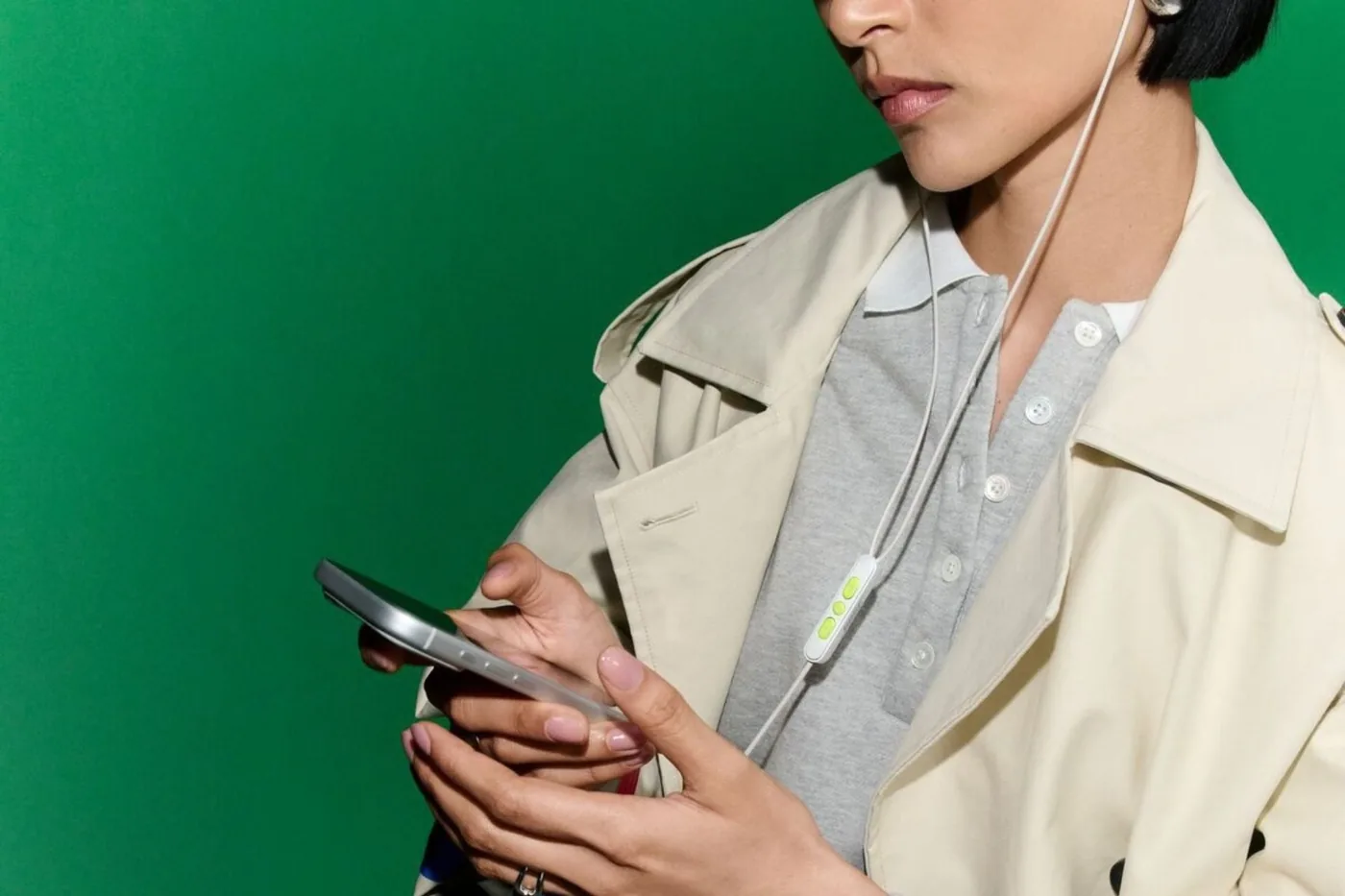
Buyers can select between three distinct exterior finishes. Standard editions arrive in traditional Black or neutral White Smoke shells designed to blend seamlessly with workstation electronics. A limited-edition Dewdrop Mint colorway provides an energetic pastel green alternative tailored for style-conscious buyers wanting distinctive aesthetics [1].
The official retail rollout starts in mid-October across major channels. Best Buy will stock the hardware. Official corporate announcements state that customer deliveries commence on October 15, although early listings on the Bose portal quote arrival dates as soon as October 13. By combining plug-and-play simplicity with contemporary noise reduction, the new Bose wired earbuds deliver noise-free listening without battery compromises [1, 5].
- ONLINE NEWS Younker, S. (2026, September 28). Bose returns to wired headphones with new noise cancelling $99 earbuds that connect via USB-C. Tom’s Guide. [Article Link]
- ONLINE NEWS Pero, J. (2026, September 28). Even Bose Is Bringing Wired Earbuds Back. Gizmodo. [Article Link]
- ONLINE NEWS Romero, A. (2026, September 28). Bose launched wired, yes, wired, earbuds with ANC for $99. 9To5Google. [Article Link]
- ONLINE NEWS Knight, S. (2026, September 28). Bose is bringing back wired earbuds as teens ditch Bluetooth. TechSpot. [Article Link]
- ONLINE NEWS Liszewski, A. (2026, September 28). Bose’s first wired earbuds in 11 years add noise canceling. The Verge. [Article Link]
- ONLINE NEWS Rabinowitz, H. (2026, September 28). Bose Brought Back Wired Headphones, and Teens Are to Thank. WIRED. [Article Link]


1 comment