





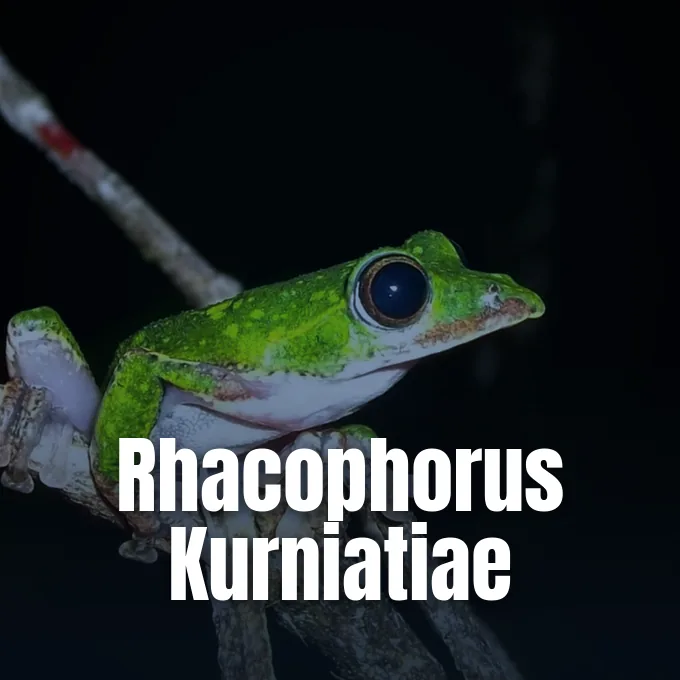
Biologists surveying the steep mountain forests of Sulawesi have identified Rhacophorus kurniatiae, a new species of Asian flying frog that departs from its closest relatives through an unusual reproductive strategy. While related tree-dwelling frogs build foamy masses to protect developing eggs, this newly described amphibian deposits clutches inside a clear, irregular gel matrix hanging from vegetation over water. Field surveys led by Indonesian and American institutions tracked the animal around isolated high-altitude waters in Southeast Sulawesi, documenting a distinctive lineage within the family Rhacophoridae [1].
Night Encounters at Danau Coca-Cola
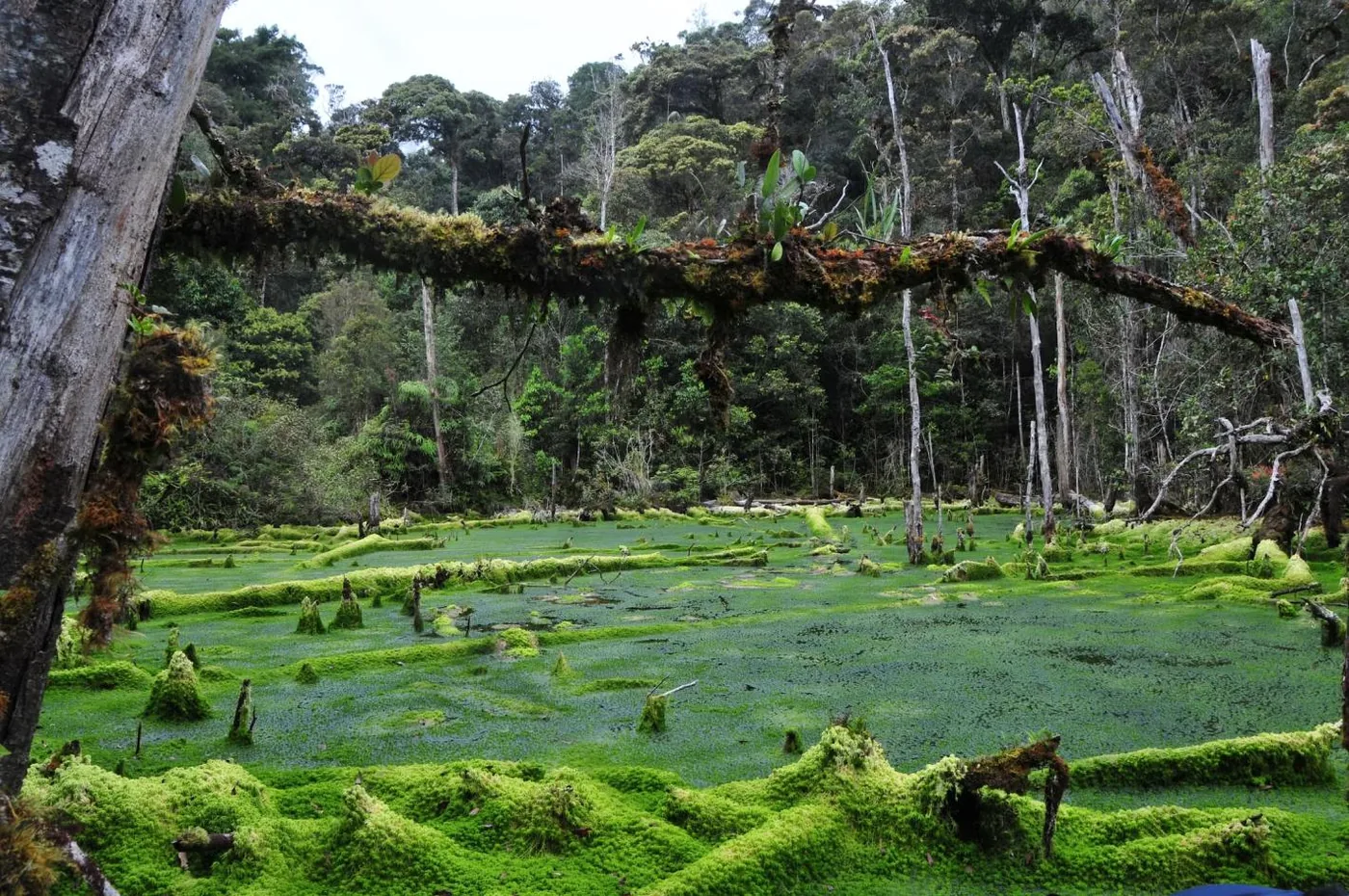
The discovery took place in the rugged Mekongga Mountains of Southeast Sulawesi, where field biologists climbed steep ridges toward a secluded body of water known locally as Danau Coca-Cola. Situated more than 6,100 feet (about 1,860 meters) above sea level, the seasonal mountain lake provided a wet retreat ringed by ancient equatorial rainforests. Alan Hitch, a research affiliate with the UC Davis Museum of Wildlife and Fish Biology, recalled arriving at the site after strenuous hikes through thick undergrowth: “We were moving up the mountain, and we came across this big pond covered in these green frogs. They were all over. You don’t really see frogs in big congregations like that. This was something super special” [2].
Between 2009 and 2013, collaborative expedition teams from the Museum Zoologicum Bogoriense and the University of California, Davis waded through rivers and camped in lightning storms to survey mountain wildlife. Sulawesi sits on the equator. Around the lake, thousands of green frogs gathered to call, mate, and hop between low branches [3].
How Rhacophorus Kurniatiae Glides
Members of the genus Rhacophorus, commonly known as Asian flying frogs, inhabit canopies across South and East Asia, from India and southern China to the Greater Sunda Islands. The frogs do not truly fly. Instead, arboreal adults use enlarged, fully webbed hands and feet as aerodynamic parachutes to slow their fall and steer through the air when leaping between tall trees. Flaps of skin along the limbs and slender body contours further help stabilize these controlled glides, letting the amphibians travel between canopy perches without dropping to the forest floor [4].
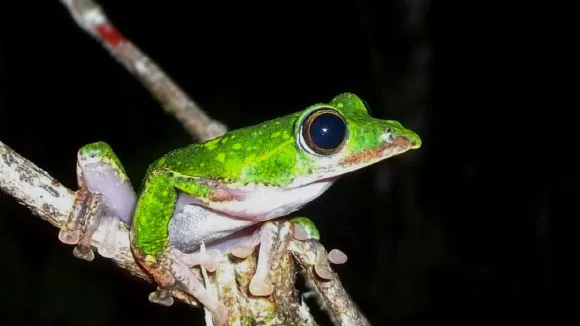
Adults of Rhacophorus kurniatiae are small enough to perch on a person’s cheek. Their bodies display pointed snouts, large eyes, and bright green skin that blends into wet leaves. Large webbed digits immediately showed researchers that the animals belonged to the flying frog group [2].
Canopy life in high mountain zones brings exposure to shifting winds and cold night air. By spreading their broad, webbed toes, the frogs glide past branches to reach breeding pools. Field notes show that adults stay in the trees for most of the year, descending toward the water only when seasonal rains prompt mass mating events on low shrubs [1].
Gelatinous Egg Deposition
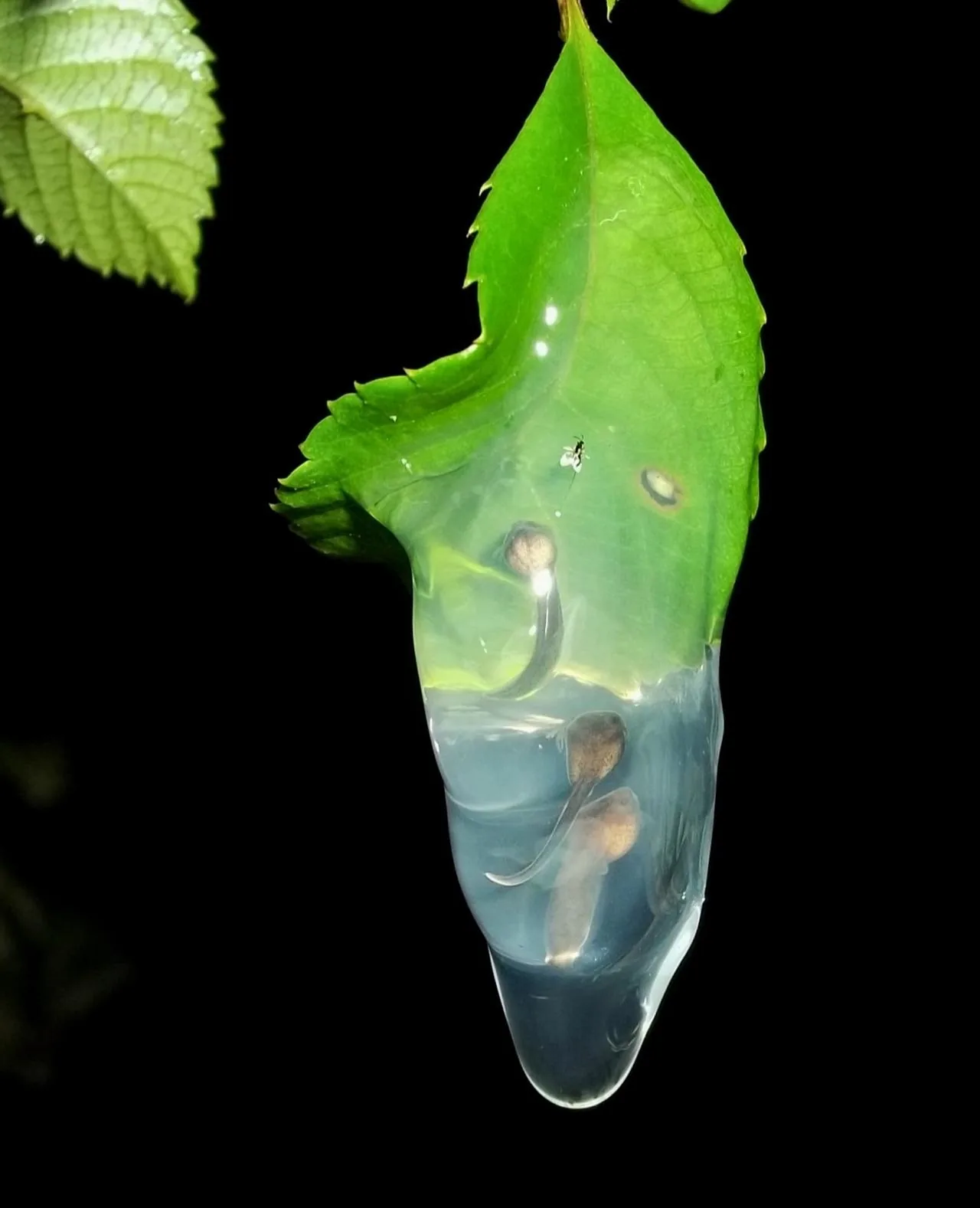
The most notable departure from typical tree frog biology appears in the way the newly identified species reproduces. Most members of the family Rhacophoridae build protective foam nests, beating oviduct fluids into frothy white masses that keep clutches wet until larvae hatch. In contrast, this mountain species deposits its eggs in a cohesive, irregular gelatinous matrix. The clear jelly blob hangs from leaves over the water, lacking any foam bubbles or strict choice of plant surface [4].
Alamsyah Elang Nusa Herlambang, a co-author from the Museum Zoologicum Bogoriense, described the egg-laying pattern: “Rhacophorus kurniatiae has a different reproductive strategy from all other Asian flying frogs. It’s the first time we have seen Rhacophorus with gelatinous matrix for its reproduction strategy. It’s unique.” After several weeks, tadpoles wriggle inside the jelly [3].
Why did this mountain frog abandon the standard foam nest shared by its close relatives? Field evidence suggests the change relates to the shifting water levels of high mountain pools: “This distinct reproductive mode may reflect ecological adaptation to ephemeral aquatic habitats and suggests a transitional or derived state within the genus.” Because water in Danau Coca-Cola rises and falls with rain, laying eggs in a thick gel keeps embryos from drying out when shoreline water drops below the overhanging leaves [1].

Cryptic Genetics and Physical Divergence
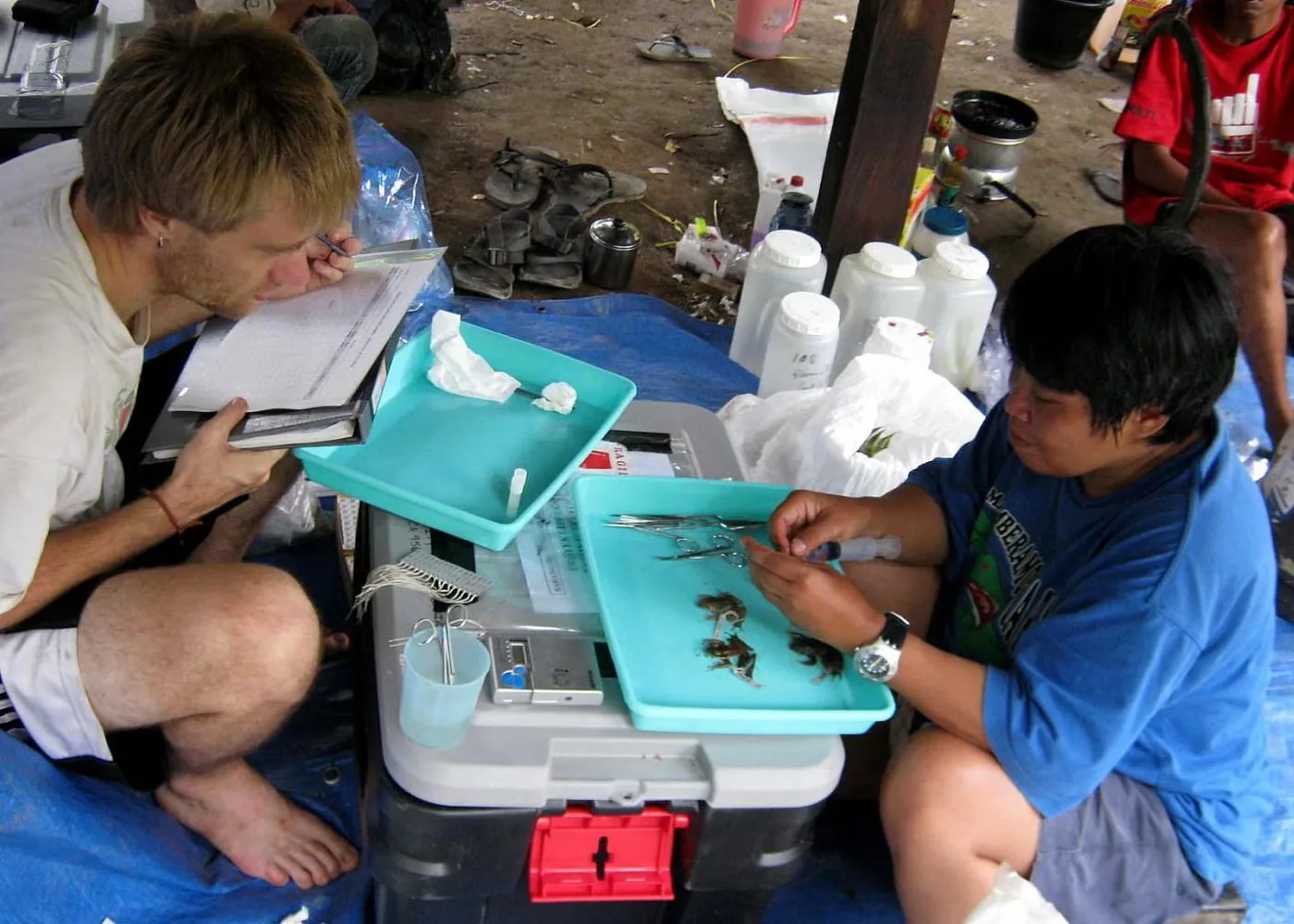
To confirm that the population was a separate species and not just a local form, the researchers carried out genetic sequencing alongside detailed physical measurements. Andrew Engilis Jr., curator of the UC Davis Museum of Wildlife and Fish Biology, explained how hard it is to detect animals that look alike on the outside: “Sometimes species can look the same, but their behavior is different and their genetics are different—these are called cryptic species. This frog is an example of that. It looks very similar to other Rhacophorus, but its genetics and behavior show that it’s very distinctive” [2].
The research team examined 28 physical traits across collected frogs, comparing limb lengths, snout angles, and web shape. Bioacoustic tests showed that the mating calls of the population differed in pitch from neighboring groups. Genetically, the species is closest to Rhacophorus boeadii, though the divergence between them is minimal [1].
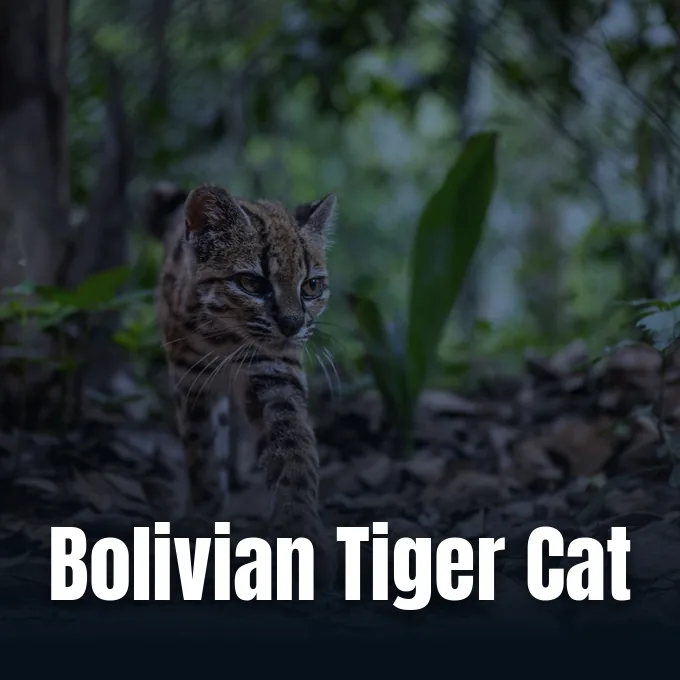
Finding cryptic amphibians shares common ground with wider surveys seeking overlooked animals in remote habitats. Field teams in high Indonesian ranges previously tracked an egg-laying mammal rediscovered after six decades of absence from formal records. Similar expeditions in cloud forests have also identified new carnivores, such as a new cat species in the Yungas cloud forest of South America. In each case, combining genetic tools with direct field observation helped biologists uncover lineages that body shape alone could not separate.
Naming Rhacophorus Kurniatiae
The scientific name of the frog carries personal and professional meaning for the team. Biologists named the animal after Hellen Kurniati, a respected Indonesian herpetologist who died in 2024 after spending her career studying the reptiles and amphibians of the country. Kurniati took part in the early Mekongga trips and helped gather the first specimens of the frog. “She had a heart of gold, and I think that’s part of what drove her to do such great work,” Alan Hitch said [3].
At the Museum Zoologicum Bogoriense, Kurniati guided younger researchers and built careful standards for field collections. Her work reached across remote islands, identifying rare species and urging forest protection. Naming Rhacophorus kurniatiae after her ensures her field legacy stays tied to the frogs she spent years studying [2].
Mekongga Conservation Outlook
The high ridges of the Mekongga range hold many animals found nowhere else. During their multi-year surveys, the researchers also found a second new frog species, freshwater fish with lanky snouts, worms with whip-like tails, and Cyrtodactylus hitchi (a gecko with bent finger toes). Because many of these species live only around one mountain ridge or stream, forest clearing could wipe them out quickly [3].
Finding so many unrecorded animals has led to fresh efforts to protect the mountain habitats of Sulawesi. As a direct result of the survey work, Indonesian authorities are now considering the Mekongga region for national park status. Andrew Engilis Jr. pointed out that taxonomic work supports conservation: “When you’re a conservation biologist, your ultimate goal is conserving biodiversity.” In their paper in Zootaxa, the authors urged broader protection for high-altitude wildlife facing human encroachment: “The discovery of the new species reveals further unstudied lineage diversification within Sulawesi’s montane amphibian fauna, and underscores the urgency of targeted surveys in montane regions increasingly threatened by anthropogenic pressures” [1].
- ACADEMIC JOURNAL Trilaksono, W., Racho, A., Engilis, A., Hitch, A. T., & Herlambang, A. E. N. (2026). Montane endemism and cryptic diversity in Sulawesi: A new species of flying frog with derived breeding traits. Zootaxa, 5900(4), 349-370. [Article Link]
- ONLINE NEWS Nield, D. (2026). New species of flying frog discovered in Indonesia. Nautilus. [Article Link]
- ONLINE NEWS Milton, J. (2026). Tiny new species of flying frog that lays eggs in goo found living in mountains. Metro. [Article Link]
- ONLINE NEWS Anderson, N. (2026). Scientists discover new flying frog species that lays eggs in gel. Sci.News. [Article Link]
APA 7: PerEXP Teamworks. (2026, November 23). Sulawesi Canopy Frogs Reveal Novel Rhacophorus Kurniatiae. PerEXP Teamworks. https://perexpteamworks.com/en/rhacophorus-kurniatiae-flying-frog-indonesia/


