





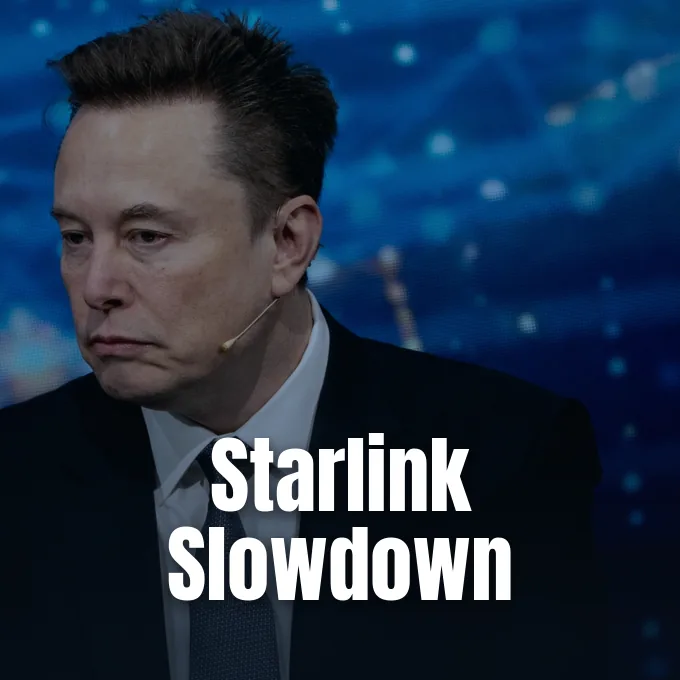
SpaceX chief Elon Musk ordered a speed cap on military Starlink dishes in Ukraine, as first reported by The Wall Street Journal [1]. The step cut off connections for fast strike and defense drones, so Ukrainian troops could not halt Russian air attacks against military positions [2]. The resulting Starlink slowdown triggered panic in Kyiv and confusion across Washington, especially after Musk claimed that all rules on the military Starshield fleet come from the United States government [3].
Origins of the Starlink Slowdown
The choice to cap dish speeds came after both Musk and Donald Trump spoke against Ukrainian drone attacks on Russian diesel fuel refineries. Citing informed defense aides and sources close to the situation, The Wall Street Journal reported that Musk made the final call to restrict the hardware. The limits took effect on October 14, after Musk ordered the Starlink slowdown because he grew angry about Ukrainian long-range strikes damaging Russian oil assets and fuel depots. By cutting data access for fast-moving receivers, the rule blinded Ukrainian air assault units and left ground forces without aerial reconnaissance during critical combat operations [1].
The rules focused on Starshield, a military branch of the SpaceX satellite fleet designed for government operations. The military Starshield system uses hardened communication bands built specifically for allied security forces. Ukrainian leaders said the network disruption disabled guard drones and long-range strike weapons, which left cities like Kyiv open to incoming Russian cruise and ballistic missiles. Musk maintained that private SpaceX tools are reserved for civilian defense, arguing that offensive strikes conducted by commercial companies violate core operational principles [3].
Earlier reports from Reuters suggested the White House gave the order, but reporters uncovered confusion inside presidential offices as sources told the Journal that Musk acted alone [1]. Ukrainian commanders in Kyiv received no advance warning before their satellite bandwidth dropped [3].

How the 99-Mph Velocity Limit Works
The network applied speed caps based strictly on how fast an individual dish moved across the ground. Michael Kofman, a defense expert at the Carnegie Endowment for International Peace, told the Journal that the network cut links for any terminal traveling faster than 99 miles per hour. That specific threshold allowed stationary command posts and slow ground trucks to stay online, while shutting off high-speed aerial strike drones during rapid flight maneuvers [2].
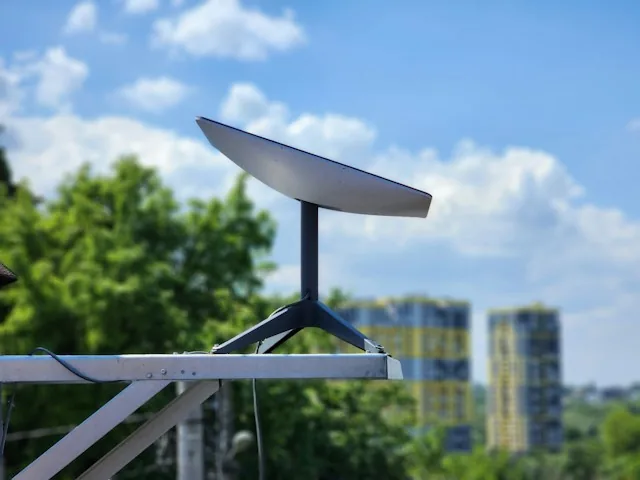
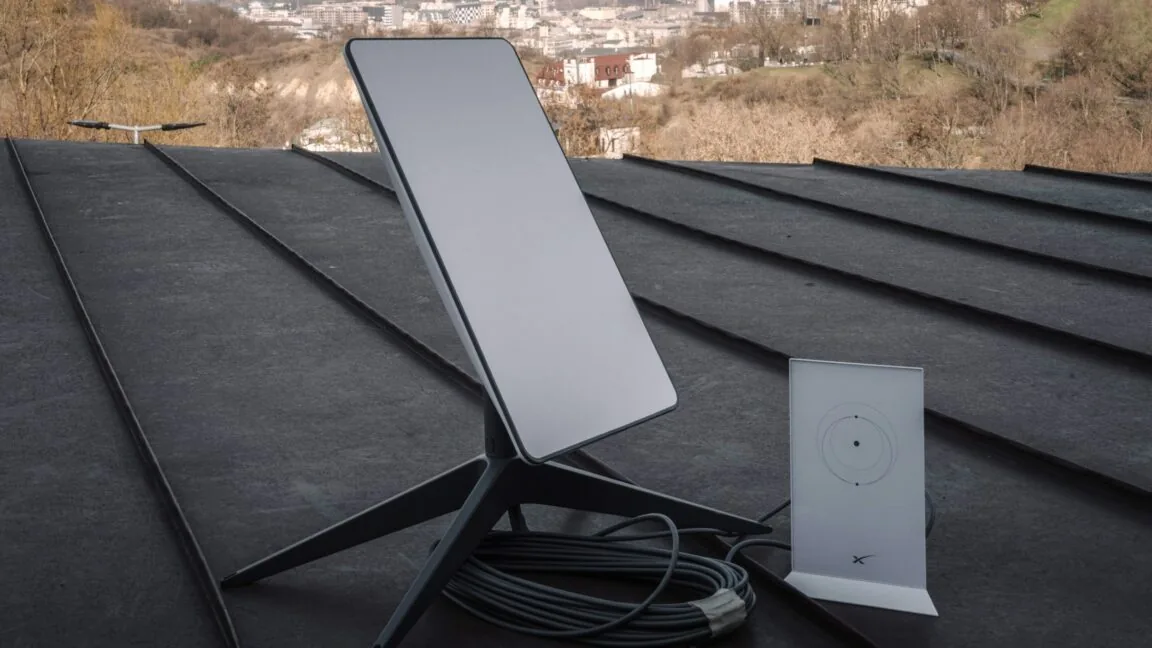
Keeping a steady broadband link with satellites in low Earth orbit needs constant math from ground hardware because orbiting spacecraft circle the planet at thousands of miles per hour. To maintain connectivity, every Starlink dish must calculate its own exact geographical position on Earth using built-in GPS receiver hardware. Each dish sends its coordinates and speed back to SpaceX control servers on a near-real-time basis, enabling software rules that cut data links whenever a receiver moves faster than an ordinary passenger car on a highway. When an aerial drone speeds up to strike, its satellite link shuts down mid-flight [2].
Ukrainian strike craft carrying Starlink gear lost contact mid-flight the moment they sped past the cap, so pilots on the ground lost live video feeds and could not transmit steering controls to guide drones toward Russian targets. Without functioning satellite guidance, interceptor craft crashed into open fields and high-speed attack drones drifted uselessly away from intended military objectives [1].


Disputes Between the Pentagon and Musk
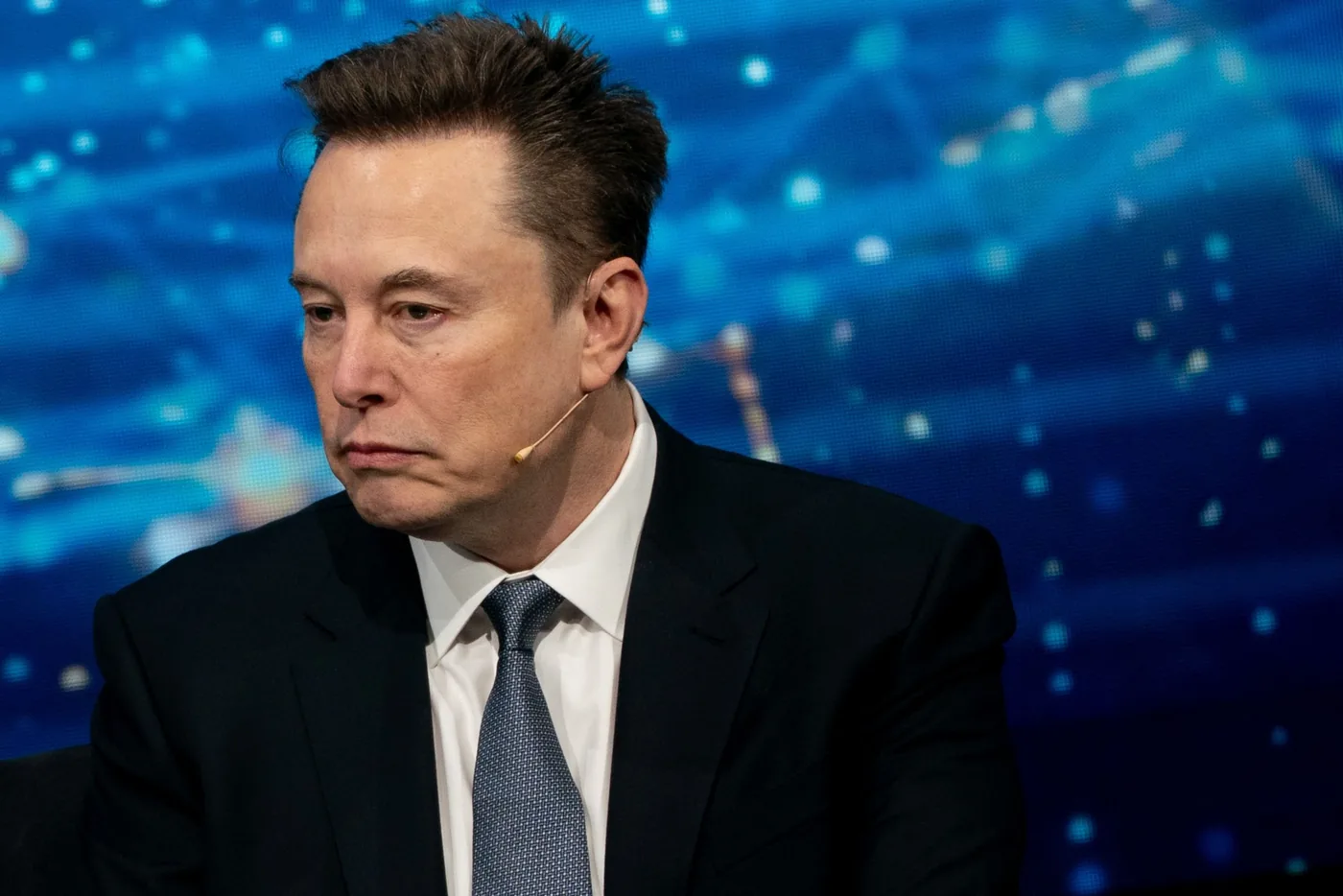
The decision sparked an open clash between SpaceX, the Pentagon, and the White House over who gave the command [2]. Musk tried to place the blame on federal defense leaders in Washington [1]. Writing on X last Wednesday, Musk stated that Starshield units answer directly to the federal state. “Starshield systems are owned and controlled by the U.S. government. Any limits on speed or usage are decided by the US military and ultimately POTUS,” Musk wrote in a post on X [3]. Musk added that standard Starlink commercial service can’t serve offensive military missions, even though SpaceX previously signed defense contracts with the Pentagon for secure satellite hardware [2].
Defense leaders in Washington denied giving any order to throttle Ukrainian satellite dishes. Secretary of Defense Pete Hegseth spoke to reporters on Tuesday, stating, “We haven’t made any directives or anything like that” regarding the Ukrainian terminal slowdown [2]. Trump also distanced himself from the Starlink slowdown while speaking outside the White House on Friday, telling journalists that neither he nor Musk authorized the restrictions on Ukrainian equipment. “I don’t know if it was anybody, because it wasn’t me and I don’t think it was Elon,” Trump said [3].
Musk had talked with Trump administration aides before setting the cap, yet senior officials inside the White House denied knowing about the plan before the speed limit took effect across Ukraine [3]. The conflicting explanations left Ukrainian commanders and American defense officials guessing about who controlled essential battlefield communication networks [1].
Impact of the Starlink Slowdown in Kyiv
In Kyiv, Ukrainian President Volodymyr Zelensky voiced deep alarm over the Starlink slowdown, stating that the cutoff damaged frontline defense operations and exposed Ukrainian cities to Russian missile and drone strikes. Kyiv officials confirmed that multiple drone intercept units lost their live links during heavy Russian aerial bombardments last week. Zelensky placed blame on both the United States government and SpaceX. “The message came from government. I don’t know from whom, what cabinet, and et cetera,” Zelensky said to reporters, adding that “technically, SpaceX did it” [3].
The loss of connectivity hit Ukrainian drone wings at a sensitive moment in the war [3]. Assault teams had expanded long-range missions, hitting enemy logistics after earlier strikes where Ukraine drones strike Russia to disrupt supply chains, but the sudden satellite blackout forced units to ground their aircraft [1]. Secretary of State Marco Rubio called the deaths of Ukrainians from denied technology “scandalous,” though Rubio told reporters that the blackout was a “technical matter” rather than a formal directive issued by Washington [3].
Ukrainian defense units had integrated thousands of Starlink terminals into frontline formations, making the sudden October 14 rule a severe operational challenge for combat commanders in Kyiv. Frontline engineers struggled to reconfigure drone navigation systems while Russian forces continued launching air attacks [3].
Diplomatic Fallout and Russian Fuel Accusations
The satellite dispute quickly merged with wider diplomatic arguments surrounding American foreign policy and Russian energy markets. Trump drew heavy public criticism for attacking Zelensky while negotiating an agreement with Russian president Vladimir Putin to import Russian diesel fuel into the United States despite ongoing international sanctions against Moscow [3]. Both Trump and Musk had previously voiced strong objections to Ukrainian drone attacks on Russian diesel refineries, claiming that striking fuel plants damaged global energy stability and escalated the conflict. Ukrainian defense officials viewed the timing of the Starlink slowdown as political pressure intended to force Kyiv into halting drone strikes against Russian oil and diesel infrastructure [1]. Leaders in Kyiv viewed the diesel trade talks between Trump and Putin with profound alarm [3].
Major news organizations described the dual developments as a sharp foreign policy shift. The Atlantic described the combination of satellite limits and Russian fuel deals as a “staggering one-two punch” against Ukrainian defense efforts. The New York Times reported that Trump had “gone so far in putting Russia’s interests ahead of Ukraine’s security” by criticizing Kyiv’s defensive military operations [3].
The dispute demonstrated the acute hazards facing nations that rely on private technology vendors for critical military communications during high-intensity armed conflict [1]. When a commercial provider retains unilateral control over satellite connectivity, strategic battlefield rules can shift overnight without formal notification from defense ministries or allied governments [2]. For Ukraine, finding alternative satellite communication providers remains an essential priority as frontline battles against Russian forces continue across the eastern front [1].
- ONLINE NEWS Ars Technica. (2026, October). Report: Musk ordered Starlink slowdown in Ukraine, then blamed it on Trump. Ars Technica. [Article Link]
- ONLINE NEWS England, J. (2026, October 21). Elon Musk reportedly throttled Starlink for Ukraine’s drones — here’s how. Tom’s Guide. [Article Link]
- ONLINE NEWS Farrell, J. (2026, October 20). Elon Musk throttled Starlink in embattled Ukraine. SiliconANGLE. [Article Link]


2 comments