





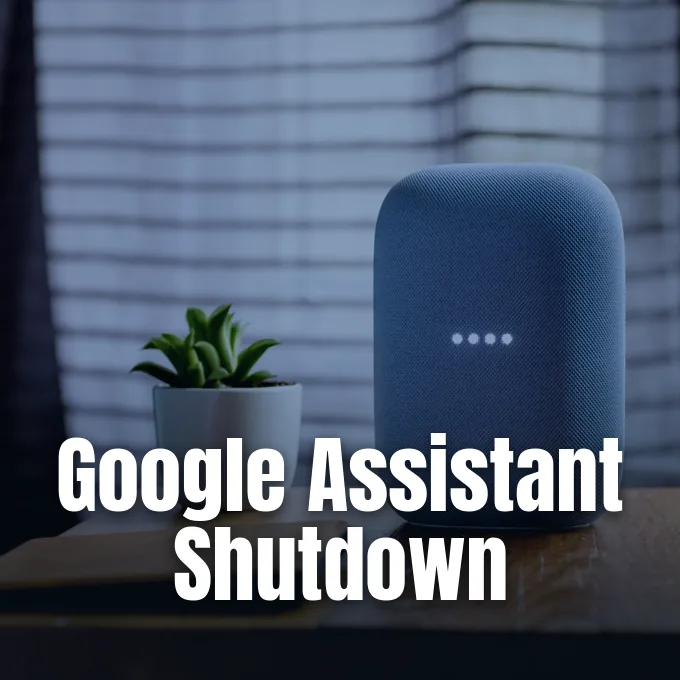
Google announced on November 20, 2026, that it will retire Google Assistant across connected speakers and smart screens on August 2, 2027 [2]. The planned Google Assistant shutdown continues the shift toward the Gemini for Home voice platform across all connected hardware [1]. As part of this broader software consolidation, Google will also retire the standalone Nest app on January 25, 2027, moving device controls into the main Google Home application [3]. Company data deletions for legacy Nest accounts will begin two months later on March 25, 2027 [2].
Why the Google Assistant Shutdown Takes Until 2027
Google shared the official dates on its Home and Nest forums, setting a definitive end for legacy voice services while preparing users for newer cloud software. Smart speakers and smart displays have allowed users to test Gemini optionally since late 2025, but the voice setup becomes mandatory once the August 2, 2027 deadline arrives [1]. The move follows Google deprecating Assistant on Android phones in September 2026 [3]. Google calls this unified ecosystem its “One Voice Experience”. The official Google Assistant shutdown timeline establishes a clear schedule for hardware owners [1].
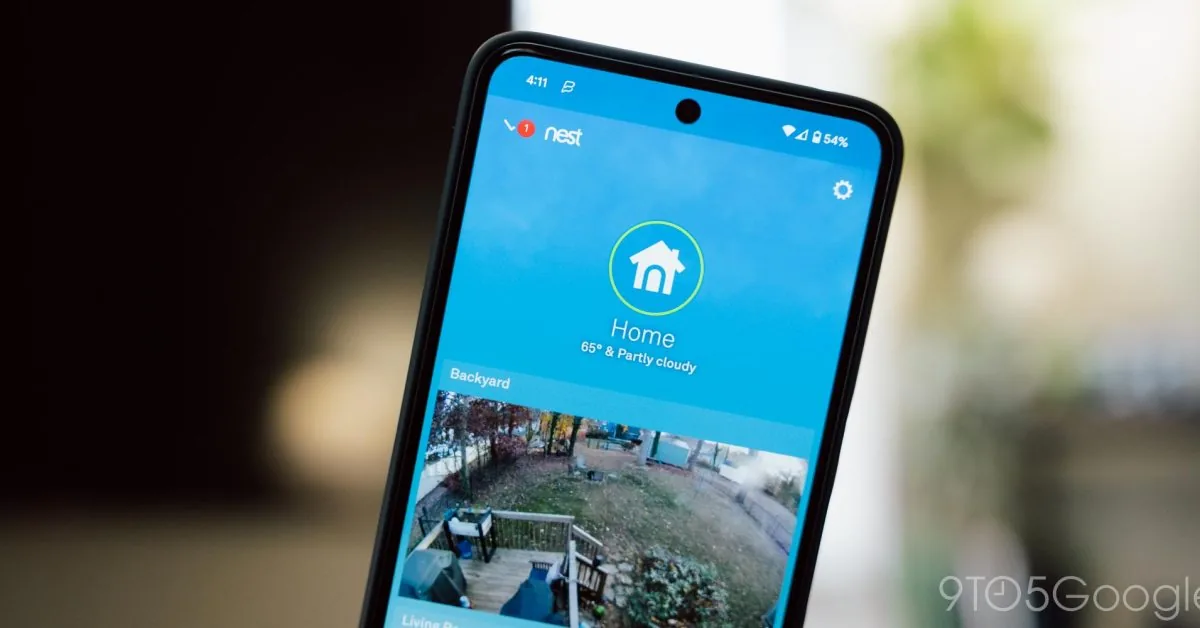
The earlier step in the schedule occurs at the start of 2027, when the Nest app stops functioning on Android, iOS, and the web on January 25, 2027 [3]. Users who rely on home.nest.com will lose browser access on that date. While camera streams and daily system settings migrate into the Google Home app, custom video clips stored on the old platform will not transfer automatically. Google provided a one-click “Download All” button so account holders can save their footage before the company begins deleting Nest account data on March 25, 2027. Customers who don’t back up custom clips before that March cutoff will permanently lose those stored files [2].
Droid Life editor Kellen said that the long-expected change has now turned into a firm schedule on user calendars [4]. Google will publish further setup details before the August deadline [2]. The company wants users to begin migrating voice routines early. Users can switch now [4].
Nest App Retirement and Data Transfers
Google Home requires Google Account credentials for all users. By bringing every connected household device under a single mobile application, Google intends to focus all of its engineering resources, security patches, and feature updates in one modern interface. The migration covers Nest cameras, video doorbells, the Nest x Yale Lock, and second-generation Nest Protect smoke alarms. Existing temperature schedules transfer automatically without resets [3].
Earlier reporting on how Google details Nest thermostat energy savings for the Home app showed the company shifting its focus toward centralizing connected hardware controls. Nest thermostat owners will keep full temperature schedules within Google Home, and Google confirmed that no Nest hardware models will lose operational support during the app transition. Subscription plans will also migrate smoothly for long-time customers. First-generation Nest Aware subscriptions will switch automatically to Google Home Premium at no extra cost, requiring no credit card re-entry. Account holders keep their current coverage without paying higher rates or reconfiguring payment details [3].
9to5Google reporter Abner Li explained that moving to Google Home brings Nest devices beyond mobile phones to new surfaces like smartwatches, smart displays, and the Home Panel on Android devices. Widgets on Android and iOS provide fast controls on mobile screens. Controls connect with thousands of Matter devices [3].

New Features in Gemini for Home
Google designed Gemini for Home to replace static voice commands with conversational speech processing, allowing household members to control smart speakers without memorizing exact phrasing or rigid command structures [3]. Gemini understands normal, everyday language instead of commands [2]. The underlying voice model parses requests even when someone hesitates, pauses, or changes their mind mid-sentence, preventing the frustrating misheard command errors that frequently interrupted older smart speaker setups. Conversations flow without rigid verbal triggers [3].
Beyond basic appliance controls, Gemini for Home uses real-world knowledge to deliver detailed answers to complex multi-step questions, going far beyond the brief factual snippets offered by legacy voice assistants. The software tracks context across continuous exchanges. When someone asks about current room temperature and then asks to cool things down, Gemini links both requests together without needing device names or room locations repeated in the second prompt. Household voice interactions become normal conversations rather than isolated commands [3].
The Verge reporter Jay Peters pointed out that replacing Google Assistant with Gemini follows the mobile transition Google finished earlier in the year [2]. Google plans to expand Gemini for Home to additional languages and international markets over the coming months [3]. More updates will arrive before August 2027 [1].
Hardware Impact from the Google Assistant Shutdown
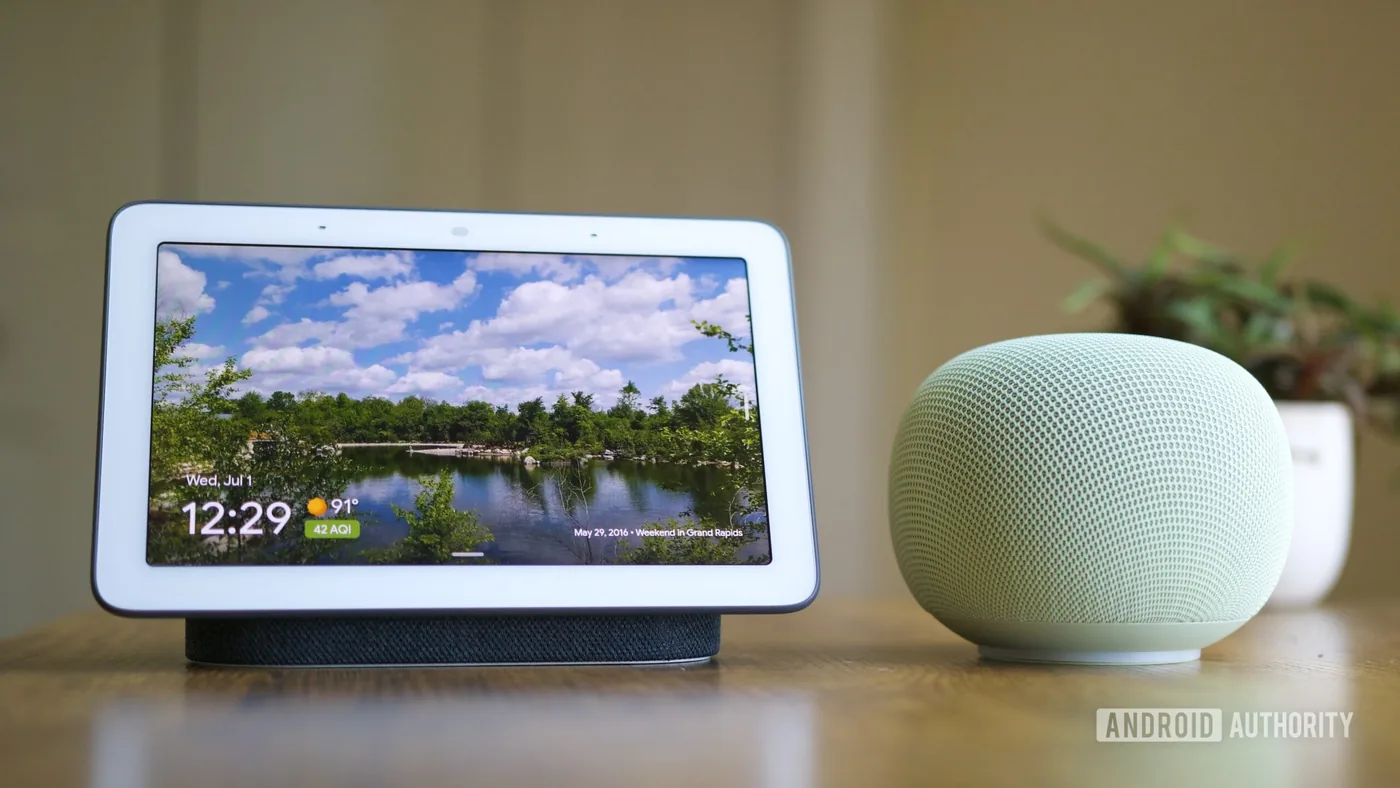
Questions about legacy speaker support naturally surfaced as Google outlined the full Google Assistant shutdown across connected products. On its community support forums, Google stated that Gemini will be “available across all devices,” indicating broad compatibility for existing Google Home speakers and Nest Hub smart displays. Stephen Schenck observed for Android Authority that older hardware might encounter performance hurdles as the voice software switches to an intensive AI architecture. Google stated that it will share more technical details with hardware owners before the August 2027 Google Assistant retirement deadline arrives. The company wants to ensure smooth voice performance across different hardware generations [1].
Third-party speakers also face this voice transition. In a public Reddit reply, Google confirmed that external hardware like Sonos devices will be eligible to upgrade to the Gemini voice assistant in the future as rollouts expand. Google promised to publish regular updates regarding compatible brands [1].
While some smart home enthusiasts investigated alternative paths where Google Home users shift voice control to Home Assistant, Google is working to retain its hardware base by smoothing the cloud migration. Rebuilt camera streaming and faster timeline loading in the Google Home app aim to keep camera viewing smooth during the transition. Nest devices also automatically appear on the customizable Favorites tab for faster access. Google wants this centralized dashboard to pair smoothly with thousands of Matter smart home devices [3].
How to Switch to Gemini Today
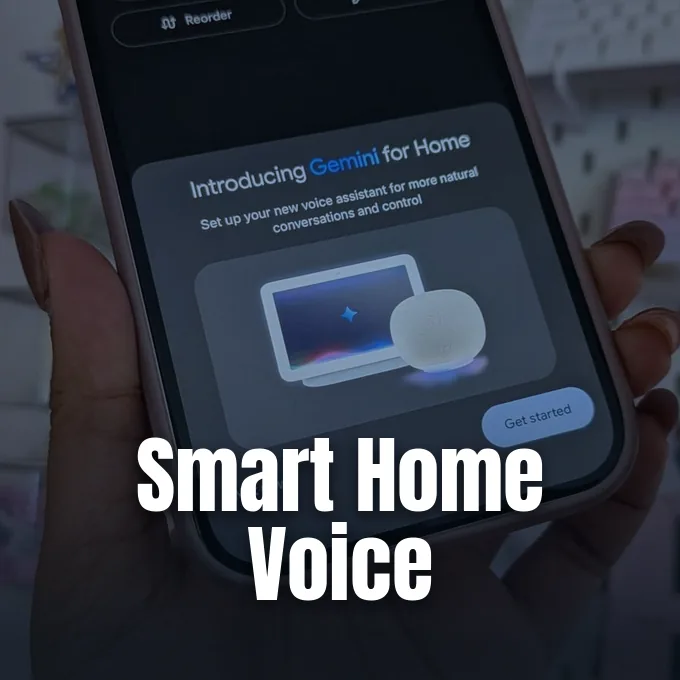
Smart home owners don’t need to wait until August 2, 2027, to test the new voice controls on their hardware [1]. Google already permits users to activate Gemini for Home through the Google Home mobile application on Android and iOS. To begin the setup on a phone, open the latest app version, tap the profile icon in the top right corner, and select Home Settings. The menu opens right away [3].
After opening Home Settings, users simply tap “Get Started” on the “Set up Gemini for Home” banner to begin voice enrollment [3]. People can also start the voice upgrade from a computer browser by visiting home.google.com/gemini on the web. This browser portal links eligible smart displays and speakers directly to the Gemini voice engine without requiring phone configuration. The web setup takes only a few minutes to complete. Once enabled, the assistant responds to spoken requests through connected Google Home and Nest gear throughout the house. Early adopters can test conversational commands and verify routine responsiveness ahead of the mandatory switch [1].
Preparing for the Google Assistant shutdown early lets households adapt to conversational voice control well before the 2027 deadlines arrive [4]. Users can confirm that daily heating schedules, Nest Thermostat settings, and Matter accessories respond properly to Gemini [3]. Transitioning devices to Google Home now helps smart home routines run without interruption. The upgrade requires no added hardware [4].
- ONLINE NEWS Schenck, S. (2026, November 20). Google Assistant will stop working on smart speakers and displays in August 2027. Android Authority. [Article Link]
- ONLINE NEWS Peters, J. (2026, November 20). Google says it’s going to shut off Google Assistant on smart speakers next year. The Verge. [Article Link]
- ONLINE NEWS Li, A. (2026, November 20). Google retiring Nest app and Google Assistant on speakers, displays in 2027. 9to5Google. [Article Link]
- ONLINE NEWS Kellen. (2026, November 20). Google officially killing off Nest app and Google Assistant on home devices. Droid Life. [Article Link]


