






Google data centers in Finland faced regulatory halts in October 2026 after local developer Tuike Finland Oy cut down roughly 1,300 acres of boreal woodland without permit approval [1]. The rapid forest felling stripped ground near Muhos and Otanmäki down to mud and tree stumps, leaving native wildlife without shelter and pushing displaced packs of wolves into nearby villages [2]. State regulators ordered the company to stop cutting at once while rural residents voiced growing anger over safety risks and ruined habitats [1].
Forest Felling Around Muhos and Otanmäki
The logging operations hit two separate tracts in northern Finland. Near Muhos, work teams stripped 816 acres of pine woods into an open field of mud before inspectors stepped in. A second clearing leveled roughly 500 acres about 55 miles southeast of the village of Otanmäki, near Kajaani [2].
Reporters visiting the northern felling zones described muddy fields where heavy treads tore through wet subsoil [1]. In Muhos and nearby rural settlements, local families reported constant factory noise, diesel rumblings, and brown runoff that discolored small forest streams that feed local water supplies. In addition, local bird watchers warned that rare birds abandoned nesting trees after heavy machines leveled whole canopies within days. The disruption spread fast across the watershed as autumn rains washed loose sediment into nearby waterways [2].
What had long been a quiet belt of northern taiga quickly turned into an expanse of stumps and muddy ridges [1]. The felling moved ahead because contractors worked through autumn weeks to clear ground for electrical systems and server foundations [2]. Instead of waiting for official approval from state inspectors, crews stripped the forest floor, leaving rural communities to face the fallout. When heavy equipment cut down 1,300 acres of woodland without local consent, it shattered decades of careful forest management and left local hunting grounds in ruins. Contractors bulldozed tree lines right up to parish roads, giving villagers little warning before diesel engines began felling tall pines outside their bedroom windows [1].
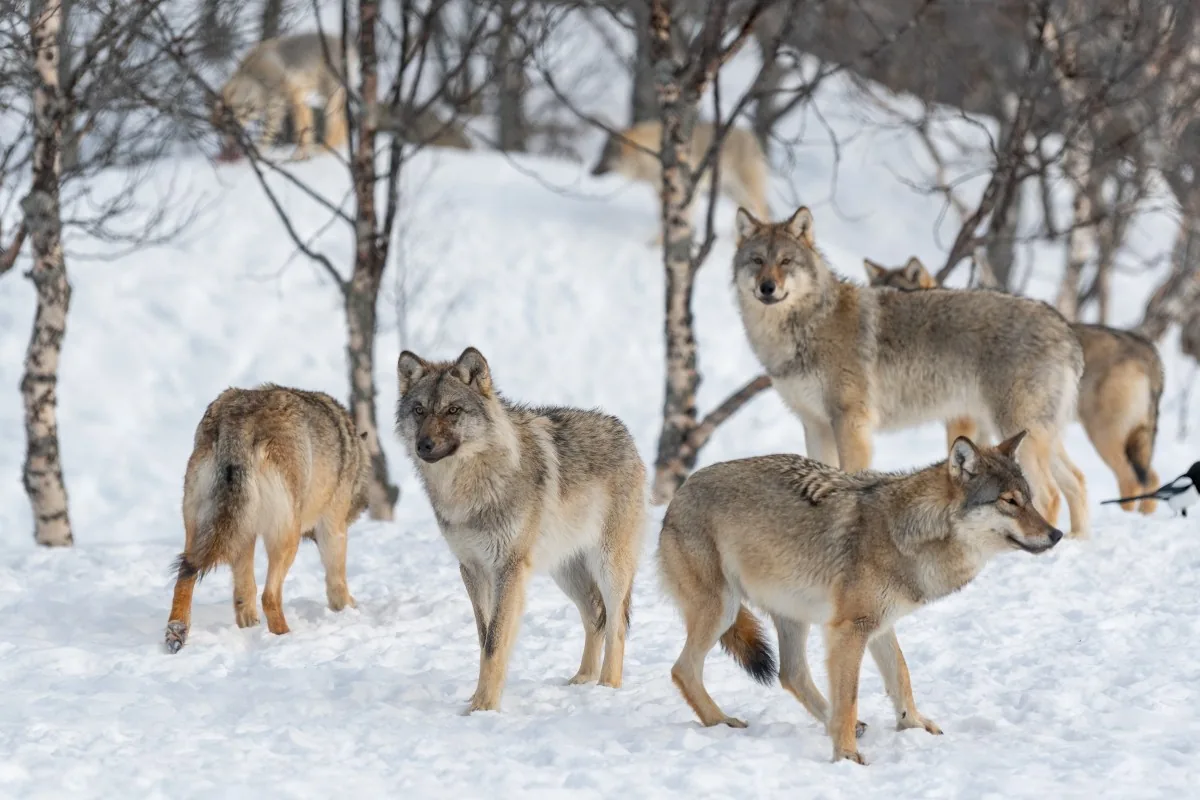
Displaced Wolf Packs Near Google Data Centers
The loss of tree cover quickly drove native wildlife out of the cleared areas [1]. In Finland, a single wolf pack typically maintains a hunting territory ranging from 173,000 to 297,000 acres, or about 700 to 1,200 square kilometers (a vast woodland expanse necessary to catch elk and deer) [2]. When bulldozers cleared the forest near Otanmäki, prey animals fled into distant woodlands, forcing resident wolves to hunt closer to human homes [1].
Sightings in residential lanes prompted fear among villagers who had lived peacefully near the boreal woods for decades [2]. “We had wolves coming into the village because all the wild animals moved out of the forest,” 53-year-old Otanmäki resident Anni Ranta told The Guardian. “They fled.” [1]
Ranta explained that her family has called Otanmäki home for generations, but having apex predators roam past front gates has made her consider moving away for good. She was blunt about how the tech expansion disrupted northern life: “I don’t want them here,” she told The Guardian. “I don’t want them in Finland at all. I don’t like the whole idea of AI and the world changing and the way it’s changing. It’s going too fast, too soon.” Local anger grew because the wolf incursions were not a normal seasonal shift, but the direct consequence of clearing vast woodlands for Google data centers [1]. For many rural families, the arrival of Silicon Valley server compounds has turned safe village lanes into risky paths where children and pets cannot wander alone [2].


State Regulatory Halts and Formal Apologies
State authorities stepped in once reports of unauthorized logging reached environmental inspectors earlier in October [1]. The Finnish Licensing and Supervision Authority (LVV) issued an official stop-work order directing Google and its contractors to halt site work in Muhos and Kajaani near Otanmäki [2]. Officials gave the developer one week to draft an explanatory report [1].
Conservation groups responded with sharp condemnation of the developer’s conduct. A representative of the Finnish Association for Nature Conservation (SLL) told The Guardian that Google’s flouting of environmental policy had been “unprecedented and clear” [2]. In Muhos, resident Antti Jakonen expressed similar disgust with how the project bypassed community norms: “It has been done in the wrong way. American style. No sense. No sense at all,” he said [1].
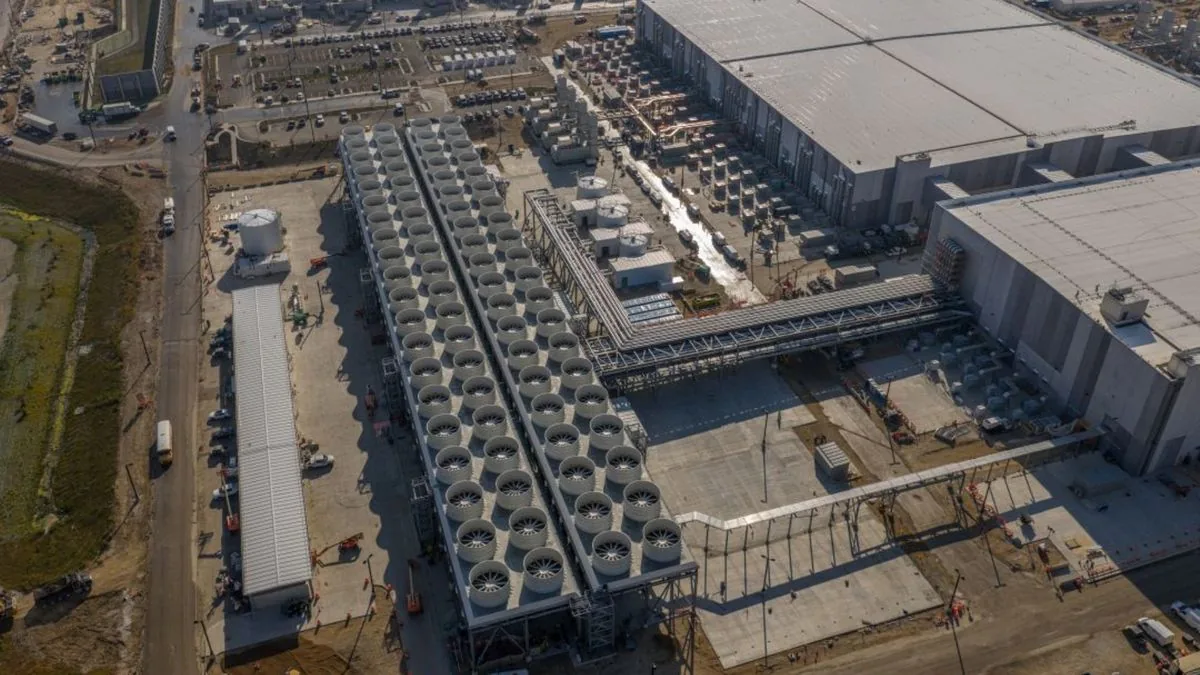
Facing mounting public pressure, Google’s Finland country manager issued an apology for the unauthorized tree clearing near Muhos. A Google spokesperson said the company would cooperate with state inspectors: “We will fully comply with LVV’s requests in this matter,” the spokesperson said. “We look forward to maintaining an active, open dialogue with all authorities to strengthen our partnership with Finland and local organizations.” [2] Yet local residents remain skeptical about whether company promises will restore damaged ground and bring back displaced wildlife [1]. The friction comes as tech giants expand their presence in the country, following the earlier Google Finland investment intended to secure clean power supplies for heavy server facilities. Regulators must now decide whether financial penalties or mandatory replanting orders will follow the unauthorized logging [2].
Land Clearings for Google Data Centers Abroad
The environmental confrontation in Finland fits a wider pattern of resource friction tied to generative artificial intelligence. In Google’s home country, data center developers often clash with conservationists over forests, water, and power grids. In West Virginia, a grove of critically endangered Chestnut trees faces destruction to make way for a new hyperscale facility planned by Anthropic. The rush to deploy artificial intelligence hardware has led builders to prioritize speed over long-term ecological balance [1].
Similar habitat damage has hit other parts of the United States. Outside Fort Wayne, Indiana, construction teams tilled a large section of once-bountiful wetlands to prepare ground for a new Google facility. The loss of wetlands removed vital flood buffers and destroyed breeding pools for native waterfowl and amphibians [1].
In Southern New Jersey, state environmental regulators imposed a $1 million fine on a data center operator after inspectors uncovered 62 illegal gas generators belching exhaust into surrounding air. These generators had operated without clean-air permits to meet electric demand that local utility grids could not handle [1]. In Mount Pleasant, Wisconsin, a large Microsoft data center project drew public opposition over land use, water demands, and infrastructure spending [2]. When tech firms move into quiet rural areas, the scale of dirt removal and resource consumption often catches local town councils by surprise. As data center demand climbs, rural communities are questioning whether promised economic gains can justify the loss of local ecosystems [1].
Village Safety and Regional Security Worries
Back in Finland, the top priority for rural families is human safety in the face of displaced wolf packs. Wolves venturing into yards near Otanmäki and Muhos present real hazards for small children waiting for school buses and pets left outdoors [2]. Parents have had to alter daily routines, keeping watch over driveways that once felt completely secure [1]. Local hunters have monitored wolf tracks around village perimeters, but resolving the problem is difficult because the cleared forest cannot offer prey [2].
Along with wildlife concerns, Finnish residents must cope with industrial noise and runoff from heavy equipment. Construction traffic on narrow rural roads has damaged roadbeds and kicked up dust clouds over farmsteads. Silt and brown runoff from the cleared tracts in Muhos have entered local streams, threatening fish populations and domestic water wells [2].
Beyond local environmental damage, the project has ignited unexpected national security worries among residents. Anni Ranta voiced concerns that hosting large, American-owned tech compounds could make Finland a more tempting target for Russian aggression. Finland shares an 830-mile border with Russia, and residents worry that foreign critical infrastructure will draw hostile cyberattacks or sabotage during periods of geopolitical tension [2]. Between displaced wolves, lost forests, and defense fears, the construction of Google data centers has created lasting friction that company apologies cannot easily soothe. Local leaders and villagers continue to demand that future tech projects respect environmental laws before any further trees fall in Finland’s northern woodlands [1].
- ONLINE NEWS Wilkins, J. (2026, October 23). Wolves Descend on Finnish Villages After Google Hacked Down 1,300 Acres of Habitat to Make Room for AI Data Centers. Futurism. [Article Link]
- ONLINE NEWS Tyson, M. (2026, October 23). Wolves roam into Finnish villages after Google destroys 1,300 acres of forest for AI data centers — forest where wolf packs used to live is now an expanse of mud. Tom’s Hardware. [Article Link]


