



Modern gorilla conservation balances urgent epidemiological surveillance with unexpected demographic resilience and sophisticated cognitive discoveries across Central Africa. Both surviving species—the eastern gorilla (Gorilla beringei) and the western gorilla (Gorilla gorilla)—share a common evolutionary lineage with human ancestors dating back roughly 8 to 10 million years. While veterinarians monitor an active viral emergency in the Democratic Republic of Congo, field biologists in neighboring forests continue to document surprising social memory, dynamic hierarchies, and distinct foraging traditions among wild populations. Field observations gathered in 2026 confirm both fragile survival margins and remarkable reproductive triumphs across Central Africa [1].
- Gorilla Conservation at Crossroads Across Central Africa
- How Does Ebola Threaten Wild Gorilla Populations?
- Why Are Mountain Gorilla Twin Births Extraordinary?
- Community Patrols Advance Protecting Gorillas at Afi Mountain
- What Drives Long-Term Social Memory in Wild Gorillas?
- World Gorilla Day Highlights Primate Culture and Aging
Gorilla Conservation at Crossroads Across Central Africa
Primate survival across Central Africa presents a deeply divided trajectory according to evaluations on the IUCN Red List. The western gorilla remains classified as critically endangered throughout its remaining forest range, while the eastern gorilla is listed as endangered. Regional field evaluations reveal an uneven demographic picture where protected groups achieve stability under intensive ranger patrols while unmonitored populations suffer rapid declines. Unregulated agricultural encroachment and illegal logging steadily degrade core wilderness tracts across Central Africa, making targeted interventions decisive for ape survival [1].
Catastrophic population collapses have hit Grauer’s gorilla (Gorilla beringei graueri), an eastern subspecies endemic to the eastern Democratic Republic of Congo. This ape suffered severe demographic reductions of roughly 60% decline across unpatrolled forest reserves over the past two decades. By contrast, coordinated protection efforts in select mountain gorilla sanctuaries stabilized family groups. Jessi Junker, an ecological researcher at Germany’s Senckenberg Museum of Natural History Görlitz, emphasized the measurable impact of field protection: “Conservation has made the difference between survival and extinction in some regions.” Sustained ranger patrols directly determine whether isolated bands endure [1].
The IUCN lists both species as endangered. Poaching and habitat loss continue to threaten Grauer’s gorilla populations throughout Central Africa [1].
How Does Ebola Threaten Wild Gorilla Populations?
Ebola threatens wild gorilla populations through rapid viral transmission during regular social contact, reciprocal grooming sessions, and juvenile play in dense family groups. When health authorities in the Democratic Republic of Congo declared an active Ebola outbreak in May 2026, field epidemiologists documented 7,773 confirmed human cases and 3,759 fatalities by September 22. Because vulnerable eastern gorilla populations inhabit tropical forests overlapping these affected provinces, wildlife veterinarians entered high alert. Kayleigh Long reported in June that gorilla conservation teams mobilized immediate biosecurity protocols to shield unhabituated ape groups from potential pathogen spillover [1].
Historic epidemics provide chilling evidence of great ape vulnerability to hemorrhagic pathogens. During a devastating outbreak between 2002 and 2003 in the neighboring Republic of Congo, Ebola infection swept rapidly through western lowland gorillas (Gorilla gorilla gorilla). That outbreak killed 5,000 gorillas. Damien Caillaud, a behavioral ecologist who monitored wild groups during the early 2000s crisis, documented the lethal speed of troop transmission. Damien Caillaud explained to Kayleigh Long: “[W]e observed that Ebola spreads rapidly within gorilla groups, likely due to the physical contacts gorillas have during nap time, play or grooming sessions.” Intense physical contact accelerates transmission across infected bands [1].
When an infection penetrates an ape troop, regular social grooming turns catastrophic. Damien Caillaud observed that “almost all the gorillas from the group disappear within a few weeks.” Although field monitoring has registered no suspected or confirmed Ebola cases among wild eastern gorillas during the 2026 outbreak, extreme vigilance remains mandatory. Because gorillas share close biological kinship with humans, lethal respiratory pathogens and filoviruses pass across species boundaries with devastating speed. Field personnel enforce strict sanitation rules and non-contact observation distances to insulate wild troops from human transmission vectors [1, 2].
Why Are Mountain Gorilla Twin Births Extraordinary?
Mountain gorilla twin births represent an extraordinary biological milestone because multiple offspring occur in less than 1% of all documented wild deliveries. Inside the Democratic Republic of Congo’s Virunga National Park, park authorities recorded two separate sets of twins born to mountain gorillas (Gorilla beringei beringei) within a span of just three months during 2026. David Akana, program manager for the Africa bureau at Mongabay Environmental News, reported in March that field teams confirmed both mothers were nursing and carrying their infants successfully across rugged volcanic terrain. Jacques Katutu, head of gorilla monitoring at Virunga National Park, characterized the arrival of two twin pairs within three months as an extraordinary event. Jacques Katutu called it extraordinary. Raising twins imposes an intense metabolic burden on a female gorilla, who must forage constantly while carrying two infants across steep slopes [1].
Multiple infant arrivals deliver vital demographic momentum to endangered mountain populations across Central Africa. With overall population numbers historically depressed by civil instability and habitat loss, every surviving infant expands genetic diversity across Virunga National Park. Field monitors track both mother-infant pairs daily to evaluate nursing patterns, maternal nutrition, and physical development. The ongoing survival of both Virunga National Park twin sets offers profound encouragement for long-term gorilla population survival across Central Africa [1].


Community Patrols Advance Protecting Gorillas at Afi Mountain
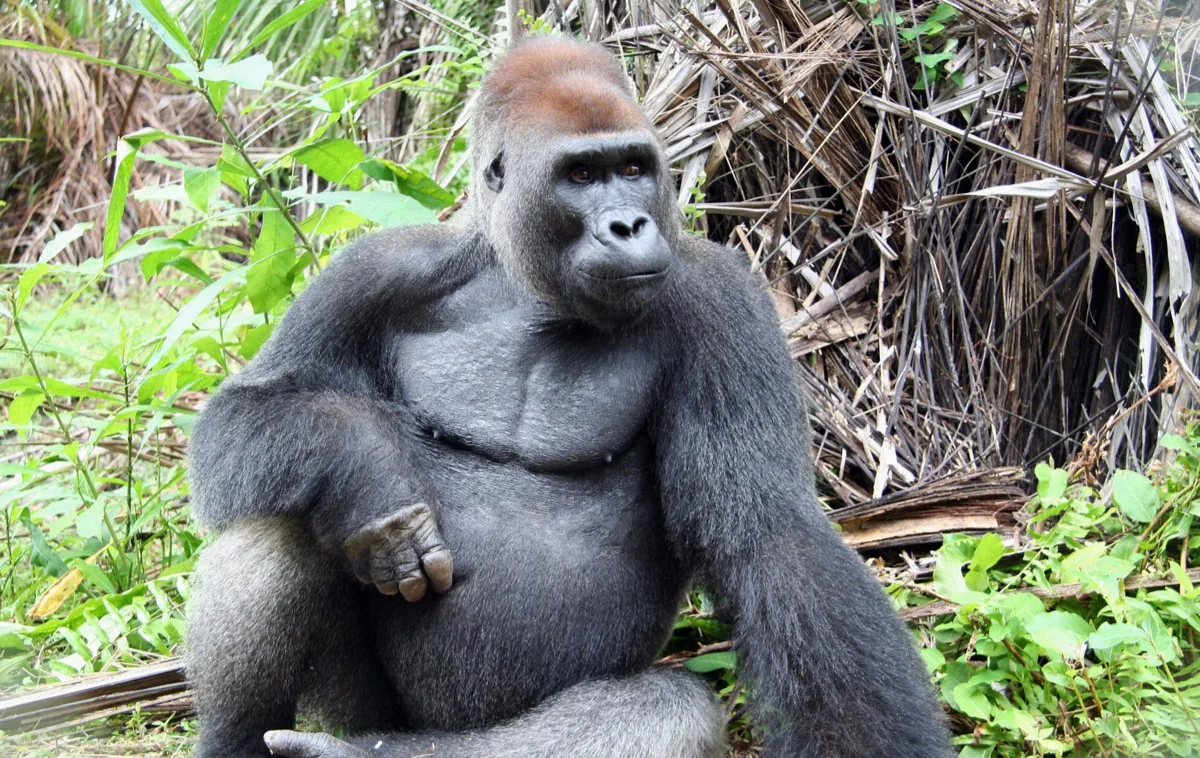
Grassroots community surveillance has emerged as a cornerstone of modern gorilla conservation across vulnerable forest edges. In southeastern Nigeria, indigenous women’s collectives have taken direct responsibility for forest protection around the Afi Mountain Wildlife Sanctuary. This reserve shelters the critically endangered Cross River gorilla (Gorilla gorilla diehli), recognized as the rarest gorilla subspecies in Africa, together with endangered Nigeria-Cameroon chimpanzees (Pan troglodytes ellioti). Persistent environmental crimes, including unauthorized agricultural clearing, commercial bushmeat hunting, and illegal timber extraction, long threatened ape groups around Afi Mountain [1].
Community women achieved measurable enforcement breakthroughs. Francis Akie, head of the Traditional Rulers Council of Ulom, confirmed that women from two villages successfully confronted illegal timber cartels and halted unauthorized logging deals. Orji Sunday reported in July that women mobilized community patrols and confiscated illegal chainsaws from commercial operators within community boundaries. Ofre Mary, founder of the Ulom Women’s Conservation Collective, explained the core motivation behind their direct intervention: “Our men have failed to stop the threats. That’s why women decided to take a stand.” Women from Ulom confiscated illegal chainsaws. Local female leadership transformed reserve enforcement into an effective community priority [1].
Grassroots engagement demonstrates that forest conservation succeeds when local communities hold genuine management stakes. Protecting intact forest canopies preserves critical migration corridors for great apes while demonstrating how natural ecosystems serve as frontline climate solutions against worsening regional environmental disruption. The decisive enforcement success around Afi Mountain proves how community alliances advance gorilla conservation across shrinking wilderness zones [1].
What Drives Long-Term Social Memory in Wild Gorillas?
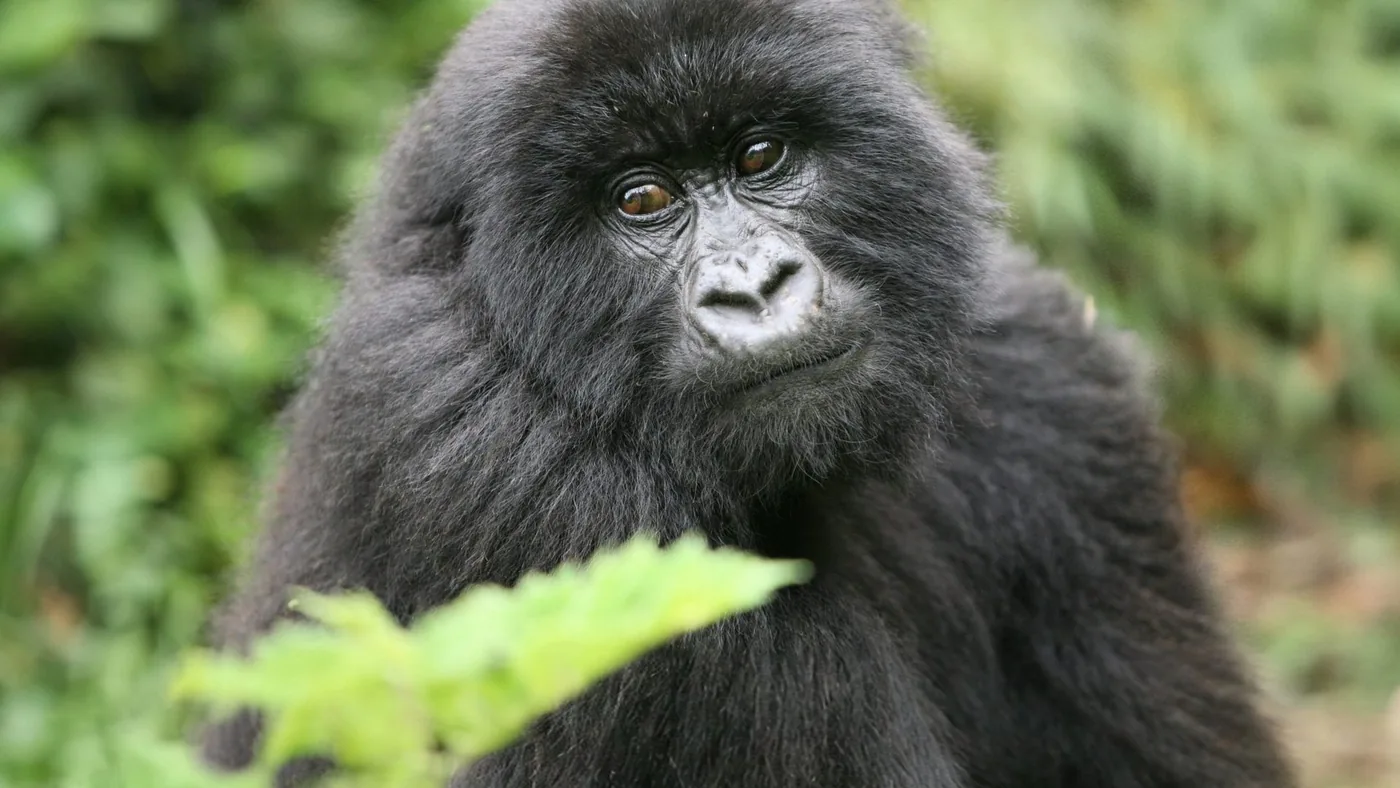
Past social relationships and individual memories directly govern how wild gorillas choose companions, migrate between troops, and avoid reproductive inbreeding. Long-term field observations in Rwanda demonstrate that female mountain gorillas do not transfer between social groups at random. When mature females leave a breeding group, they deliberately seek out troops containing females they already recognize from past social interactions. Concurrently, dispersing females actively avoid joining groups led by silverbacks with whom they previously cohabited during earlier life stages. This selective social navigation preserves vital female cooperation networks while effectively eliminating close inbreeding risks across neighboring troops [2].
Cognitive continuity extends across African great ape species. While comparative behavioral studies demonstrate that chimpanzees and bonobos retain long-term memory of friends and relatives after years of physical separation, wild gorillas deploy these detailed recollections in daily territorial decisions and group transfers. In Cameroon, field researchers spent more than eight years habituating a wild group of western gorillas in a landscape marked by heavy historical poaching. Field habituation spanned over eight years. Repeated peaceful encounters enabled the apes to update their social expectations and develop calm tolerance toward familiar human observers [2].
Long-term observations show that behavioral flexibility also governs dominance hierarchies and daily troop interactions. Rather than submitting to an unyielding caste structure, female gorillas adjust their willingness to challenge group members based on social rank, nutritional availability, and reproductive status. Notably, pregnant females frequently initiate assertive challenges against higher-ranking individuals to secure feeding priority during critical stages of gestation. Great ape troops function as dynamic social networks where individuals continually balance risks against reproductive advantages [2].
World Gorilla Day Highlights Primate Culture and Aging
Recent field discoveries also illuminate unique foraging traditions and cultural transmission among western lowland gorillas. Biologists tracking wild troops observed individuals repeatedly excavating forest soil to harvest deer truffles (hypogeous subterranean fungi). Intriguingly, neighboring gorilla groups inhabiting virtually identical forest tracts harvest these subterranean fungi using distinct manual extraction techniques. Neighboring troops use different foraging techniques. Because environmental conditions remain identical across these adjoining home ranges, field scientists conclude that these foraging methods are socially learned behavioral traditions. Animal culture spreads when younger apes observe and imitate successful elder techniques without direct instruction [2].
Demographic studies across Central Africa are also challenging standard mammalian aging assumptions. More than three decades of systematic observations in Uganda’s Bwindi Impenetrable National Park revealed that select female mountain gorillas live for many years after they stop reproducing. Extended post-reproductive lifespans represent an extreme evolutionary rarity among terrestrial mammals, mirrored primarily in humans, certain toothed whales, and very few primates. Elder females live long past reproduction. While researchers continue investigating whether older females assist in infant guidance, their longevity confirms that female social contributions endure long after active motherhood ceases [2].
Celebrated annually on September 24, World Gorilla Day commemorates the historic date primatologist Dian Fossey established the Karisoke Research Center in Rwanda in 1967. World Gorilla Day began in 2017. Decades of field research transformed scientific comprehension of ape cognition, yet habitat clearing, mining, poaching, and recurring viral outbreaks still threaten primate communities across Central Africa. Conservation founder Eric Ralls noted on Earth.com that losing any isolated population erases unique behavioral traditions and ecological adaptations that took millennia to evolve. Protecting gorillas requires sustained research, reduced human pressure, and active collaboration with forest communities across Central Africa [1, 2].
- ONLINE NEWS Hanbury, S. (2026, September 24). Ebola, twins and women-led conservation: Reporting on gorillas for World Gorilla Day. Mongabay Environmental News. [Article Link]
- ONLINE NEWS Sexton, C., & Ralls, E. (2026, September 24). World Gorilla Day: What recent discoveries are teaching us about gorillas. Earth.com. [Article Link]
APA 7: PerEXP Teamworks. (2026). How Gorilla Conservation Confronts Ebola Risks and New Science. PerEXP Teamworks.


