



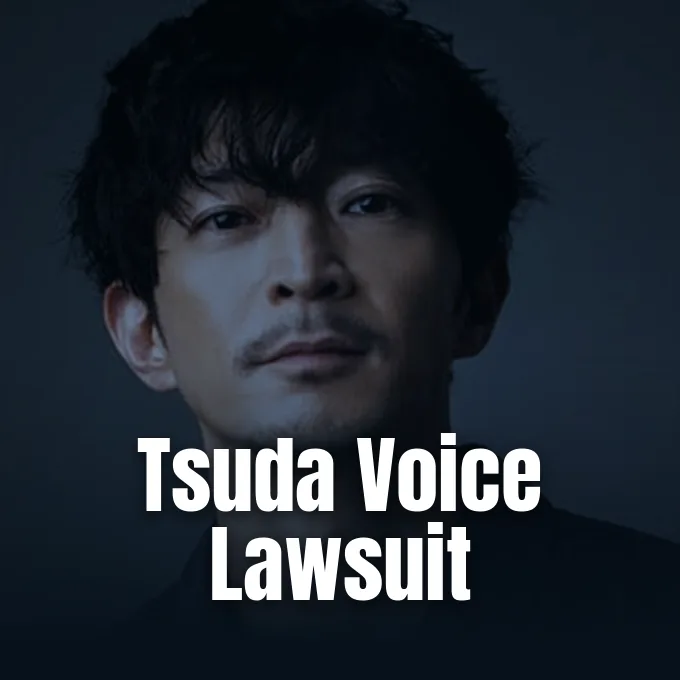
Voice actor Kenjiro Tsuda stood at the center of a historic judicial decision in Japan after launching legal action against the corporate operator of TikTok over unapproved artificial intelligence voice synthesis. Tsuda, recognized internationally for portraying the pragmatic salaryman sorcerer Kento Nanami in Jujutsu Kaisen, sought a mandatory injunction to compel the permanent deletion of dozens of synthetic narration videos. On Wednesday, the Tokyo District Court dismissed the voice actor’s lawsuit because the contested videos had already been taken down from the social video platform [1].
Tokyo Court Dismisses Voice Actor Kenjiro Tsuda Claim
The legal battle over synthetic media in Japan concluded on September 30, 2026. Presiding Judge Aya Takahashi dismissed the injunction request filed against TikTok’s Singaporean operating entity [3].
While Japanese entertainment reporting often focuses on cast transitions or memorials, such as recent coverage noting that Asami Yaguchi, Gintama and Tamagotchi voice actress, died at 47, Tsuda’s lawsuit confronted commercial intellectual property rather than career retrospectives. The legal dispute began when voice actor Kenjiro Tsuda filed his complaint in November 2025, demanding the removal of posts that utilized generative AI tools to replicate his voice without authorization. Counsel for the Singaporean company operating TikTok in Japan reported that the videos were removed shortly after the lawsuit was initiated. Because the targeted content was no longer accessible on the service, corporate defense attorneys argued that Tsuda no longer maintained any actionable legal interest in pursuing an injunction against the network [1].
Judge Takahashi agreed with the defense regarding the procedural remedy, ruling that the court could not issue an order requiring the deletion of digital files that had already vanished from the company’s servers. The videos were already gone. While the dismissal resolved the immediate demand for an injunction, the Tokyo District Court refused to treat the case as a routine dismissal. Tsuda had anchored his petition in the Unfair Competition Prevention Act and established publicity protections designed to prevent the unauthorized commercial exploitation of entertainers. By examining those underlying principles rather than issuing a brief administrative order, the bench addressed whether unauthorized generative AI voice clones infringe upon the legal rights that protect a performer’s professional identity [2].
Unapproved Narration Generated Substantial Monthly Revenue
Court records showed that an anonymous individual operated the TikTok channel that uploaded at least 188 videos between July 2024 and September 2025. The account posted 188 videos. These short-form productions covered occult themes, paranormal lore, and popular conspiracy theories designed to maximize viewer retention. Tsuda’s legal representatives submitted analytics demonstrating that the creator relied on synthetic voiceover narration to capture algorithmic momentum across TikTok’s recommendation feed [1].
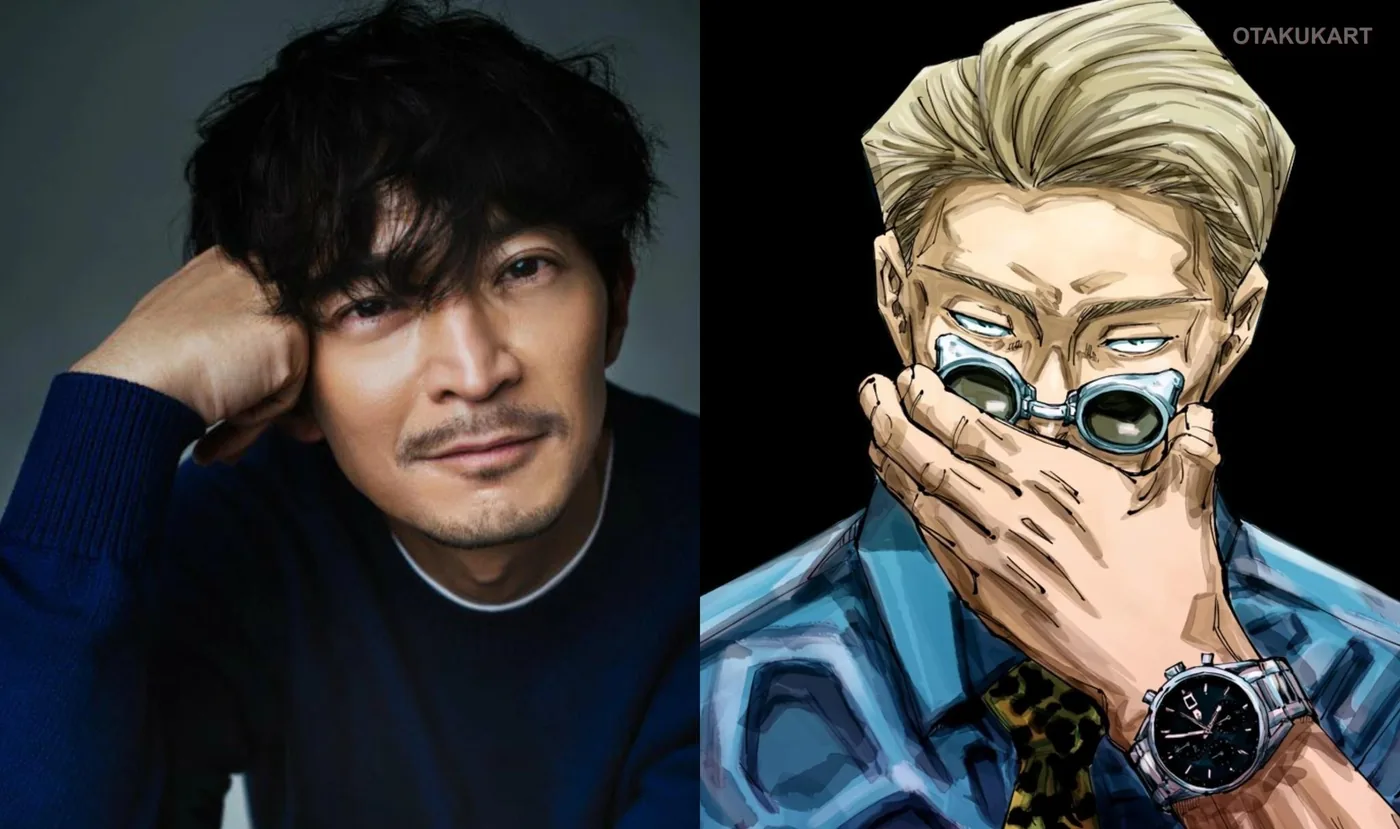
Information retrieved from an external website managed by the account owner revealed that the channel generated an estimated 500,000 to 750,000 yen per month. Converted to American currency, that monthly payout equaled roughly 3,000 to 4,500 US dollars earned directly through viewer engagement metrics. Mainichi Shimbun reporter Kōtarō Adachi documented that Tsuda’s legal team stressed that this commercial windfall was achieved by deliberately replicating the voice actor’s distinct vocal presence, which audiences recognize from high-profile anime roles including Kento Nanami in Jujutsu Kaisen produced by MAPPA [3].
Tsuda is widely celebrated across Japan for possessing an ikebo (a popular Japanese contraction for cool or attractive voice), with the lawsuit describing his acoustic signature as ‘smooth, low-pitched’ and ‘deep, husky.’ His attorneys contended that the synthesized narration misled regular viewers into believing that Tsuda had personally narrated the occult mysteries. By leveraging that recognizable baritone without a license, the TikTok poster exploited the hard-won commercial goodwill built over decades by voice actor Kenjiro Tsuda [1].
TikTok Defense Argued Universal Male Voice Preset
Legal representatives for TikTok’s Singaporean corporate entity disputed every allegation of copyright infringement, unfair competition, and personality violations. The defense argued that the automated narration across the 188 videos was not a replica of voice actor Kenjiro Tsuda, but rather a generic ‘universal male voice’ trained using speech data contributed by an acquaintance of the account creator. Explanatory posts on the creator’s third-party website stated that this acoustic model relied on that friend’s audio recordings rather than any anime audio track [1].
TikTok’s attorneys also examined the public comment sections across the disputed videos to counter claims that audiences were drawn by Tsuda’s brand. User comments focused on urban folklore. Viewers debated whether historical conspiracy theories carried truth, showing minimal concern regarding the identity of the artificial narrator. The defense contended that because viewers were engaged by sensational story material rather than an alleged celebrity endorsement, the videos caused no consumer confusion and generated no commercial harm under unfair competition statutes [1].
Could an online video platform be compelled to delete content that had already ceased to exist? TikTok maintained that the voluntary removal of the account after the November 2025 filing resolved the plaintiff’s requested remedy. Without active videos remaining on the servers, court-ordered injunctive relief served no practical purpose. The operator urged the Tokyo District Court to dismiss the petition on purely procedural grounds [3].
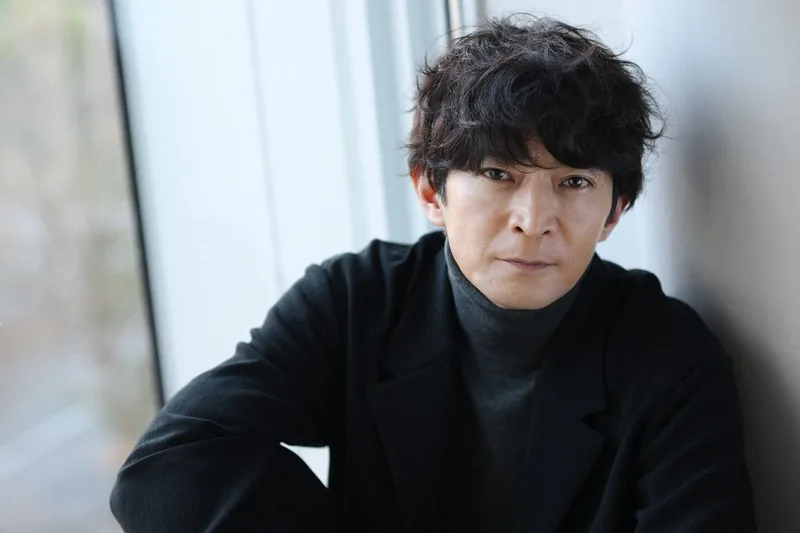
Voice Actor Kenjiro Tsuda Sets Voice Right Precedent
While dismissing Tsuda’s specific request for an injunction, Presiding Judge Aya Takahashi issued a historic legal ruling in favor of voice actors confronting generative AI cloning. The Tokyo District Court recognized that an individual’s voice can fall directly under publicity rights. Judge Takahashi clarified that deploying an entertainer’s vocal tone without consent breaches publicity protections whenever that acoustic persona carries independent customer-drawing power and is exploited specifically to capture audience interest [2].
Japanese jurisprudence previously restricted publicity protections primarily to an entertainer’s physical likeness, portrait, or photographic representation. Judge Takahashi expanded that established doctrine by treating a recognizable voice as an essential attribute of personal identity comparable to a face. Publicity rights now shield voices. For voice actor Kenjiro Tsuda, whose distinctive vocal work defined MAPPA’s 2020 adaptation of Jujutsu Kaisen directed by Sunghoo Park, the ruling confirms that acoustic performances carry legally enforceable commercial value [2].
Anime industry professionals have followed the case closely as synthetic media reshapes traditional performance agreements across Tokyo studios. Performer advocates have long debated how studios protect vocal timbre, especially since Japan has historically lacked a statutory voice right. Because statutory law contains no standalone clause protecting vocal timbre, the Tokyo District Court’s landmark interpretation provides anime cast members with their first judicial tool against uncredited AI voice theft [2].
Ministry of Justice Guidelines Clarify Performer Rights
The judicial ruling in Tokyo arrives amid growing regulatory scrutiny surrounding artificial intelligence across the Japanese government. On August 7, 2026, the Ministry of Justice released an official report titled ‘Release of the summary report on civil liability for unauthorized use of likeness, voice, etc.’ following five deliberative committee sessions. The ministry’s expert study concluded that vocal expressions belonging to actors and voice artists receive civil protection under publicity rights in the same manner applied to portrait photographs and personal likenesses [4].
Importantly, the governmental report examined civil liability standards for commercial software providers. The guidelines warned that depending on the nature and degree of rights infringement, generative AI developers could face joint civil liability together with individual users who generate unauthorized voice clones. Toolmakers face heightened compliance risks. Regulators confirmed that software companies cannot automatically escape legal responsibility if their products intentionally encourage or facilitate the infringement of an entertainer’s vocal identity [4].
For creators across Japan’s animation and voiceover industries, the convergence of the Tokyo District Court ruling and the Ministry of Justice framework establishes vital legal boundaries for generative media. While Tsuda did not obtain a formal removal injunction due to the prior deletion of the contested content, his court challenge produced the first binding recognition that an actor’s voice carries legally protected commercial value. Voice actor Kenjiro Tsuda transformed a procedural dismissal into a landmark victory for vocal rights, ensuring that performers maintain legal ownership over their distinctive creative identity [3].
- ONLINE NEWS Anime News Network. (2026, September 30). Voice actor Kenjirō Tsuda’s TikTok lawsuit dismissed after AI-voiced videos’ removal. Anime News Network. [Article Link]
- ONLINE NEWS Whitfield, D. (2026, September 30). Jujutsu Kaisen voice actor Kenjiro Tsuda’s AI voice lawsuit gets landmark ruling as Japan court recognizes voice as a publicity right, but rejects his TikTok video removal request. OtakuKart. [Article Link]
- ONLINE NEWS Adachi, K. (2026, September 30). Ninki seiyū Tsuda Kenjirō-san no seikyū kikyaku: ‘Koe mohō’ dōga wa sudeni sakujo [Popular voice actor Kenjirō Tsuda’s claim dismissed: ‘Voice imitation’ videos already deleted]. Mainichi Shimbun. [Article Link]
- PRESS RELEASE Ministry of Justice. (2026, August 7). Shōzō, koe tō no mudan riyō ni yoru minji sekinin no arikata ni kansuru kentōkai torimatome hōkokusho no kōhyō ni tsuite [Release of the summary report on civil liability for unauthorized use of likeness, voice, etc.]. The Ministry of Justice of Japan. [Article Link]


