





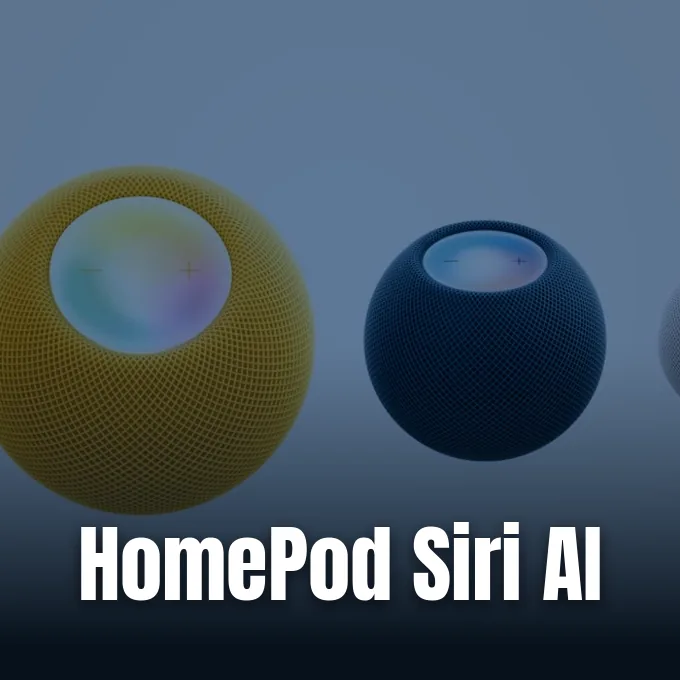
Apple clarified on Wednesday that original HomePod mini Siri AI compatibility won’t arrive on first-generation speakers, shutting down circulating rumors sparked by an earlier media report [1]. The confusion started when CNET reported that the older S5-powered device would gain conversational capabilities alongside the upcoming iOS 27.2 software update later this year [2]. CNET later issued a correction after Apple said the upgraded assistant stays exclusive to the newly unveiled HomePod mini 2 and select Apple TV 4K units [3]. While owners of the original six-year-old hardware had hoped for an update, the company explained that older processors can’t handle the new system architecture [1].
CNET Correction Clears HomePod Mini Siri AI Confusion
The rumor gained traction after tech outlet CNET published an article about Apple’s new smart home hardware from the recent Welcome Home product launch event. Writer Jeff Carlson covered the smart speaker rollout alongside Tyler Lacoma [3]. “The HomePod Mini 2 also gets a faster S10 processor, which should help with processing Siri AI requests,” Jeff Carlson said in the original text. “However, the current S5-powered HomePod Mini will also get Siri AI compatibility later this year, along with updates to iOS 27.2” [2].
That statement quickly circulated among smart home enthusiasts, prompting questions about whether older hardware would gain HomePod mini Siri AI features through upcoming system updates. But sharp-eyed observers realized that official marketing pages made no mention of backward compatibility for the older model [1]. Apple’s fine print confirmed that second-generation Apple TV 4K models from 2021 would receive the assistant, yet the documentation said nothing about older speakers. Reporter Joe Rossignol at MacRumors noticed the omission and reached out to Apple directly for clarification [2]. Writer Ryan Christoffel at 9to5Mac also contacted Apple to prevent inaccurate expectations from spreading any further among existing smart home customers [1].
Apple responded quickly. The company stated that the original smart speaker won’t receive the upgraded assistant under any circumstances [1]. Following that outreach, CNET revised its article at 10:50 a.m. Pacific Time to correct the record and remove the erroneous claim. A correction note appended to the story explained that Apple confirmed only the HomePod mini 2 will support the new conversational platform [3].
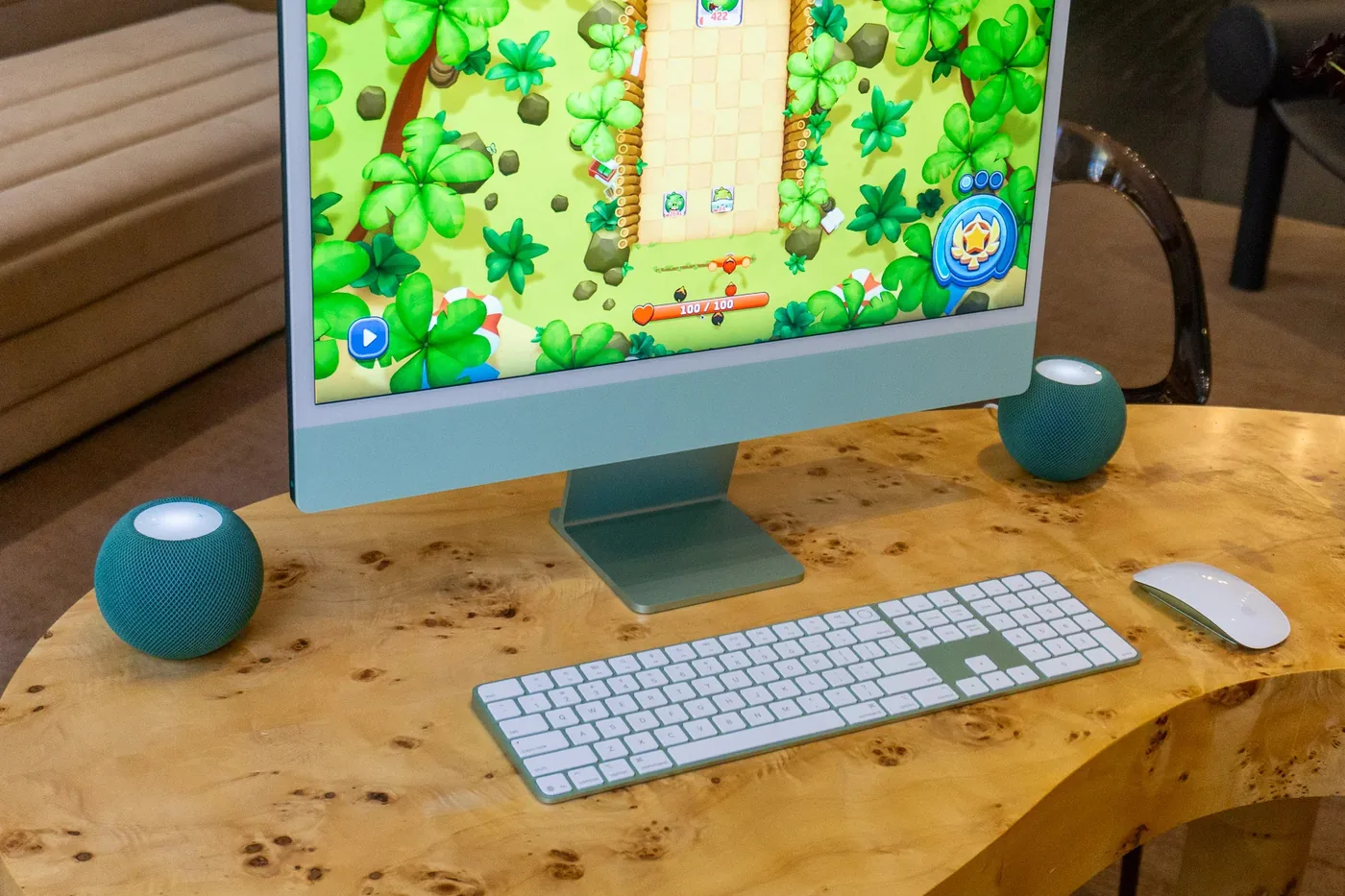
Hardware Limits Block HomePod Mini Siri Support
The decision to limit the assistant isn’t surprising when looking at the silicon powering the first-generation HomePod mini. Apple introduced the original speaker in November 2020 with the S5 system-in-package, a processor that first debuted inside the Apple Watch Series 5. That silicon was designed six years ago for wearable power efficiency rather than large language model tasks. Running new conversational software needs processing speeds and memory bandwidth that the aging S5 simply can’t deliver [1].
Hardware limits explain why HomePod mini Siri AI upgrades stay exclusive to newer devices [2]. Recent Apple Watch models have already needed newer silicon to run on-device intelligence features, setting a clear baseline for the Apple Watch lineup and Apple’s wider ecosystem [1]. Reporter Joe Rossignol explained that Apple Intelligence features require modern architecture. On the other hand, the newly announced HomePod mini 2 features an S10 processor, which provides the computing headroom needed to handle dynamic audio tuning and process assistant prompts smoothly [2]. The S10 chip analyzes music playback in real time to optimize acoustic performance while quietly preparing system resources for incoming conversational tasks [3]. Software updates alone can’t bridge the fundamental architectural gap [1].
Can an older smart speaker still handle daily household chores without advanced intelligence? It certainly can. Basic voice commands will continue working on first-generation units, allowing owners to set timers, manage alarms, control smart lights, and stream music exactly as they have for years [3]. Apple isn’t disabling existing features on older hardware, but the company won’t backport next-generation conversational tools to a chip that lacks adequate memory resources [1].
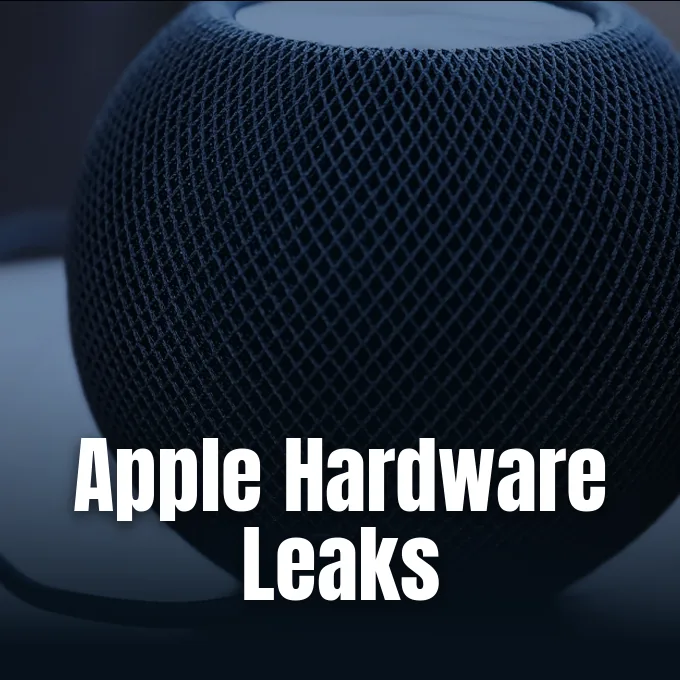

New Features Driving the HomePod Mini 2
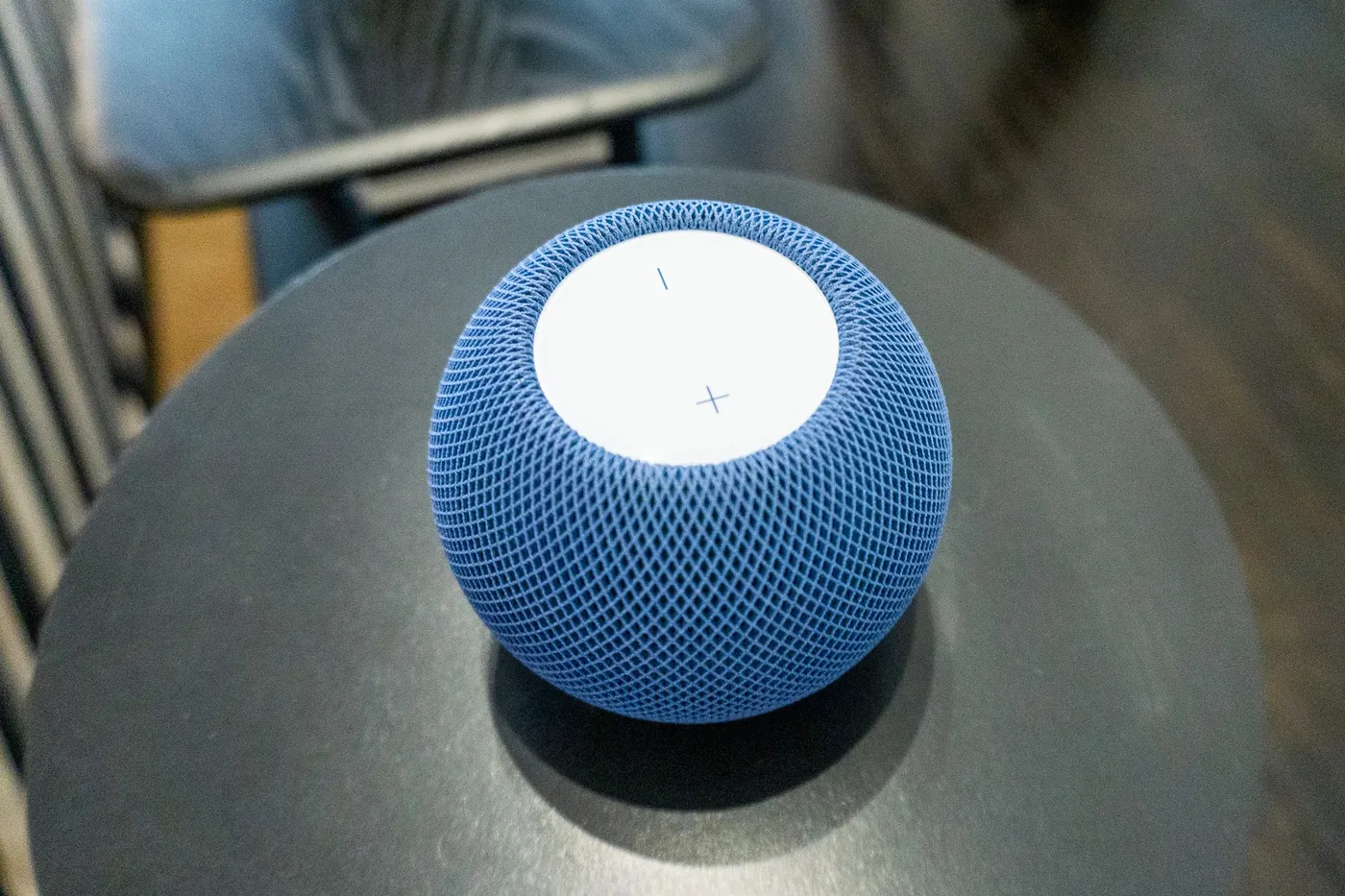
While the original model stays on basic software, the new HomePod mini 2 introduces several hardware additions to justify its $149 price tag. Apple kept the recognizable four-inch spherical mesh design but added a visual feature named Sound Glow on the top interface. Reporter Zac Hall detailed how Sound Glow turns the touch surface into an interactive canvas that pulses in real time according to bass and treble frequencies. When users play music, the Sound Glow lighting system draws color cues from Now Playing album artwork to illuminate the room with matched tones [5].
The speaker also offers refreshed colors alongside internal changes. Apple introduced five finishes: midnight, white, blue, green, and pink [5]. Inside, an acoustic setup pairs a full-range driver with dual passive radiators for 360-degree projection. CNET specialist Ajay Kumar tested four linked speakers during hands-on demonstrations at the Welcome Home showcase. Tester Ajay Kumar evaluated the multi-speaker sound profile personally. “The four HomePods set up for the Mini 2 produced surprisingly room-filling sound,” Ajay Kumar said. “While I won’t say that it’ll fully replace a 7.1 surround sound home theater on the cheap, it was richer audio than I expected from such small devices in a large space and when the two HomePods behind me were toggled off as part of the demo, I could actually tell how much less robust the sound was” [3].

Pricing has shifted upward compared to earlier release cycles. The original HomePod mini launched at $99 before Apple adjusted its retail tag to $129 earlier this year [5]. At $149, the HomePod mini 2 costs nearly $50 more than the debut price of the original model [3]. Preorders opened following the keynote, and Apple announced that store deliveries will commence on October 30 [5].
Multiroom Audio and the Apple Ecosystem
The updated speaker integrates with home entertainment hardware, particularly the fourth-generation Apple TV 4K that debuted at the Welcome Home showcase. For the first time, users can pair two HomePod mini 2 units with two full-size HomePod 2 speakers to create a four-speaker surround sound array. The connected Apple TV 4K automatically calculates speaker positions in the room, balancing audio latency and output frequency levels without needing tedious manual calibration [5].
Integration with Siri AI architecture in iOS 27 unlocks deeper personal context for household users. Reporter Zac Hall noted that the platform transforms smart assistant interactions [5]. When linked to an iPhone or iPad supporting Apple Intelligence, the HomePod mini 2 can tap personal data to answer detailed queries [2]. Apple showed this capability by explaining how the speaker can locate a recipe sent through a recent email or find a song mentioned in a friend’s text message. Users can also hold room-to-room conversations through the Apple Home app or rely on safety sensors that listen for smoke and carbon monoxide alarms while residents are away [3].
Music streaming support covers several platforms at launch, including Apple Music, TuneIn, iHeartRadio, and Audacy. However, the platform still omits native integration for popular third-party services like Spotify and Tidal, leaving subscribers dependent on AirPlay streaming. Apple aims to position the speaker against smart home competitors like the Amazon Echo Studio and Google Home Speaker, which both offer voice-driven media playback. But Google charges up to $20 monthly for full Gemini for Home features, whereas Apple hasn’t attached a recurring subscription fee to its speaker capabilities [3].
Future Update Timeline for Siri AI on HomePod Mini
Even though the HomePod mini 2 is marketed around assistant upgrades, early shoppers will face a waiting period before those features go live. Apple confirmed that HomePod mini Siri AI capabilities will arrive in a future software update rather than on launch day. Footnotes on Apple’s product page state that the assistant is “coming in a future software update” under HomePod software 27.2 rather than appearing on retail launch day. That release schedule contrasts with the HomeView smart display and fourth-generation Apple TV 4K, both of which ship on November 13 with working assistant software [4].
Why would Apple ship the speaker two weeks before its main software feature is ready? The staggered timeline suggests engineers needed more development cycles to stabilize voice processing on compact hardware [4]. When the update deploys, Apple plans to launch Siri AI in the United States, the United Kingdom, Australia, Canada, India, New Zealand, Singapore, and South Africa [6]. Writer Ryan Christoffel reported that setup needs an Apple Intelligence phone or tablet [4]. Other family members without compatible personal devices can still interact with the assistant’s general knowledge and conversational features [2].
For owners of the original HomePod mini, the finality of Apple’s confirmation provides clarity, even if it brings disappointment. Six years after its debut, the first-generation speaker stays a dependable audio device, but its software journey has reached a natural ceiling [1]. Those wanting conversational AI, Sound Glow visuals, and four-speaker surround sound will need to upgrade to the HomePod mini 2 when it hits store shelves on October 30 [5].
- ONLINE NEWS Christoffel, R. (2026, October 14). Apple Confirms Siri AI Is Not Coming to the Original HomePod Mini. 9to5Mac. [Article Link]
- ONLINE NEWS Rossignol, J. (2026, October 14). No, HomePod Mini 1 Won’t Support Siri AI as CNET Reported. MacRumors. [Article Link]
- ONLINE NEWS Lacoma, T. (2026, October 13). Apple HomePod Mini 2: Hands-On Impressions, Siri AI and More. CNET. [Article Link]
- ONLINE NEWS Christoffel, R. (2026, October 13). Apple Confirms HomePod Mini 2 Won’t Have Siri AI at Launch. 9to5Mac. [Article Link]
- ONLINE NEWS Hall, Z. (2026, October 13). Apple Announces HomePod Mini 2: Siri AI, New Colors, Sound Glow, More. 9to5Mac. [Article Link]
- ONLINE NEWS TechSpot. (2026, October 14). Apple Unveils HomePod Mini 2 With Siri AI and a $50 Price Hike. TechSpot. [Article Link]


