




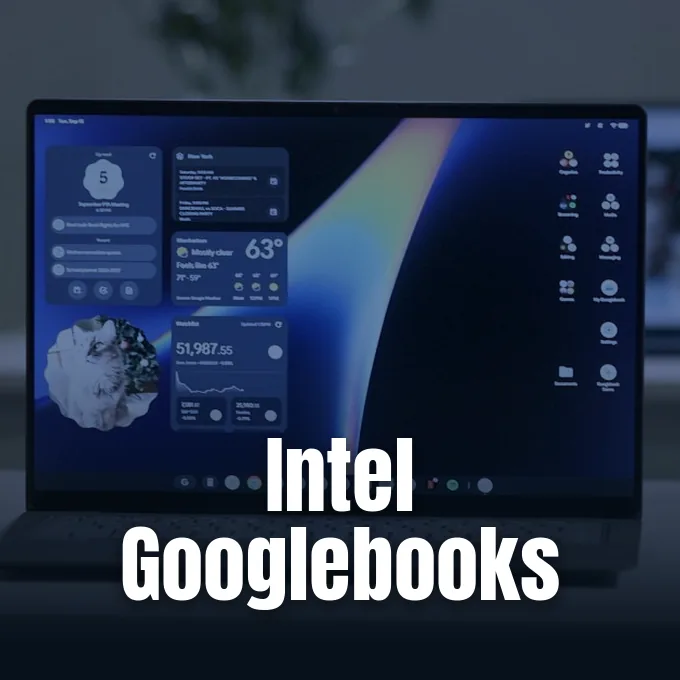
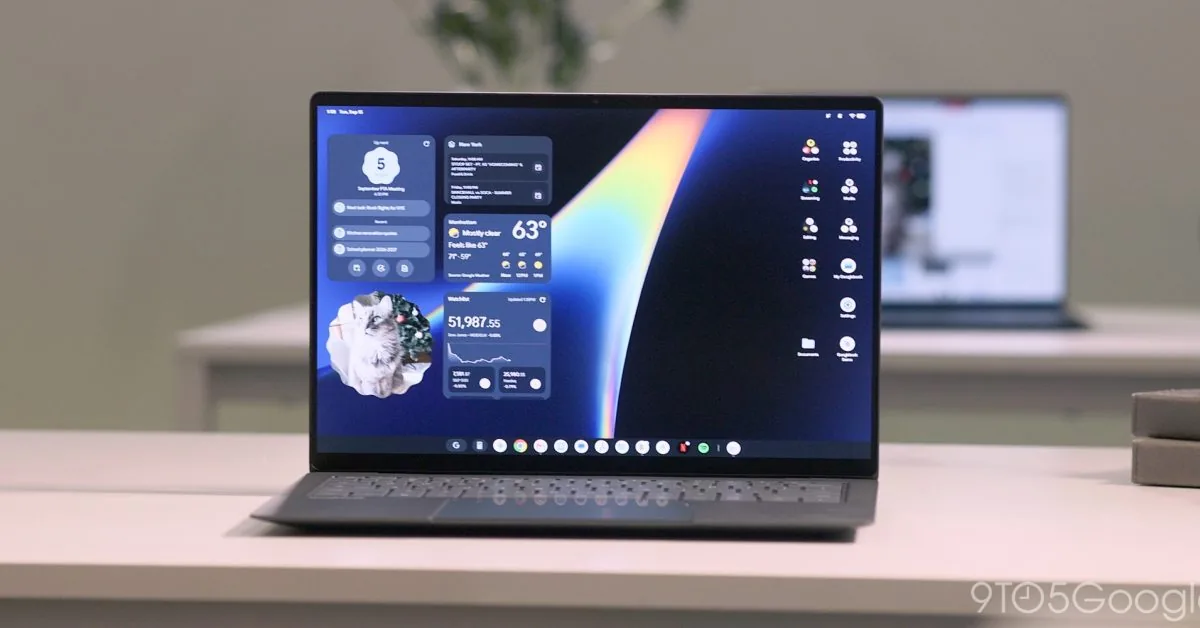
Google confirmed that some complex Android apps and games will run poorly on its new Intel-based Googlebook laptops, acknowledging a key software limit right as retail hardware reaches store shelves across the United States. The search giant designed the family of portable computers to unite Android phones and personal laptops into one unified operating system, but while Qualcomm models execute mobile binaries natively on ARM silicon, Intel Googlebooks rely on a software bridge that translates instructions for traditional x86 processors. The company revealed the compatibility gap in an interview with Android Authority as early customer shipments began [1].
Why Intel Googlebooks Need Translation for Android
Android was built from the start for ARM silicon, which powers almost every modern smartphone around the world. When mobile software runs on x86 processors, the computer can’t execute the application instructions immediately and must instead translate that code during active runtime through Intel Bridge and Android’s Native Bridge tools. In the past, Google noted that converting ARM code on x86 Chromebooks led to reduced speed and weaker battery life [5].
The core technical hurdle comes from how modern mobile software is compiled and distributed on different hardware platforms. Applications that developers write in Kotlin or Java generally run without major friction because their code executes within virtual runtime environments backed by architecture-agnostic software development kits. However, many resource-heavy applications and 3D games rely on custom native components compiled exclusively for ARM64 hardware without including pre-compiled x86-64 binaries. On Intel machines, the operating system must route those instructions through Intel Bridge and Android’s Native Bridge translation systems, which converts ARM machine code into x86 instructions at the cost of processing speed and battery efficiency. “Because many Android apps were originally designed for Arm chips, a small handful of complex apps or games need some developer tuning to run their best on Intel-based platforms,” Google explained to Android Authority [1].
Google offers a curated collection of tuned software inside the Google Play Store, yet the company previously insisted that any Android program could run on the laptop family. The tech firm still hasn’t provided a public list naming which specific titles suffer from compatibility issues or graphical bugs on x86 silicon. Nobody outside Google knows the full extent of the affected catalog [1].
Hardware Lineup Behind the Architecture Divide
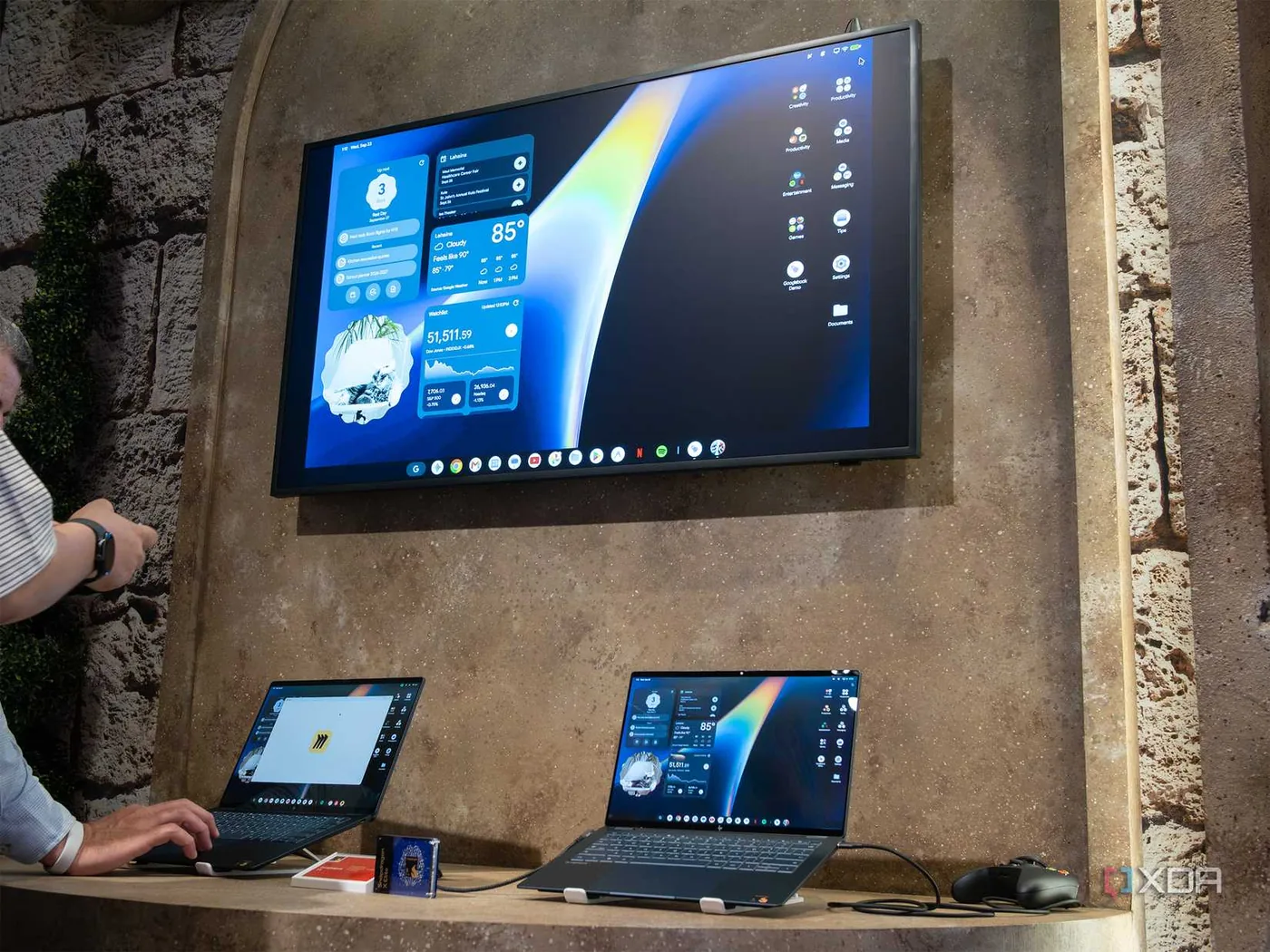
The initial wave of Googlebook hardware features five distinct laptop models divided between two rival chip architectures, with three of those machines running on Intel Core Ultra 5 Series 3 processors from the Panther Lake generation. Shoppers can choose between the Asus Googlebook 14, the Lenovo Googlebook 15, and the Acer Googlebook 14, which also offers a higher-tier Intel Core Ultra 7 Series 3 model [1].
Meanwhile, buyers who want native ARM execution must turn to Qualcomm Snapdragon X Elite, a 2024 chip that drives both the HP Googlebook 14 and the Dell XPS Googlebook. Retail packaging doesn’t warn buyers that only the Qualcomm laptops run Android code without translation [4].
Google is also preparing another MediaTek Googlebook processor variant, though partner brands haven’t announced retail systems using that hardware yet. When Google debuted the new Googlebook laptop lineup, it promised broad manufacturer choice over multiple price bands. For now, early shoppers must choose between Intel Core Ultra performance and Qualcomm Snapdragon mobile compatibility. It’s a trade-off that retail displays don’t explain clearly [2].


How Intel Googlebook Laptops Compare to Qualcomm
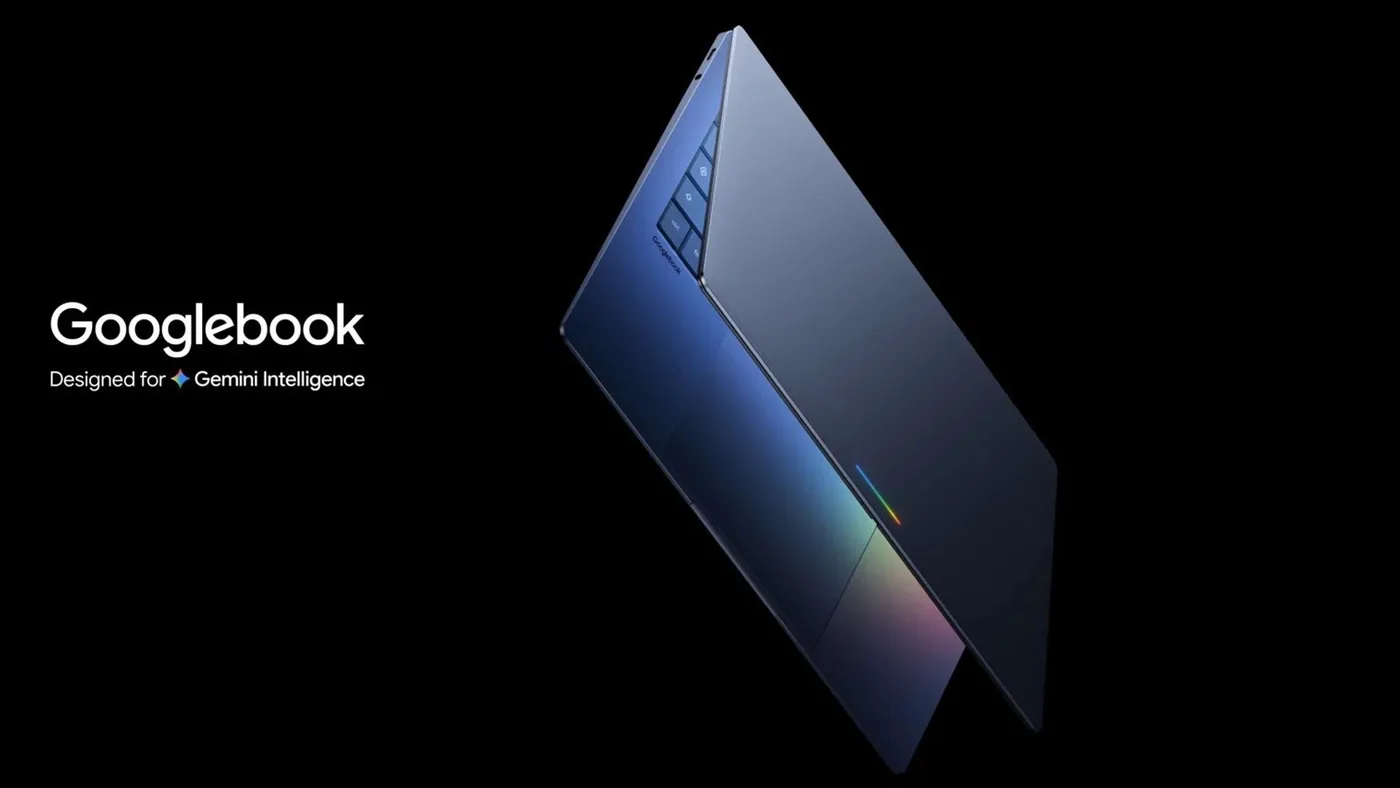
On paper, both hardware designs download their software from the official Google Play Store, which contains a blend of tuned and untuned applications. Users can’t install programs from regular web browsers unless a page redirects to Google Play, a closed approach that gives Google oversight over software distribution but hasn’t prevented launch-day friction on Intel Googlebook laptops. Hardware testers at Engadget haven’t received review units yet [5].
The performance gap between native execution and binary conversion will show up once lab benchmarks measure frame rates and thermal efficiency. While Qualcomm Snapdragon processors handle ARM code without translation overhead, Intel Googlebooks must spend compute cycles translating instructions while managing screen output. In demanding mobile games, that extra translation step creates heat and drains battery capacity faster than native computing. Reviewers at Tom’s Hardware expect independent lab scores to reveal the true battery penalty [3].
Mainstream productivity tools and basic utilities written with standard Android libraries should run smoothly on both processor lines. The software runtime manages instruction dispatch cleanly, so note-taking apps, streaming services, and social media feeds won’t feel sluggish. Trouble starts when an application bypasses standard Java APIs to execute heavy low-level graphics algorithms directly on Intel Googlebooks. Those demanding titles need developer tuning to run well [3].
Pricing and Market Strategy in Global Regions
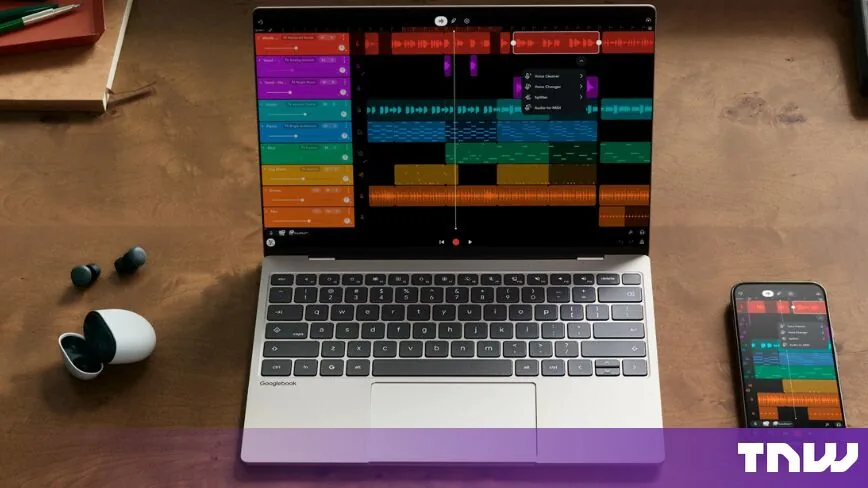
Google positioned the new laptop collection at a premium price point, setting retail prices between $899 and $1,299 in the United States. In Britain, the laptops start at £999 from Acer Googlebook, Asus Googlebook, Lenovo Googlebook, Dell XPS, and HP Googlebook models, while shipments also reached Ireland, France, and Germany today, placing the hardware well above Apple MacBook Neo at $699 to $799 [3].
Google justifies the higher cost by bundling generous hardware memory and cloud subscriptions with every laptop purchase. Each model includes either 16GB or 32GB of RAM, doubling the base memory allocation found on competing budget portables like the Apple MacBook Neo. Storage options offer either 256GB or 512GB, but Google includes 12 months of its Google AI Pro membership with 5TB of cloud storage, a service valued at $249.99 [3].
Pricing has already shifted among retail partners as the hardware reaches store shelves. The Lenovo Googlebook entry model actually sells for $200 less than the company originally announced. To build consumer interest, Google rolled out a high-profile advertising push featuring actor Henry Cavill and his mustache. Yet premium pricing means consumers expect reliable software support from day one [2].
What Developers Must Do for Intel-Based Googlebooks
Solving the performance gap on Intel-based Googlebooks will depend on how quickly third-party app developers optimize their software for x86 chips, an effort Google supports by collaborating directly with Intel Core engineers, Qualcomm Snapdragon teams, and external studio programmers. Because Android programmers historically built software almost entirely for ARM phones, few studios maintain ready x86 build pipelines. Tuning those programs takes time and engineering resources [1].
The arrival of the new laptop platform marks the beginning of an expansive transition for the broader Googlebook OS computing ecosystem. Google said that traditional ChromeOS updates will conclude in 2034, with many current Chromebook models moving over to Googlebook OS to give engineers time to refine translation tools before older systems lose support [2].
Until independent hardware reviews arrive from benchmark labs, consumers must weigh their personal software needs before picking a model. Shoppers who want guaranteed compatibility with demanding Android games will find safer ground with Qualcomm Snapdragon X Elite laptops like the HP Googlebook 14 or Dell XPS Googlebook. Meanwhile, buyers who prioritize general desktop computing can choose Intel Core Ultra Panther Lake systems, provided they don’t depend on complex mobile games [4].
- ONLINE NEWS O’Rourke, P. (2026, October 5). Google warns that some Android apps won’t run well on Intel Googlebooks at launch. XDA Developers. [Article Link]
- ONLINE NEWS Schoon, B. (2026, October 5). Googlebooks with Intel chipsets might have trouble with ‘complex’ Android apps. 9to5Google. [Article Link]
- ONLINE NEWS Borja, J. (2026, October 5). Intel’s Googlebooks might not run some Android apps as well as Qualcomm’s — Google says this is because Android apps were designed for Arm chips. Tom’s Hardware. [Article Link]
- ONLINE NEWS Popa, D. (2026, October 5). Google says some Android apps need developer tuning on Intel Googlebooks. The Next Web. [Article Link]
- ONLINE NEWS Dent, S. (2026, October 5). Google admits some ‘complex’ Android apps run poorly on Intel Googlebooks. Engadget. [Article Link]


