





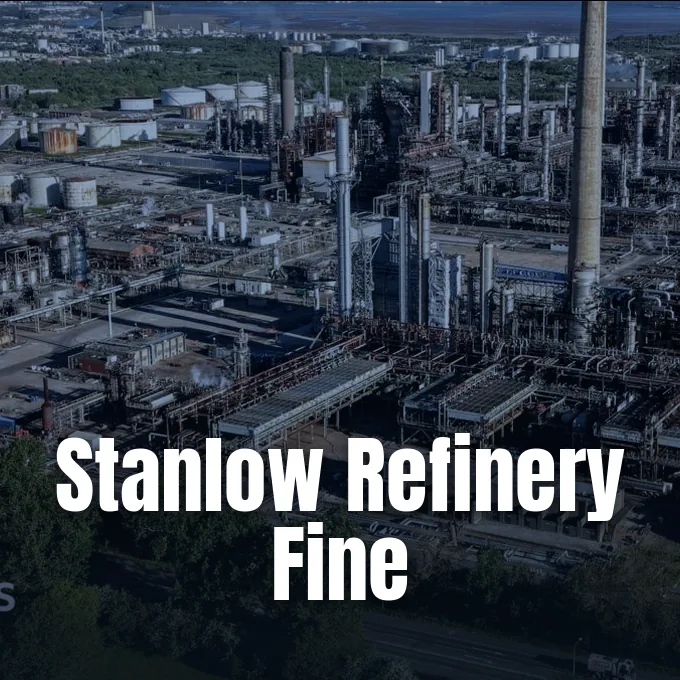
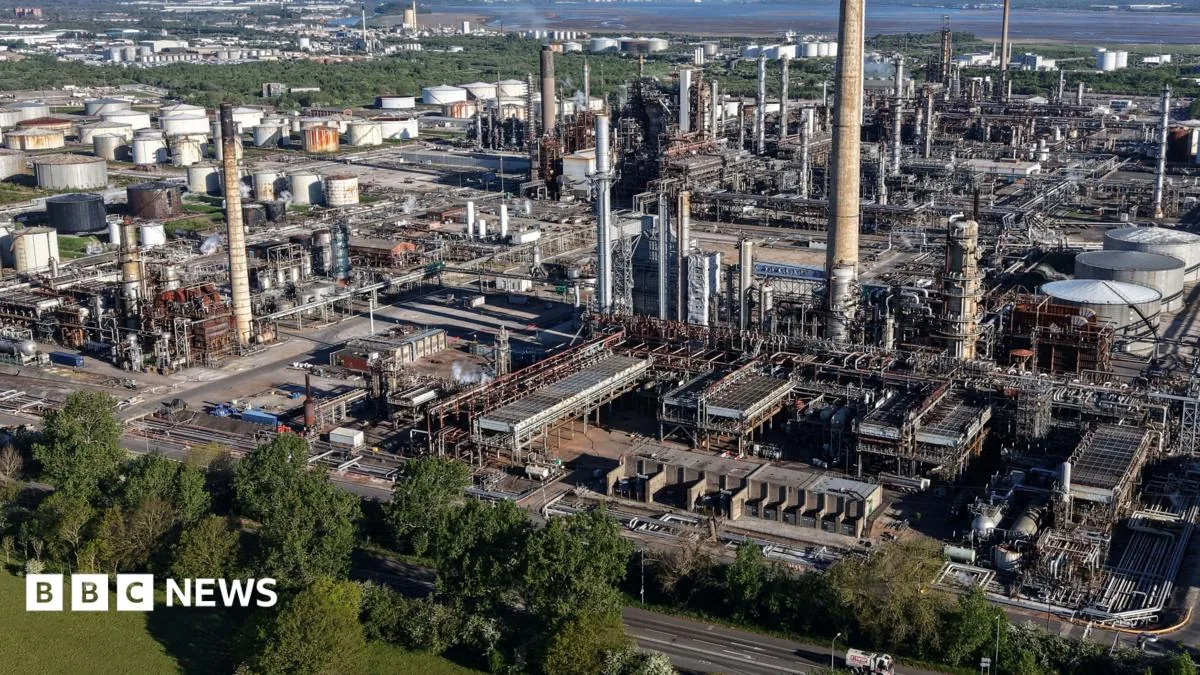
Warrington Magistrates’ Court ordered Essar Oil to pay £873,473 in penalties and costs after hearing extensive evidence that the operator repeatedly failed to keep within legal pollution boundaries at its Cheshire site. The company, trading as EET Fuels, runs the Stanlow refinery in Ellesmere Port. It ranks as one of the largest oil refinery operators in the United Kingdom, processing crude materials on a massive scale. Legal proceedings brought by the Environment Agency revealed that wastewater discharge limits were exceeded at least 489 times between 2018 and 2020. This major Stanlow refinery fine follows guilty pleas entered by the firm to twelve separate environmental offences [1].
Penalties at Warrington Magistrates’ Court
Essar Oil (UK) Limited pleaded guilty to twelve separate charges in March before receiving its final financial penalties at Warrington Magistrates’ Court. District magistrates ordered the firm to pay an £800,000 fine with an additional £73,473 in prosecution costs after hearing evidence that the Ellesmere Port facility had breached its environmental permit over several years. Ten charges involved unlawful discharges into waterways. The court assessed a penalty of £80,000 for each individual discharge incident, bringing the total for those ten offences to £800,000 [1].
The prosecution did not impose separate financial penalties for two additional incidents that took place during 2019, but the court recorded guilty pleas for both events as part of the broader legal action. Judicial authorities also considered three further breaches from 2022 and 2023 without adding further monetary punishment. No extra penalties were imposed for those five incidents [1]. According to court reports from BBC News, resolving these matters together concluded multi-year regulatory scrutiny into how the refinery handled wastewater discharges across Ellesmere Port.
Why the Stanlow Refinery Fine Was Issued
The scope of the Stanlow refinery fine centers on environmental permit limits that the industrial site in Ellesmere Port exceeded at least 489 times between 2018 and 2020. The plant ranks among the largest oil refineries in the United Kingdom. Ten of the twelve criminal charges brought against the company involved wastewater discharges that contained oil, suspended solids and toxic substances including cyanide, demonstrating that the site repeatedly released harmful industrial residues into public drainage networks over a three-year period. Permit limits were exceeded at least 489 times [1].
Wastewater from the Stanlow refinery entered local watercourses when plant systems failed to retain pollutants. Regulators found that effluent regularly breached the terms set out in the environmental permit issued to Essar Oil, resulting in repeated unlawful discharges over an extended operational period of three full calendar years. These legal caps restrict oily residues and chemical concentrations in drainage channels [1].
Environmental permit boundaries define the maximum concentration of contaminants that industrial plants may release into surrounding water bodies under United Kingdom law, setting enforceable thresholds designed to protect local ecology. Stanlow operated outside those legal authorisations between 2018 and 2020. The Environment Agency verified each exceedance through monitoring data collected around the discharge outfalls over thirty-six operational months, documenting an unbroken history of non-compliance [1].
Wastewater in Local Cheshire Waterways
Wastewater from the refinery entered several distinct water bodies around Ellesmere Port, including Thornton Brook, the River Gowy and the Manchester Ship Canal. Environment Agency officers inspecting the surrounding area reported seeing a visible sheen of oil on local waterways downstream of the industrial site. In January 2020, regulatory officers documented that vegetation downstream of the refinery discharge point had been blackened by oil. Permitted discharge limits exist to shield these sensitive aquatic zones from oil and toxic chemicals like cyanide, but the ongoing releases breached those safeguards repeatedly over three years, posing continuous risks to regional biodiversity. Thornton Brook leads directly into the protected Mersey Estuary, making downstream contamination a serious concern for local conservation habitats [1].
Ten specific court charges focused on these wastewater releases, resulting in £80,000 fines for each separate offence. Discharges contained suspended solids with oil and cyanide [1]. By allowing effluent with elevated chemical and solid concentrations to pass into the River Gowy and Thornton Brook, the refinery harmed local water quality over a long operational window that spanned from 2018 through 2020.
Cyanide in wastewater posed particular hazards for local wildlife. Because Thornton Brook feeds into the protected Mersey Estuary, pollutants released from Stanlow had a pathway into an ecologically sensitive coastal wetland where aquatic organisms could encounter industrial residues. Environmental officers tracked water quality across the drainage network to evaluate the spread of contaminants from the refinery over multiple inspection cycles [1].

Two Separate Spill Events in 2019
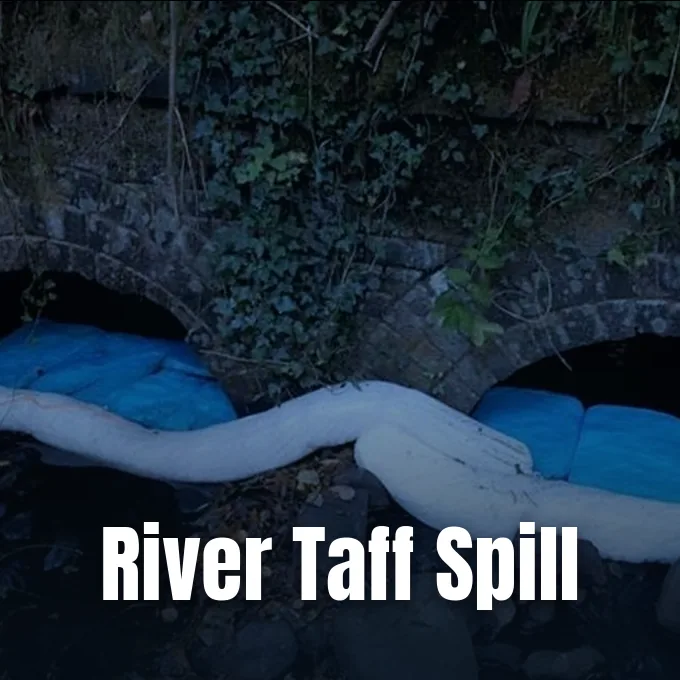
Two operational incidents during 2019 contributed to the twelve charges brought against Essar Oil at Warrington Magistrates’ Court. An open vent coupled with an unheeded operating procedure allowed fifteen to twenty tonnes of chemical material to escape into the Manchester Ship Canal during February 2019. In March 2019, a contractor vehicle struck and ruptured an effluent pipe on the refinery grounds. During emergency repairs, about 15 tonnes of partially treated sewage escaped into Thornton Brook, which flows directly into the protected Mersey Estuary [1].
Although these two 2019 incidents formed part of the twelve guilty pleas, the court did not impose additional financial penalties beyond the £800,000 fine levied for the wastewater breaches. The prosecution presented the chemical spill and sewage leak as evidence of wider operational lapses at the Stanlow site. Leaving an open vent contrary to written instructions caused tons of chemicals to enter the canal, while the vehicle collision broke an effluent line during work. Environmental coverage by BBC News detailed how the spills occurred in quick succession during early 2019 [1].
The February 2019 chemical leak highlighted how procedural non-compliance can lead to rapid environmental releases at an oil refinery. A vent remained open long enough for up to twenty tonnes of chemical product to escape into the canal. The March 2019 pipe break created a different hazard when contractor machinery compromised an effluent line, allowing fifteen tonnes of partially treated sewage into Thornton Brook during repair work. Both events showed how industrial infrastructure can fail without rigorous oversight [1].
Environment Agency Compliance Findings
The Environment Agency pursued legal action after monitoring data confirmed that the Stanlow refinery repeatedly violated its environmental permits across multiple inspection seasons. Nigel Glasgow, the area environment manager for the Environment Agency, said the case showed “a repeated failure to comply” with permit conditions. Officers from the agency documented how wastewater discharges exceeded legal caps at least 489 times between 2018 and 2020, assembling detailed records of oil on water surfaces and blackened plant life near outfalls. The regulator presented twelve distinct charges in Warrington Magistrates’ Court [1].
Magistrates also took three separate permit breaches from 2022 and 2023 into consideration without adding further fines to the sentence. These later events showed that compliance issues persisted beyond the initial three-year period. By factoring in the 2022 and 2023 breaches, the court addressed the wider operational history while centering the financial penalty on the ten major discharge offences from 2018 through 2020. Magistrates determined that the Stanlow refinery fine should reflect the persistent pattern of non-compliance across the site [1].
Regulatory oversight of the Stanlow facility required persistent monitoring by Environment Agency inspectors over several years. Agency staff inspected effluent outfalls, reviewed discharge logs and verified chemical concentrations in local waterways to determine whether Essar Oil adhered to its statutory permit requirements under United Kingdom law. A summary by BBC News confirmed that magistrates accepted all regulatory findings presented by the prosecution [1].
The Stanlow Refinery Fine and Site Upgrades
Following the Stanlow refinery fine, EET Fuels addressed the penalties and outlined steps taken to improve its environmental performance. An EET Fuels spokesperson said: “We take our environmental responsibilities extremely seriously and regret these historic incidents.” The company said it has invested more than £24m to upgrade its systems and correct the operational problems that Environment Agency officers documented during site inspections between 2018 and 2020. Upgrades focused on site-wide wastewater treatment systems [1].
A central part of the £24m investment involved rerouting refinery wastewater to United Utilities’ Ellesmere Port treatment works. EET Fuels said this change resulted in “a significant improvement in environmental performance” by cutting the number of unpermitted releases into local watercourses. The company reported that transferring effluent to the municipal treatment works led to fewer discharges into local streams and reduced the refinery’s freshwater use. By moving wastewater treatment offsite to United Utilities, the Stanlow facility aims to avoid repeated discharge breaches like those punished in Warrington Magistrates’ Court after three years of violations [1].
Rerouting effluent to an established municipal facility marked a major shift in how the Stanlow complex manages industrial runoff. United Utilities now handles complex industrial streams. The company maintained that this operational transition has helped lower environmental impact across Cheshire drainage basins while reducing reliance on local freshwater resources. The resolution of the court case established clear accountability while EET Fuels continued work under its £24m environmental improvement programme [1].
- ONLINE NEWS Saleem, H. (2026, November 19). Stanlow refinery: Essar to pay £873k over wastewater breaches. BBC News. [Article Link]
APA 7: PerEXP Teamworks. (2026, November 20). Essar Oil Faces £873k Fine over Stanlow Refinery Breaches. PerEXP Teamworks. https://perexpteamworks.com/en/stanlow-refinery-fine-water-breaches/


