



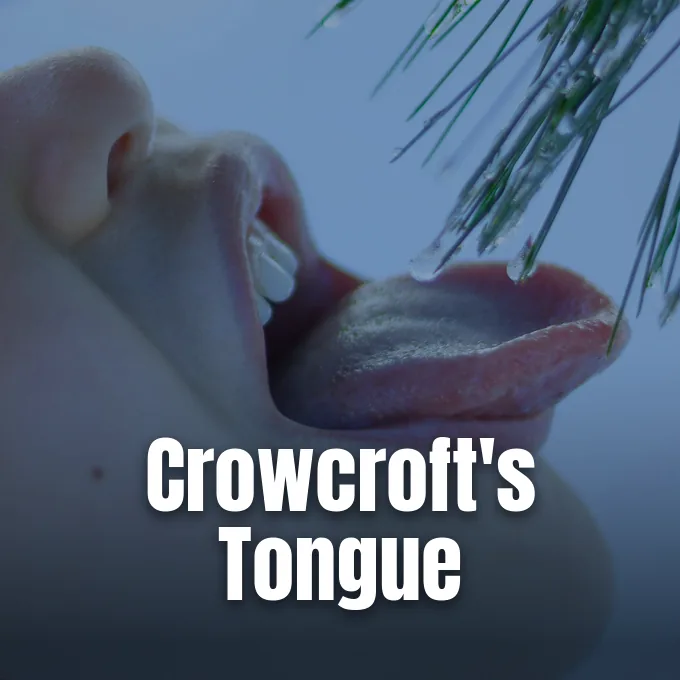
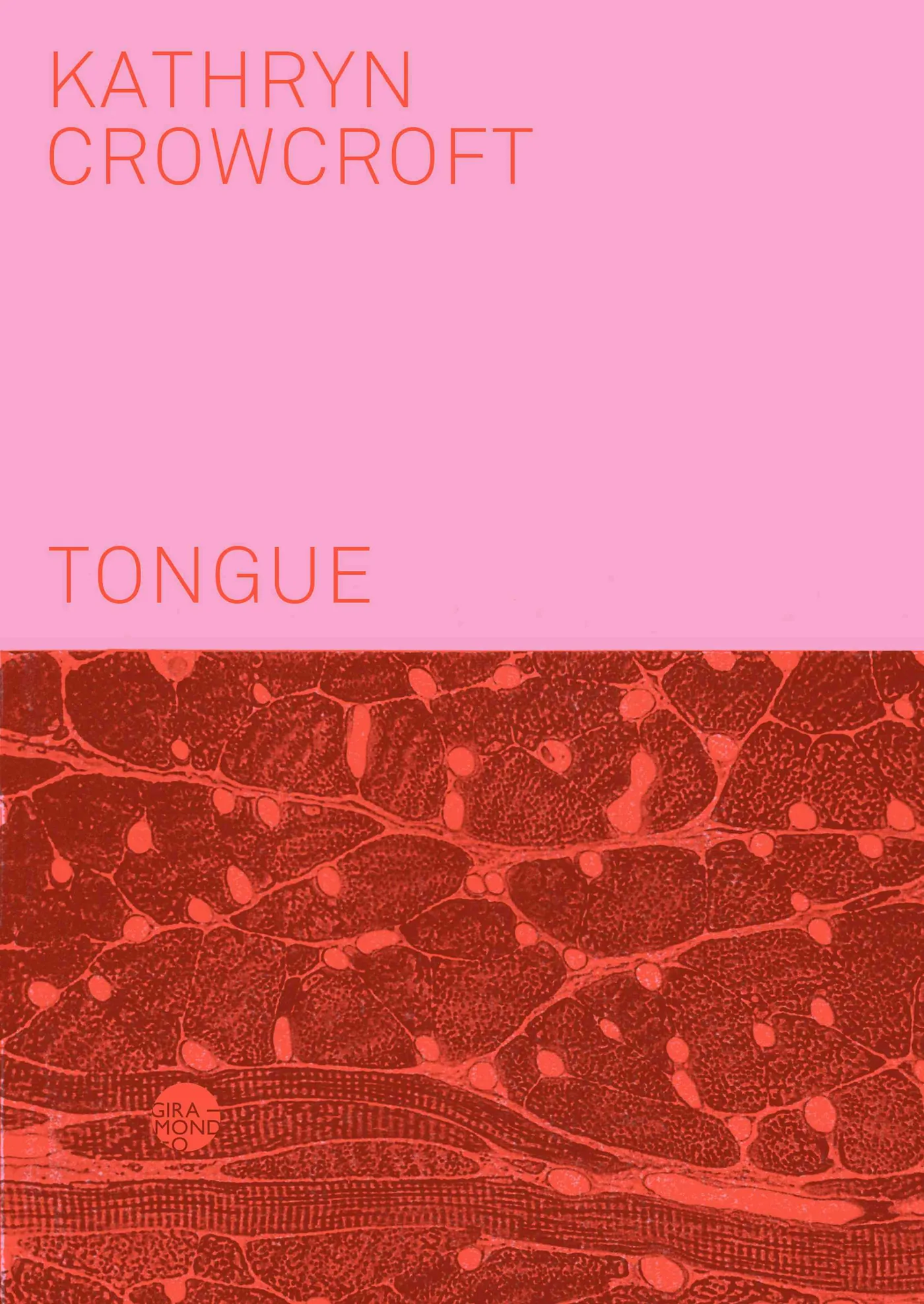
Australian author Kathryn Crowcroft has brought together the clinical history of oral anatomy and the painful realities of domestic silence in her debut book Tongue. The volume grew out of doctoral research that could not be held within conventional academic borders, moving from medieval medical ideas into the private corners of family memory. Rather than offering a standard scholarly report, the work examines how speech, fear, and unspoken trauma shape human relationships [3].
Anatomy of a Shapeshifting Muscle
The human tongue appears in early medical writings not merely as a tool for tasting food, but as a central player in medieval health, perception, and spiritual life. In an earlier paper on sensory theory in postmedieval, Crowcroft examined how medieval medical thinkers understood sensory balance as preventative care, tracking how physical organs guided the body through daily life and shaped human perception [1]. That historical view treated bodily sensations as active forces that could protect or harm the individual. In her later book, she returns to this bodily landscape, calling the tongue “an organ moulded by the art of movement, a shapeshifter” that constantly alters its form to make speech possible. Describing its tissues shifts between clinical detachment and lyrical wonder.
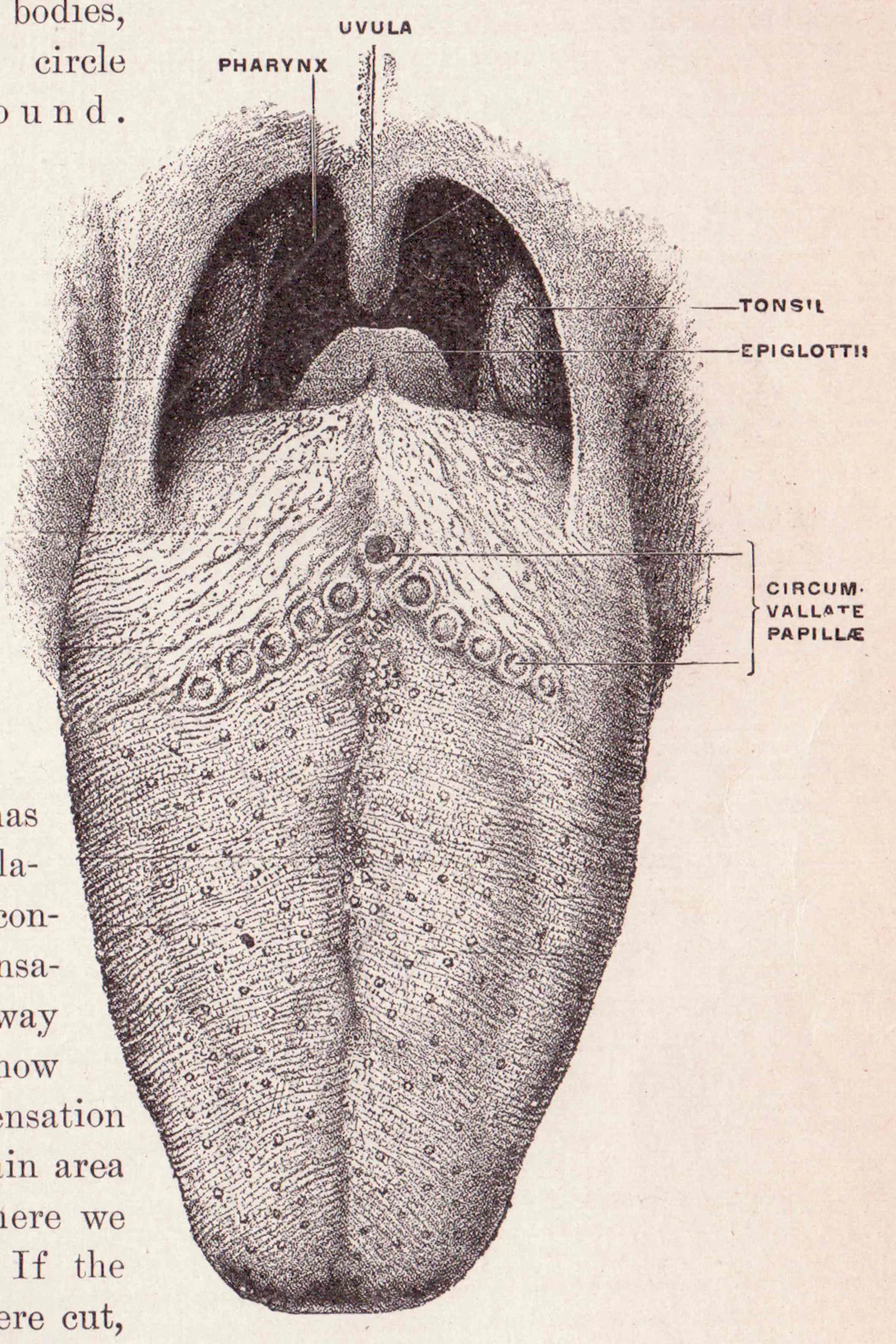
Medical archives show how difficult it has been for doctors to map this restless tissue. Historical texts offer striking drawings of the organ, including a 1910 medical book illustration of papillae preserved by Wikimedia Commons where tiny raised surface bumps look like little creatures resting quietly together on a public park bench [3]. Other archival plates reveal cross-sections of damaged membranes, swollen tissue resembling a dragon, and surfaces that are badly blistered or bitten through injury. These visual records capture an organ that sits at the center of human expression yet carries an unsettling, almost alien strangeness. It gives people the power to build poetry and weave intricate stories, but it also produces hurtful lies and spreads malice with equal ease.
How Kathryn Crowcroft Structured the Nodal Essay
To hold such disparate material together, Australian writer Kathryn Crowcroft turned away from standard linear storytelling. She had previously published scholarly articles in journals like postmedieval, but her academic work could not contain the domestic grief shadowing her research years [1]. Memory rarely moves in straight lines. The project needed a roomier structure. She adopted what critics describe as a nodal essay, gathering discrete fragments, memories, and clinical notes side by side.
Crowcroft uses these discrete narrative nodes to mirror how personal memory surfaces when families carry unresolved pain. In a review for The Conversation, Australian researcher Jen Webb noted that the text balances archival history with brief scenes involving colleagues named Florian, Rowan, and Dora [2]. Webb’s analysis circulated as an unreviewed preprint, meaning it has not undergone formal peer review, yet it captures the core tension between anatomical curiosity and emotional reticence. Australian publisher Giramondo released the finished volume, allowing Crowcroft to place clinical reflections right next to difficult family memories.
Why Does Speech Falter in Family Trauma?
Why is it so hard to speak plainly about violence inside a home? Throughout the memoir, Crowcroft traces the lasting shadow left by her late father, a man whose violent temper shaped her childhood. Neither she nor her mother has fully resolved their relationship with him, yet neither finds it easy to talk about what happened [3]. When her colleague Florian asked her to explain the details so he could judge if the harm was serious, she chose not to provide a play-by-play account of what happened. She wrote that she found it wiser to state the fact of violence alone, having no desire for martyrdom or public confession. Trauma silenced speech.
Clinical research shows that reluctance to name abuse directly connects with lasting behavioral patterns. Past studies on early-life stress and maladaptive behavior show how early domestic adversity creates deep patterns of emotional avoidance that persist across decades. In Giramondo editions, Crowcroft reveals how her mother developed indirect habits of speech to avoid naming her husband’s cruelty [3]. When suffering from a cracked rib, her mother described the injury as her rib “playing up” and said it “got fractured” instead of admitting that her husband had broken it during an argument. Speaking sideways became a survival mechanism, keeping the harsh reality at a safe distance from daily consciousness.


Unspoken Pain and Household Tension
Crowcroft and her mother navigated a persistent conflict between speaking out and staying quiet. The author pushed for honest confrontation, but her mother maintained a protective boundary of silence [3]. Their primary contact took place through brief text messages, where warmth and irony mixed awkwardly. Her mother regularly signed off with LOL, assuming the letters meant lots of love while her daughter read them as laugh out loud (commonly read as an expression of amusement).
Silence did not always bring peace to the household. Instead of dissolving pain, holding back words created new ambiguities that felt as dangerous as open conflict. Crowcroft remembered that during terrifying episodes of domestic violence in her youth, the muscle in her mouth turned into stone, making it physically impossible to cry out, plead, or protest [3]. Similar patterns of interpersonal conflict have been documented in clinical evaluations of short mindfulness practices on intimate partner aggression, where emotional suppression frequently worsens household friction. For Crowcroft, speech felt like handling an electrical appliance with live, sparking wires ready to shock anyone who dared to touch it. Words lost their stability whenever fear intervened.
Therapy Helping Kathryn Crowcroft Reclaim Her Voice
Recovering the ability to speak required physical and emotional re-education. Years after her father died, Australian author Kathryn Crowcroft visited a speech therapist to practice specialized exercises aimed at loosening her frozen oral muscles [3]. The sounds that came out during those therapy sessions felt awkward and raw, resembling the cries of an infant or a wounded animal struggling to find its breath. She described that painful vocal training as the process of birthing a new voice that finally emerged from the shadow of her father’s passing.
Ancient contemplative traditions offer a helpful parallel for understanding how speech connects with harm and restraint. In a reading of The Silence That Heals, published by Insight Timer, practitioners explore the yogic discipline of non-harming (non-violence in thought and word) [4]. The text reflects on how words can either injure or restore, observing that a person does not need sharpness in their tongue when gentleness heals old bitterness.

The discipline known as Ahimsa frames quietness not as passive absence, but as an active, listening presence [4]. By choosing kindness over retaliation, individuals learn to soften the sharp edges of emotional anger when old family conflicts resurface. When applied to domestic relationships, this practice suggests that finding an honest voice does not demand cruelty or revenge. Quiet moments can create space for understanding. Silence also speaks.
Finding Grace in Everyday Silence
Crowcroft makes clear that silence within families does not always have to signal unresolved anger or cowardice. Over time, she and her mother managed to reconcile their differing interpretations of their shared past, piecing together what she calls “a more graceful future” [3]. That sense of grace also mirrors observations in maternal health studies, where clinical reviews of mothers’ intrusive thoughts reveal how unspoken fears frequently accompany early infant caregiving and protective family instincts. For Crowcroft, moving past domestic violence did not erase their painful history, but it allowed them to establish quiet routines anchored in genuine care. Shared silence transformed into mutual respect.
The final pages of the book offer a quiet moment of generational renewal. Sitting quietly while nursing her tiny newborn daughter, Kathryn Crowcroft watches the infant open her mouth and lift what the author tenderly describes in the coda as “her leaf-like tongue” [3]. In that tender moment, silence feels like the truest response of all, free from the heavy burden of past violence. Language will arrive in its own time to give shape to the child’s thoughts, but for now, the simple muscular presence of life carries all the meaning that is needed. Words step aside to let life speak.
- ACADEMIC JOURNAL Crowcroft, K. (2017). Reconsidering sense: towards a theory of medieval preventative medicine. postmedieval: a journal of medieval cultural studies, 8(2), 162-169. [Article Link]
- PREPRINT Webb, J. (2026). A poetic meditation on the tongue also explores violence and silence within families. [Article Link]
- ONLINE NEWS Webb, J. (2026, October 18). A poetic meditation on the tongue also explores violence and silence within families. The Conversation. [Article Link]
- WEBSITE Insight Network. (2025, September 12). The silence that heals: A poem on ahimsa (non-violence). Insight Timer. [Article Link]
APA 7: PerEXP Teamworks. (2026). Kathryn Crowcroft Explores Anatomy and Family Silence in Tongue. PerEXP Teamworks.


