





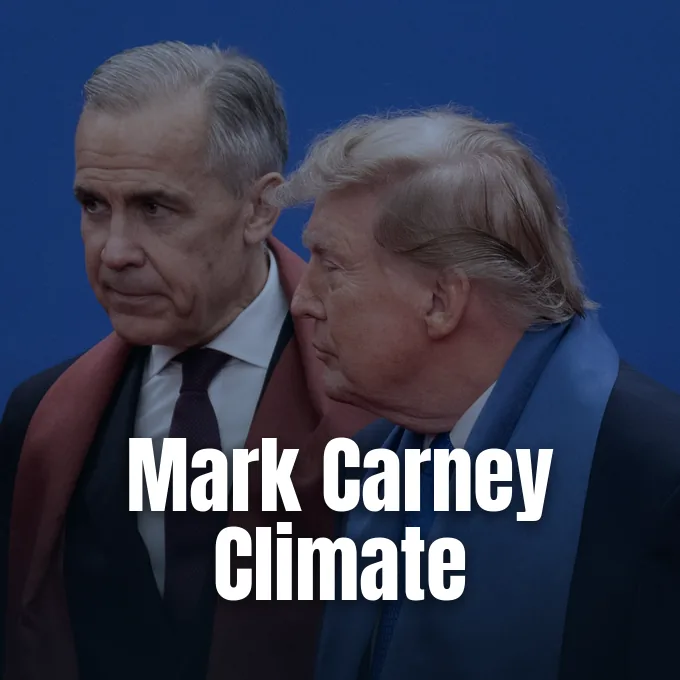
Canadian Prime Minister Mark Carney faced public rebukes at the COP31 climate conference in Antalya, as delegates from nongovernmental groups questioned Ottawa’s energy decisions [1]. The international meeting brought together heads of state and environmental observers to review national emission reduction pledges under the Paris Climate Agreement [3]. Previous administrations promised steady cuts to greenhouse gases, but federal policy shifted this year in favor of new pipeline approvals and consumer carbon tax relief [1].
The Climate Action Network at Antalya
Activists attending COP31 in Antalya awarded Canadian Prime Minister Mark Carney a Fossil of the Day award after he chose not to attend the leaders summit in Turkey. The satirical presentation singled out leaders from wealthy nations who skipped the gathering, placing Canada in an uncomfortable diplomatic spotlight. Soon after, Newsweek ranked Carney second on a list of global climate heretics, placing him behind Microsoft founder Bill Gates and ahead of United States President Donald Trump. These rebukes surprised observers because Carney previously acted as a vocal advocate for corporate net-zero transition plans at the 2015 Paris summit, long before he entered elective politics. The contrast between past pledges and current policy fueled frustration among delegates [1].
Sociologists M. C. J. Stoddart and D. B. Tindall observed that regularly scheduled diplomatic summits like COP26 in Glasgow and COP31 in Antalya create valuable public venues where civil society groups openly challenge official state policy positions. These international arenas allow independent observers to monitor state commitments and voice dissent that might otherwise get lost in closed ministerial talks [3]. In Antalya, public scrutiny centered on Canada’s decision to pause consumer carbon charges as Ottawa advanced oil extraction agreements with Alberta. Activists used the summit stage to question whether federal leaders still intend to honor international emissions pledges [1].
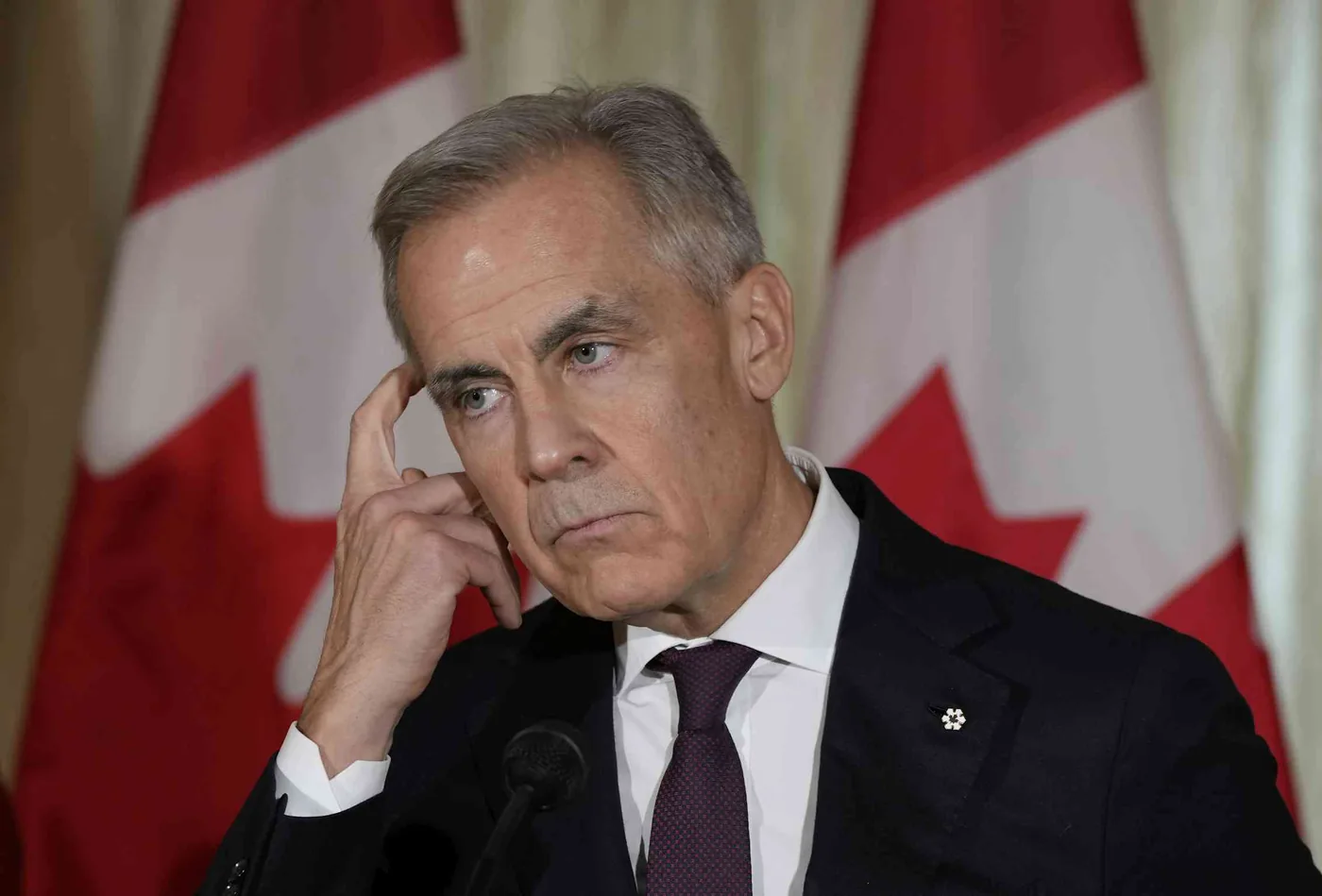
How Fossil of the Day Operates
The Climate Action Network organizes the Fossil of the Day ceremony at summits to expose governments that slow progress on environmental treaties. The presentation resembles a humorous television sketch, not a conventional press briefing. An activist in a dinosaur costume dances as music from the film Jurassic Park plays in the background, and participants sing satirical songs written specifically for the daily announcement. Sociologist Randall Collins noted that shared bodily copresence, focused mutual attention, and a common mood generate emotional energy and group solidarity during collective rituals. At COP31, delegates gathered in person to share camaraderie, channel moral frustration, and direct criticism at state officials who delayed treaty work. The lighthearted performance provides an engaging outlet for serious policy grievances [1].
Summit demonstrations function as public tools designed to sway news coverage and build voter pressure on elected governments [3]. Daily comedic awards bring media visibility to neglected issues, succeeding in Antalya by drawing international press attention straight to Ottawa’s controversial energy decisions [1]. Activists use symbolic theater to contest state priorities before a global press corps [3].
Mark Carney Shifts Federal Energy Policy
Canada’s environmental record has lagged behind most peer nations for years, but recent federal decisions accelerated that downward path. The Climate Change Performance Index (CCPI), which evaluates 64 countries and the European Union, ranked Canada 62nd in overall climate progress. Former federal environment minister Catherine McKenna openly criticized the government’s current direction, stating that official claims of staying on track to meet national emissions targets are “factually untrue”. At COP21 in Paris, former prime minister Justin Trudeau announced that “Canada is back!”, but the current administration dismantled key parts of that legacy. Soon after taking office, Carney canceled the consumer carbon tax introduced by Trudeau. Ottawa also signed an agreement with Alberta to advance a new oil pipeline, seeking to calm provincial political tensions and expand natural resource transport to overseas markets [1].
Sociological research by D. B. Tindall and colleagues shows that political stances on Canadian emissions policy closely reflect network ties within influential energy industry groups, where corporate relationships discourage production limits. Alberta oil sands developers consistently opposed extraction caps [4]. These entrenched industry ties shaped Ottawa’s retreat from consumer carbon pricing, as federal leaders attempted to quell political discontent fueling separatist sentiment across oil-rich Alberta communities. Resource revenues took priority over climate targets [1].


Policy Options for Public Resources
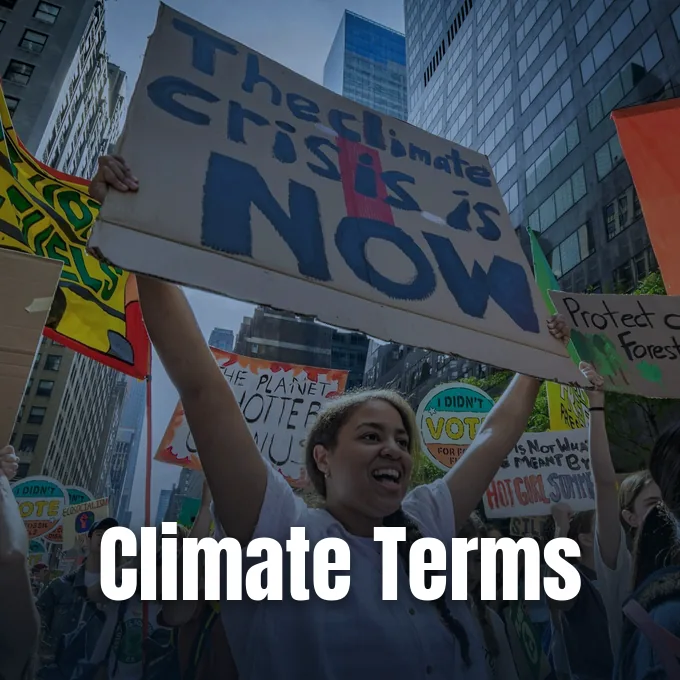
Economist Peter Dietsch argues that federal plans to spur resource investment through mega tax deductions mainly reward multinational firms and foreign shareholders instead of everyday Canadian citizens. Similar tax subsidies failed over past decades to distribute gains to middle-class workers, who saw little wage growth. Instead of subsidizing private pipeline projects or privatizing airports, Ottawa could adopt foundation models like Danish industrial trusts. Under that framework, public guidelines direct business earnings into social programs and environmental funds [2]. Analysis by B. Christophers shows that energy firms invest where profits are highest instead of where emissions cuts are needed, which makes public governance tools necessary to steer green capital [5]. Public debate over resource infrastructure also illustrates how climate change terminology shapes public concern among voters weighing economic security against conservation.
Vancouver International Airport in Richmond, B.C., represents one of four Canadian transportation hubs reviewed for potential privatization. Raising royalties on natural resource extraction licenses offers another viable path to fund public services and municipal programs without surrendering democratic control over public assets. Strengthening the role of the Canada Infrastructure Bank could also finance port facilities without selling public property to private buyers. Public ownership protects community benefits throughout long-term development cycles [2].
Bill C-39 Resource Governance
Federal legislation now moving through the House of Commons has raised alarms among labor groups and Indigenous communities. The omnibus Bill C-39 now before Parliament weakens statutory rights that permit nongovernmental organizations and First Nations to challenge resource infrastructure approvals in federal court. Easing these environmental oversight rules undermines democratic accountability in the name of economic speed. In northern Ontario, Chief Gary Quisess and the Neskantaga First Nation continue a legal fight to safeguard ancestral lands from industrial encroachment. Community leaders argue that Ottawa’s fast-track resource strategy mirrors heavy development policies seen south of the border, eroding trust with Indigenous nations that hold constitutional rights over territory [2].
Resource-dependent economies suffer when raw materials ship abroad without local refining, leaving lucrative downstream manufacturing jobs and finished product profits in foreign processing hubs instead of Canadian communities. Local processing provides an alternative. Investing in value-added processing for timber, metals, and minerals would generate steady employment across Ontario and British Columbia without expanding current extraction quotas or degrading ecosystems. Producer cooperatives offer another avenue. Previous federal support packages for automaker Stellantis and steelmaker Stelco failed to protect manufacturing employment after Ottawa granted corporate approvals [2].

Mark Carney Faces Trade Pressures
Ottawa defended the resource push [1]. Federal officials cited economic threats from the Trump-led United States, prompting Mark Carney to seek export infrastructure allowing Canadian oil and gas to reach markets outside North America. The strategy drew immediate skepticism. Critics argued that easing environmental oversight to counter Washington risks importing Donald Trump’s deregulatory approach, which enriches multinational shareholders while abandoning long-term emission reduction commitments. Cross-border disputes show how political shifts in Washington influence trade choices across North America. By treating pipeline expansion as a national defense issue, federal leaders attempted to shield extraction projects from judicial review and public protest [2].
In 2014, as governor of the Bank of England in London, Carney acknowledged that monetary responses to the global financial crisis exacerbated national income inequality. Three years later, in 2017, he founded the Network for Greening the Financial System to assess climate risks facing central banks [2]. That background makes his current pivot toward pipeline expansion and regulatory rollback a sharp departure from his earlier international advocacy. Whether Ottawa’s resource strategy is a short-term response to external pressure or a permanent pivot away from climate action will determine Canada’s international standing [1].
- ONLINE NEWS Tindall, D., & Stoddart, M. C. J. (2026, November 22). Fossil of the Day: Has Mark Carney made Canada a climate heretic? The Conversation. [Article Link]
- ONLINE NEWS Dietsch, P. (2026, November 22). Mark Carney’s fight against Donald Trump won’t make Canada stronger. The Conversation. [Article Link]
- ACADEMIC JOURNAL Stoddart, M. C. J., Tindall, D. B., Brockhaus, M., & Kammerer, M. (2023). Conference of the Parties Meetings as Regularly Scheduled Critical Events for Global Climate Governance: Reflecting on COP 26 and the Glasgow Climate Pact. Society & Natural Resources, 36(4), 442-450. [Article Link]
- ACADEMIC JOURNAL Tindall, D. B., Stoddart, M. C. J., & Howe, A. C. (2020). Social Networks and Climate Change Policy Preferences: Structural Location and Policy Actor Support for Fossil Fuel Production. Society & Natural Resources, 33(11), 1359-1379. [Article Link]
- ACADEMIC JOURNAL Christophers, B. (2022). Fossilised Capital: Price and Profit in the Energy Transition. New Political Economy, 27(1), 146-159. [Article Link]
APA 7: PerEXP Teamworks. (2026, November 23). Canadian Leader Mark Carney Draws Climate Backlash over Energy Pivot. PerEXP Teamworks. https://perexpteamworks.com/en/mark-carney-climate-policy-canada/


