

Federal investments in aerospace education often raise questions about whether specialized training can successfully engage teenagers before graduation. When nasa opportunities for students enter local classrooms through the State Hubs initiative (a competitive workforce development program), technical training shifts directly to secondary schools. How does an educational grant transform standard academic curricula into functional aerospace career paths? In September 2026, NASA awarded $10.5 million across seven nationwide organizations to fund regional workforce partnerships. [1]
State Hubs Back Aerospace Talent
The competitive funding structure establishes localized regional centers designed to link public secondary schools with regional aerospace manufacturers, engineering institutions, and emerging spaceport logistics operations across participating states. Aerospace demands diverse proficiencies. Through this framework, Space Florida secured federal backing to establish Project ORBIT, a coordinated educational blueprint targeting middle school and high school classrooms. By organizing specialized instruction around actual manufacturing practices, the agency seeks to expand technical course offerings while elevating overall student participation in vocational career pathways across Central Florida. The initiative also funds a statewide digital employment portal designed to connect certified technicians directly with commercial aerospace employers seeking skilled labor. [1]
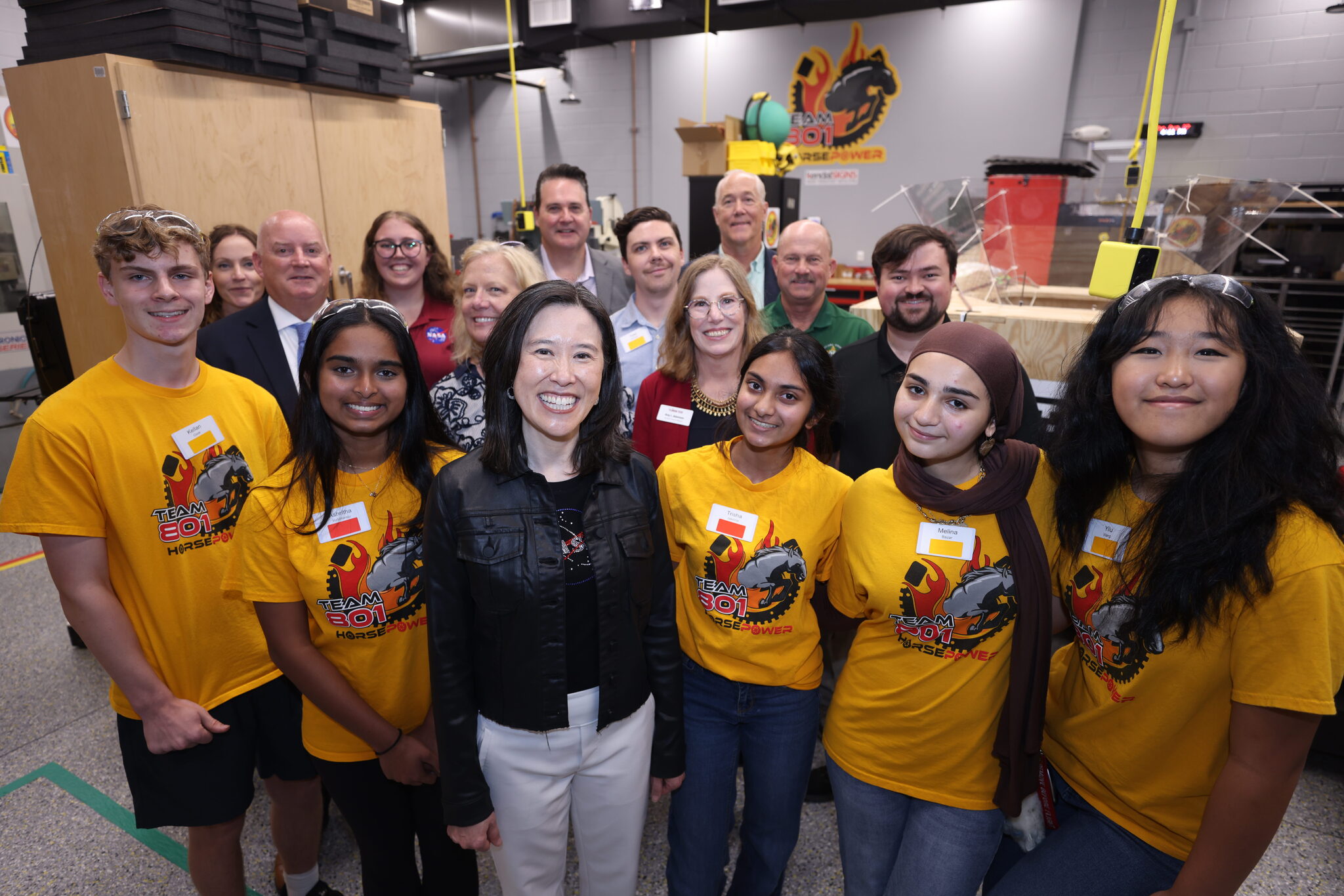
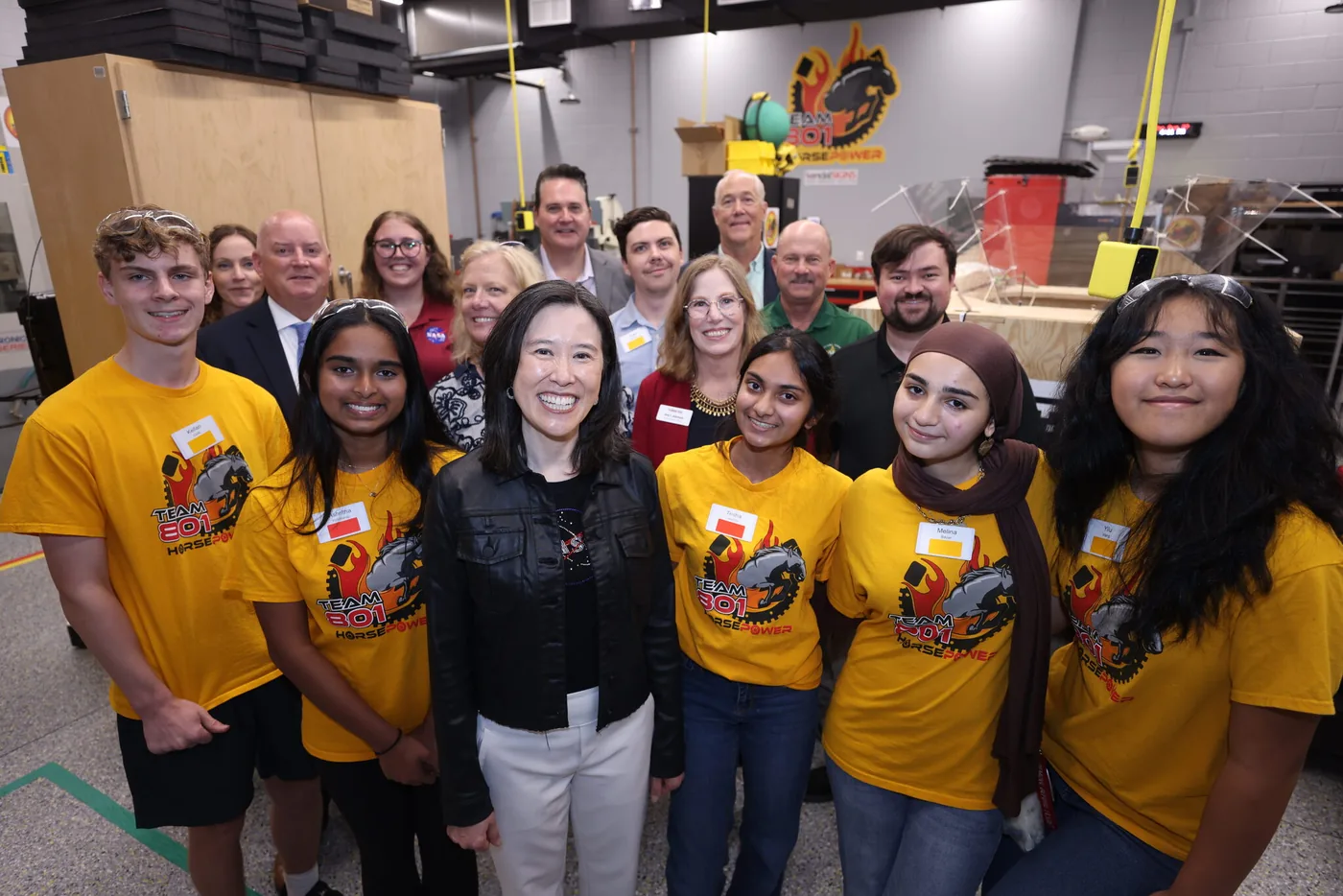
NASA leadership visited regional campuses to observe these technical programs in physical classroom settings. Elaine Ho, who serves as associate administrator for the agency’s Office of STEM Engagement, traveled to Central Florida to inspect training programs with local educational leaders and aerospace industry partners. Skills take root early. State Hubs programs demonstrate how federal support can convert ambitious aerospace goals into tangible classroom tools, bringing new nasa opportunities for students preparing for technical certifications. By expanding educational reach in public school systems, federal administrators help regional academies build sustainable technical talent pipelines that supply qualified technicians to growing aerospace industries. [1]
How Project ORBIT Expands Training
Statewide technical programs require extensive cooperation between regional education authorities and industrial partners. Can regional high schools prepare teenagers for specialized aerospace careers before they complete secondary education? The Space Florida Academy demonstrates this structural transition by equipping participating districts with standardized curricula in aviation maintenance, advanced manufacturing, computer networking, semiconductor fabrication, and heavy construction trades. Expanding nasa opportunities for students relies heavily on maintaining rigorous instruction that reflects modern industrial standards across public school districts. Florida provides fertile ground. [1]
Since its launch in August 2024, the Space Florida Academy expanded from 23 to 42 participating school districts. [1]
School district participation demonstrates significant regional interest in vocational training that links foundational academic study with practical certifications in logistics, commercial construction, advanced manufacturing, and modern cybersecurity. Instructors focus on real-world industrial competencies rather than purely theoretical instruction. By coordinating directly with aerospace employers through Project ORBIT, participating campuses ensure that laboratory coursework reflects the exact technical proficiencies demanded by contemporary spaceflight operations. The resulting technical pipeline supplies certified graduates directly to regional facilities supporting ongoing space exploration initiatives across the state. Coordinated state programs enable public schools to modernize laboratory facilities while maintaining high instructional standards for all participants. [1]
Central Florida Students in Action
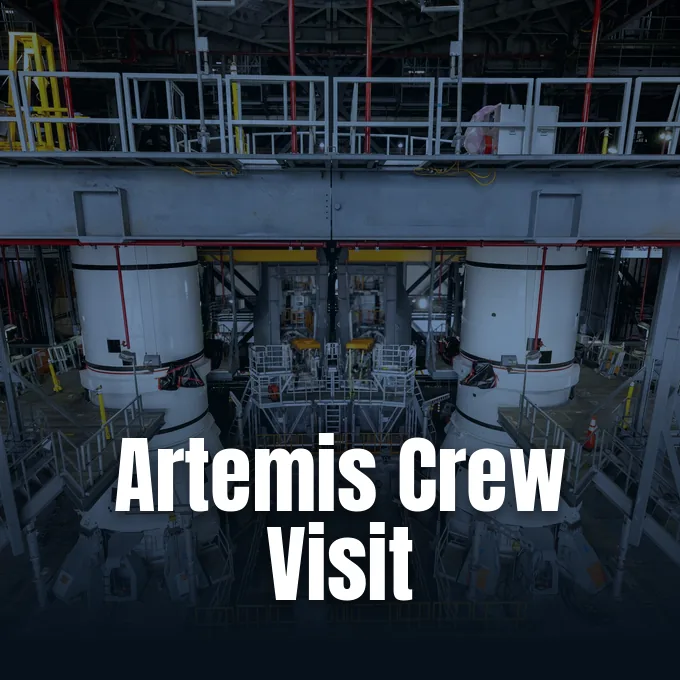
During the September 2026 inspection tour, Elaine Ho visited three public campuses located across Central Florida. At Lyman High School in Longwood, Florida, students presented working demonstrations in robotics engineering, structural building trades, precision welding, and introductory aerospace engineering. Classroom projects mirror flight operations. These practical demonstrations show how secondary institutions integrate vocational mechanical skills with complex aerospace design, reflecting industrial assembly tasks similar to the Artemis 3 crew tour of Kennedy booster stacking. [1]
The inspection delegation subsequently traveled to Merritt Island, Florida, to evaluate additional specialized technical programs. At Merritt Island High School, leaders inspected the Aeronautics & Flight Exploration program (AFEX) along with dedicated cloud computing classrooms that train students in enterprise software architecture. Nearby, the robotics laboratory at Edgewood Junior/Senior High School demonstrated automated hardware systems engineered entirely by enrolled secondary students. Hands-on instruction changes student perspectives. [1, 2]
Secondary school instructors emphasize that students often misunderstand the breadth of career paths available within the modern aerospace sector. Dean Cuke, who teaches astronautics and aviation flight in the Merritt Island AFEX program, explained that instruction focuses on ‘showing students what’s possible’ while equipping them with foundational operational tools. Cuke emphasized that aerospace enterprises require diverse capabilities extending well beyond traditional piloting or orbital science. Through structured learning and active mentoring, instructors help teenagers discover accessible technical roles, providing tangible inspiration that parallels autonomous engineering achievements like the Ingenuity helicopter mission on Mars. [1]

NASA Opportunities for Students in Technical Fields
Secondary learners experience meaningful shifts. Student pilots Olivia Street and Troy Wallenburg, both juniors enrolled at Merritt Island High School, illustrated the impact of nasa opportunities for high school students by describing how direct flight exploration fundamentally shaped their future academic trajectories. Street noted that participating in flight training made her feel ‘part of something way bigger’ than standard coursework (career and technical education), clarifying her ambition to fly professionally. Wallenburg explained that having loved space his whole life, the curriculum provided gratifying confirmation that he was actively involved in aerospace work. [1]
Aerospace workforce development specialists emphasize that modern launch operations and commercial space stations require an extensive range of specialized proficiencies extending far beyond conventional orbital astrophysics. Industrial aerospace manufacturing pipelines require certified structural welders capable of sealing pressurized alloys, precision machinists fabricating flight hardware, and dedicated cybersecurity analysts protecting mission-critical telemetry communications. By introducing nasa opportunities for students within public vocational academies, Space Florida and NASA ensure that secondary students recognize these viable employment alternatives. Elaine Ho highlighted that local students demonstrate remarkable aptitude for solving complex engineering dilemmas, emphasizing that federal programs focus on making advanced technical opportunities easier for young people to reach. [1]
Program evaluators emphasize that early technical exposure builds confidence among teenage participants. Early engagement strengthens career commitment. When high school juniors practice structural welding or program robotic sensors, abstract aerospace concepts transform into concrete vocational skills that directly prepare them for high-demand technical careers. These educational experiences demonstrate how structured public investments can foster regional industrial stability across competitive technology sectors. Providing adolescents with practical tools equips them to pursue diverse technical paths across modern engineering enterprises. [1]
Can the Public Visit NASA Facilities?
Public inquiries regarding aerospace outreach often confuse commercial visitor centers with educational workforce initiatives. Members of the public frequently ask whether visiting NASA flight centers is free or open without restrictions? Major operational facilities such as Kennedy Space Center operate official visitor complexes that require paid admission tickets and security screening for general public tours and tourist attractions. In contrast, educational outreach programs funded through State Hubs operate directly within participating public schools, ensuring that technical instruction, laboratory equipment, and aerospace curricula remain accessible without charging tuition to enrolled students. [1]
Operational policies clarify how NASA engages different regional communities across Florida. Access remains the primary objective. While commercial complexes serve vacationing visitors, Project ORBIT and the Space Florida Academy deliver hands-on technical instruction directly into classrooms, creating direct nasa opportunities for students and enabling nasa school visits that connect teenagers with active industry mentors. Students gain direct exposure to aerospace engineering, automated robotics, and cloud computing without traveling away from their local school districts. Classroom-based technical education provides consistent instruction that sporadic visitor center visits cannot replicate. [1]
Federal STEM engagement administrators emphasize that sustained aerospace expansion requires removing economic barriers that might otherwise prevent talented public high school students from pursuing rigorous technical training in emerging space industries. By funding regional hubs, NASA supports state-level educational networks that absorb curriculum development and facility modernization costs. Participating school districts provide advanced laboratory equipment and professional instruction that would otherwise exceed typical municipal educational budgets, ensuring equitable student access across rural and urban communities alike. Public partnerships bridge funding gaps. [1]
Building Pathways to Space Careers
Long-term national aerospace competitiveness depends on establishing durable employment pipelines that successfully transition secondary students from introductory technical coursework into certified industrial positions across the commercial space sector. Industrial demand continues to accelerate. The expansion of the Space Florida Academy to 42 school districts demonstrates how systemic coordination between federal agencies, state organizations, and public classrooms can build a resilient skilled workforce. Project ORBIT’s upcoming statewide employment portal will provide certified graduates with direct digital visibility among aerospace contractors seeking qualified technicians. By unifying secondary classroom instruction with verifiable industry credentials, Florida establishes a practical framework that other regional hubs may emulate as commercial space operations expand nationwide. [1]
As mission cadences increase across commercial spaceports, demand for skilled technical talent will test regional educational infrastructures. Through targeted federal investments like the State Hubs awards, nasa opportunities for students provide clear roadmaps that turn adolescent fascination with rocketry into lifelong technical careers. Practical training changes student horizons. Whether teenagers choose aerospace welding, drone avionics, autonomous robotics, or orbital flight mechanics (high-demand vocational pathways), Florida’s expanding academy programs demonstrate that the next generation of space workers will emerge directly from public high school classrooms. Educational collaboration ensures that regional talent matches the operational demands of future exploration. [1]
- PRESS RELEASE NASA STEM Team. (2026, September 16). NASA visits schools strengthening Florida’s skilled workforce. NASA. https://www.nasa.gov/image-article/nasa-visits-schools-strengthening-floridas-skilled-workforce/ [Article Link]
- WEBSITE NASA. (2026, September 16). Elaine Ho and partners visit Edgewood Junior/Senior High School [Photograph]. NASA. https://www.nasa.gov/wp-content/uploads/2026/09/ho-partners-edgewoodjrsr.jpg [Article Link]
APA 7: TWs Editor. (2026, September 17). How NASA opportunities for students reach Florida classrooms. PerEXP Teamworks. https://perexpteamworks.com/en/nasa-opportunities-for-students/