





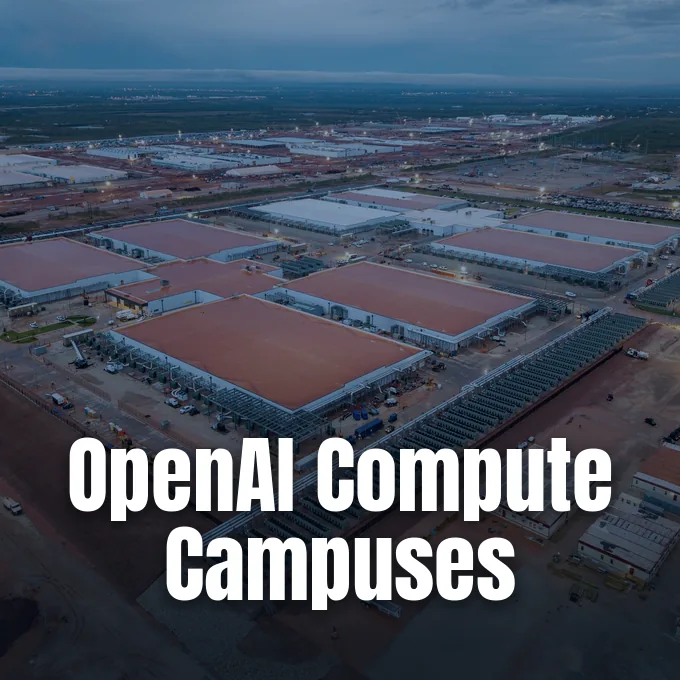
OpenAI has started renaming its planned server hubs. OpenAI introduced the term OpenAI compute campuses to replace older data center labels as public pushback over power and water use mounts in several states. The new wording surfaced on Monday when OpenAI revealed an energy plan for an upcoming build in Effingham County, Georgia, seeking to calm neighborhood worries about blackouts during cold winter freezes. In a roughly 900-word release, OpenAI used the phrase compute campus repeatedly while mentioning data centers only twice. Local critics quickly argued that changing public words does nothing to lower the heavy energy appetite or environmental harm of massive artificial intelligence hardware [1].
The Effingham County Power Initiative
OpenAI launched the effort with its Grid Protectors Program. The program focuses on easing strain on public utility networks during emergency spikes and winter storms, starting at a planned site in Effingham County where Georgia leaders questioned whether large server hubs will drain local power. OpenAI stated that it plans to “pay the costs we create” while helping nearby Effingham County towns keep lights on during severe freezes. OpenAI argued that its new builds differ from older server halls by staying flexible in power draw. Effingham County utility groups still question how quickly an OpenAI cluster can drop load when temperatures plunge [1].
OpenAI had never used the term on its public website before this week [1]. An OpenAI spokesman told Business Insider and Tom’s Hardware that compute campuses better describe the scale and role of hardware built for artificial intelligence, bringing long-term investment in energy systems, server racks, and skilled local jobs [2]. Yet PauseAI US critics say the buildings still plug into the exact same high-voltage public power grid [1].
In the Georgia text, data center appeared only twice. The phrase was used once to describe national power demand, and once to contrast older server designs with new OpenAI hubs. OpenAI says modern clusters can shed electrical load quickly when Georgia town reserves drop. Effingham County neighbors still worry that such promises will fade once heavy training runs begin [1].

Why OpenAI Compute Campuses Emerged Now
The timing connects closely to Washington politics (particularly around energy policy). According to Axios, OpenAI started planning a public relations push in August to reshape how voters view AI hardware ahead of midterm elections. OpenAI strategists expect artificial intelligence to become a core debate issue in the 2028 presidential campaign [2].
Chris Lehane, OpenAI global affairs officer, explained that the midterm elections will serve as “a bit of a movie trailer for what you’re going to see in 2028”. Lehane said voters tie big server hubs to higher power bills, water use, and job worries. Earlier this year, Sam Altman defended moving RAM to data centers to improve hardware performance across large clusters. Lehane described proposed safeguards and community pacts as “speed limits” intended to win public trust before firms break ground on new OpenAI compute campuses across the country. Lehane believes voter scrutiny will only intensify as utility bills increase [2].
Other political figures have also pushed for new tech labels. In late September, President Donald Trump urged federal agencies to replace artificial intelligence with “super intelligence,” claiming that the word artificial made the tools sound synthetic across official government reports and public directives. The State Department told staff to adopt the phrasing in official papers. Nvidia head Jensen Huang previously called sites “superintelligence factories,” while Elon Musk planned to rename SpaceXAI to SpacexSI [2].


Local Resistance to Large Data Centers
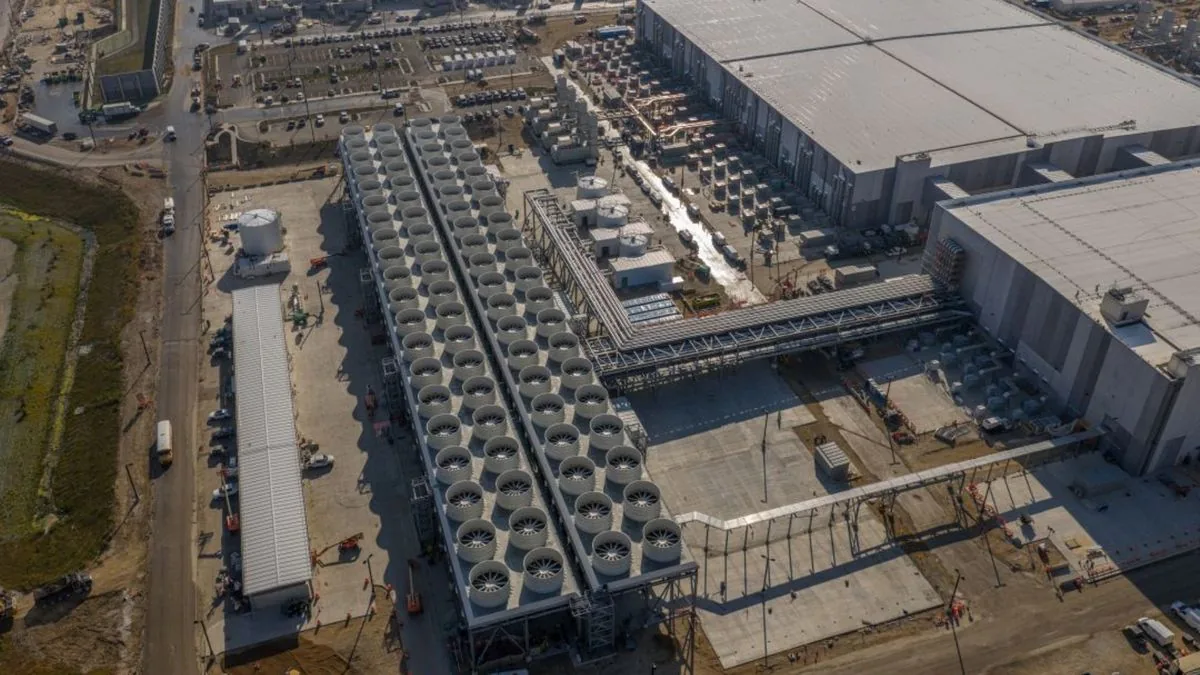
Hostility toward large computing hubs has spread rapidly across American towns as utility bills climb. A report published by real estate brokerage Redfin in May showed that 47% of Americans surveyed oppose having a new server hub built near their home community. Neighbors in multiple states complain about loud cooling fans running all night, air pollution from diesel backup generators, and unexpected jumps in monthly electricity rates. Many residents say tech developers rarely hold open town hall sessions before securing local zoning permits, leaving voters feeling shut out of decisions that shape their local energy grid [2].
Public anger has already halted major builds. In northern Virginia, Amazon abandoned plans for four data centers last month after community groups protested site footprints and noise levels. In Michigan, at least 19 municipalities moved to restrict new data centers following public outcry over the $16 billion Stargate project led by OpenAI and Oracle in Sanile township. Michigan residents packed town halls in Sanile to demand strict limits on water consumption and power lines [2].
Much of the tension stems from secrecy (recorded in state filings as Sanile). An August report revealed that developers often sign non-disclosure agreements with municipal leaders, keeping project details hidden from taxpayers until land purchases finish and public utility allocations are already approved. Power allocations are already locked in by then [2]. That lack of early transparency has fueled deep public distrust across Georgia and Michigan [1].

Criticism Over Renaming AI Compute Campuses
Advocacy groups dismissed the new vocabulary as mere spin. PauseAI US director Holly Elmore told The Verge that calling sites compute campuses will not satisfy towns facing noisy construction, noting that “rebranding them ‘compute campuses’ may fool listeners once or twice but it’s not the name ‘data center’ that is unpopular — it’s the giant, polluting construction projects that apparently threatened to turn off people’s heat in the winter”. Elmore called the OpenAI release “woefully tone deaf”. Towns that dislike such projects won’t believe that a new title changes what the buildings actually do, Elmore warned [1].
Abre’ Conner, director of the NAACP Center for Environmental and Climate Justice, expressed similar doubts. Conner said that changing words does not cure an infrastructure problem that causes harm to public health and habitats. “Changing the name does not fix the problem and makes it seem like people’s health and our environment are public relations problems not environmental and climate concerns,” Conner said. Conner argued that OpenAI should slow development rather than alter its branding [1].
Critics say the term attempts to make industrial server warehouses sound like leafy college grounds [1]. Towns in Georgia remain focused on millions of gallons of water needed to cool processor racks [2]. OpenAI did not respond to questions from The Verge about its new wording [1]. Neighbors in Effingham County still want binding legal limits rather than voluntary goodwill pledges from OpenAI [2].
Community Pledges from Competing AI Labs
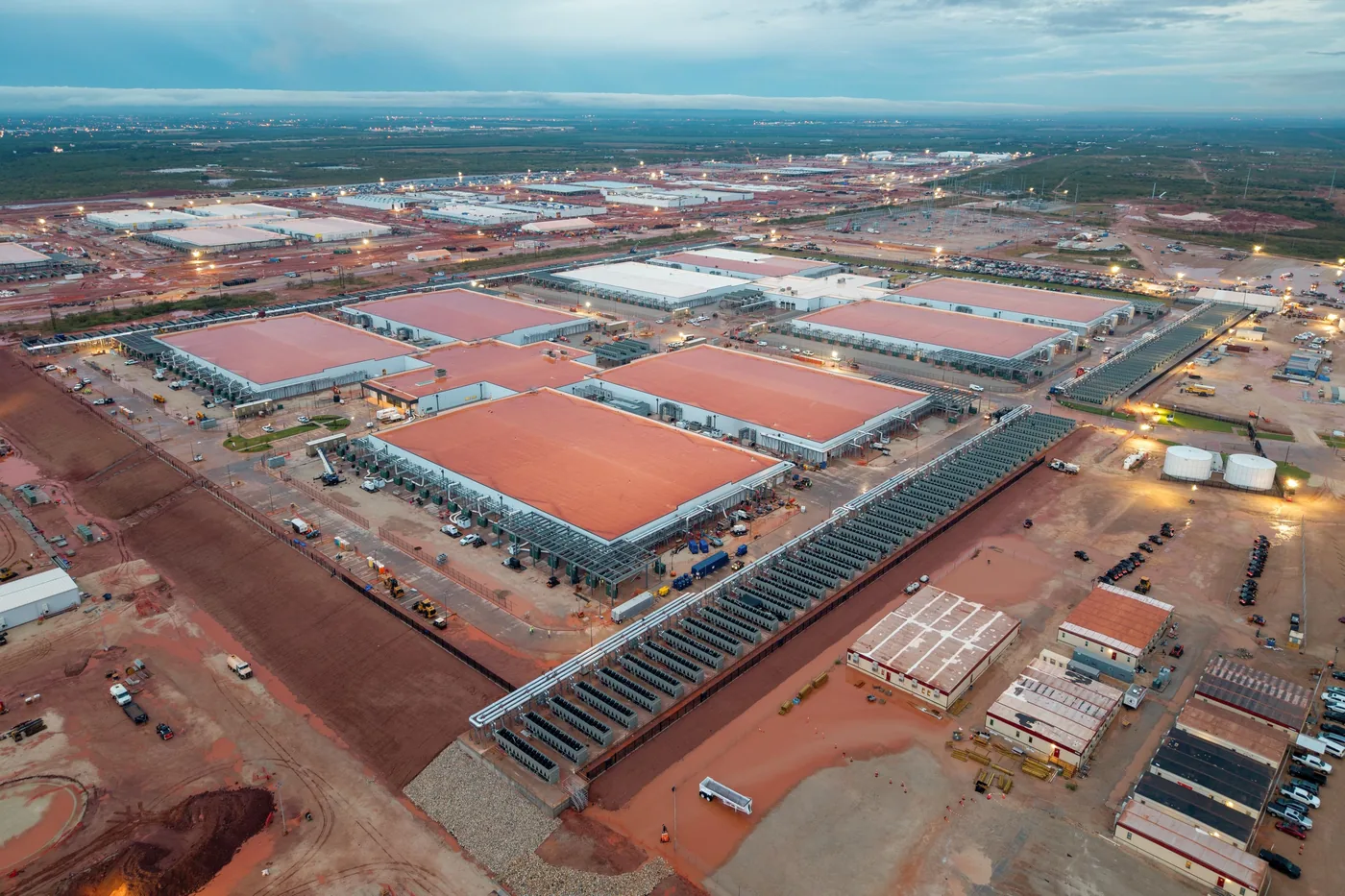
OpenAI is not alone in this effort. In January, Microsoft announced a community-first plan, pledging to cover power rate hikes linked to its sites and fund local job training. Meta created new research labs in 2025 to develop advanced computing systems while managing power needs [2]. Meanwhile, rival AI lab Anthropic went further by pledging to pay 100 percent of the utility upgrades needed to connect its facilities to public power grids [1].
Anthropic also promised to invest billions into civic projects and pledged never to ask public leaders to sign non-disclosure pacts. Those promises cover leased and owned Anthropic sites, though its recent S-1 filing ahead of an initial public offering reveals plans to build more gas-powered hubs across several regions. Elmore suggested that OpenAI’s decision to rebrand its data centers as OpenAI compute campuses was an attempt to keep pace with Anthropic’s policy announcements, though she claimed OpenAI isn’t spinning the issue nearly as well [1].
Whether new names will satisfy wary neighbors is uncertain. Lehane conceded that public scrutiny is inevitable, stating that “communities should hold companies responsible and accountable so they really and truly get a transformative benefit from these projects” [2]. In Effingham County, Georgia residents will continue watching their power bills closely [1]. A fresh name cannot hide how much electricity an OpenAI server hub pulls from the wall [2].
- ONLINE NEWS Hart, R. (2026, November 3). OpenAI is quietly renaming data centers ‘compute campuses’. The Verge. [Article Link]
- ONLINE NEWS Gitonga, N. (2026, November 2). OpenAI considers rebranding data centers to ‘AI compute campuses’ as data center backlash intensifies. Tom’s Hardware. [Article Link]


