





Apple is exploring plans to turn its voice assistant into an autonomous digital agent as early as next year, according to reporting from Bloomberg reporter Mark Gurman. Writing in his Power On newsletter, Gurman reported that Apple leadership wants the software to pursue multi-step goals without requiring user intervention at every stage. While the assistant currently handles prompt-based tasks, this planned Siri AI update would align Apple with competing agent tools from OpenAI and Meta [1].
How John Ternus Steers the Siri AI Update
During a closed-door meeting in recent weeks, Apple CEO John Ternus directed software engineering chief Craig Federighi to accelerate development and move past basic assistant refinements. Gurman reported that Ternus urged the software group to push beyond simple conversational answers [1].
Rival platforms have pushed digital assistants toward autonomous action, creating clear competitive pressure for Apple. Companies like OpenAI, Meta, and SpaceXSI have deployed agent systems such as Dots, Muse, and Grok Bot that manage complex jobs across independent sessions without constant prompting. Gurman pointed to these third-party agents as benchmarks for Apple, explaining that “Dots, Muse and Grok can keep track of goals, determine what needs to happen next and continue pursuing objectives without the user initiating every individual step.” He added that “Apple ultimately wants to go in this direction, I’m told, and I believe the company could make Siri more like an agent as early as next year” [2].
Apple hasn’t officially confirmed any target release dates or product specifications for autonomous agent software. News reports describe Gurman’s forecast as an informed projection rather than a scheduled rollout date. The report attaches no specific device list, hardware pricing tier, or regional timetable to the agent initiative [4].
First-Party Controls in iOS 27.3
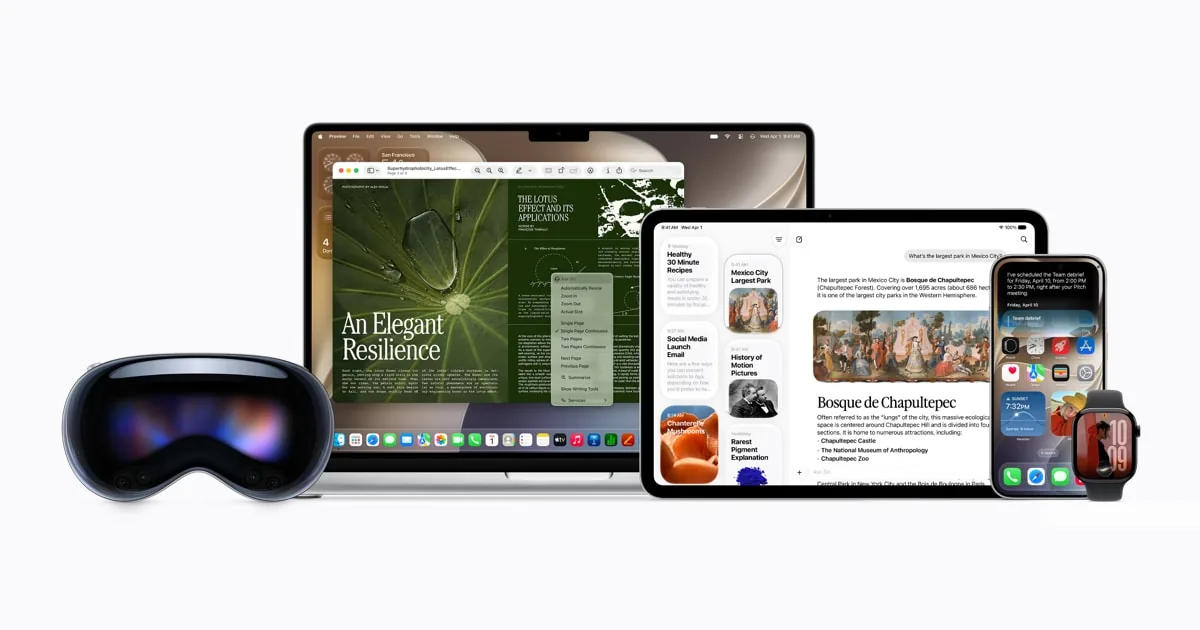
Before any full agent debuts, Apple plans to deliver deeper app control through upcoming maintenance releases. In iOS 27.3, the voice assistant gains fine-grained control over built-in applications, allowing users to execute multi-step requests without touching the screen. The software can rotate and crop images inside Photos or organize open tabs across Safari browsing sessions. These changes establish the core automation routines required for more ambitious agentic behavior later on. In a separate product launch experience in Los Angeles on Wednesday, October 28, Apple invited selected media members to view upcoming hardware, indicating how software and device updates continue moving in tandem [3].
Broader third-party application integration isn’t expected to arrive until spring 2027, according to reporting from The Verge and 9to5Mac. That future upgrade could let the assistant place food delivery orders through Grubhub or reserve dining tables through OpenTable without opening either program [2].
Apple relies on its App Intents framework to map these workflows, bypassing heavy virtual machine emulators used by competing platforms. Siri AI is already active for United States customers using compatible hardware with their device language set to English. Earlier platform updates began expanding regional availability, detailed in coverage of how Apple confirms four Siri AI languages coming by year end across global devices. AndroidPure notes that nothing in Gurman’s latest report changes current device setup procedures [4].

Faster Development Sprints for iOS 28
To meet accelerated software goals, Apple has restructured its internal engineering schedule for upcoming operating system releases. Gurman reported that development teams working on the initial M1 milestone for iOS 28, iPadOS 28, and macOS 28 received six weeks of coding and feature exploration, followed by two weeks of convergence. Under Apple’s standard engineering rhythm, development cycles split evenly into two four-week stages. The revised schedule provides engineers with extra runway to prototype agent algorithms before locking in system builds. In his newsletter, Gurman observed that “for this cycle, though, Apple has done things differently for the M1 milestone,” giving developers more freedom to test novel concepts before convergence deadlines arrive [2].
Apple employees reportedly favor the revised schedule because it gives teams more room to experiment before entering integration locks. As TheOutpost.ai reported, executive pressure stems directly from shifting consumer expectations that favor proactive background tools over simple question-and-answer bots [7].
The timing shift reflects broader executive impatience inside Cupertino headquarters. During recent roadmap reviews, Ternus told Federighi that Apple must move past incremental fixes and deliver proactive features capable of managing persistent goals. That push comes as Apple readies supporting silicon across its hardware portfolio, including the fourth-generation Apple TV 4K powered by an A19 chip delivering up to 50 percent faster processor performance and surround sound pairing with four HomePods. Software leadership understands that powerful on-device chips need capable agent software to demonstrate their real value [1].
Dynamic Island Tools and Model Routing
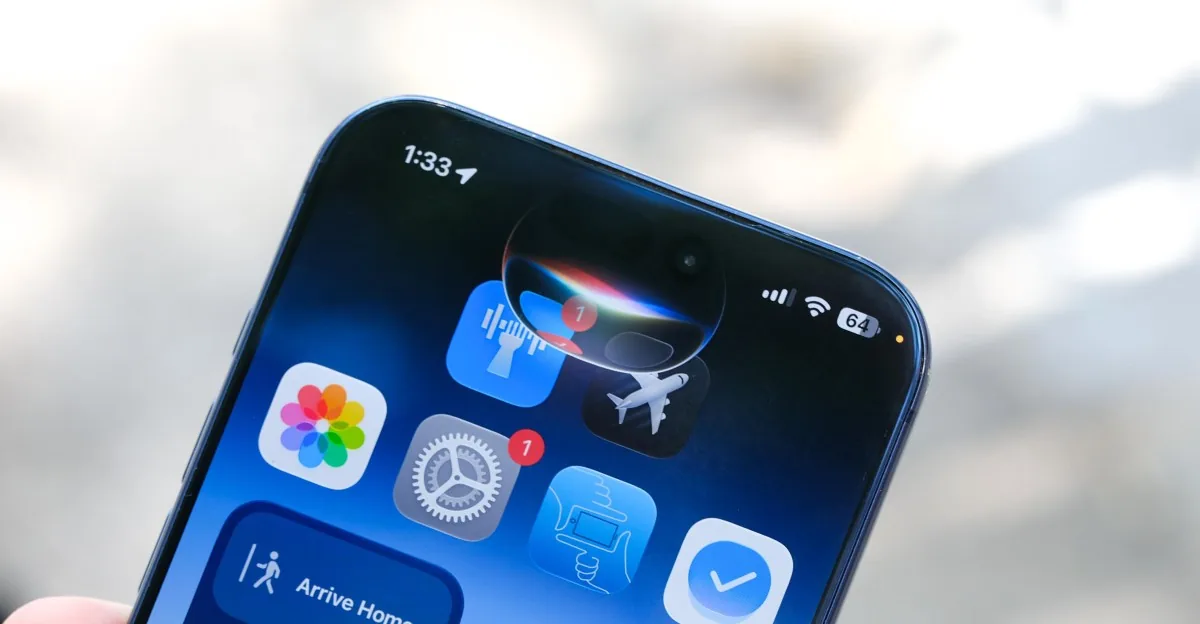
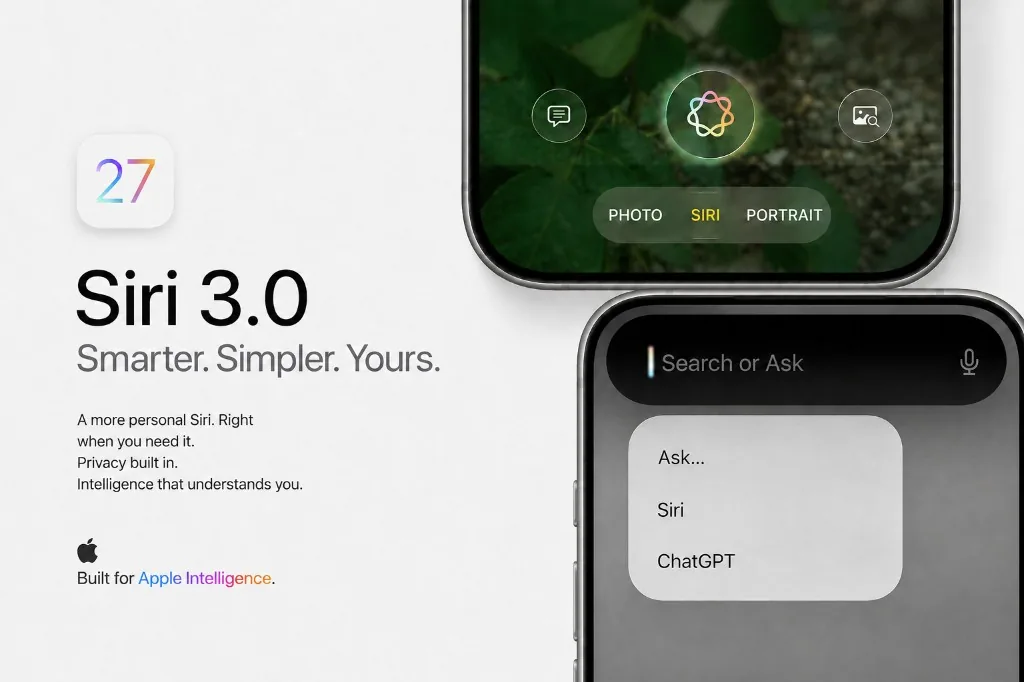
A major visual component of Apple’s assistant overhaul appeared in earlier reporting from WakoAI Inc. and Bloomberg. The redesigned assistant lives directly inside the pill-shaped Dynamic Island at the top of recent iPhone displays. Holding the physical side button or speaking the wake word triggers a compact animation that emerges from the hardware housing without taking over the full display. Anchoring the assistant to the island presents it as a resident background service, always ready to handle quick tasks without disrupting active apps. Earlier leak documents described this design as Apple’s largest interface adjustment in nearly 15 years, moving voice interactions from an intrusive overlay into a persistent status element [8].
For typed input and deeper queries, Apple designed a Search or Ask interface accessed by swiping down from the top center of the screen. Leaked interface mockups display a pill-shaped search bar with a drop-down menu that lets users route prompts between Siri, ChatGPT, and third-party models [8].
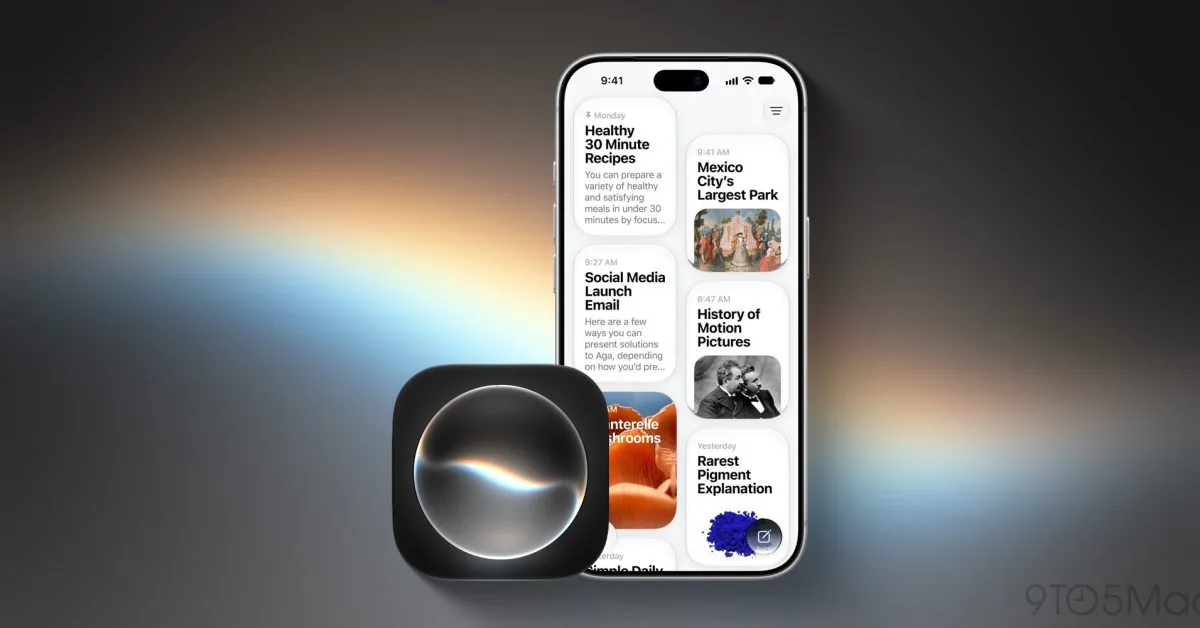
Apple has tested model integrations with Google’s Gemini technology and Anthropic’s Claude to handle complex reasoning tasks with its own search tools. By treating search as an intent router, the system evaluates incoming requests and directs them to the most capable model or local tool. Apple also developed a dedicated chatbot-style Siri application that maintains conversational memory and past interaction history across synchronized devices. Users can browse past threads, attach files or photos for on-screen analysis, and ask the assistant to parse schedule conflicts across Calendar and Reminders [8].
Privacy Safeguards Within the Siri AI Update
Moving from single-request tools to autonomous agents introduces practical questions about user permissions and system oversight. As The Apple Post explained, asking an assistant to move one email is a defined instruction, but asking it to monitor an inbox and organize messages over several weeks involves continuous autonomous decision-making. Incorporating these persistent routines into the Siri AI update forces Apple to define when the assistant may act independently and when it must pause for explicit user confirmation. Clear permission prompts help prevent mistakes while users learn how autonomous background tasks function across everyday apps [5].
Apple’s primary advantage in building an assistant agent lies in its deep access to personal context across messages, emails, photos, and calendar entries stored locally. Yet full autonomy often requires communicating with external web services that operate beyond Apple’s direct privacy architecture [5].
Regulatory rules also shape rollout schedules across international markets. Apple announced at WWDC26 that Siri AI will not be available initially on iOS, iPadOS, or watchOS in the European Union, though Mac and Vision Pro users running compatible languages retain access. In China, software features remain on hold while Apple addresses regional compliance standards. Craig Federighi said during the preview that “we’re delivering the next generation of Apple Intelligence across our platforms,” but local regulatory hurdles must be resolved before autonomous features see global deployment [6].
- ONLINE NEWS Rossignol, J. (2026, November 8). Siri AI Rumored to Become ‘More Like an Agent’ as Early as Next Year. MacRumors. [Article Link]
- ONLINE NEWS Burkhardt, M. (2026, November 8). Apple aiming to make Siri ‘more like an agent’ as soon as next year: report. 9to5Mac. [Article Link]
- ONLINE NEWS O’Brien, T. (2026, November 8). Apple is racing to make Siri more agentic. The Verge. [Article Link]
- ONLINE NEWS News Desk. (2026, November 9). Siri Could Become an AI Agent as Early as Next Year, Gurman Reports. AndroidPure. [Article Link]
- ONLINE NEWS Joseppi, D. (2026, November 8). Why Apple’s smarter Siri still isn’t a true AI agent. The Apple Post. [Article Link]
- PRESS RELEASE Apple. (2026, June 8). Apple unveils next generation of Apple Intelligence, Siri AI, and more. Apple Newsroom. [Article Link]
- ONLINE NEWS Navi. (2026, November 8). Apple Races to Make Siri AI Agent More Agentic in 2027. TheOutpost.ai. [Article Link]
- WEBSITE Brokering, K. (2026, May 28). The New Siri in iOS 27: Apple’s Leaked AI Assistant, Search or Ask, and ‘Siri 3.0’. WakoAI Inc. [Article Link]


