






SSRI antidepressants treat major depression and anxiety by altering chemical communication between brain neurons [2]. They work by blocking the serotonin transporter protein SERT, which prevents presynaptic cells from taking back serotonin from the synaptic space [1]. By keeping serotonin active in synapses for longer spans, these drugs allow neurotransmitters to stimulate postsynaptic receptors again and again. Although transporter blockade takes place within hours of ingestion, clinical symptom relief takes weeks because complex brain circuits need time to adjust their receptor sensitivity to sustained serotonin signaling [2].
- What Is the Major Action of SSRI Antidepressants?
- History of Second-Generation Antidepressants
- Clinical Evidence for Major Depression
- Care for Anxiety and Trauma Disorders
- How Do Non-SSRI Antidepressants Differ?
- SSRI Antidepressants Side Effect Profile
- Heart Rhythm Risks and Drug Interactions
- Withdrawal from SSRI Antidepressants
What Is the Major Action of SSRI Antidepressants?
The main action of SSRI antidepressants centers on blocking the serotonin transporter SERT, a specialized membrane protein that normally clears released serotonin on presynaptic nerve endings. When vesicles release serotonin into the synaptic cleft to transmit signals, binding of SSRI antidepressants to SERT halts this rapid cellular clearance so that neurotransmitter molecules linger in the extracellular space to stimulate postsynaptic receptors repeatedly [1].
This transport blockade happens right away, yet patients rarely feel better during the first days of care [1]. Lab tests show that high synaptic serotonin triggers gradual changes in cell receptors over several weeks [2]. Daily drug intake desensitizes inhibitory 5-HT1A autoreceptors located on raphe nuclei neurons, which removes an internal brake and lets brain cells fire at normal rates again. Without this receptor adjustment, neurons simply release less serotonin in response to the blockade [1]. As autoreceptors quiet down, serotonin signaling flows smoothly into cortical and limbic targets that shape mood, sleep, and appetite, connecting to key pathways described in serotonin hormone functions.
While each drug in this class targets SERT, individual molecules possess distinct chemical shapes that alter their uptake, tissue binding, and clearance throughout the body [1]. Fluvoxamine shows notable binding affinity for sigma-1 receptors, which researchers suggest may aid thinking and memory [2]. Doctors choose among Fluoxetine, Citalopram, Escitalopram, Paroxetine, Sertraline, and Fluvoxamine based on patient health profiles and specific drug interactions [1].
History of Second-Generation Antidepressants
Medical care for depression began with serendipitous lab findings in the mid-twentieth century. In 1952, doctors studying Iproniazid as an antimycobacterial drug for tuberculosis noticed that treated patients became cheerful, energetic, and optimistic. Biochemical tests revealed that Iproniazid slowed the breakdown of serotonin, norepinephrine, and dopamine by inhibiting the monoamine oxidase enzyme. This finding created monoamine oxidase inhibitors, or MAOIs, as the first modern drug class for mood disorders. Although MAOIs relieved deep depression, dangerous dietary reactions with aged foods containing tyramine and toxic interactions with common cold remedies severely limited their general use in outpatient care. Doctors sought safer alternatives for everyday psychiatric clinics [8].
During the same decade, chemists synthesized Imipramine, launching the tricyclic antidepressant class, or TCAs. Imipramine worked by preventing neural terminals from reclaiming released serotonin and norepinephrine from extracellular fluid. TCAs caused dry mouth, blurred vision, and weight gain by blocking muscarinic cholinergic, alpha-adrenergic, and H1-histaminergic receptors, while carrying serious risks of fatal heart toxicity during overdose [8].

In the 1960s and 1970s, the catecholamine hypothesis proposed that low monoamine levels cause mood disorders. This hypothesis encouraged pharmaceutical chemists to design compounds that could block SERT selectively without binding to muscarinic, histaminergic, or adrenergic receptors in heart muscle and peripheral blood vessels [8]. In 1988, Eli Lilly and Company introduced Fluoxetine to the United States market, inaugurating the second-generation antidepressant era and providing clinicians with a therapeutic option that patients tolerated far better than older tricyclic agents. Soon, Citalopram, Paroxetine, and Sertraline entered regular medical use worldwide [1].
Clinical Evidence for Major Depression
Epidemiologists report that major depressive disorder affects about 4.4% of people worldwide [1]. In 2022, clinical guidelines from the UK National Institute for Health and Care Excellence recommended SSRI antidepressants as first-line care for moderate to severe depressive episodes, while reserving non-drug interventions for mild presentations unless a patient specifically asks for medication [2].
Clinical trial data show modest differences between active drugs and sugar pills. A 2018 review of 21 drugs showed that every active pill beat placebo in adults facing major depression. However, reviewers found that 73% of studies carried moderate risk of bias, 9% had high risk, and “the certainty of evidence was moderate to very low”. An analysis of FDA trials showed that antidepressants produced modest benefits over placebo, with about 15% of patients experiencing substantial drug-specific responses. Many trial participants improved on placebo alone. Average symptom changes often fall near the minimal threshold for clinical noticeability in adult depression [2].
Psychiatric methodologists point out that defining response as a 50% symptom cut dichotomizes continuous data and inflates drug-placebo differences. Furthermore, reviews show no consistent proof that depression stems from low serotonin levels in brain tissue. Long-term drug use may even lower baseline serotonin levels. Many depressed patients show biological patterns that overlap with serotonin deficiency symptoms. Clinicians evaluate individual symptoms and family history when deciding whether SSRIs like Sertraline or Escitalopram will help [2].

Care for Anxiety and Trauma Disorders
Beyond mood episodes, NICE guidelines recommend SSRI antidepressants for generalized anxiety disorder, social anxiety disorder, and panic disorder when talking therapies prove inadequate. For obsessive-compulsive disorder, Canadian guidelines designate SSRIs as first-line therapy, while UK guidelines advise them for moderate to severe impairment, often pairing Sertraline or Fluoxetine with exposure therapy to achieve maximum symptom reduction in children [2].
Trauma conditions also respond to targeted serotonergic therapy. The FDA approved two specific SSRI antidepressants, Paroxetine and Sertraline, for post-traumatic stress disorder. In 2023, VA/DoD guidelines designated these two drugs as first-line pharmacological options when trauma psychotherapy is unavailable. A 2022 Cochrane review showed positive treatment outcomes for 58% of individuals on active medication versus a 35% rate for those on placebo [2].
Medical uses extend to eating disorders, chronic pain, and reproductive health. Fluoxetine is FDA-approved for bulimia nervosa, where short trials show fewer binge eating episodes, but trials for anorexia nervosa yielded negative results. Guidelines from the American Psychiatric Association advise against using SSRIs for weight gain in anorexia. For premature ejaculation, Dapoxetine is approved because delayed orgasm becomes the desired treatment goal [2]. Systematic reviews by Marjoribanks and coauthors in the Cochrane Database of Systematic Reviews showed that SSRIs relieve premenstrual syndrome effectively when taken either continuously or during the luteal phase [13]. Stroke reviews by Mead and coauthors noted that Citalopram improved motor and cognitive scores in select trials [14]. In veterinary medicine, Fluoxetine treats canine separation anxiety [2].

How Do Non-SSRI Antidepressants Differ?
While SSRI antidepressants selectively block SERT, serotonin-norepinephrine reuptake inhibitors, or SNRIs, inhibit both the serotonin transporter SERT and the norepinephrine transporter NET across peripheral and central nerve terminals. Dual inhibition alters both neurochemical pathways to manage chronic neuropathic pain and fibromyalgia [8]. Following the launch of Venlafaxine in 1993 as the first phenylethylamine SNRI, regulators approved Milnacipran, Duloxetine, and Levomilnacipran, with Eli Lilly and Company securing FDA clearance for delayed-release Cymbalta capsules in 2004 for major depressive disorder. Daily Cymbalta regimens begin at 30 mg to 60 mg, reaching up to 120 mg to manage both mood symptoms and chronic pain [10].
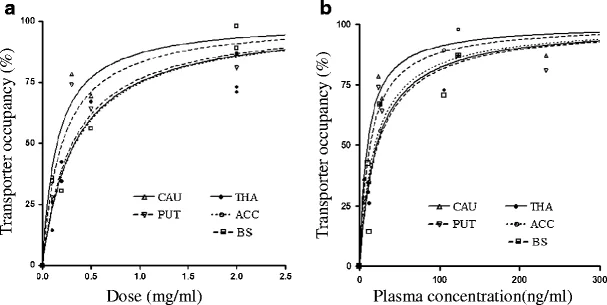
Transporter binding ratios differ between dual-action drugs. In an in vivo PET imaging study on cynomolgus monkeys, researchers Akihiro Takano, Christer Halldin, and Lars Farde measured transporter binding in living brain tissue. Their scans showed that in nonhuman primates, the Kdplasma ratio of SERT to NET reached 1.9 for venlafaxine and 0.6 for milnacipran. Both drugs produced balanced in vivo inhibition of SERT and NET, refuting test-tube assays that had reported a 30-fold difference for Venlafaxine. In vivo PET scans clarify real brain drug binding [6].

Scientists have also tested triple reuptake inhibitors, or SNDRIs, which block SERT, NET, and the dopamine transporter DAT. Cocaine acts as a short-acting SNDRI, causing rapid euphoria and high addiction risk via dopaminergic stimulation. Experimental synthetic drugs like DOV 102,677, centanafadine, and tesofensine show that higher serotonergic binding dampens cocaine-like self-administration in animal trials [9].
SSRI Antidepressants Side Effect Profile
Side effects vary among SSRIs [2]. Common early complaints documented in clinical trials include nausea, dry mouth, loose stools, reduced appetite, fatigue, tremors, and motor restlessness such as akathisia during the first weeks of starting drug therapy [10]. Sexual difficulties trouble many people taking SSRI antidepressants, often leading patients to stop their prescribed pills [2].
Sexual difficulties include low libido, erectile dysfunction, delayed ejaculation, genital numbness, and anorgasmia. For some people, these issues last long after stopping medication, a condition called post-SSRI sexual dysfunction, or PSSD. Reported PSSD symptoms include persistent genital numbness, emotional blunting, anhedonia, and cognitive fog that continue for months or years after patients stop taking their prescribed serotonergic drugs. One Dutch safety report documented a case lasting 23 years. Diagnostic criteria for PSSD were proposed in 2022, but verified treatments remain scarce. Doctors manage sexual problems by adding Sildenafil, prescribing Buspirone, or switching to Bupropion. Alternative drugs like Mirtazapine, Tianeptine, Agomelatine, and Moclobemide do not cause these sexual problems [2].
Young people face psychiatric risks that demand close doctor oversight. In children, teens, and young adults aged 18 to 24, SSRIs carry an FDA black box warning for increased suicidal thoughts and behavior during early treatment [1]. In contrast, FDA data showed that antidepressants lowered suicide risk in adults aged 65 and older [10]. Anyone in mental distress can call or text 988 to reach the Suicide and Crisis Lifeline in the United States. The 988 lifeline provides free confidential help at all hours [7].
Heart Rhythm Risks and Drug Interactions
Certain SSRIs alter heart electrical signals by lengthening ventricular repolarization. In December 2011, the European Pharmacovigilance Working Party and GOV.UK published safety warnings for Citalopram and Escitalopram. Electrocardiogram trials showed dose-dependent increases in the Fridericia-corrected QTc interval. For Citalopram, a 20 mg daily dose prolonged the QTc duration by an average of 7.5 milliseconds, bounded by a 90% confidence spread from 5.9 to 9.1, while 60 mg daily lengthened it by 16.7 milliseconds (90% CI 15.0–18.4). Escitalopram lengthened QTc by 4.3 milliseconds (90% CI: 2.2–6.4) at 10 mg daily, while 30 mg doses pushed the interval higher by 10.7 milliseconds with a 90% confidence interval of 8.6 to 12.8. Low blood potassium or low magnesium worsens these electrical cardiac delays [3].
QT interval prolongation can trigger dangerous ventricular arrhythmias, including Torsade de Pointes, especially in women, older adults, and people with heart failure. Arrhythmias pose lethal risks. Health authorities established strict maximum daily ceilings of 40 mg for Citalopram and 20 mg for Escitalopram in healthy adults, lowering these limits to 20 mg and 10 mg for patients older than 65 years or those with hepatic impairment. If a patient’s QTc interval exceeds 500 milliseconds, doctors must taper and stop the drug [3].
Dangerous drug clashes occur when mixing SSRI antidepressants with other serotonergic medicines. Combining SSRIs with MAOIs, Linezolid, or intravenous Methylene Blue can cause life-threatening serotonin syndrome. DailyMed rules demand a 14-day pause between stopping an MAOI and starting Cymbalta [10]. In Neurology, Hackam and Mrkobrada found that SSRIs raise intracranial hemorrhage risk (RR 1.48) and increase bleeding when paired with oral blood thinners (RR 1.56) [11].
Withdrawal from SSRI Antidepressants
Stopping SSRI antidepressants or cutting doses too fast can trigger antidepressant discontinuation syndrome. Withdrawal starts within days. As reviewed by Tamam and Ozpoyraz in Advances in Therapy, this clinical condition produces dizziness, electric shock sensations in the head, vivid dreams, nausea, headache, fatigue, insomnia, and anxiety that resolve rapidly once the patient restarts the original drug [4].
In Psychotherapy and Psychosomatics, Fava and coauthors reviewed 15 randomized trials, 4 open trials, 4 retrospective investigations, and 38 case reports, confirming withdrawal symptoms occur across all major SSRI drugs [5]. In 1997, Stahl reported to the WHO system that Paroxetine caused higher rates of withdrawal reactions than longer-acting drugs (Eur J Clin Pharmacol 53:163–169). Price and Waller in 1996 examined post-marketing safety across four selective inhibitors (Br J Clin Pharmacol 42:757–763). Black in 1993 tracked abrupt Fluvoxamine stoppage (J Clin Psychiatry 54:146–149), while Hindmarch in 2000 measured psychomotor disruption during brief treatment interruption (Int Clin Psychopharmacol 15:255–261, 305–318). Haddad in 1998 (BMJ 316:1105–1106) and Rosenbaum in 1998 (Biol Psychiatry 44:77–83) found similar withdrawal patterns [4].
Pregnancy choices require careful balance between maternal mental health and fetal safety. In a Finnish registry study of 6,976 first-trimester exposed births, Malm and coauthors found that SSRIs did not increase overall major birth defects (adjusted OR 1.08). However, Fluoxetine was linked to ventricular septal defects, while Paroxetine was associated with right ventricular outflow tract defects [12]. In the third trimester, Cymbalta and other reuptake inhibitors may cause neonatal adaptation problems such as respiratory distress, jitteriness, low muscle tone, and feeding difficulties [10]. Because stopping medication suddenly can trigger severe depressive relapse in pregnant mothers, doctors advise women to discuss individual risks with their care team rather than halting pills abruptly [7].
- ACADEMIC JOURNAL Edinoff, A. N., Akuly, H. A., Hanna, T. A., Ochoa, C. O., Patti, S. J., Ghaffar, Y. T., Kaye, A. D., Viswanath, O., Urits, I., Boyer, A. G., Cornett, E. M., & Kaye, A. M. (2021). Selective Serotonin Reuptake Inhibitors and Adverse Effects: A Narrative Review. Neurology International, 13(3), 387-401. [Article Link]
- WEBSITE Wikipedia. (2026). Selective serotonin reuptake inhibitor. Wikimedia Foundation. [Article Link]
- REPORT GOV.UK. (2011). Citalopram and escitalopram: QT interval prolongation. Drug Safety Update, 5(5), A1. [Article Link]
- ACADEMIC JOURNAL Tamam, L., & Ozpoyraz, N. (2002). Selective serotonin reuptake inhibitor discontinuation syndrome: A review. Advances in Therapy, 19(1), 17-26. [Article Link]
- ACADEMIC JOURNAL Fava, G. A., Gatti, A., Belaise, C., Guidi, J., & Offidani, E. (2015). Withdrawal Symptoms after Selective Serotonin Reuptake Inhibitor Discontinuation: A Systematic Review. Psychotherapy and Psychosomatics, 84(2), 72-81. [Article Link]
- ACADEMIC JOURNAL Takano, A., Halldin, C., & Farde, L. (2013). SERT and NET occupancy by venlafaxine and milnacipran in nonhuman primates: a PET study. Psychopharmacology, 226(1), 147-153. [Article Link]
- WEBSITE Cleveland Clinic. (2023). What Do SNRIs Treat and How Do They Work? Cleveland Clinic Health Library. [Article Link]
- WEBSITE Wikipedia. (2026). Serotonin–norepinephrine reuptake inhibitor. Wikimedia Foundation. [Article Link]
- WEBSITE Wikipedia. (2026). Serotonin–norepinephrine–dopamine reuptake inhibitor. Wikimedia Foundation. [Article Link]
- REPORT Eli Lilly and Company. (2023). Highlights of Prescribing Information: CYMBALTA (duloxetine delayed-release capsules), for oral use. DailyMed, National Library of Medicine. [Article Link]
- ACADEMIC JOURNAL Hackam, D. G., & Mrkobrada, M. (2012). Selective serotonin reuptake inhibitors and brain hemorrhage. Neurology, 79(18), 1862-1865. [Article Link]
- ACADEMIC JOURNAL Malm, H. T., Artama, M., Gissler, M., & Ritvanen, A. (2011). Selective Serotonin Reuptake Inhibitors and Risk for Major Congenital Anomalies. Obstetrics and Gynecology, 118(1), 111-120. [Article Link]
- ACADEMIC JOURNAL Marjoribanks, J., Brown, J., O’Brien, P., & Wyatt, K. M. (2013). Selective serotonin reuptake inhibitors for premenstrual syndrome. Cochrane Database of Systematic Reviews, CD001396. [Article Link]
- ACADEMIC JOURNAL Mead, G. E., Hsieh, C., Lee, R., Kutlubaev, M. A., Claxton, A., Hankey, G. J., & Hackett, M. L. (2012). Selective serotonin reuptake inhibitors (SSRIs) for stroke recovery. Cochrane Database of Systematic Reviews, 11, CD009286. [Article Link]
Cover image: Avopasia / Wikimedia Commons, CC BY-SA 4.0


