



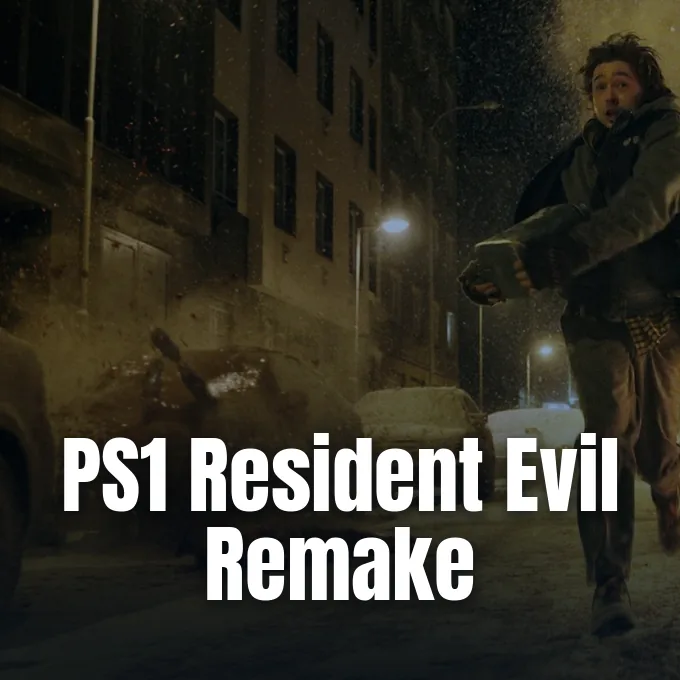
Independent game developer Julian Zamora shared early gameplay footage of a project turning the recent film reboot of Capcom’s horror series into a retro title. A new Resident Evil fan game created by Zamora in the Godot engine reconstructs the opening sequence from filmmaker Zach Cregger’s movie as a classic survival horror experience [1]. The project doesn’t yet have an official release date, but it adapts the story for fans who miss vintage PlayStation hardware [2].
Building the Resident Evil Fan Game in Godot
Zamora, who posts online as chicanogoth on Instagram, built the early demo to replicate an early sequence from the movie. Actor Austin Abrams plays Bryan, a courier who seeks shelter inside a remote barn while enduring a harsh snowstorm [1]. An infected killer dog stalks Bryan through the darkness. The dog closes in [2]. Zamora built the scene with retro low-polygon models that capture the look of late nineties gaming [1].
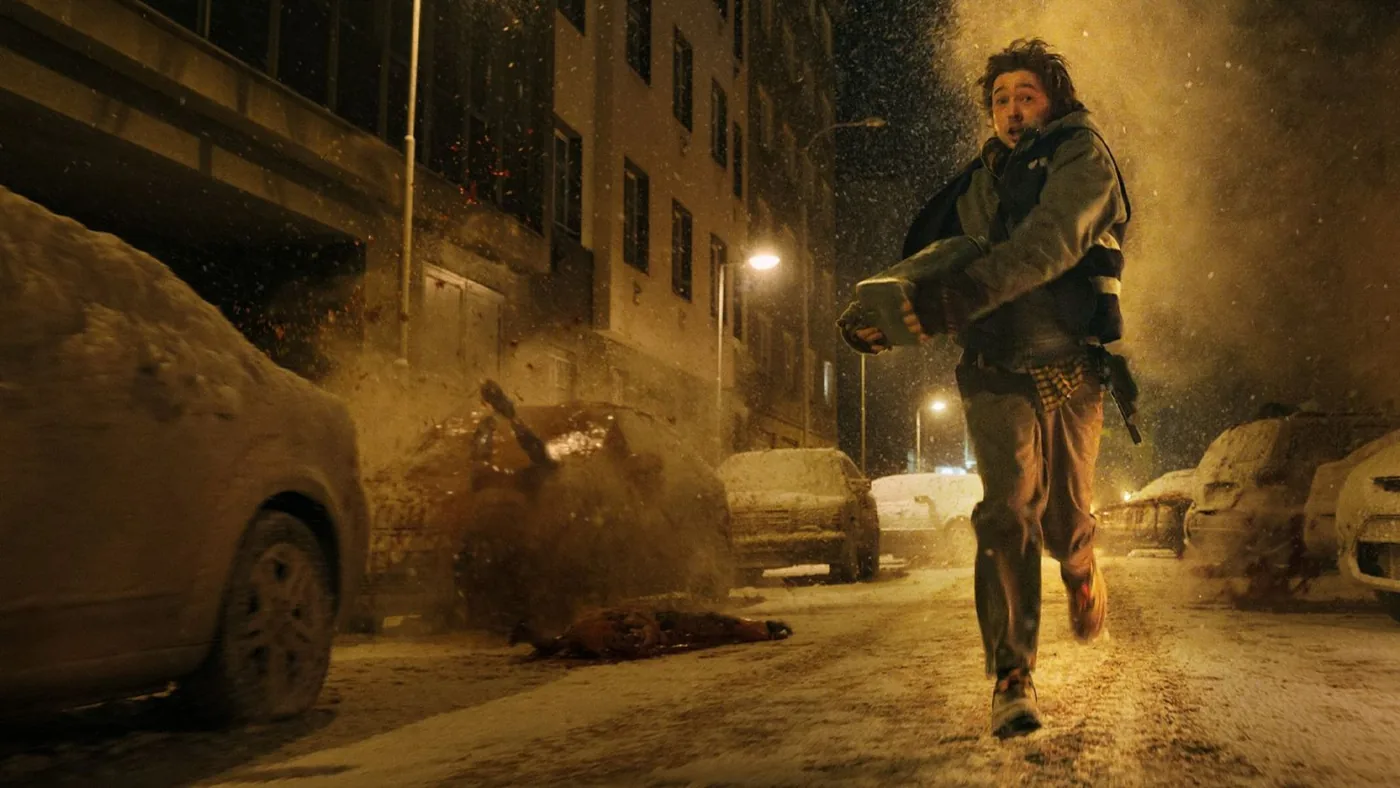
The movie’s plot follows Bryan as he struggles through a plague zone to deliver an urgent package to Raccoon City General Hospital during the first chaotic outbreak of the viral infection [1]. Instead of copying high-definition graphics, Zamora chose to recreate the tension by stripping away fine details so players can feel the raw isolation that defined nineties survival horror classics [2]. The developer relies on the open-source Godot engine to handle lighting, character collision, and camera shifts without bloated contemporary rendering pipelines. Fan interest grew after modders created a custom PS1-style Bryan skin for the 2019 edition of Resident Evil 2, proving that the horror community enjoys seeing contemporary cinema characters translated into vintage gaming aesthetics. Zamora promised to share more clips as work continues on the project [1].
Cregger’s film hit theaters on September 18, introducing audiences to this snowy farm setting before taking Bryan into urban ruins [1]. The fan game focuses squarely on that opening chapter. It doesn’t attempt to adapt the full feature at once [2]. Work is still early [1].
Fixed Camera Angles in Early Horror
Fixed camera angles formed the backbone of original survival horror titles on the Sony PlayStation. Zamora’s Resident Evil fan game relies on these shifts to limit what players see as Bryan flees into the barn [1]. The camera cuts from an exterior wide view of the howling blizzard to a high indoor angle where wooden rafters block a clear view of the floor. Camera positions stay locked [2].
Building those fixed perspectives in a current engine presents practical hurdles. Classic Capcom releases on the original PlayStation used static two-dimensional pre-rendered background paintings behind low-polygon character models to save system memory [3]. Zamora addressed that challenge on social media. “I’m still not sure how to do those pre-rendered flat environments from the PS1 days sadly, so yeah, it’s giving more [Resident Evil Code Veronica] and I like it,” Zamora said. The resulting look blends full real-time three-dimensional rooms with rigid camera placements [2].
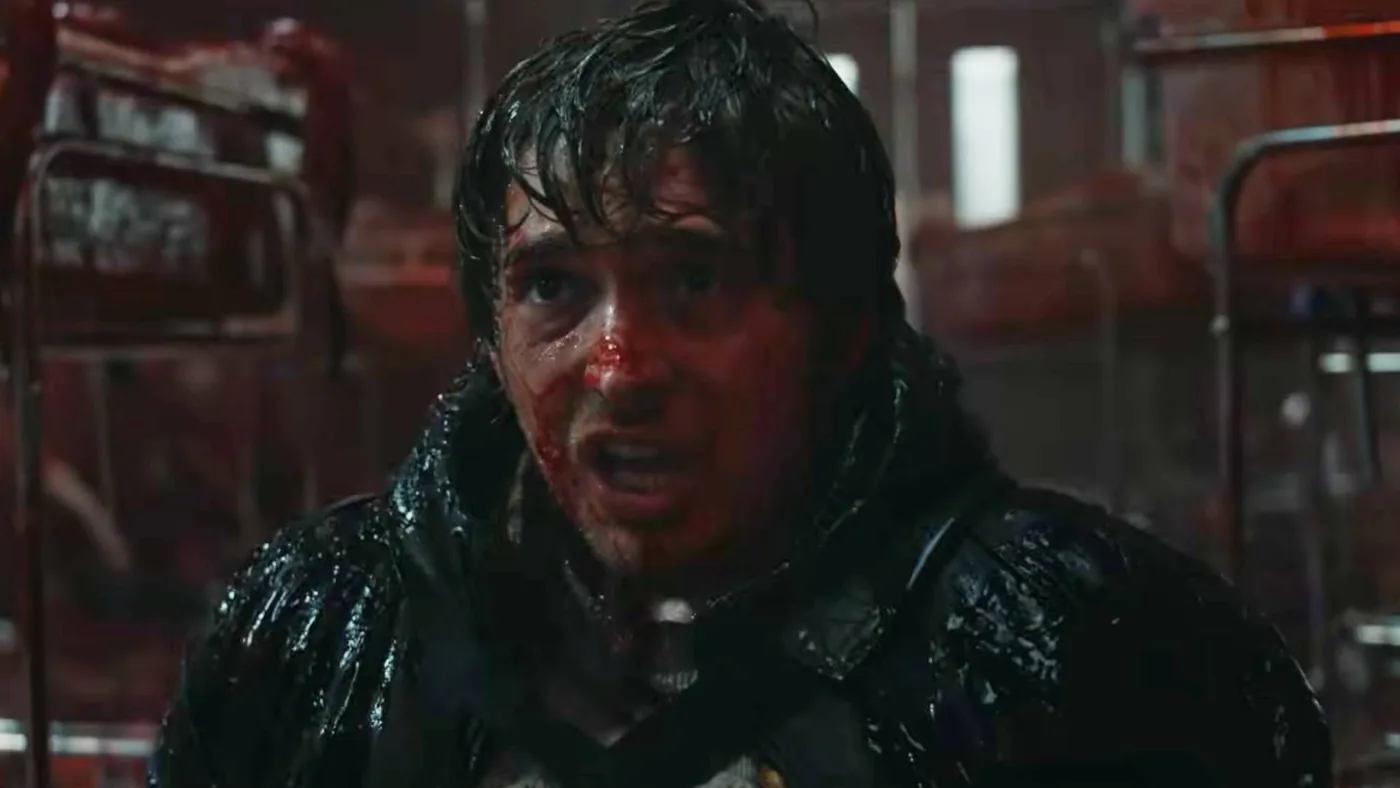
That visual style brings the fan project closer to Resident Evil – Code: Veronica, which Capcom shipped for the Sega Dreamcast in 2000. That title moved away from pre-rendered pictures to fully rendered polygonal spaces while keeping cinematic camera pans intact [3]. Zamora’s work captures that exact generational shift. It isn’t a simple visual filter; it feels like an authentic lost prototype from the turn of the century [2].

Critical Response to the 2026 Film
Cregger’s film adaptation achieved strong momentum at the global box office following its September launch. It quickly earned more revenue at ticket windows than Cregger’s 2025 horror release, Weapons, which had established his reputation among genre audiences the previous year. That didn’t stop fans from celebrating the new direction. The box office surge contributed to record Resident Evil movie ratings on major review platforms after years of uneven Hollywood video game adaptations [2].
Critical reception reflected that box office power. In its assessment, GamesRadar+ called Cregger’s reboot the “best video game movie full stop” and praised it as “a horror-comedy to match the best the genre has to offer”. Even gaming luminaries weighed in on the theatrical release. Video game creator Hideo Kojima posted his own reaction to the film, writing, “It reminded me how I felt when I played the first [game]” [2].
That positive response marked a major shift for the film franchise, which has generated over $1.2 billion in total ticket sales since the first live-action adaptation arrived in theaters in 2002. Director Paul W. S. Anderson helmed the first movie and five sequels, followed by Johannes Roberts’s 2021 reboot Welcome to Raccoon City. The first seven films received generally negative critical reviews. Cregger’s version became the highest-rated video game film on Rotten Tomatoes and Metacritic [3].
How the Resident Evil Fan Game Links to 1996
The visual style of this Resident Evil fan game closely mirrors the design philosophy Capcom introduced three decades ago. The series began development in 1993 when Capcom producer Tokuro Fujiwara instructed Shinji Mikami to create a horror adventure based on concepts from Fujiwara’s 1989 Famicom title Sweet Home. When executives prepared for the western rollout in late 1994, trademark conflicts with a DOS game and an American punk band prevented them from using the Japanese title Biohazard. Capcom held a company-wide employee competition to pick a fresh name, leading to the title Resident Evil. The original game launched on the PlayStation in 1996, popularizing survival horror around the globe and returning zombies to popular culture [3].
Capcom followed that hit with sequels on PlayStation, releasing Resident Evil 2 in 1998 and Resident Evil 3: Nemesis in 1999. Capcom acted quickly [3]. Those releases cemented the fixed-camera formula that Zamora now borrows for his fan project [1].
By June 2026, the video game franchise had sold more than 213 million copies worldwide. That milestone makes it Capcom’s best-selling property and the top-selling horror brand in interactive entertainment history. With a remake of Resident Evil – Code: Veronica scheduled for 2027 and the ninth main installment Resident Evil Requiem arriving in 2026, the series maintains a busy release schedule [3]. Fans still return to the classic late-nineties aesthetic for inspiration [2].
Zach Cregger’s Path from Comedy to Horror
Cregger’s journey to directing horror blockbusters began far from the world of zombie games. Born on March 1, 1981, in Arlington, Virginia, Cregger studied at the School of Visual Arts in Brooklyn. In 2000, he co-founded the sketch comedy troupe The Whitest Kids U’ Know with Trevor Moore and Sam Brown. The group won Best Sketch Group at the HBO U.S. Comedy Arts Festival in Aspen in 2006, leading to a television series that ran on Fuse and IFC until 2011 [4].
After starring in network sitcoms like Guys with Kids and Wrecked, Cregger made a sharp pivot to horror by writing and directing Barbarian in 2022. That transition wasn’t an accident. His follow-up feature Weapons earned critical acclaim in 2025, netting an Academy Award for Best Supporting Actress for Amy Madigan. Those triumphs paved the way for his work directing Resident Evil, where he reimagined the virus outbreak through grounded character survival [4].
Cregger’s calendar is packed with upcoming film productions. He’s set to direct the science fiction thriller The Flood for Warner Bros. and Amblin Entertainment, starring Jennifer Lawrence for theatrical release on August 11, 2028. Fans are also following discussions around Lady Dimitrescu casting in the Resident Evil film universe as the property expands [4]. Meanwhile, Zamora’s fan-made tribute proves that Cregger’s cinematic vision resonates strongly with retro game enthusiasts [2].
- ONLINE NEWS Doyle, C. (2026, October 18). Resident Evil fan is turning Zach Cregger’s movie into a PS1-style game. Dexerto. [Article Link]
- ONLINE NEWS Serin, K. (2026, October 18). A Resident Evil fan is remaking Zach Cregger’s film as a PS1-style survival horror game with fixed camera angles. GamesRadar+. [Article Link]
- WEBSITE Resident Evil. (2026). Wikipedia. [Article Link]
- WEBSITE Zach Cregger. (2026). Wikipedia. [Article Link]


