






Biological orthodoxy long maintained that complex cellular life faced an absolute thermal ceiling at sixty degrees Celsius. Biologists overturned that assumption after isolating the fire amoeba (Incendiamoeba cascadensis), an extremophilic eukaryote thriving within scalding volcanic springs in Northern California. Cultured from geothermal waters in Lassen Volcanic National Park, the newly described single-celled organism actively replicates at temperatures reaching 63°C (145°F) and survives short exposures up to 70°C [1].
What Is a Fire Amoeba?
A fire amoeba is a heat-loving single-celled eukaryote, scientifically classified as Incendiamoeba cascadensis, that establishes the highest verified thermal growth limit for complex life on Earth. Unlike simple bacteria or archaea, the organism encapsulates its genetic code inside a membrane-bound cellular nucleus. It creeps across underwater substrates by extending broad, fluid tendrils of cytoplasm called pseudopodia to pull its cellular mass forward through steaming currents. The research team published their formal taxonomic description on Tuesday, September 22, 2026, in the journal Cell [1].
Microbiologists identified the species after collecting environmental samples from Lassen Volcanic National Park [1]. At full stretch, Incendiamoeba cascadensis averages 40 micrometers in length and 10 micrometers in width. Senior author Angela Oliverio from Syracuse University placed those cellular dimensions into ecological perspective: “This is over 10 times the size of the average bacterial cell, and closer to the width of a human white blood cell.” Such substantial bulk renders the amoeba a physical giant among hydrothermal microorganisms, standing out conspicuously against the background microflora [2].
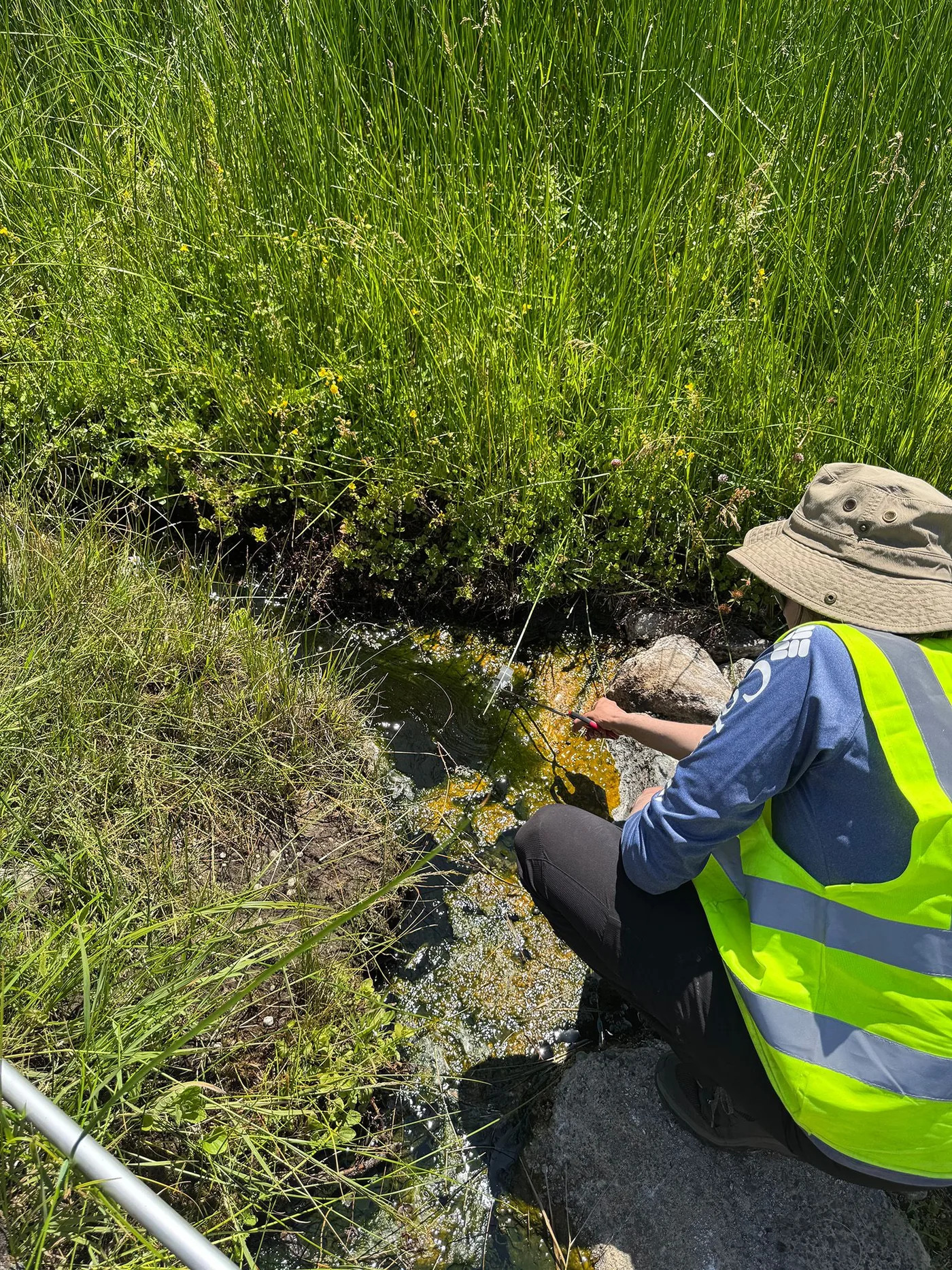
Field samples came from a tributary of Hot Springs Creek. The narrow channel measures less than half a meter wide [2].
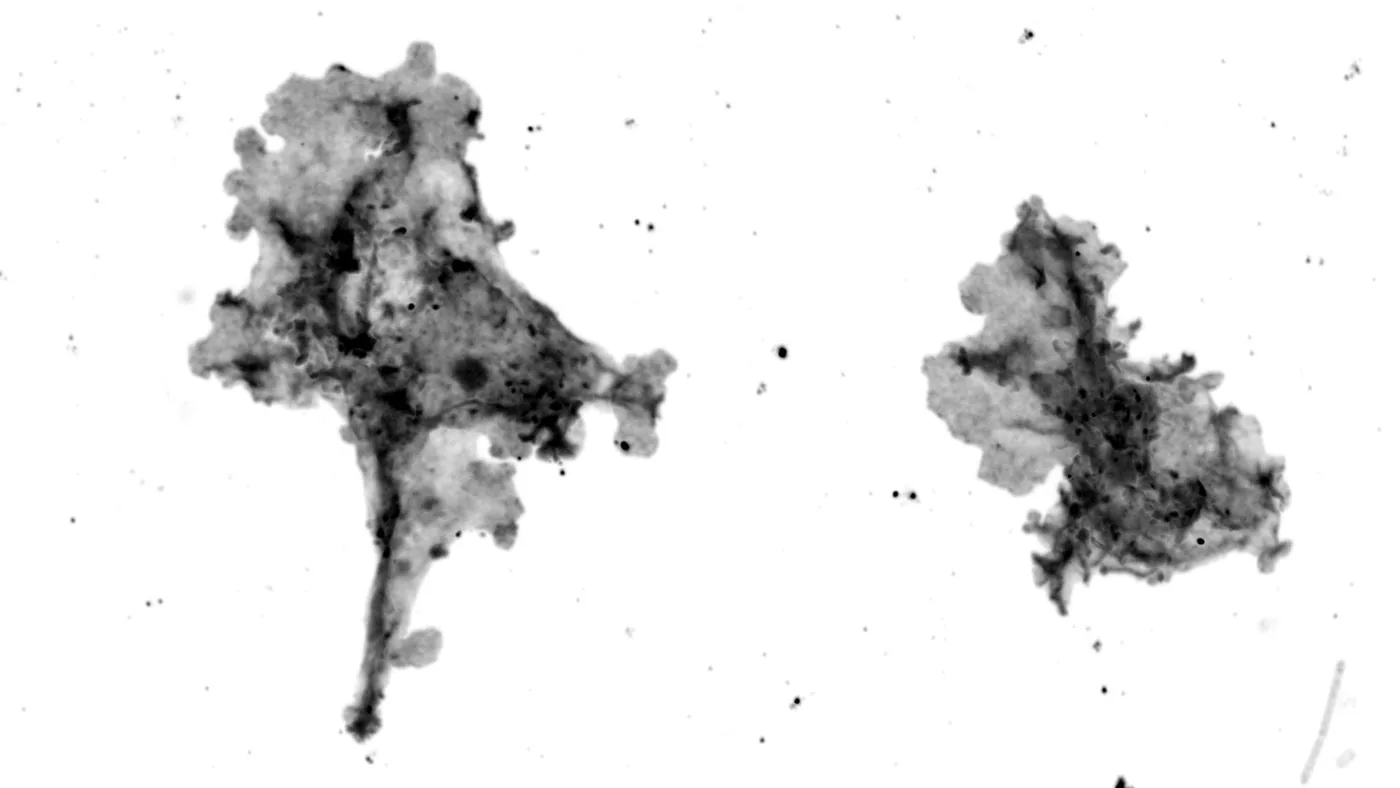
How Incendiamoeba cascadensis Endures Heat
Controlled laboratory experiments uncovered remarkable metabolic endurance. Investigators cultured the organism across 17 distinct incubation temperatures ranging from 30°C to 64°C to map its viable physiological envelope [2]. Using a custom heated microscope that maintained precise chamber warmth, first author Beryl Rappaport tracked live cells as they actively divided at 145°F (63°C). The observation stunned the research team at Syracuse University. Rappaport described the initial verification: “I was very surprised. We definitely had to go back and check to make sure that our incubators were calibrated correctly … It really was amazing [1].”
Growth profiles demonstrated that the species thrives exclusively within a defined thermal bracket between 55°C and 57°C (131°F to 135°F). Cellular division ceased entirely when temperatures fell below 40°C or 42°C (108°F), proving that the amoeba is an obligate thermophile that cannot sustain vegetative life in cool waters [1]. As heat climbed past 64°C, active motility stopped and the amoeba curled into a spherical cyst [2]. Intact cysts survived exposure to 70°C (158°F) for five minutes and successfully excysted when temperatures dropped back to 60°C (140°F). Heating to 80°C (176°F) permanently killed the cysts [1].
Laboratory survival metrics demonstrate that Incendiamoeba cascadensis is adapted specifically to hot environments rather than merely enduring accidental exposure. Cold waters halt cellular activity. Bob Leung at Monash University in Australia noted the magnitude of the finding: “It’s a very exciting finding that extends the temperature record for the growth of eukaryotic life by at least 3°C – a significant leap [2].”
What Eats Amoeba in Geothermal Waters?
In its scalding natural habitat, virtually no predator eats the fire amoeba because the organism occupies the apex position of the local geothermal food chain. Larger aquatic animals such as fish, insects, and crustaceans cannot survive in boiling creeks, leaving the amoeba free from customary predatory pressures. Oliverio highlighted this ecological dynamic with an evocative wildlife comparison: “It is somewhat analogous to going into a forest where you will likely see lots of plants but very few bears, even though they are common and live in these environments, too.” Operating as the dominant carnivore of this micro-ecosystem, Incendiamoeba cascadensis consumes abundant thermophilic bacteria that carpet the streambed minerals. The amoeba grazes without threat from larger competitors [2].
Field analyses conducted within Lassen Volcanic National Park revealed that the thermal tributary fluctuates between 49°C and 65°C with a neutral pH between 6 and 7. Such severe chemical and physical properties restrict biodiversity to specialized organisms. While broader global biomes experience climate extremes destabilizing ecological boundaries, these volcanic waters provide a stable, insulated refuge where specialized extremophiles have flourished over evolutionary timescales [2].

Why Cellular Nuclei Struggle with Heat
For decades, researchers regarded sixty degrees Celsius as the biological equivalent of the four-minute mile for complex life. Certain desert fungi were known to tolerate conditions near 140°F (60°C), but cellular division at higher temperatures seemed impossible for nucleated organisms [1]. Oliverio drew on that athletic analogy to explain the breakthrough: “The 4-minute mile was long thought to be impossible. But once accomplished, it only took weeks to be broken again.” The California discovery shattered that psychological barrier, establishing that eukaryotic machinery can adapt to thermal regimes previously thought restricted to primitive life [2].
Primitive single-celled microbes tolerate far more extreme thermal stress. Near abyssal vents, the single-celled archaeon Methanopyrus kandleri survives at blistering temperatures reaching 122°C (250°F) [2]. Prokaryotes lack a nuclear envelope. Their streamlined genomic layout enables rapid molecular innovations that complex eukaryotic cells cannot readily mimic under thermal pressure [1]. Methanopyrus kandleri belongs to the archaea domain, flourishing at high pressures in deep geothermal habitats where nuclear membranes would destabilize [2].
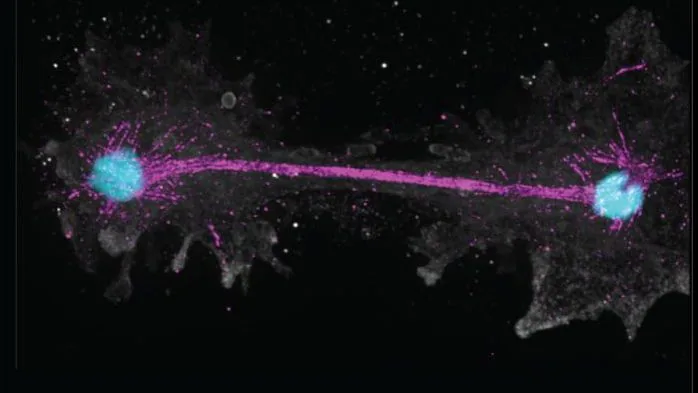
Evolutionary biologist Debashish Bhattacharya from Rutgers University clarified the genetic mechanics dividing these two cellular branches: “When you’re a bacterium … you can reshuffle your genome by scooping up DNA from other prokaryotes.” That horizontal transfer allows bacteria to import adaptive genetic sequences almost instantaneously. Eukaryotes, however, sequester their chromosomes inside a nuclear envelope, preventing rapid exchange of stray environmental genes. Bhattacharya concluded that transforming a complex eukaryote into a viable extremophile demands far more extensive evolutionary change [1].
Molecular Adaptations of Thermal Proteins
How does the fire amoeba prevent its enzymes from denaturing under extreme thermal agitation? Proteomic analysis performed on Incendiamoeba cascadensis revealed specialized molecular defenses embedded within its protein structures. Researchers discovered that surface-exposed regions of the amoeba’s proteins carry an unusually high density of positively charged amino acids. Heat-loving bacteria utilize this exact strategy. These positive charges generate stabilizing electrostatic bonds that anchor protein scaffolding against heat-induced unraveling [1].
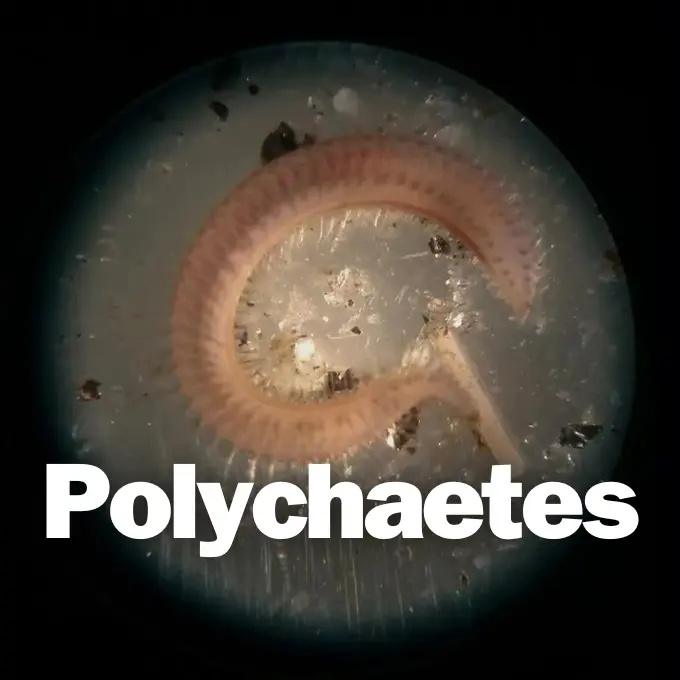
Specialized structural reinforcements ensure that metabolic pathways, fluid transport, and membrane dynamics function smoothly despite scalding temperatures. While other organisms reveal resilience at cold limits—exemplified by polychaete worms adapting to subzero marine conditions—the fire amoeba illustrates biochemical specialization at the opposite thermal extreme [2]. Beryl Rappaport acknowledged that science still cannot explain why eukaryotes ultimately fail beyond 63°C, marking a major frontier for biochemical inquiry. Future investigations led by Rappaport will analyze closely related amoebic taxa to identify the precise genetic pathways that confer thermal resistance [1].
Uncovering these cellular safeguards sheds light on how organisms cope with thermal disruption in diverse natural systems. As terrestrial ecosystems experience shifting seasonality patterns and extreme thermal spikes, studying biological adaptations to physical boundaries clarifies how cellular machinery resists catastrophic thermal degradation. The biochemical discoveries in Lassen demonstrate that eukaryotic life possesses greater evolutionary plasticity than classic textbooks described [1].

Searching for Fire Amoeba Signatures Worldwide
Discoveries in Northern California inspired researchers to examine global environmental DNA repositories for genetic signatures belonging to the fire amoeba from the Cascades. By screening environmental genomic databases compiled from thermal regions across the globe, the investigators detected related sequences in remote volcanic sites. Database queries revealed matching RNA signatures within geothermal microbial mats located in the Taupō Volcanic Zone of New Zealand. Three additional sequence matches emerged from thermal springs in Yellowstone National Park in the United States. Scientists suspect that several of these overseas genetic signals represent distinct, closely related extremophile species that have not yet been isolated or cultured in laboratory settings [2].
Global genetic traces indicate that uncharacterized relatives of Incendiamoeba populate hydrothermal habitats worldwide. Rappaport plans to sequence these sister lineages to reconstruct how eukaryotic heat tolerance evolved over geological epochs. Mapping that evolutionary pathway will help biologists delineate the fundamental physical boundaries governing eukaryotic cellular existence. Astrobiologists also view these findings as valuable models for assessing whether complex life could emerge in geothermal environments on other planetary bodies [1].
Biologists suspect that even more resilient organisms remain undiscovered in Earth’s extreme geothermal zones. As Angela Oliverio observed regarding ongoing explorations: “As far as we know, there is no reason why 63°C is the hard limit [2].” The isolated springs of the Cascade Range have expanded the perceived horizons of complex life, demonstrating that nucleated cells can master environments once thought reserved solely for simple microbes [1].
- ONLINE NEWS Ware, S. (2026, September 22). Newfound ‘fire amoeba from the Cascades’ sets record for the hottest temperature complex life can survive at. Live Science. [Article Link]
- ONLINE NEWS Woodford, J. (2026, September 22). Fire amoeba breaks heat tolerance record for complex life. New Scientist. [Article Link]
APA 7: TWs Editor. (2026, September 23). How the Fire Amoeba Breaks Heat Records for Complex Life. PerEXP Teamworks. https://perexpteamworks.com/en/fire-amoeba-breaks-heat-record/


