





Massive Entertainment general manager Christoph Hartmann told Variety on November 23, 2026, that he wants Ubisoft Massive Entertainment to look after core players by expanding beyond military shooters [1]. Speaking publicly about his direction since taking charge in July 2026, he outlined plans to steer the rebuilt group toward critical acclaim and commercial success, comparing his goal to indie film label A24 [2].
Ubisoft Massive Entertainment Under Hartmann
Hartmann took over as general manager of Massive Entertainment in July 2026, six months after leaving Amazon Game Studios in late January [1]. He said his departure stemmed from a shift in priorities, as Amazon redirected capital to third-party publishing and AI rather than first-party studios. During that retreat, Amazon closed New World, cancelled an upcoming Lord of the Rings MMO, dropped Maverick’s open-world racing game, and shuttered Glowmade’s multiplayer project King of Meat [1, 2].
In August 2026, Amazon cut back its gaming business further by transferring publishing rights for Throne and Liberty and Lost Ark to NC and Smilegate. Hartmann spent 30 years in game development and publishing, and he felt he needed a workplace where making games stayed at the heart of the business. “Games just can’t be their prime focus right now; there’s so much going on,” Hartmann said of Amazon’s shift. “But for me, it’s the prime focus. I’m a content person, I’m not a tech person. I love developing and publishing games. I did that for 30 years, and I’m passionate about it. I felt I needed to go to a place again where it’s absolutely at the centre of everything. And Ubisoft definitely is one of those places. It’s still fully focused on games.” [2]
Hartmann said discussions with Ubisoft began casually before turning into a concrete offer to lead Ubisoft Massive Entertainment [1]. The move allowed him to step into a working setup without having to build a team from scratch, which he described as an ideal outcome. He said Ubisoft maintains a culture that cares about games, giving his group room to coordinate several major brands under one roof [2].
The A24 Model for Games
During his interview, Hartmann articulated an explicit ambition to turn Massive Entertainment into gaming’s equivalent of A24 Films, the company known for independent arthouse cinema. He described this goal as building a label capable of earning awards while staying commercially successful. “Really, my dream would be to become like the A24 of video gaming, like a place I describe with winning Oscars and still being commercially successful, definitely having impact on what they’re doing,” Hartmann said [1, 2].
Hartmann said building this identity means being clear about what the team will avoid. The group will not make racing titles, sports games, or casual releases for children [1, 2]. “I want us to be definitely not just a shooter house, which we show with having a MOBA besides the other titles,” Hartmann said. “I want us to be a label that really looks after the core gamer. What I mean by that is that it’s almost easier to describe what we’re not going to do – I’m not going to do a racing game. I’m not going to do sports. I’m not going to do a casual kids title. But could we do an RPG one day? Could we do an MMO? Could I maybe do even a strategy game? Sure, it’s all coming down to the right talent. If we have the talent internally or something happens, then we bring it on.” [1, 2]
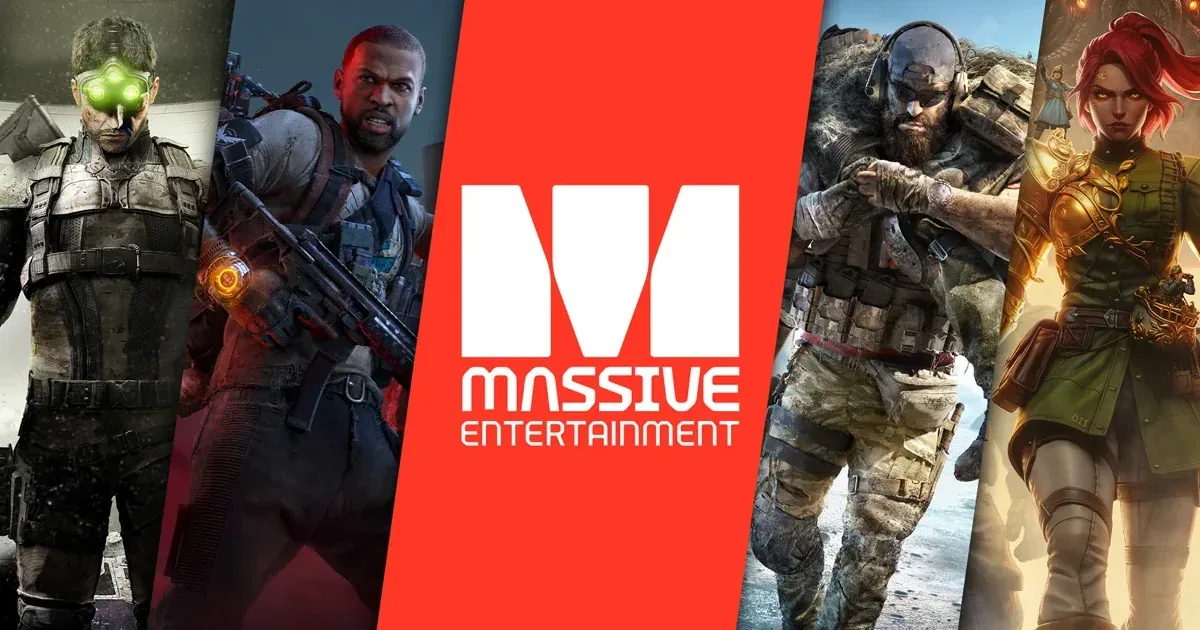
Hartmann also argued that operating as a compact unit inside Ubisoft brings practical benefits. With fewer management layers separating leadership from developers, directors can talk with team leads without navigating extra company approvals. “There’s so much to learn – that’s one thing I like, and I believe smaller organisations, especially in entertainment, are very good,” he said [2].

March of Giants and Amazon Transition
The first tangible sign of this genre expansion came when Massive Entertainment picked up March of Giants, an unannounced MOBA intellectual property originally started under Amazon [1, 2]. The acquisition brought over key development staff who had built their reputations working on Rainbow Six Siege. Hartmann had supervised those developers during his time at Amazon, though he said he had no role in brokering the deal between the two publishers [1].
Hartmann praised the incoming developers as top creative talent from Rainbow Six Siege, saying he felt proud to have helped build that team and was glad to finish the project after Amazon stepped back from first-party studios. “I was not involved in the decision or the deal in any form because Amazon really wanted to focus more on third-party development and AI rather than so much internal studios, so they did it,” Hartmann said. “But once I started having conversations with Ubisoft, which happened, by the way, in a very natural way, that was a huge plus. I’m like, oh my god, I actually get to finish the game because there’s nothing I hate more than not to finish what we started.” [1]
Adding an arena battler marks a clear departure from the tactical military shooters that defined the company’s past catalog. The studio is stepping away from cover mechanics and modern firearms so the team can explore hero abilities and competitive team balance [1, 2]. Hartmann views the game as proof that Massive can explore diverse gameplay formats while staying committed to core audiences [2].
Rebuilding Ubisoft Massive Entertainment Teams
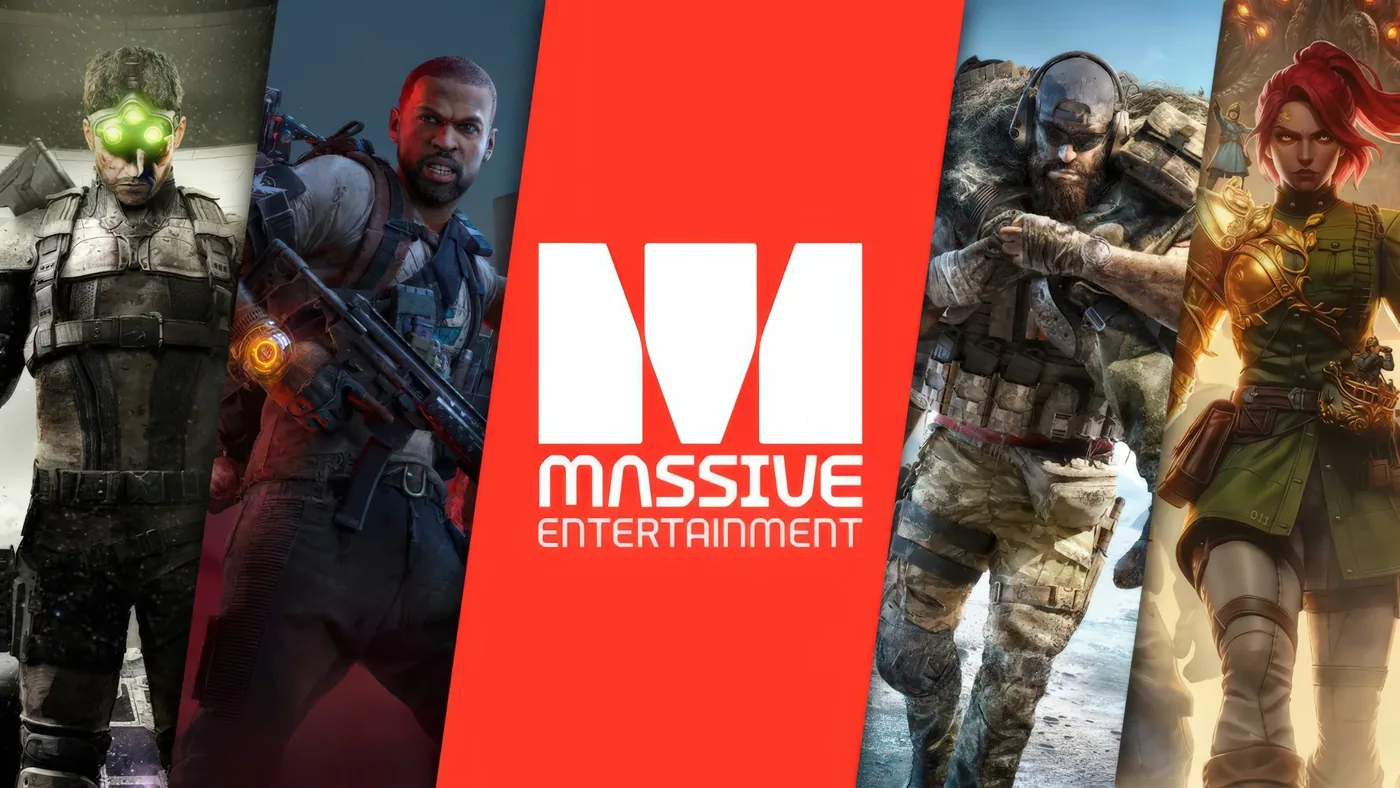
Massive Entertainment is a much larger group today than the Swedish studio that created World in Conflict, Avatar: Frontiers of Pandora, and Star Wars: Outlaws. The reorganization occurred earlier this year when Ubisoft renamed Creative House 2 as Massive Entertainment. The consolidated organization now links the Swedish studio with Ubisoft Toronto and production teams at Ubisoft Paris and Ubisoft Montréal [1].
This consolidation arrived as Ubisoft reported first-half financial results showing a 16.5% drop in net bookings compared to the prior year. To unify operations across platforms, Ubisoft merged Creative Houses 3 and 5 to capture synergies between live service and casual releases. The publisher also formed Motherbrain, a new subsidiary focused on AI gameplay innovation, and set up an agile unit to manage brands outside the Creative Houses [2].
Stepping into the restructured Ubisoft Massive Entertainment gave Hartmann a foundation of experienced developers and active pipelines [1, 2]. “I can build a new business, but don’t have to start from zero,” Hartmann said of the opportunity. “It’s a dream come true for me. [Ubisoft is] a company which cares about games; it breathes games every day.” [2]
Status of Longstanding Sequels
Even as Hartmann looks to prestige projects and new genres, Massive Entertainment carries responsibility for major game brands. At the Swedish studio, team leads remain committed to developing The Division 3, keeping the Tom Clancy franchise active following work on Star Wars: Outlaws. Work on the upcoming sequel is a core commitment for the Swedish developers as they balance brand obligations against experimental ideas [1].
The expanded organization also took over delayed projects from other branches, including Ubisoft Toronto. The team at Ubisoft Toronto continues work on the Splinter Cell remake, a high-profile revival that suffered multiple delays during production. Meanwhile, recent rumors suggest that the next entry in the Ghost Recon series faces production hurdles, with reports pointing to a potential reboot or outright cancellation [1].
Balancing these inherited sequels with fresh creative ambitions will test whether Hartmann’s arthouse philosophy can thrive under financial pressures [1, 2]. Film studios like A24 keep production budgets modest so they can absorb creative risks, but big-budget video games demand steady returns. Hartmann must stabilize delayed Tom Clancy productions before his team can realistically deliver the prestige RPGs and strategy projects he envisions [1, 2].
- ONLINE NEWS Palumbo, A. (2026, November 23). Massive Entertainment Chief Christoph Hartmann Wants the Ubisoft Studio to Become the A24 of Video Games, Winning Oscars and Still Selling. Wccftech. [Article Link]
- ONLINE NEWS McEvoy, S. (2026, November 23). Christoph Hartmann wants Ubisoft’s Massive Entertainment to go beyond shooters and be the “A24 of gaming”. GamesIndustry.biz. [Article Link]


