






Natural language prompts allow computer users to generate working software through chatbots without writing code by hand, but applying machine-generated scripts to household electronics introduces serious practical hazards. Technology hobbyists use tools like ChatGPT, Gemini, and Claude to build custom tools, modify televisions, and automate home appliances. While simple web utilities run safely in sandboxed browsers, unvetted firmware modifications can disable core operating systems and expose local networks to malicious intrusion. Understanding these vibe coding risks helps owners protect their personal hardware while avoiding costly device failures [1].
- Natural Language Prompts in Casual Software Creation
- Why Vibe Coding Risks Threaten Everyday Consumer Gadgets
- Software Vulnerabilities in Connected Television Systems
- Operating System Failures from Unverified Machine Logic
- Addressing Vibe Coding Risks Through Community Software
- Tested Alternatives for Routers and Smart Homes
Natural Language Prompts in Casual Software Creation
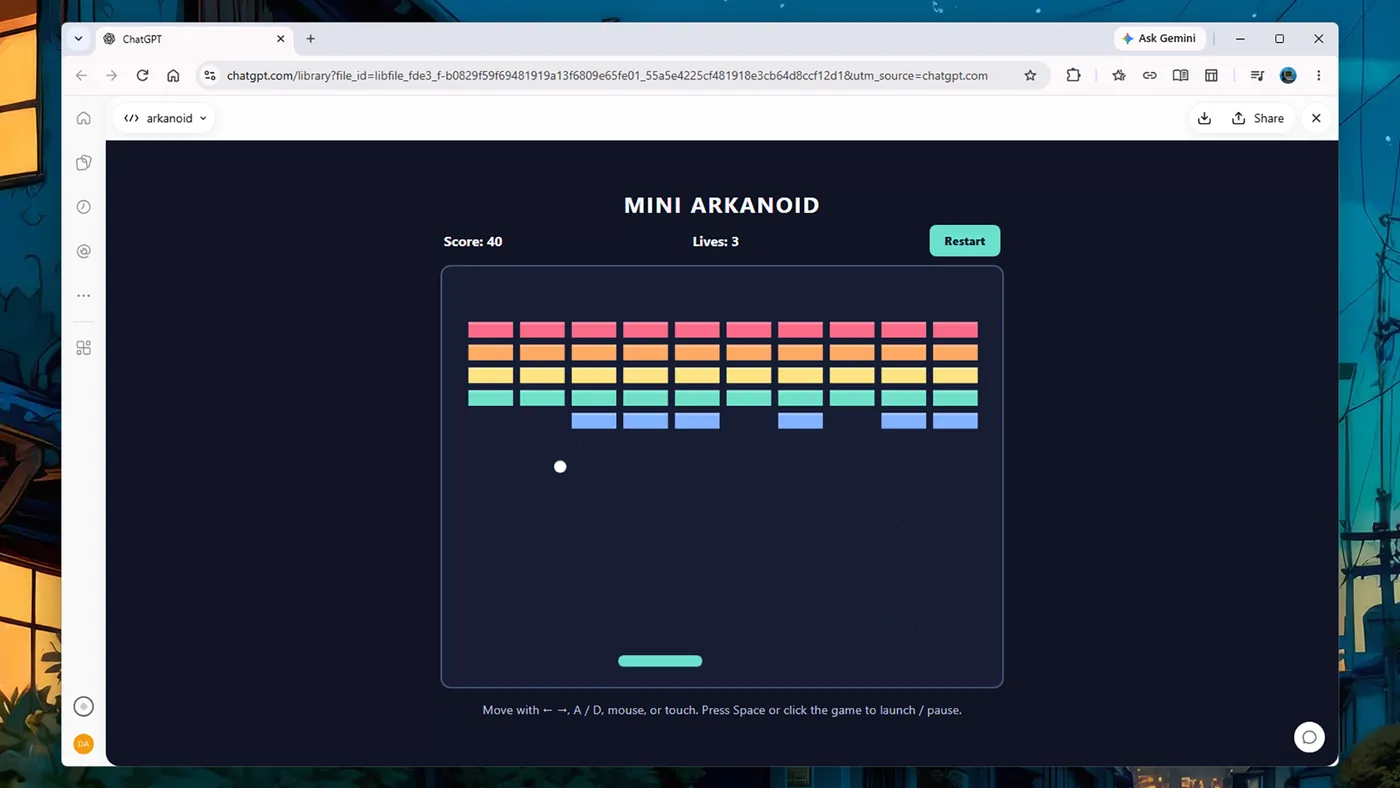
Software development driven by conversational artificial intelligence has spread outside professional engineering circles into living rooms and hobbyist workshops. Writing in Popular Science, journalist David Nield explained that vibe coding describes the practice of prompting an AI chatbot in ordinary language to build a functional computer program. A user can request a personal phone application to log daily exercise, an interactive browser game, a registration portal for a local sports club, or a live timetable utility tracking commuter trains at a neighborhood station without writing code by hand. Modern machine models assemble functioning prototypes within minutes, allowing people without programming background to build working software while using follow-up text prompts to clean up minor interface bugs [1].
Experimentation has also reached physical machinery. Enthusiasts have started applying machine-generated scripts to consumer hardware, including repurposing an Amazon Kindle reader and connecting computers to vehicle diagnostics inside a 1994 Cherokee Jeep. In one public experiment, Muhammad Zulali used Claude to reverse engineer software commands on a 32-year-old vehicle until the code controlled vehicle components. While such demonstrations show the versatility of text-guided development, they also reveal how easily experimental code transitions from safe browser tabs into hardware where software bugs trigger physical breakdowns [1].
Why Vibe Coding Risks Threaten Everyday Consumer Gadgets
Why do television sets attract so much attention from amateur coders? The answer lies in consumer frustration with commercial intrusions across modern living room screens. Reporting cited from TechCrunch indicated that users routinely deploy chatbot-generated code to simplify home screen launchers, remove sponsored advertisements, and turn off intrusive tracking settings installed by manufacturers. Eliminating digital distractions sounds appealing to anyone tired of slow menus, but consumer electronics run on delicate firmware stacks that react poorly to unauthorized configuration changes. When device owners alter system files without understanding the underlying code base, minor script errors can disrupt boot sequences and prevent displays from starting up properly [1].
The core dilemma in conversational development stems from the gap between the user and the generated code. Nield pointed out that “while the AI app developers don’t often mention it, AI code often comes with bugs and unintended consequences attached, and if you don’t understand what you’re coding, then you can’t fix it.” When flawed logic infects consumer hardware, non-technical owners cannot diagnose which corrupted variable caused the shutdown [1].
Software Vulnerabilities in Connected Television Systems
Modern smart televisions depend on intricate software environments that coordinate network connections, copy protection standards, and video rendering engines. Connected home electronics (such as streaming boxes and smart speakers) function through layered operating systems where background services rely on specific permissions. When an artificial intelligence chatbot lacks verified technical documentation for a proprietary television chip, it often invents plausible code solutions instead of stopping the prompt. These speculative instructions can overwrite core system parameters, disabling audio controllers or locking the television into an unresponsive state where input sensors ignore remote controls entirely. Such failures turn everyday entertainment screens into unresponsive black panels, leaving household members without a functioning device while troubleshooting efforts stall [1].
Tinkering with television software can also compromise basic home network security. Bypassing manufacturer firewalls to eliminate advertisements often strips away standard encryption layers, leaving open network ports vulnerable to malicious software and remote scanning. Even when the hardware stays operational, unauthorized script edits can break security handshakes required by certified streaming services, causing popular platforms like Netflix to stop launching completely [1].



Operating System Failures from Unverified Machine Logic
The true outcome of a programming error depends on the environment where the code runs. When someone uses an artificial intelligence chatbot to assemble a browser-based football score tracker, an unhandled runtime error merely prints a warning in the developer console without harming the host computer. In sharp contrast, running unverified code with administrative privileges on an appliance can permanently brick the underlying hardware. Consumer appliances lack dedicated recovery partitions. A corrupted boot loader or damaged flash memory sector prevents the machine from receiving recovery signals, transforming an expensive television or smart speaker into a dead block of plastic that needs board-level repairs or total replacement [1].
Compounding these hardware failures is the risk of triggering an infinite boot loop. If a machine-generated configuration file contains contradictory initialization commands, the device becomes trapped in an endless cycle of powering on, crashing, and restarting. Users cannot access menu settings to undo the change because the operating system restarts before accepting remote input, leaving the hardware caught in an unrecoverable restart loop [1].
Addressing Vibe Coding Risks Through Community Software
Device owners who wish to escape intrusive banner ads and sluggish menus do not need to rely on generative chatbots. Proven alternatives developed by collaborative programming communities offer safe, ad-free environments without risking permanent device failure. For television sets running Google TV, the independent application Projectivy Launcher provides a customizable interface that bypasses promotional tiles while maintaining full stability. Because skilled human developers maintain the project and test releases across various television models, the launcher preserves access to streaming platforms without corrupting operating system files. Choosing community-vetted software allows consumers to manage vibe coding risks effectively, securing an ad-free viewing experience while avoiding the unpredictable bugs produced by generative language models [1].
Home internet routers need similar caution because an unstable script can disrupt communication for an entire household. Instead of deploying chatbot code to manage network traffic, enthusiasts rely on the open-source firmware OpenWrt. OpenWrt runs on hundreds of commercial routers. This mature community project lets users block network advertisements, control connected device schedules, track bandwidth consumption, and configure virtual private networks without undermining network security [1].

Tested Alternatives for Routers and Smart Homes
Smart home management is another domain where established community platforms clearly outperform unverified code snippets. Homeowners attempting to automate connected lights, temperature sensors, and security locks using AI scripts often encounter erratic timing errors and communication drops between devices. The open-source platform Home Assistant resolves these integration challenges by offering a local control center that grants deeper customization than proprietary applications from Amazon, Google, or Apple. Backed by an active community of programmers who audit source code for security flaws and test compatibility against actual equipment, Home Assistant enables complex automation routines while protecting connected hardware from configuration crashes. Users gain complete authority over their living spaces without exposing appliances to the bugs inherent in casual software generation [1].
Relying on community-managed software still involves placing confidence in third-party developers, but that confidence rests on collaborative testing rather than statistical guessing. Broader tensions between technology firms and content publishers also surround this landscape, illustrated by Popular Science parent company Ziff Davis filing a copyright infringement lawsuit against OpenAI in April 2025. While natural language tools will continue lowering barriers for browser experiments, managing vibe coding risks on physical hardware still demands tested software backed by human engineering [1].
- ONLINE NEWS Nield, D. (2026, November 21). ‘Vibe coding’ is risky: Here’s why and what to do about it. Popular Science. [Article Link]
Cover image: Wikideas1 / Wikimedia Commons, CC0
APA 7: PerEXP Teamworks. (2026, November 22). Vibe Coding Risks Threaten Everyday Consumer Hardware. PerEXP Teamworks. https://perexpteamworks.com/en/vibe-coding-risks-consumer-hardware/


