




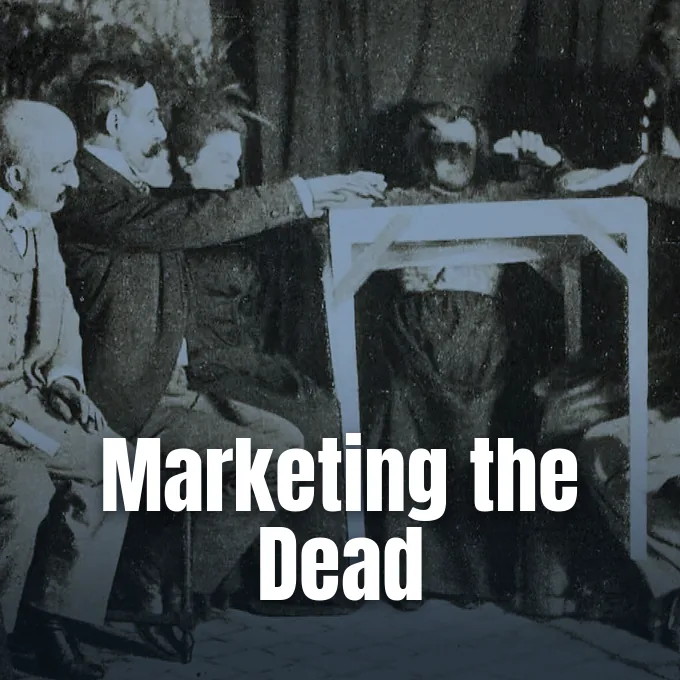
Nineteenth-century Britain built famous steam engines, expansive factory towns, and bustling retail markets, yet its citizens also spent considerable sums trying to speak with the dead. Business historians James Cronin, Sophie James, and C. Goulding investigated this commercial paradox in a 2026 study published in Business History, examining how Victorian spiritualism turned personal grief into a profitable enterprise [1]. Instead of fading away during an era of rapid industrial production, supernatural practices adapted directly to urban commerce through ticketed seances, paid lectures, and specialized journals. These commercial activities transformed private mourning into public encounters, creating fresh ways for mediums and publishers to earn money while assuring patrons that human love could outlast the grave [2].
Modern Roots of the Movement
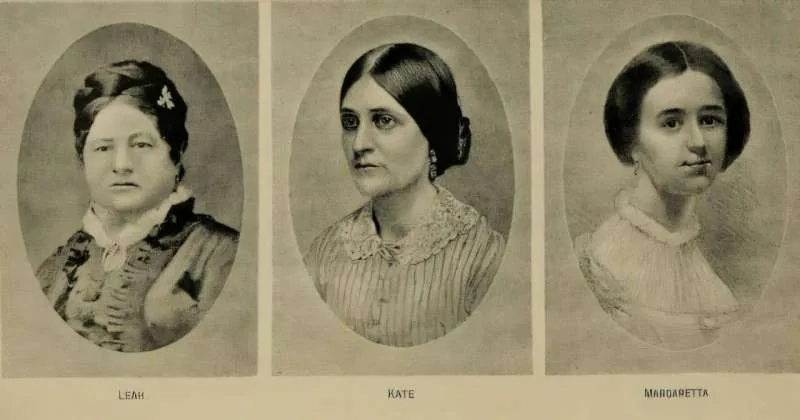
The movement began in the United States during the late 1840s before spreading into bustling British towns. Self-styled mediums (known as the Fox sisters) claimed that departed spirits communicated with them through mysterious knocks in their family home. News of these rapping sounds travelled quickly across regional newspapers, prompting visiting American mediums to cross the Atlantic to stage public demonstrations in private English parlours and crowded assembly rooms [2].
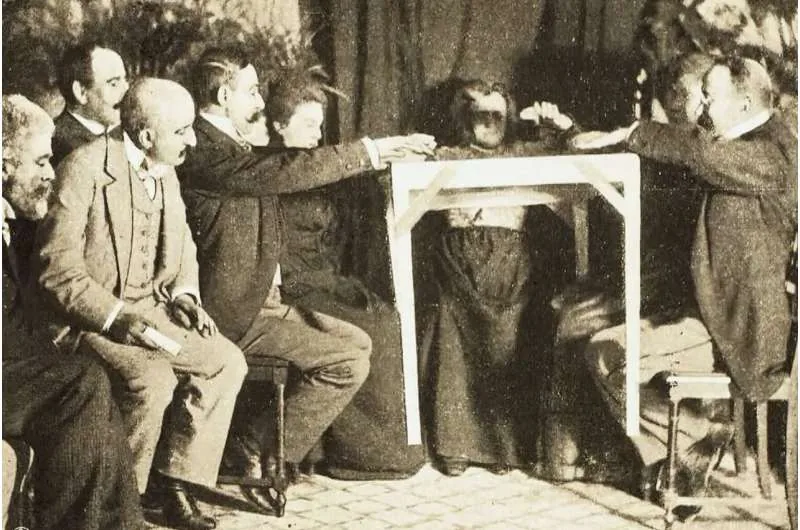
Within two decades, spiritualist circles emerged across towns throughout England and Scotland. Practitioners gathered around polished wooden tables to hold dark seances, listen for phantom taps, and inspect enclosed spirit cabinets designed to isolate mediums during trance states. In 1872, an article in The Times expressed surprise that among “a generation which boasts itself to be one of exact science,” spiritualism had developed such intense public interest [2]. Many Victorian citizens felt that laboratory logic and commercial calculation left an emotional void in daily life, so the movement offered tangible proof of survival by turning deep spiritual longings into an engaging leisure industry [1]. Patrons paid admission fees to watch unseen entities move heavy furniture [2].
How Victorian Spiritualism Built an Industry
Commercial culture did not destroy ghost hunting; instead, market tools helped it expand. Why did a society that prized scientific achievement embrace the supernatural so eagerly? Victorian cities witnessed the steady growth of department stores, covered shopping arcades, and luxury brand names that fed an expanding appetite for material goods. In this environment, Victorian spiritualism flourished by adopting the same sales tactics that sold clothing, printed novels, and household furnishings to middle-class consumers [3].
Philosopher Slavoj Žižek provides a helpful explanation for this development through his concept of the “obscene supplement.” Žižek argued that modern human societies are sustained partly through an underside of unacknowledged practices and personal desires that seem to oppose official social values. Subterranean outlets allowed ordinary citizens to live with dominant cultural demands without demanding radical social reforms. In their study, authors James Cronin, Sophie James, and C. Goulding demonstrated that spiritualists practiced what they termed “obscene-supplemental entrepreneurship,” departing from traditional Victorian material acquisitiveness to market anti-materialist, experiential consumption. The researchers identified four specific mechanisms that drove this cultural trade: re-articulation, respectability, revel-ution, and reification [1]. By promising release from cold industrial materialism through ticketed events, the movement allowed Victorians to indulge forbidden superstitions while participating in capitalism [2].
Optical Tricks and Stage Science
New manufacturing techniques did not banish phantoms from British entertainment; instead, they made apparitions visible, reproducible, and profitable. Advances in the science of optics—investigating how light rays bend and reflect off physical surfaces—allowed British stage managers to produce convincing phantoms for paying theatergoers. Cheap gothic paperbacks known as penny dreadfuls traded heavily in tales of the sordid and supernatural, creating an eager audience that welcomed visual stage effects [3].
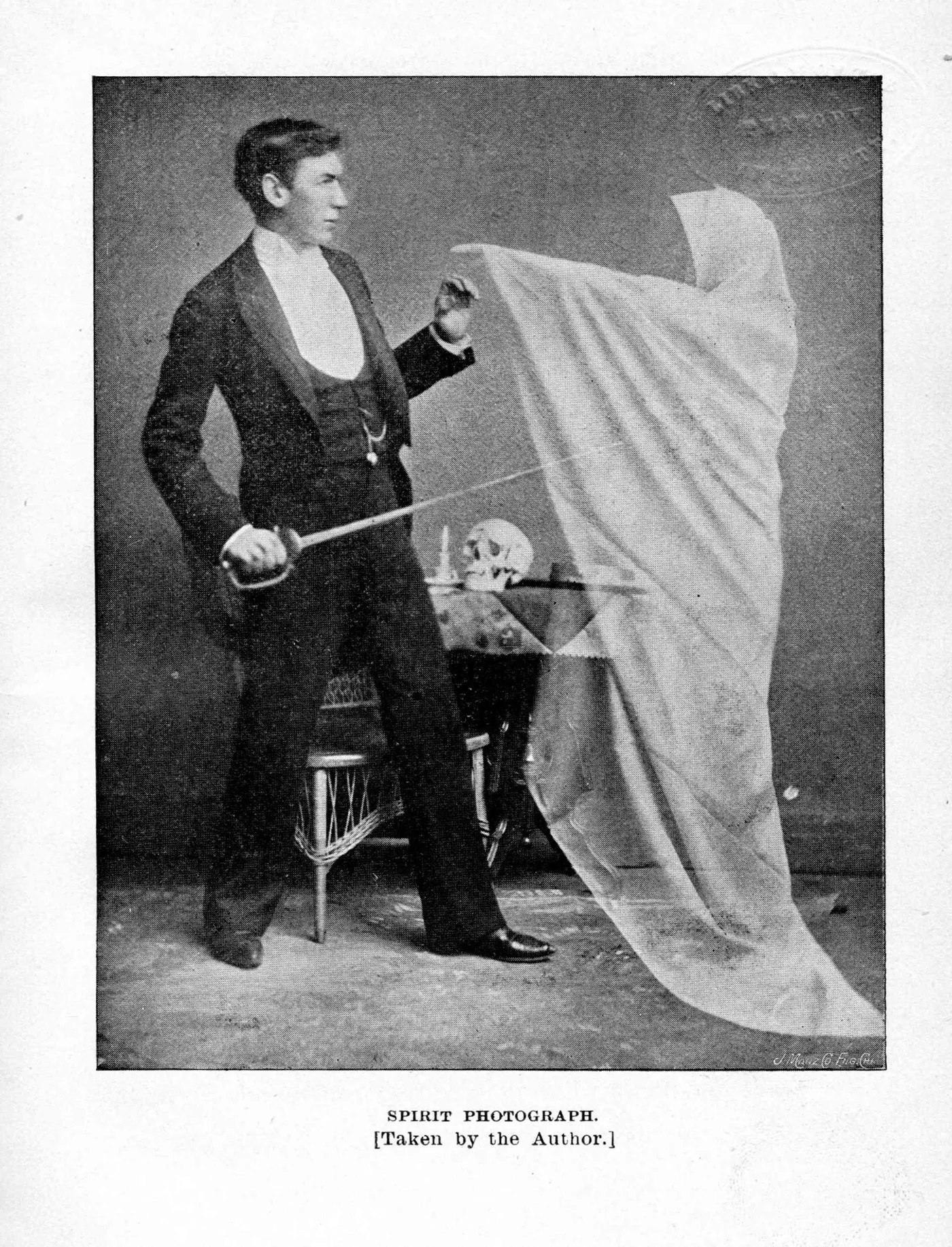
The most famous theatrical illusion of the nineteenth century was Pepper’s Ghost, an optical effect that relied on large plate glass sheets and hidden gas lamps to project translucent actors onto theatrical stages. Audience members watched living performers walk straight through glowing spectral shapes, proving that industrial tools could manufacture convincing wonder. Studio photographers in British cities quickly realized that glass plate manipulations and chemical double exposures could portray departed relatives standing beside living sitters, selling these eerie memorial portraits to grieving families for high fees [2]. Buyers preserved these portraits in ornate velvet albums as treasured family heirlooms. Italian researcher Enrico Morselli later documented similar table levitations during European seances, showing how Victorian spiritualism relied on physical staging to captivate educated witnesses [3].
Commercial Tensions in Modern Spiritualism
Managing a spiritualist venture required careful financial balancing, as promoters faced public scrutiny over whether contacting souls should involve cash payments. Official movement journals warned their readers that genuine mediumship was an exhausting spiritual gift that could never be bought or sold for personal profit. However, working mediums had basic household expenses, lecture organizers needed to pay hall rents, and publishing houses required steady subscriber revenue to stay solvent over time [1].
To protect public reputations, mediums presented their work as an exhausting, sacrificial service that fully justified financial support. Medium Daniel Dunglas Home publicly refused direct cash payments for conducting private seances, accepting valuable gifts, comfortable lodging, international travel opportunities, and continuous patronage from wealthy Victorian benefactors instead. Other mediums accepted modest fees scaled to client income. Similar compromises characterized spiritualist periodicals. The widely circulated journal Medium and Daybreak filled its front pages with fierce condemnations of worldly materialism, only to print back-page advertisements for dubious remedies, elixirs, and quasi-scientific devices marketed to the very same readers [1]. Spiritualism’s critique of consumer culture generated fresh opportunities for commercial consumption [2].
The Role of Darkness and Photography
Spiritualist leaders worked hard to gain scientific legitimacy by welcoming academic investigators and adopting technical language during their public meetings. Mediums placed spirit trumpets, delicate balance scales, and electrical telegraph keys inside their parlours to imitate modern research laboratories. They used philosophical phrasing to make spectral events appear worthy of serious intellectual study, convincing educated observers that spirit communication obeyed natural physical laws rather than medieval superstition [1].
Photography played a central role in establishing this scientific authority because the camera was widely regarded as an objective recording instrument. If a glass negative revealed a faint face floating above a sitter’s head, Victorians treated the chemical image as authentic proof. Darkroom chemistry also provided a convenient analogy for why seance rooms had to remain pitch black. Mediums insisted that spectral forms needed total darkness to assemble, arguing that spirit substance was as sensitive to bright light as an unexposed silver halide photographic emulsion [3].
An account in Medium and Daybreak described an 1880 photographic seance held near Newcastle. The correspondent explained that darkness was necessary not to conceal trickery, but to mitigate the “trying effect of daylight” on ghosts during their physical “materialization” [1]. By borrowing the vocabulary of optical science, Victorian spiritualism successfully framed seance room gloom as a technical laboratory requirement rather than a simple cover for fraud [2].
Parallels in Modern Grief Technology
The commercialization of bereavement did not end when Victorian seance parlours gradually faded from fashion. In contemporary digital culture, commercial software firms have revived similar revenue models through automated chat programs and digital necromancy [2]. Families now encounter AI-powered deathbots and grief tech platforms that analyze recorded audio files, text archives, and video footage to recreate the speaking voices and conversational habits of deceased relatives [3].
These modern services raise identical ethical debates about profiting from human heartbreak and commercializing personal memory. Just as nineteenth-century mediums walked a delicate line between offering emotional comfort and charging client fees, contemporary software founders balance compassionate support against recurring subscription revenue and corporate balance sheets. Both eras show that when families confront mortality, cutting-edge tools are quickly adapted to satisfy the timeless desire to speak with lost loved ones. The enduring lesson of Victorian spiritualism is that counter-cultural desires do not necessarily weaken dominant market systems [1]. Instead, unconventional longings create fertile ground for new commercial enterprises, showing how capitalism continually turns the mysteries of human mortality into marketable products [2]. The ghosts of Victorian commerce, it seems, have never stopped doing business [3].
- ACADEMIC JOURNAL Cronin, J., James, S., & Goulding, C. (2026). Spirits made to order: The obscene-supplemental entrepreneurship of modern Spiritualism in Victorian Britain. Business History, 1–23. [Article Link]
- WEBSITE Cronin, J., & James, S. (2026). Victorian spiritualism capitalised on the desire to transcend death to create new ways of making money. The Conversation. [Article Link]
- ONLINE NEWS Cronin, J., & James, S. (2026). Victorian spiritualism capitalized on the desire to transcend death to create new ways of making money. Phys.org. [Article Link]
APA 7: PerEXP Teamworks. (2026, October 27). British Culture Embraced Victorian Spiritualism as a Business. PerEXP Teamworks. https://perexpteamworks.com/en/victorian-spiritualism-market-grief/


