






NIS America announced that Village in the Shade will launch on October 27, 2026 across Nintendo Switch, Nintendo Switch 2, PlayStation 5, and PC. Developed by Nippon Ichi Software, the game pairs classic farming chores with unsettling Japanese folk horror set in a secluded mountain hamlet [1, 2]. Reviewers at Siliconera, PlayDayOne, and Nintendo World Report describe a simulation that flips cozy expectations through village curfews and strange rituals [1, 4]. NIS America provides full English, French, and Spanish localization and includes all content updates developed since the original Asian launch [1].
Starting Village in the Shade with Dark Secrets
Players spend initial minutes designing a custom child protagonist with chosen hair styles and clothing colors, but Nippon Ichi Software quickly steers the quiet opening walk toward physical trauma in rural Japan [1, 3]. The protagonist, named Ame in PlayDayOne’s playthrough, chases an energetic chicken across wooden footbridges toward a deep mountain chasm littered with desolated Torii gates. The child jumps directly into the abyss, leaving stunned players to watch their freshly designed protagonist lying motionless in a desolate pool of blood [1, 3].
The child climbs from the pit and wanders into Kagatsu Village as an unregistered stray [1]. Local residents Komako and Kisuke discover the battered youngster on a trail, with Kisuke remarking that the newcomer resembles a child from an old missing poster he saw years ago. Village head Rin provides shelter, but she promptly forces the young outsider into indentured servitude to repay an unexpected debt [1, 2]. Townsfolk demand strict obedience to eight ancient decrees, which include collective farm duties and an absolute ban on answering strange voices echoing from the mountains [4].
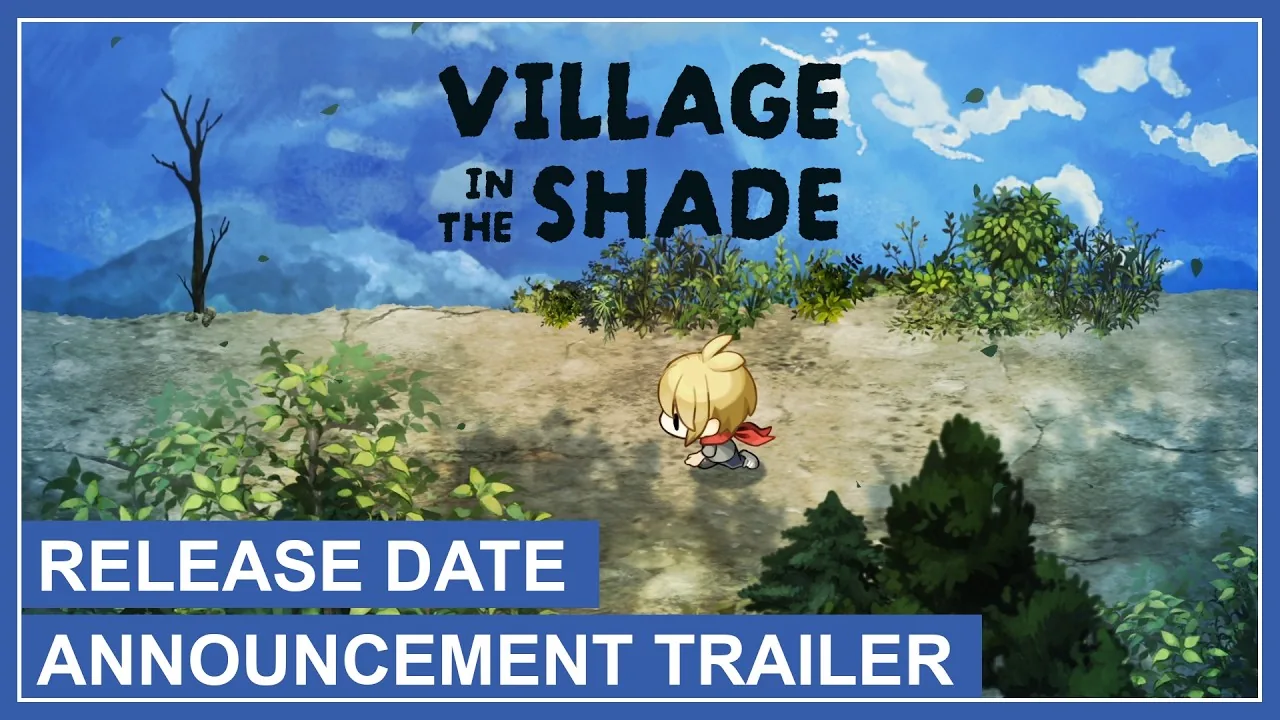
Kagatsu residents treat newcomers with cold suspicion. Townsfolk refuse casual conversation during early hours, and Jenni Lada of Siliconera said that “we’re 100% treated as an outsider” in a mountain settlement designed to provoke unease among newcomers [2]. To repay Rin’s debt, players clear neglected fields and tend crops [1]. Kagatsu customs demand throwing the opening harvest down a stone well to satisfy a mountain god rather than selling produce for profit [4]. This ritual sacrifice separates Kagatsu from typical rural games [2].
Daily Agricultural Chores
Daytime routines follow familiar simulation traditions. Players wake each morning, pick up hand tools, and tend plots through an isometric perspective reminiscent of early Harvest Moon and Stardew Valley releases, watering crops as they clear rocks and fallen timber [1, 4]. Weeding proves unforgiving because wild grass left on tilled soil ruins adjacent plants, forcing players to keep plots clean before merchant Sazanka agrees to sell higher-quality seeds for upcoming seasonal rotations [1].
Beyond field work, the game offers extensive crafting and animal husbandry systems that reward consistent care. Players gather lumber and stone from hillsides to erect a barn, housing cows and sheep that produce fresh milk and wool for market delivery or subsequent refinement [4]. When stamina depletes midway through morning chores, wild mushrooms, berries, and gathered herbs can be nibbled straight from the pack to replenish energy [2]. Hunting brings a sharper edge than most cozy titles allow. Players track forest creatures with a bow and arrow or lay snare traps across mountain thickets to gather meat, and fishing from rocky ledges supplies fresh meals as crops grow [1, 4]. Daily chores keep players occupied until noon, providing raw goods for market delivery before they head into town [4].
Town activities fill remaining daytime hours. There are no romance options in Kagatsu. Instead, players build bonds with aloof residents by studying daily schedules and delivering favored items. A handy character menu tracks neighbor preferences, and players can buy goods or build a shopping list even when the general store merchant is away [2].


Nighttime Curfews and Supernatural Horrors
Curfew begins at 11 PM, triggering Kagatsu’s first decree that forbids anyone from stepping outdoors, yet unraveling the dark mountain mystery behind the village requires breaking that boundary and confronting what roams the fog [1, 4]. Unseen figures pound on the farmhouse door each evening and rattle bedroom window frames. Reviewer Genghis Husameddin of PlayDayOne noted that Kagatsu feels more unsettling than terrifying, observing that “loud noises backdropped in dead silence are what will snap your attention back to the screen” [1].
Exploration through nocturnal mists exposes players to spirits that recall Nippon Ichi’s Yomawari: Night Alone and Midnight Shadows. Unlike Yomawari, where protagonists could only run from yokai, Kagatsu equips characters with weapons to strike back at select foes. Some nocturnal spirits offer aid instead of combat, granting rare cooking recipes unavailable during daylight [1, 2]. Even so, grotesque beasts patrol the forests, prompting ESRB and trigger warnings for graphic violence and animal harm [2].

Players record data only when the child character goes to sleep in the farmhouse. PlayDayOne warned that closing the game without exiting through the main menu can wipe recent evening milestones. Language selections and save slots remain permanently locked upon creation, preventing mid-run alterations [1].
Playing Village in the Shade on Switch 2
Performance on Nintendo Switch 2 hardware maintains fluid movement and renders delicate pastel backdrops and crisp 2D character art [1, 2]. Siliconera critic Jenni Lada said analog control stick alignment can feel slightly finicky when aiming at garden tiles, tree stumps, and boulders. Players often resort to strafing to align watering cans or set decorative furniture cleanly on terrain. These positioning habits take a short adjustment period, but they rarely interrupt daily farm tasks [2].
The Switch 2 platform has expanded its native software lineup, including Capcom’s Resident Evil 2 Switch 2 Edition that replaces cloud streaming with local hardware rendering. Players who dislike horror can select an optional “Village in the Sunshine” mode. This peaceful mode removes monsters, curfews, and bloody imagery, preserving farming routines, town festivals, and community center donations for relaxed play [4].

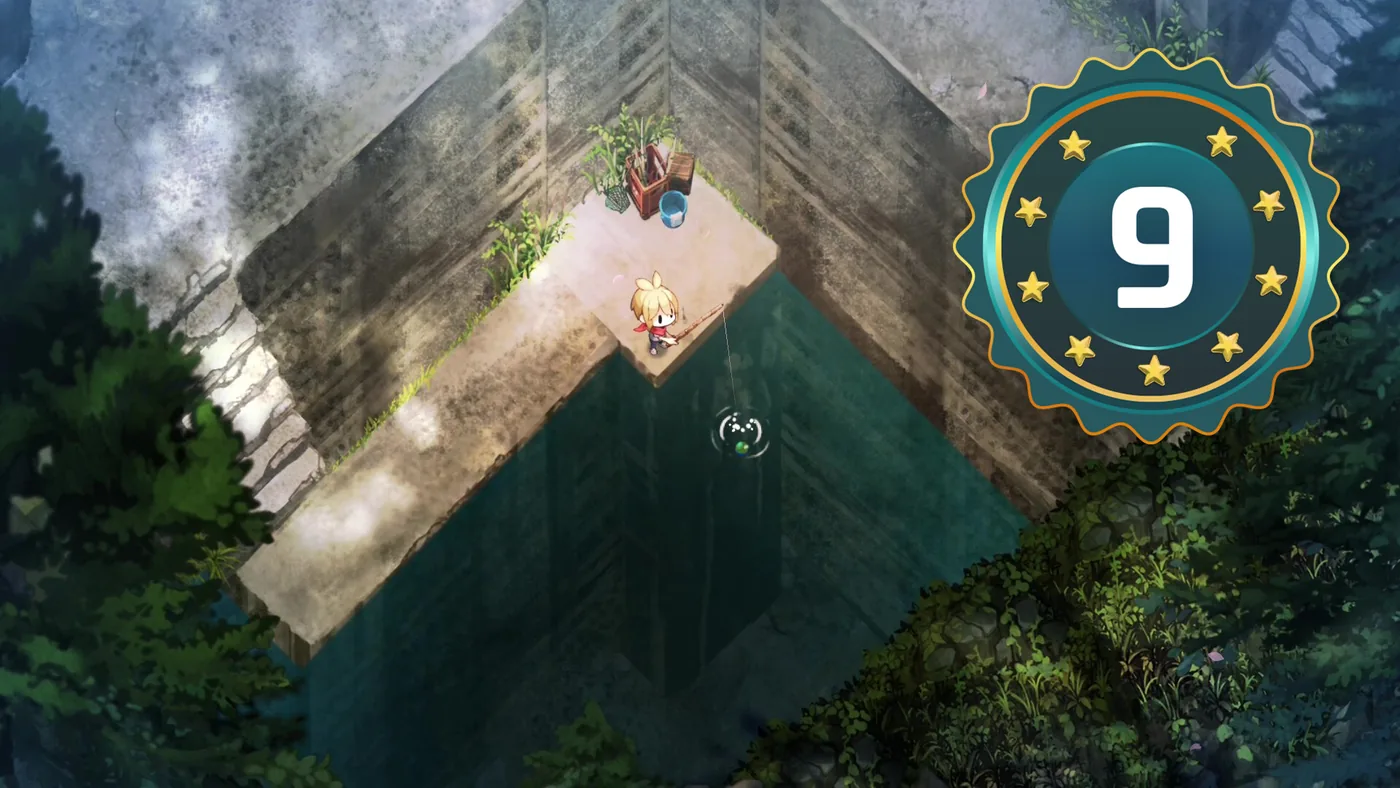
Review outlets praised this dual structure. Shacknews gave the game a review score of 9, applauding how Nippon Ichi built a compelling narrative atop proven simulation systems [5]. Nintendo World Report similarly concluded that Kagatsu’s unsettling secrets provide fresh incentive to plow fields and gather resources across multiple game years [4].
Release Date and Platforms
Village in the Shade officially launches on October 27, 2026 for Nintendo Switch, Nintendo Switch 2, PlayStation 5, and PC [2]. Publisher NIS America brings the game to Western territories with full English, French, and Spanish localization. The release bundles all content patches developed since the original Japanese, Korean, and Chinese editions arrived earlier this year [1].
Nippon Ichi Software delivers a distinctive hybrid by weaving folk terror through tranquil farming loops [1, 2]. Players find an agricultural simulation that boldly challenges cozy genre conventions, whether tending crops under the sun or dodging hostile spirits past midnight [3, 4]. Kagatsu Village opens on October 27 [2].
- ONLINE NEWS Husameddin, G. (2026, October 23). Village in the Shade | Review In-progress. PlayDayOne. [Article Link]
- ONLINE NEWS Lada, J. (2026, October 23). Review: Village in the Shade Is a Delightful Mix of Horror and Farming. Siliconera. [Article Link]
- ONLINE NEWS Review: Village In The Shade (Switch 2) – A Farm Sim That Plays With Cosy Tropes In Clever Ways. (2026, October 23). Nintendo Life. [Article Link]
- ONLINE NEWS Village in the Shade Review – Review. (2026, October 23). Nintendo World Report. [Article Link]
- ONLINE NEWS Village in the Shade review: Community service. (2026, October 23). Shacknews. [Article Link]


