



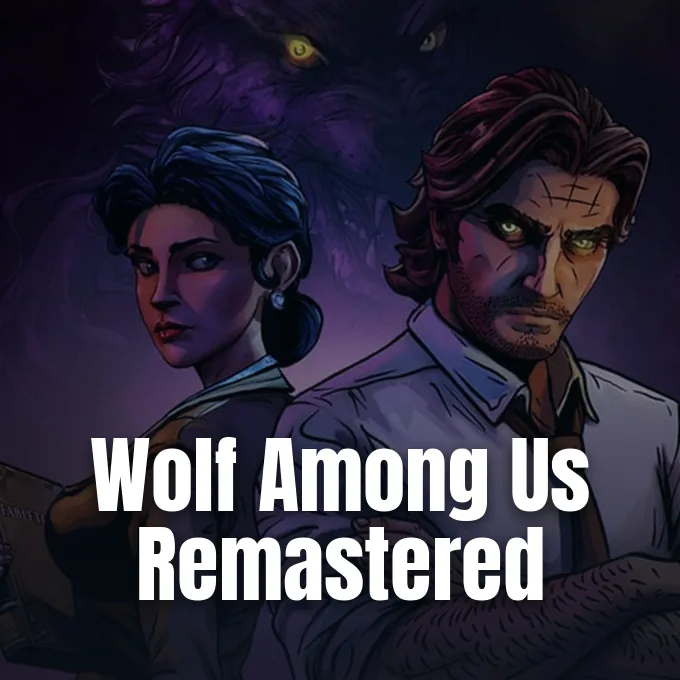
Telltale Games is releasing The Wolf Among Us Remastered on October 29, 2026, bringing Bigby Wolf back to current consoles ahead of his planned return in 2027. First published in 2013 as an episodic mystery, the project adapts the DC Vertigo comic series Fables by Bill Willingham and drops players into Fabletown, a hidden district in modern New York City [3]. Reviewers from outlets including IGN, GameSpot, and TheGamer tested the package on personal computers and Xbox Series X, examining whether its visual upgrade warrants a revisit [5]. Telltale priced the release at $25 while preserving the original story, balancing updated assets against older animation rigs [2].
Wolf Among Us Remastered Launch Details
The Wolf Among Us Remastered launches on October 29, 2026, on digital storefronts for $25, packaged with launch-week discounts and extra savings for people who already own the 2013 game. Telltale confirmed that the original release will remain available on storefronts, giving players a direct choice between the legacy edition and the revised bundle [2]. Earlier catalog refreshes took different paths; for instance, CD Projekt Red released a free update for The Witcher 3 to existing owners. In contrast, Telltale opted for a standalone budget tier that bundles all five episodes into one download [4].
The package carries an ESRB rating of Mature 17+ for blood, drug references, intense violence, partial nudity, sexual themes, strong language, and tobacco use [1]. That classification mirrors the dark tone of the comic book run created by Bill Willingham, which ran from 2002 to 2015 under DC Vertigo [2]. While Willingham recently stated that he no longer treats the Telltale storyline as canonical to his comic universe, the narrative stands on its own merits as a standalone prequel [3]. It requires roughly ten hours of play to finish the five episodic chapters [4].
Reviewer Győző Baki evaluated the release on Xbox Series X, finding that scene transitions stuttered occasionally and load screens took longer than anticipated on current hardware. The developer did not add modern convenience features such as dialogue fast-forwarding, scene skipping, or timeline rewinding [5]. Kaitlyn Peterson noted in TheGamer that dialogue sequences gave players limited time to read responses during intense confrontations [1]. The game offers five full episodes without requiring separate purchases [4].
Visual Updates to Fabletown Environments
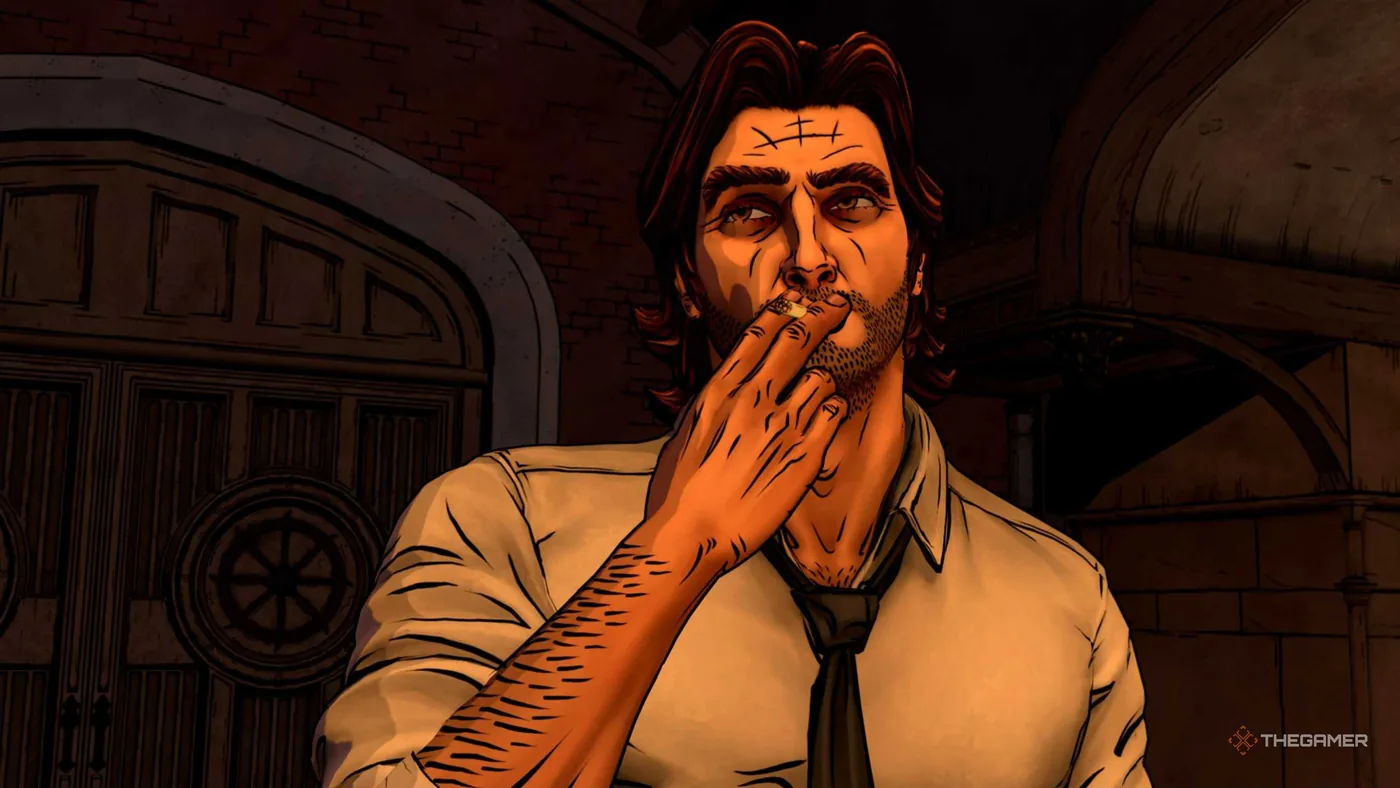
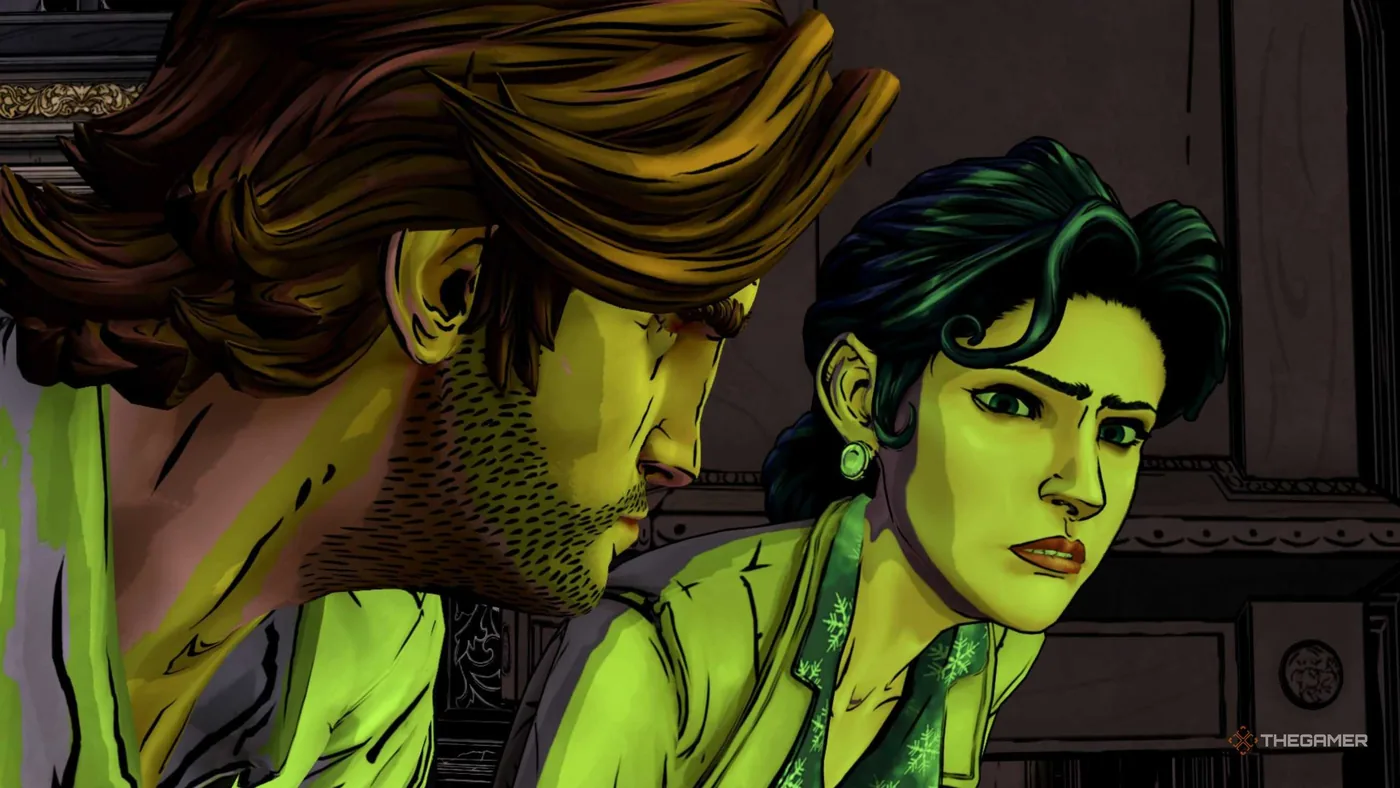
Visual fidelity serves as the primary calling card of the revised release, replacing the flatter backgrounds of the 2013 original with reworked environmental textures, dynamic shadow mapping, and detailed character assets [1]. GameSpot video producer Jean-Luc Seipke reported that Telltale aimed “to retain the original game’s look and feel while improving lighting, adding new animations where needed” to give Bigby Wolf a more formidable presence during his werewolf transformations [2]. Sarah Thwaites of IGN observed this cosmetic facelift in secondary locations such as Aunt Greenleaf’s apartment, where hanging tassels and cluttered curios make the setting feel distinctly witchier, as well as the Puddin ‘n’ Pie club, which now boasts ornate Art Nouveau pendant lamps and vibrant neon piping [4].
Despite the cosmetic upgrades, character animations remain anchored to 2013 skeletons. Colin Buchanan observed on Noisy Pixel that character models move with a stiff cadence that contrasts with the crisper textures [3]. Figures sometimes pivot unnaturally during cutscenes, and Bigby’s search animations feel somewhat mechanical [4]. These quirks reveal the project’s seventh-generation console roots [3].
Is the graphical upgrade enough to justify a double-dip for returning players? Kaitlyn Peterson described the visual jump as night and day when placing both versions side by side, concluding that the detailed environments elevate Fabletown’s moody comic aesthetic. Sharper character models make every facial expression easier to read during tense interrogations [1]. The upgrade gives newcomers the best-looking version of the story [3].

Detective Mechanics Under Timed Pressure
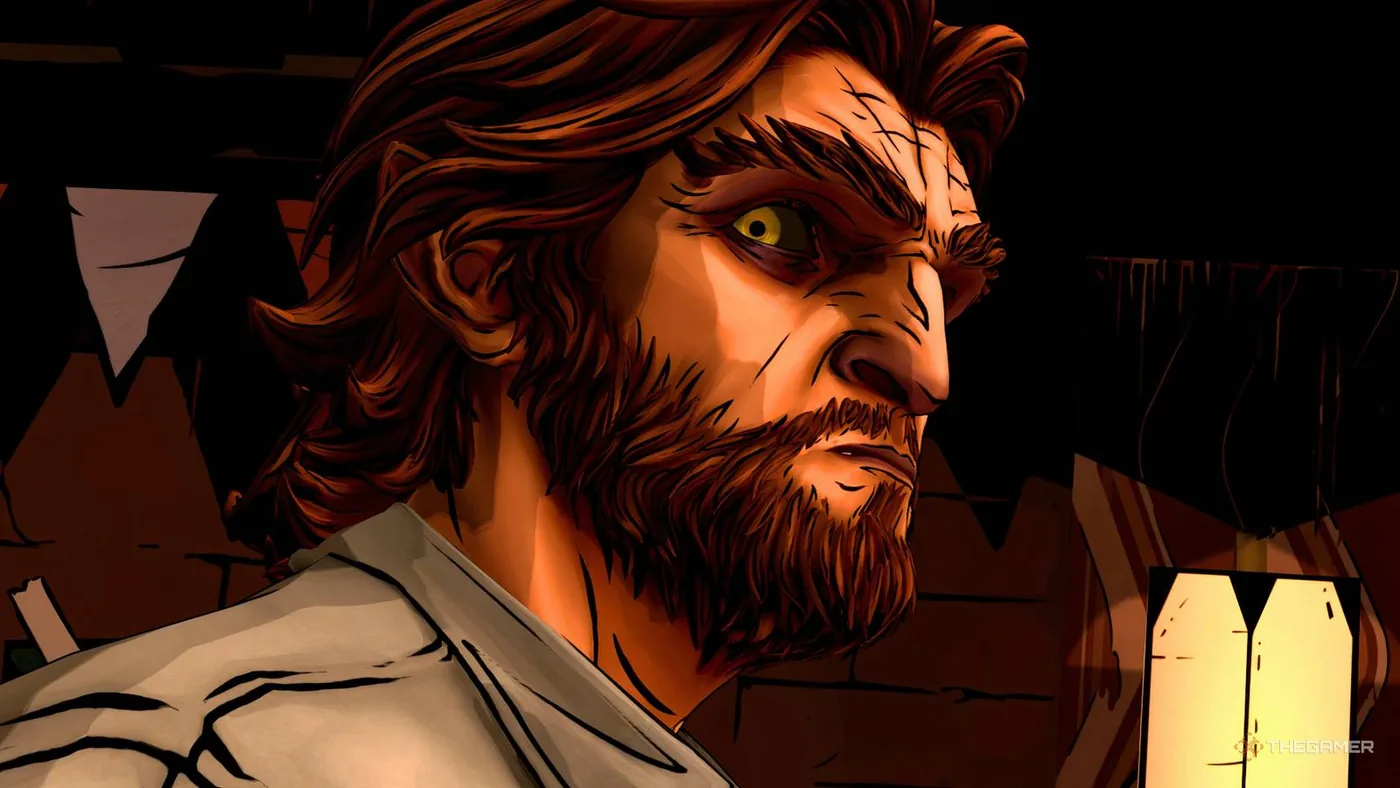
The core gameplay remains faithful to the episodic format that made Telltale famous in the early 2010s [5]. Players guide Sheriff Bigby as he investigates a brutal murder after a decapitated head appears on his doorstep with an etched ring and a ribbon. Progress depends on exploring crime scenes, talking to witnesses, and choosing dialogue responses under the pressure of a rapid timer. Characters remember Bigby’s decisions, and those choices dictate whether citizens treat him with trust or hostility [4].
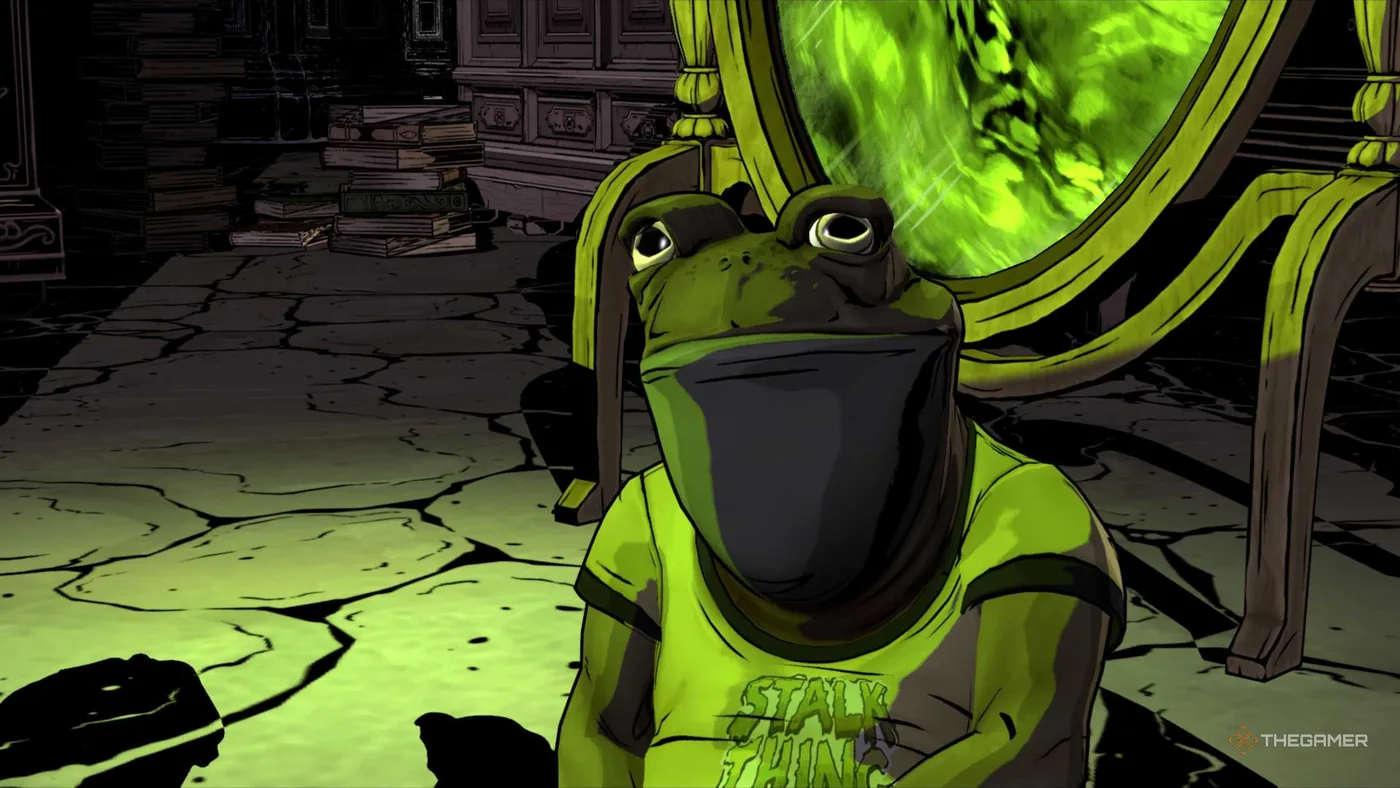
Investigations bring Bigby into contact with classic folklore figures living under hard circumstances in Manhattan. He interrogates The Woodsman in a rundown tenement, questions Colin the pig in his own apartment, and seeks advice from Snow White, who serves as deputy mayor [3]. Other encounters involve Bufkin the winged monkey from The Wizard of Oz, The Little Mermaid, and the Magic Mirror [4]. Bigby must constantly choose whether to act as a lawful protector or resort to violent intimidation [3].
Quick Time Events (QTEs) punctuate dramatic action beats, requiring button presses to dodge attacks, shatter furniture, or jump between rooftops [4]. These action sequences run reliably at higher framerates on modern consoles, but they still reflect older design trends from 2013 [3]. Pacing stumbles slightly during episode four, where dialogue retreads earlier deductions before building toward the climax. Checkpoints reset quickly if players fail an action prompt [4].
Bonus Features in Wolf Among Us Remastered
Beyond the cosmetic overhaul, The Wolf Among Us Remastered includes several supplemental features accessible from the main menu. An optional Noir Mode strips away the neon palette and renders the entire game in high-contrast black and white. Buchanan argued that while the monochrome look fits traditional detective fiction, it drains the distinctive 1980s neon lighting that defines Fabletown’s art direction [3]. Peterson similarly preferred the default color scheme, noting that the vibrant lighting highlights the remastered textures [1].
The package restores five playable deleted scenes that show unreleased story branches and dialogue options [3]. These sequences remain in an unfinished state, featuring unvoiced lines of text and placeholder animations that provide a glimpse into the writing room. Peterson noted that one cut scene offered compassionate dialogue for a key suspect that never made it into the retail version [1]. While non-canonical, these scenes allow players to explore alternate character interactions without affecting save data [5].
Players also gain access to roughly an hour of behind-the-scenes interviews with developers and voice cast members, as well as a digital art gallery and the Book of Fables encyclopedia [3]. Sarah Thwaites commended the inclusion of cast reflections regarding the ambiguous ending of the first season. The bonus hub functions like an archival DVD release, documenting how Telltale adapted the comic property. The archival gallery lets players compare original art assets against remastered renders [4].
Story Choices Carrying Into the Sequel
Telltale Games originally rose to fame from San Rafael, California, popularizing episodic releases after winning Game of the Year at the 2012 Spike Video Game Awards for The Walking Dead. When market shifts forced the original company to shut down in the late 2010s, California firm LCG Entertainment purchased the brand and intellectual property rights to rebuild the studio. The restructured team developed this remaster while continuing production on the long-delayed sequel, The Wolf Among Us 2 [5].
Decisions made in The Wolf Among Us Remastered will directly import into The Wolf Among Us 2 when the sequel arrives in 2027. Players who craft a specific moral reputation for Bigby will see those narrative consequences reflected in the upcoming chapter [5]. GameSpot reported that Telltale designed the remaster’s save system to link with the sequel, although the studio has not yet clarified whether save files from the 2013 original will carry over [2].
For newcomers, the $25 package provides the most polished entry point into Telltale’s graphic adventure catalog [1]. Returning fans get improved lighting, an optional monochrome mode, and archival deleted scenes to tide them over until 2027 [3]. While aging animations and rigid Quick Time Events remind players of seventh-generation limitations, the compelling murder mystery and strong vocal performances hold up well [4]. Bigby Wolf’s investigation remains one of gaming’s most memorable detective stories [5].
- ONLINE NEWS Peterson, K. (2026, October 27). The Wolf Among Us Remastered Stunningly Revives A Classic. TheGamer. [Article Link]
- ONLINE NEWS GameSpot. (2026). The Wolf Among Us Remastered Doesn’t Change Much, And That’s A Good Thing. GameSpot. [Article Link]
- ONLINE NEWS Buchanan, C. (2026, October 27). The Wolf Among Us Remastered Review: Return Of The Big Bad Wolf. Noisy Pixel. [Article Link]
- ONLINE NEWS Thwaites, S. (2026, October 27). The Wolf Among Us Remastered Review. IGN. [Article Link]
- ONLINE NEWS Baki, G. (2026, October 27). The Wolf Among Us Remastered | Review. PlayDayOne. [Article Link]


