





AI labs are racing to buy office records, offering firms hundreds of thousands of dollars for old Slack channels, emails, and ticket archives [1]. The rush comes as researchers at Epoch AI project that public text on the open web could run out between 2026 and 2032 [4]. To train autonomous office agents, labs need real knowledge work rather than simulated examples, driving a quiet gold rush for real workplace data from struggling startups and active firms [1].
Millions for Office Inboxes
Steven Levy of Wired reported receiving pitches from cold emailers named Nick and Cora, who offered between $350,000 and $1.8 million for publication archives before raising the prospective sum to $2 million. Handshake offered a freelance writer $1,000 for notes on one article. Handshake also bought graduate student coursework to help AI teams analyze how human specialists structure their thoughts. Meanwhile, brokers like Sunset and SimpleClosure approach founders to scrub identifying details before licensing files to OpenAI and Anthropic [1, 3]. SimpleClosure CEO Dori Yona introduced Asset Hub, closing nearly 100 deals with payouts between $10,000 and $100,000 per company [3]. Levy also met with Jonah Stillman, commercialization lead at San Francisco startup Tenkara, who gathers business records for AI models. In the latest YC batch, 40 of 65 newly launched startups focused on data acquisition [1].
The demand reflects a shift toward agentic software. Developers train these systems inside reinforcement learning gyms to practice common office tasks, leading Anthropic leaders to discuss spending up to $1 billion on dedicated simulation environments. The Information reported that these simulated workspaces allow AI tools to practice planning events and processing vendor requests [3].

Workplace Data Markets Value Office Records
Spending on AI training data is climbing as brokers target operating firms as well as bankrupt startups. Gartner projected that worldwide spending on AI data will reach $6.48 billion in 2027, rising from less than $1 billion last year [2, 5]. Mercor, founded in 2023 by three cofounders who became billionaires at 22, first focused on recruiting. Mercor CEO Brendan Foody discovered that major labs wanted messy, unscripted business workflows rather than clean simulations [1].
Brokers move fast. Ryan Lock, co-founder of Polyshares in Dallas, Texas, compared the scramble to early oil prospectors buying land from farmers who didn’t understand the wealth beneath their soil. “The offers being made look almost identical to those early oil offers,” Lock said from Dallas, adding that buyers routinely give owners 48-hour deadlines to accept buyout bids. Data broker Mode.Inc, led by CEO Dan Novaes and tech chief Kiran Panesar, reported that buyer appetite for company archives has become astronomical [2, 5].
Micro1 chief revenue officer William Almeida said AI developers want long-horizon records showing how teams make decisions over months of collaboration. To secure those records, Micro1 launched a program paying midsize firms between $100,000 and $2 million, committing $1 billion toward data acquisition over twelve months [5]. Micro1 CEO Ali Ansari predicted that selling workplace data will eventually outpace digital advertising as an ongoing corporate income line [1]. Grant Gooley licensed Figma files from his agency MyPortal Marketing to Micro1. Gooley argued that business owners should participate responsibly if models will train on workplace files anyway [5].


Bankrupt Assets and Disputed Archives
Bankruptcy auctions have turned office records into contested liquidation assets [4]. When Spirit Airlines halted flights in May 2026, its estate listed 20.6 million Microsoft SharePoint files, over 80,000 staff email accounts, and a trove of 500 million messages [1, 2]. Google bid $10 million. Micro1 topped the bid by $2.5 million [1].
The proposed deal stalled after the flight attendants’ union objected, warning that the trove held private health notes and personal conversations. The union’s president stated that employee records became valuable in the machine learning era primarily to build tools that eliminate human jobs [1]. Partner firms faced sudden exposure. Doug Kreuzkamp, CEO of flight operations vendor Springshot, learned from news reports that Google had bid on assets containing 15 years of his firm’s records. “I had less than 48 hours’ notice — from the media — that the intellectual property we had spent 15 years building could be given away,” Kreuzkamp said [5].
More than 120 lawmakers, led by Senator Elizabeth Warren and Representative Steven Horsford, sent a letter demanding privacy protections for former Spirit Airlines employees. Google responded that an independent third party would de-identify the files [2, 5]. The fight over Spirit Airlines showed how vulnerable workplace data becomes during liquidation auctions. But Mayu Tobin-Miyaji, general counsel at the Electronic Privacy Information Center, argued that unstructured chat records make full anonymization uncertain [1].

Employee Privacy and Consent Disputes
Privacy disputes also flared inside major tech firms attempting to log staff activity. Meta faced a staff revolt after launching a program to track keystrokes and mouse movements for AI training [2, 5]. Meta chief technology officer Andrew Bosworth promised the files would remain secure, but an internal leak quickly exposed private conversations and performance reviews across company systems. The leak forced Meta to act. Business Insider reported screenshots confirming that the social media giant suspended the tracking effort shortly after the incident [2, 5].
At SpaceX, CEO Elon Musk took a different path during an August meeting, telling staff that the firm would train its Grok model on their messages. Musk encouraged workers to view themselves as parents to the software, saying it would inherit their thoughts and beliefs. Shadow brokers also joined the market. Nick Heiner, who designs model environments at Surge AI, said an outside group pitched him an entire corporate codebase for several million dollars, though he realized the sellers had no legal authorization to transfer the software [2, 5].
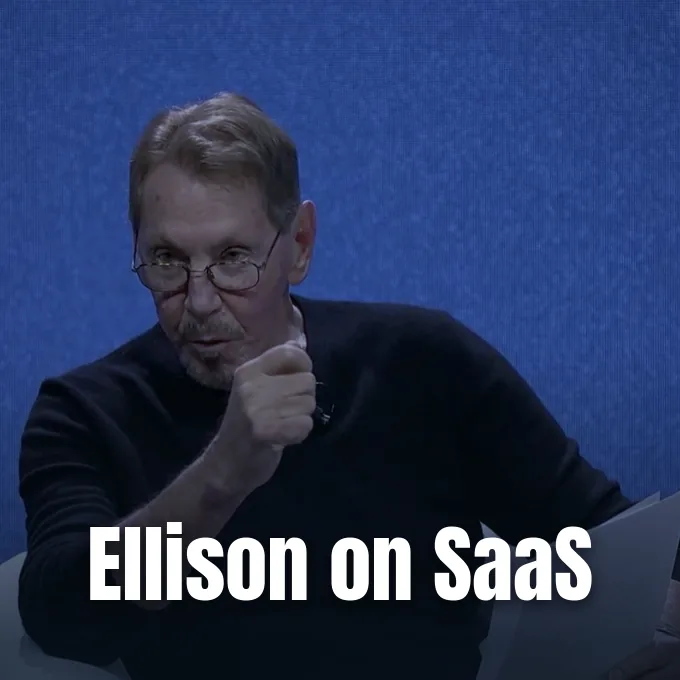
As office automation expands, legal scholars note that employment contracts never authorized third-party workplace data sales to outside AI developers [4]. Emory University law professor Ifeoma Ajunwa described the assumption that routine workplace monitoring permits third-party licensing as an “ethically gray area” [2, 5]. Oracle executive Larry Ellison dismissed enterprise software disruption at AI World, but brokers argue that everyday work records remain the most valuable resource for training office tools [2].

New Legal Limits on Workplace Data Collection
Office email mining has historical roots in the 2001 collapse of Enron, when federal investigators made 600,000 company messages public. Computer scientists spent twenty years using the Enron archive to train spam filters and early language tools. Consumer records have enjoyed protections since the Federal Trade Commission intervened in the 2000 Toysmart liquidation. Staff communications lacked equivalent shields [4].
Regulators are examining whether selling staff chats breaches data protection statutes. European Union authorities enforce limits under the General Data Protection Regulation against processing personal records for undisclosed purposes, while the California Consumer Privacy Act gives residents rights to inspect how firms use their information. Several state attorneys general have signaled plans to investigate whether licensing employee conversations requires refreshed consent [4]. Marc Rotenberg, founder of the Center for AI and Digital Policy, petitioned the Senate Commerce Committee to urge federal oversight of commercial training deals [3].
As commercial demand grows, labor researchers argue that employees may push for collective control over their digital outputs. Sociologist and former Uber policy executive Alex Rosenblat pointed out that the commercial value of office messages creates fresh leverage for workforces. “It’s not that data collection wasn’t present before; it’s that the scale at which it can happen, the scale at which it is useful, has shifted,” Rosenblat said [2, 5]. Does employee consent to internal chats extend to commercial workplace data licensing for AI models? Workers rarely know when their daily correspondence is sold to build autonomous office agents. As long as software developers view authentic knowledge work as their best training asset, the battle over who profits from corporate messages will remain unresolved [1, 2].
- ONLINE NEWS Levy, S. (2026, November 6). AI Companies Really, Really Want to Buy Your Work Files and Emails. Wired. [Article Link]
- ONLINE NEWS Jaen, R. (2026, October 20). Companies Are Selling Employees’ Private Slack Messages and Emails to Train AI—Often Without Workers’ Knowledge. International Business Times UK. [Article Link]
- ONLINE NEWS Gil, B. (2026, April 17). Failed Companies Are Selling Old Slack Chats and Email Archives to Train AI. Gizmodo. [Article Link]
- ONLINE NEWS Pierce, M. (2026, April 19). Companies Are Selling Workers’ Private Messages and Emails as AI Training Data. Political.org. [Article Link]
- ONLINE NEWS Rollet, C., Carter, T., & Council, S. (2026, October 13). AI labs are offering companies big money to hand over their employees’ private Slack DMs and emails. Business Insider. [Article Link]


