





The Activision patent, published on November 12, 2026, describes a machine learning system that trains non-player characters using audio captured from player voice chat, as first reported by Dexerto [2]. The filing, titled Methods and Systems for Applying Machine Learning to Generate Gameplay Audio, details how bots could mimic human speech in games like Call of Duty. Instead of replaying canned voice lines recorded in advance, these characters would adapt to match moments using conversational data gathered from team lobbies and third-party apps like Discord [1]. While the filing outlines filtering tools meant to weed out abusive speech, the documentation raises privacy questions because it doesn’t describe player notification or consent [2].
How the Activision Patent Analyzes Match Audio
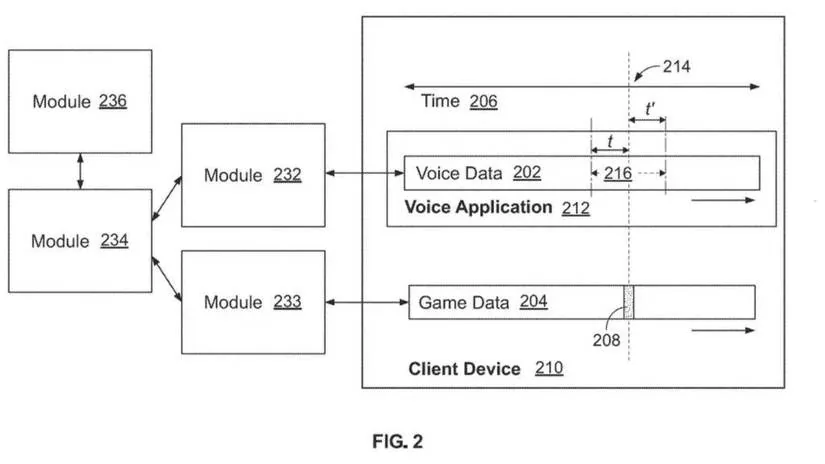
The filing explains that audio capture under the Activision patent focuses on windows around flagged gameplay events, such as when a player scores a kill, suffers a defeat, or loses a match. Rather than copying a player’s exact vocal tone, the model extracts speech patterns, phrasing, and emotional intensity to train non-player characters. The goal is to give teammates and enemies realistic conversational audio. Software links audio data to on-screen events to train bot behaviors for combat scenarios [1].
The capture window spans about 10 seconds before and after each flagged match event. That narrow timeframe samples how teammates react when they secure a kill or get eliminated. If a squad member shouts after being eliminated by a camper, that reaction feeds into the model so future NPCs mimic that frustration during identical combat scenarios. While the filing does not mention Call of Duty by name, Infinity Ward and other studios rely on the series as Activision’s central multiplayer property [1].
The technology could apply to friendly squad bots, neutral bystanders, and opposing combatants alike. These characters would select lines tailored to match conditions instead of pulling from a short bank of pre-recorded audio [2].
Discord Audio Capture and Privacy Concerns
The patent’s scope extends beyond native match lobbies into outside voice platforms like Discord and TeamSpeak. By matching timestamps between voice channels and match logs, the system gathers audio from private calls while friends play together. Group banter during tense rounds could become training data [1]. This bridge between outside communication apps and game telemetry lets the software gather unscripted conversational reactions that occur completely outside the core game client [2].
Privacy concerns emerged quickly because the filing never explains how Activision would notify players or secure explicit permission before recording their conversations. Analysis from patent tracking group Patentlyze pointed out that the application omits any framework for user consent, even though capturing audio from desktop communication apps touches sensitive personal data [2]. Gamers often keep third-party calls open while browsing or discussing personal matters between rounds [1]. Unchecked background recording creates privacy risks that the Activision patent simply leaves open [2].
Filing a patent does not guarantee that the feature will ever appear in an actual game. Dexerto reporter Callum Doyle said that Activision hasn’t stated whether it plans to use the system in Call of Duty or any other franchise, and publishers regularly file exploratory patents for ideas that are never released [2].

Filters in the Activision Patent and Actor Concerns
Activision included language filtering tools in the application to prevent offensive slurs from slipping into generated dialogue [2]. Automated filters have a poor record. In a report for TheGamer, writer James Lucas pointed to past experiments where players bypassed basic safeguards to force the AI Darth Vader in Fortnite into uttering offensive slurs during live matches. Lobbies in shooters like Call of Duty: Modern Warfare III suffer from verbal abuse, making uncurated player chat an unpredictable foundation for training bots [1].
Beyond privacy hurdles, the prospect of generating character voices with machine learning alarms professional performers and creative labor groups. The voice actors union SAG-Aftra has repeatedly raised concerns about generative tools that replace human talent in video game production without fair pay or consent. Union advocates argue that replacing human performers with synthesized combat banter undermines existing performance standards in the gaming industry. The patent filing makes no mention of compensating actors whose past work might inform speech synthesis models [1].
Activision has already confirmed using artificial intelligence in current production workflows, adding a notice on Call of Duty’s Steam store page. That disclosure reads, “Our team uses generative AI tools to help develop some in game assets.” The statement shows that algorithmic tools are already part of its development pipeline [2].
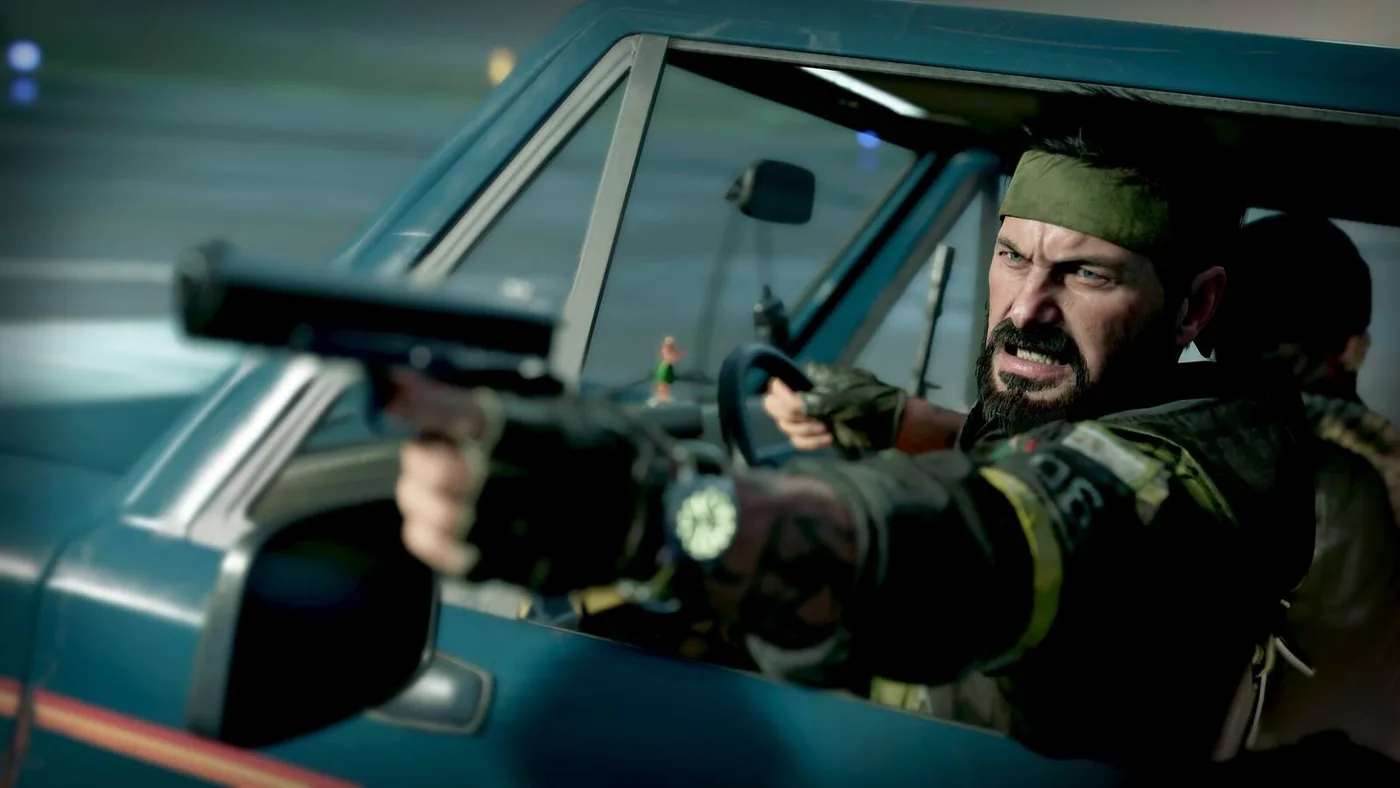
Origins of Trash Talk in Sports
Spoken taunts and playful insults have a long history that predates digital multiplayer games by many decades. In sports, verbal sparring often aims to rattle an opponent’s confidence or build psychological tension between rivals. Heavyweight boxing icon Muhammad Ali turned trash talk into an art form during the 1960s and 1970s, even releasing a spoken-word album in 1963 called I Am the Greatest! that featured rhyming boasts. Later athletes, including Boston Celtics star Larry Bird and former UFC champions Conor McGregor and Chael Sonnen, became famous for pairing verbal jabs with elite athletic performance [3].
Verbal hostility can easily cross the line from playful gamesmanship into damaging abuse. During the 2006 World Cup final, French soccer star Zinedine Zidane head-butted Italian defender Marco Materazzi after Materazzi insulted his sister on the pitch. In digital culture, the practice evolved into online smack talk during the early 1990s in chat rooms and online gaming channels. In fast-paced online matches, banter quickly escalates into hostility when players vent frustration after getting eliminated [3].
Machine learning models trained on raw voice chat absorb that in-game hostility. If bots mimic the sharpest insults hurled in heated matches, they risk amplifying the very toxicity that developers have tried to curb [1].
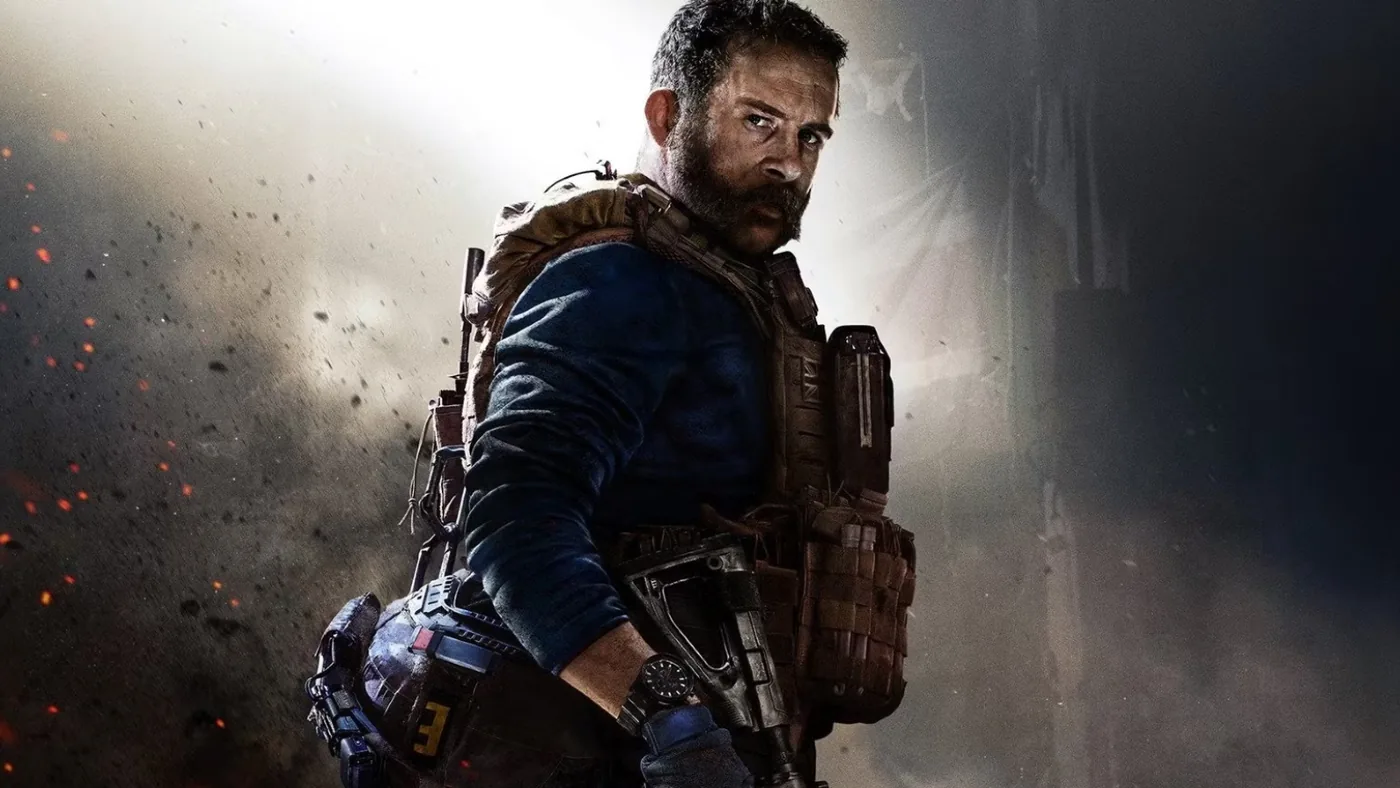
Activision Studio Background Since 1979
Activision was founded on October 1, 1979, in Sunnyvale, California, by former Atari programmers David Crane, Larry Kaplan, Alan Miller, and Bob Whitehead, who were known as the Gang of Four. They left Atari under CEO Ray Kassar after demanding royalties and public creator credits on cartridge boxes, successfully launching the video game industry’s first independent third-party console developer for the Atari 2600 and creating hits like Pitfall!. After surviving the video game crash of 1983 and renaming briefly as Mediagenic under Bruce Davis, the business was bought in 1991 for about $500,000 by Bobby Kotick and an investor group. Kotick moved the company to Los Angeles, restored the Activision name, and built a publishing powerhouse that launched major franchises like Call of Duty and Guitar Hero [4].
In 2008, the company merged with Vivendi Games to form Activision Blizzard, and in October 2023, Microsoft bought the publisher to integrate it into its Xbox division [4]. As parent company Microsoft builds up its cloud network, studios face pressure to balance automated tools with creative oversight [2]. That balance has sparked debate in gaming communities, especially following prior enforcement actions against viral AI projects within Microsoft’s development divisions.
The latest Activision patent shows how major game makers are exploring machine learning to make virtual worlds feel alive, but player pushback against uninvited voice harvesting creates a steep obstacle [1]. Until publishers address privacy safeguards and actor protections openly, experimental audio filings will continue to face scrutiny from players and creators alike [2].
- ONLINE NEWS Lucas, J. (2026, November 22). Activision patent would let AI NPCs learn from toxic COD lobbies. TheGamer. [Article Link]
- ONLINE NEWS Doyle, C. (2026, November 22). Activision patent would let NPCs learn to trash talk from players’ voice chat. Dexerto. [Article Link]
- WEBSITE Wikipedia. (n.d.). Trash talk. In Wikipedia. [Article Link]
- WEBSITE Wikipedia. (n.d.). Activision. In Wikipedia. [Article Link]


