




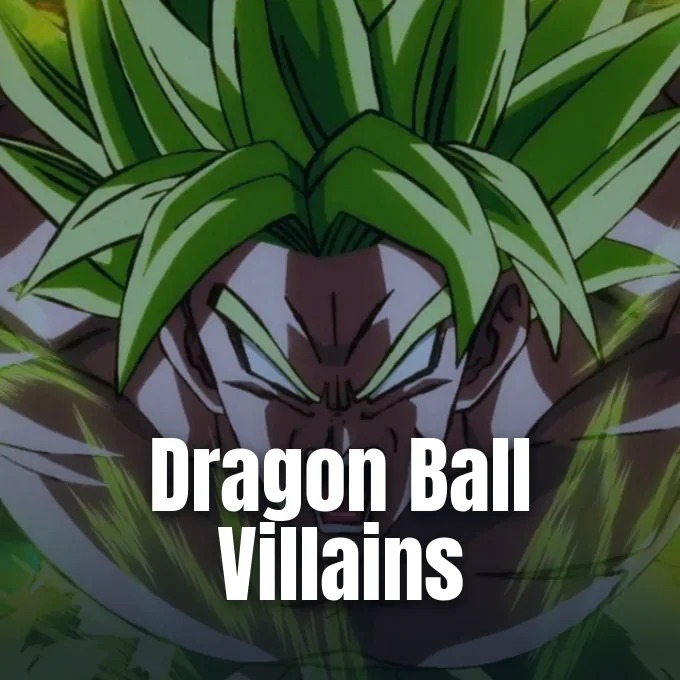
Comic Book Resources evaluated seven Dragon Ball villains with memorable character designs to examine how visual choices evolved from Akira Toriyama’s animal motifs to Toyotarou’s modern manga styling. The retrospective arrives as readers wait for Dragon Ball Super Chapter 105 to begin the Black Frieza Saga after Frieza appeared at the close of the Granolah arc. Screenwriter Yusuke Watanabe and manga artist Toyotarou worked with Akira Toriyama to expand these antagonists beyond older martial arts tropes into gods, sorcerers, and bio-androids. The anime aired on network Fuji TV between 2015 and 2018 under showrunner Tatsuya Nagamine, with episode directors including Ryota Nakamura and Masanori Sato guiding the 131 episodes. The anime villains set visual standards that earned a 7.46 score on MyAnimeList [1].
Beerus and Early God Concepts
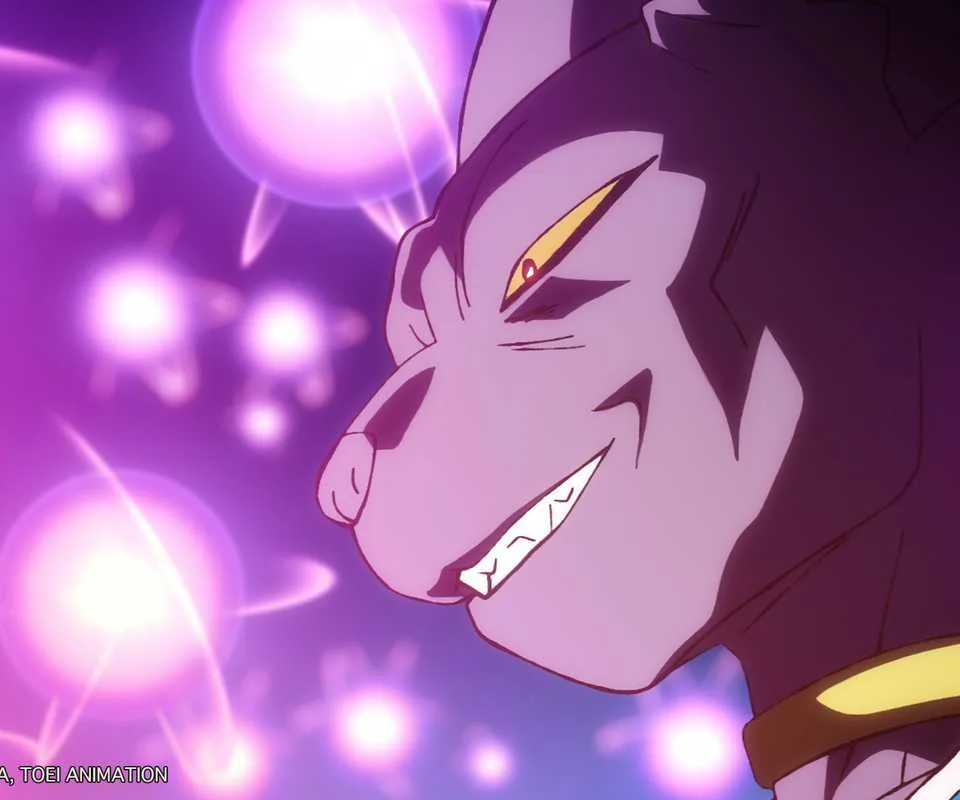
Lord Beerus introduced godly power to the franchise, but his visual look started in a very different place. Battle of Gods screenwriter Yusuke Watanabe originally sketched Beerus as an aggressive reptile warrior, but Akira Toriyama chose to redesign the character around his own Cornish Rex cat. Toriyama scrapped that initial draft. Toriyama gave the God of Destruction large pointed ears, purple skin, and Egyptian-inspired royal collar ornaments to balance silly petulance over food with cold fury during planetary combat [1].
Feline features helped Beerus swing between silly antics over pudding and lethal fury during planetary battles. His expressive face made a strong impression. The look established a visual template that defined Universe 6’s Champa, Universe 11’s Belmod, and Universe 10’s Rumsshi (Universe 7’s divine peers). Champa was created to balance Beerus [1].
Beerus grew beyond a simple arc villain into a permanent ally who regularly hosts other warriors on his world. In the manga, Goku and Vegeta spend long periods training on Beerus’ planet, where Broly later joins them to learn control over his explosive power [2]. Beerus’ peaceful home contrasts with his ruthless introduction. An effective design can outlast an antagonist’s initial conflict [1].
Moro to Granolah Redesigns
Planet-Eater Moro brought ancient dark magic into the manga after spending ten million years imprisoned by the Galactic Patrol, initially appearing as a decrepit goat-like warlock with curved horns. His ancient look reversed once the Namekian Dragon Balls restored his youth. He soon absorbed his Android ally Seven-Three and traded his goat muzzle for a sleek humanoid face that closely resembled Perfect Cell [1].
Moro kept brown fur on his shoulders and legs, while Seven-Three’s forehead crystal became a key combat feature. His later merger with Merus proved controversial. Author Daniel Kurland of CBR said that Moro’s shift into Perfected Ultra Instinct with white fur pushed the design too far and lost what made the character distinct [1].
Granolah the Cerealian offered a very different visual style during the Granolah the Survivor Saga. Cerealians were wiped out by the Saiyans under Frieza’s command, so Granolah fought for personal revenge. Designed by Toyotarou, Granolah resembles Toriyama’s fantasy video game heroes from Chrono Trigger and Dragon Quest. He wears a two-tone green vest over a shirt, belted boots, a leather eyepatch, and a billowing scarf. Granolah started with mint green hair down to his waist before cutting it short to battle Goku and Vegeta [1]. Toyotarou took over lead illustration duties as the series expanded, an evolution detailed in our look at Toyotarou taking the lead in Dragon Ball Super, where character drafts blended fantasy legacy with modern sci-fi fashion.

Classic Forms Inspiring Dragon Ball Villains
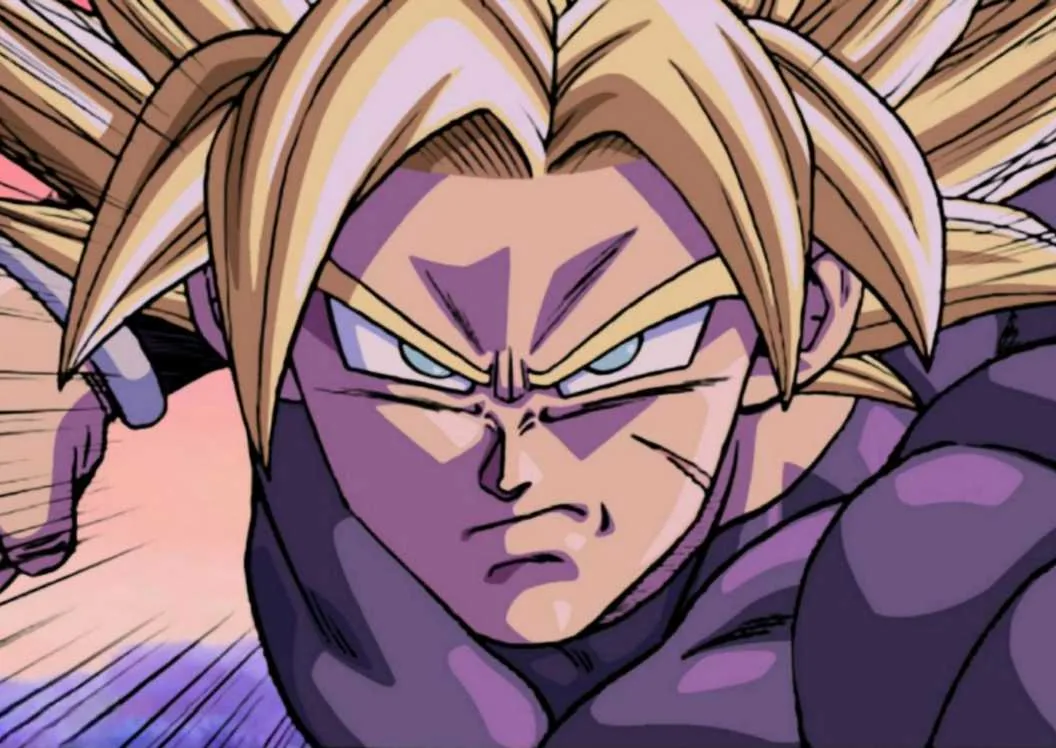
The film Dragon Ball Super: Super Hero revived the Red Ribbon Army. The project gave Toriyama room to revisit an old preference. When Toriyama drew Dragon Ball Z, his editor disliked Semi-Perfect Cell, prompting the mangaka to later collaborate with Dr. Hedo in Super Hero to revive that heavier, unpolished look [1].
Cell Max carries the broad wings of Perfect Cell, but his body retains the round mouth and heavy torso of Semi-Perfect Cell in bright scarlet and dark green. Dr. Hedo added a spiked tail. The weaponized tail turned the bio-android into a rampaging kaiju whose premature activation left him without speech or intellectual control [1].
Gas served as the main physical threat of the Heeter Force in the manga with visual roots in classic sci-fi monsters. Heeters share pale blue skin, dreadlocked hair, and tailored tunics that recall the Yautja hunters from the Predator film series. Gas initially wore a necklace of heavy teeth across his forehead that functioned as a power inhibitor to keep his berserk instincts contained before a Dragon Ball wish unleashed his Awakened form. After that wish boosted his strength, his Awakened form made him taller and sharper without stripping away his basic tribal identity. His later transformations into Inner Nature Unleashed and his withered Aged Form altered his body so severely that they erased his facial personality during combat [1].
Fused Zamasu and Broly
Fused Zamasu created a striking image of divine corruption during the Future Trunks saga (involving Goku Black and Future Zamasu). They fused using Potara earrings. Fused Zamasu kept Goku Black’s spiky hairstyle in stark white and wore an apprentice Supreme Kai tunic accented by a floating Barrier of Light that evoked angelic imagery from Neon Genesis Evangelion [1].
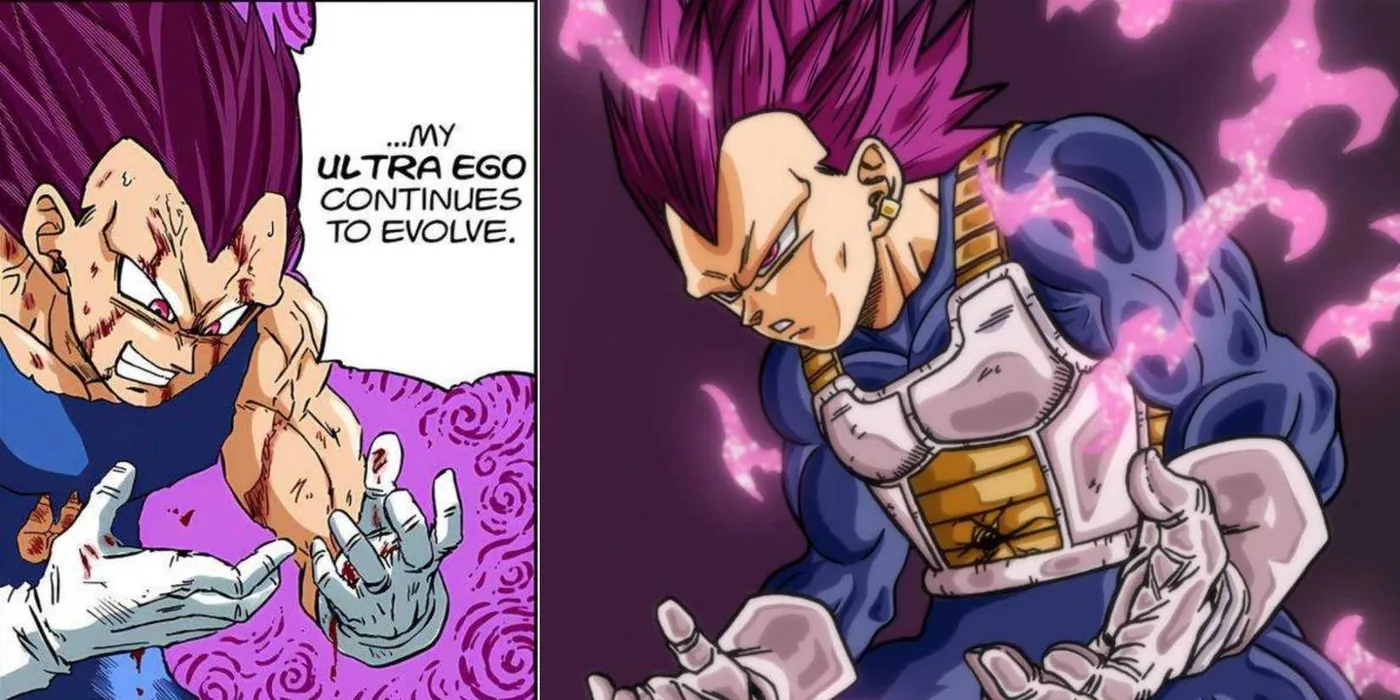
When Vegito Blue struck him with a Final Kamehameha, the attack melted half of his face into a purple, gelatinous mass. His corrupted face reflected how his twisted god complex broke down under physical pressure [1]. Vegito and Gogeta represent extreme emergency measures that the Saiyans hate using. Goku and Vegeta avoid fusing because it feels like admitting defeat against an opponent [2].
Broly received a full redesign for Dragon Ball Super: Broly under director Tatsuya Nagamine to ground the Legendary Super Saiyan in believable emotional history with Saiyan armor and Ba’s fur pelt. Toriyama removed the comical bulk of his earlier film appearances. Toriyama drew him in green armor. Broly’s yellow-green aura stood out against Goku’s red Super Saiyan God and Vegeta’s blue energy. His earlier background was analyzed in our study of the strongest non-canon Dragon Ball characters, but the canon film gave him genuine warmth and tragic depth [1]. Renan Fontes said that “fusion is a safety net Goku and Vegeta can always rely on, but it’s one they absolutely hate using,” explaining why they chose Gogeta against Broly [2]. Frieza killed Paragus in the Arctic [1].
Next Steps for Dragon Ball Villains
Following the battle, Broly relocated to Beerus’ planet. Dragon Ball Super Chapter 103 showed him mastering his True Legendary Super Saiyan state during sparring matches with Gohan Beast. Broly remains poised to reclaim center stage, differing from Goku and Vegeta after their recent transformations [2]. Such character shifts show how early Dragon Ball villains can transition into steady allies as larger threats appear [1]. His steady growth gives Universe 7 another powerful defender for upcoming battles [2].
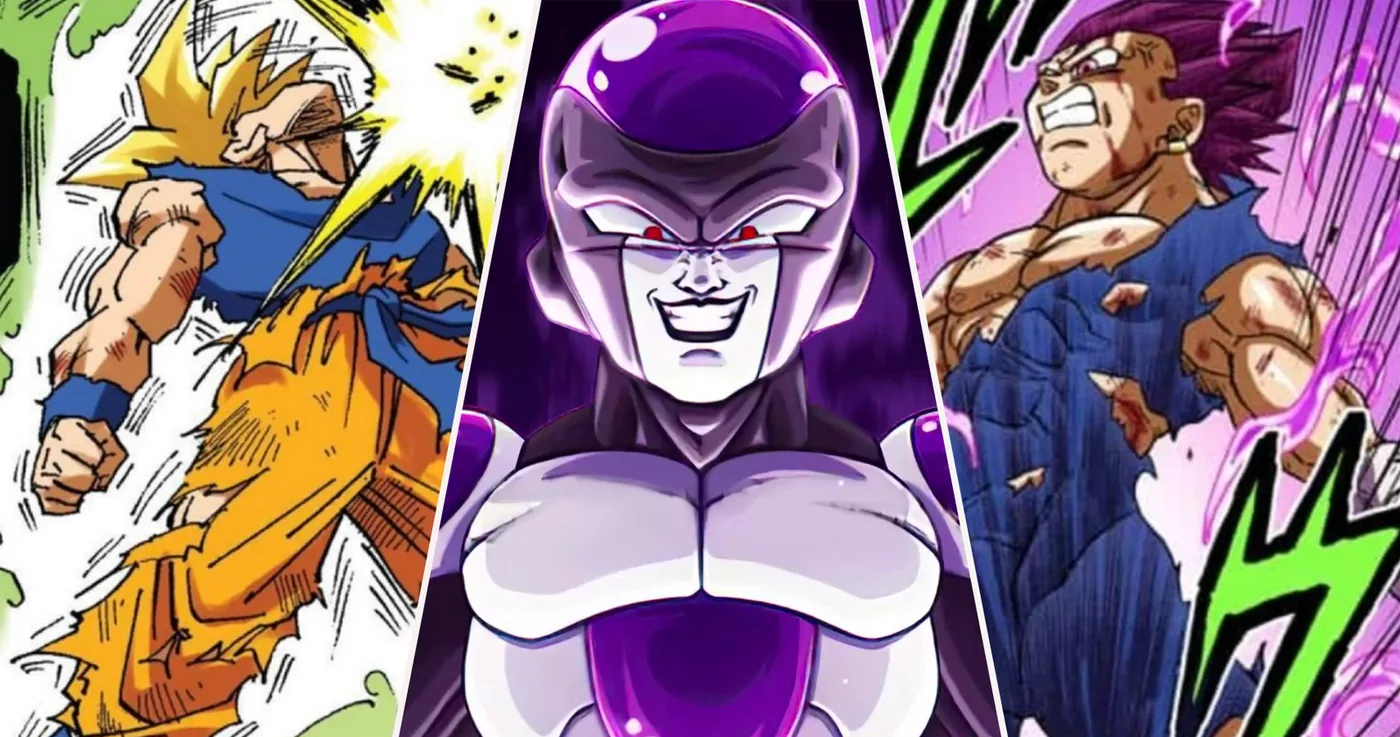
Black Frieza represents the major design shift for Universe 7’s oldest enemy. After training for ten years inside a Hyperbolic Time Chamber, Frieza emerged with charcoal-black shoulders, forearms, and shins contrasting with his purple torso. He knocked out True Ultra Instinct Goku and Ultra Ego Vegeta in seconds. Game Rant noted that Chapter 105 should return focus to fighting Frieza, with Vegeta holding a 0-3 lifetime record against him [2]. Vegeta lost three fights against Frieza [1]. Because Frieza destroyed Planet Vegeta, Vegeta would never want a fusion win against him [2].
The upcoming Black Frieza Saga will test whether other Z-Fighters can contribute against Frieza’s new form. Piccolo starred in Super Hero, but Fontes joked that fans expecting a Piccolo Namekian victory might as well buy Kame House. Gohan Beast stands as the strongest fighter on Earth, but Fontes said he is 100% going to fight Black Frieza and job to show Frieza’s overwhelming speed. Ultra Ego suits Vegeta’s natural Saiyan aggression, unlike Ultra Instinct which fits Goku. Goku has the best practical chance and worst narrative chance of beating Black Frieza [2]. Modern Dragon Ball villains continue to define the visual tone and stakes of the entire franchise [1].
- ONLINE NEWS Kurland, D. (2026, November 21). 7 Dragon Ball Super Villains With Perfect Designs. Comic Book Resources. [Article Link]
- ONLINE NEWS Fontes, R. (2026, November 21). Dragon Ball Super: Who Has The Best Chance of Beating Black Frieza? Game Rant. [Article Link]


