





Cancer immunotherapy treatments have altered oncology by helping white blood cells attack tumors. Yet fewer than 30 percent of patients achieve a durable response in most advanced tumor types, prompting scientists to evaluate everyday habits that might weaken immune activation [1]. A study published in Science Signaling indicates that regular alcohol intake cuts treatment efficacy in half by dampening cytotoxic cellular defenses. Laboratory tests in mice and medical records from cancer patients show that ethanol exposure curbs tumor-infiltrating lymphocytes and reduces survival gains during anti-PD-1 drug regimens.
Why Cancer Immunotherapy Fails
Immune checkpoint inhibitors work by blocking natural biochemical brakes. Malignant cells often avoid destruction by binding to programmed cell death protein 1, known as PD-1, which signals defensive T cells to stand down and ignore the expanding tumor. Monoclonal antibody treatments like pembrolizumab and nivolumab attach to this receptor, freeing immune cells to attack tumors. When ethanol enters the bloodstream, it blunts this antitumor activity by weakening circulating lymphocytes before they ever reach cancerous growths [3].
To test how drinking habits alter drug responses, lead researcher Kristen Gilley and senior investigator Coleman organized extensive laboratory trials with co-authors Garness, Khan, and Materia at the University of North Carolina at Chapel Hill. The team gave moderate or heavy amounts of ethanol to mice for five weeks before introducing cancer cells. This regimen mimicked regular human drinking habits. Researchers Carpenter, Shabrang, Beckabir, and Woodcock helped track tumor growth curves and survival times across the treated groups [1].
Can lifestyle changes help when fewer than a third of patients respond to standard regimens? Senior oncologists Pecot and Vincent said that finding modifiable risk factors gives doctors actionable guidance to improve patient outcomes. “By defining how modifiable risk factors affect ICI response, recommendations can be established to improve the likelihood of durable response to ICI,” the researchers wrote [2].
Survival in Mouse Tumor Models
Rodent trials demonstrated clear survival differences between animals given ethanol and control groups on identical therapy. For rodents carrying lung tumors, checkpoint blockade alone raised median survival from roughly 30 days up to 86 days, but when animals consumed ethanol, median survival reached only 58 days, cutting the drug’s survival benefit in half [2]. Tumors recurred faster in the drinking animals.
A second experiment evaluated mice inoculated with MB49 bladder cancer cells. Unexposed mice treated with checkpoint inhibitors saw survival rise from 22.2 percent to 88.9 percent, showing robust tumor clearance, whereas mice that received ethanol saw survival fall below 30 percent despite receiving the full medication schedule. Giving alcohol to control mice without immunotherapy did not alter survival, showing that ethanol does not simply make tumors grow faster on its own [1].
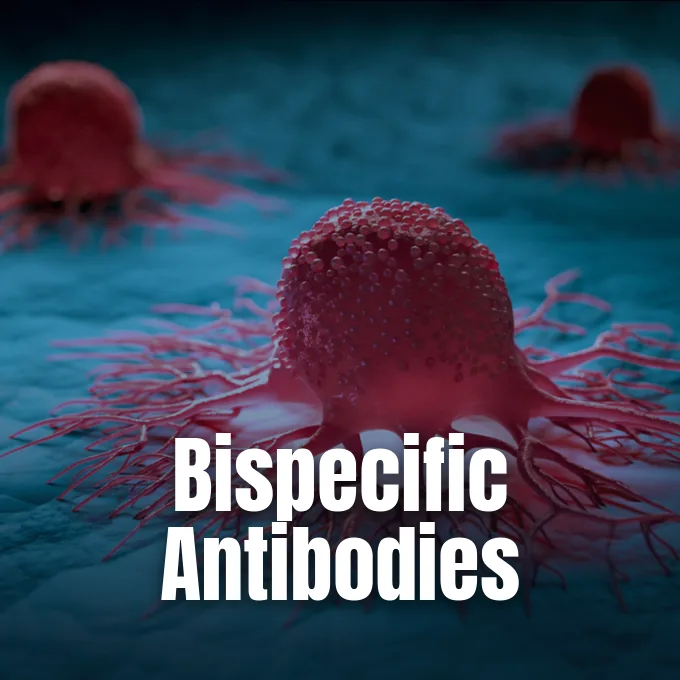
“In both models, ethanol did not affect survival in the absence of ICI, indicating a disruption of antitumor immunity,” the researchers wrote. This finding separates general organ toxicity from immune interference. Preclinical cancer programs also test engineered biologics like bispecific antibodies that clear mouse tumors by pairing immune engagement with complementary agents to destroy malignant growths. In the current trial, however, standard single-agent blockade proved vulnerable to chronic ethanol intake [1].
Clinical Records at UNC Chapel Hill
To find out if animal results matched patient outcomes, the team reviewed medical records at the UNC Chapel Hill Cancer Hospital. The retrospective cohort examined patients who received anti-PD-1 therapy between 2014 and 2018. Hospital files separated individuals into occasional drinkers, who had less than one drink each week, and regular drinkers, who averaged about eight drinks weekly during their care. That grouping let clinicians isolate the effect of ongoing drinking during treatment [1].
Among 93 lung cancer patients treated with checkpoint inhibitors at UNC Chapel Hill Cancer Hospital, regular alcohol consumption was significantly linked to reduced survival after immunotherapy began in the clinical cohort. Patients who drank regularly gained fewer survival benefits from the medication than individuals who drank rarely or abstained completely throughout their treatment courses. In other patient groups within the cohort, including those treated for bladder cancer, melanoma, and head and neck cancer, the survival differences were less definitive. The study authors said that clinical records for those particular tumor types had smaller patient cohorts and less complete alcohol tracking, which prevented researchers from drawing firm conclusions about survival impacts across those distinct disease groups [2].
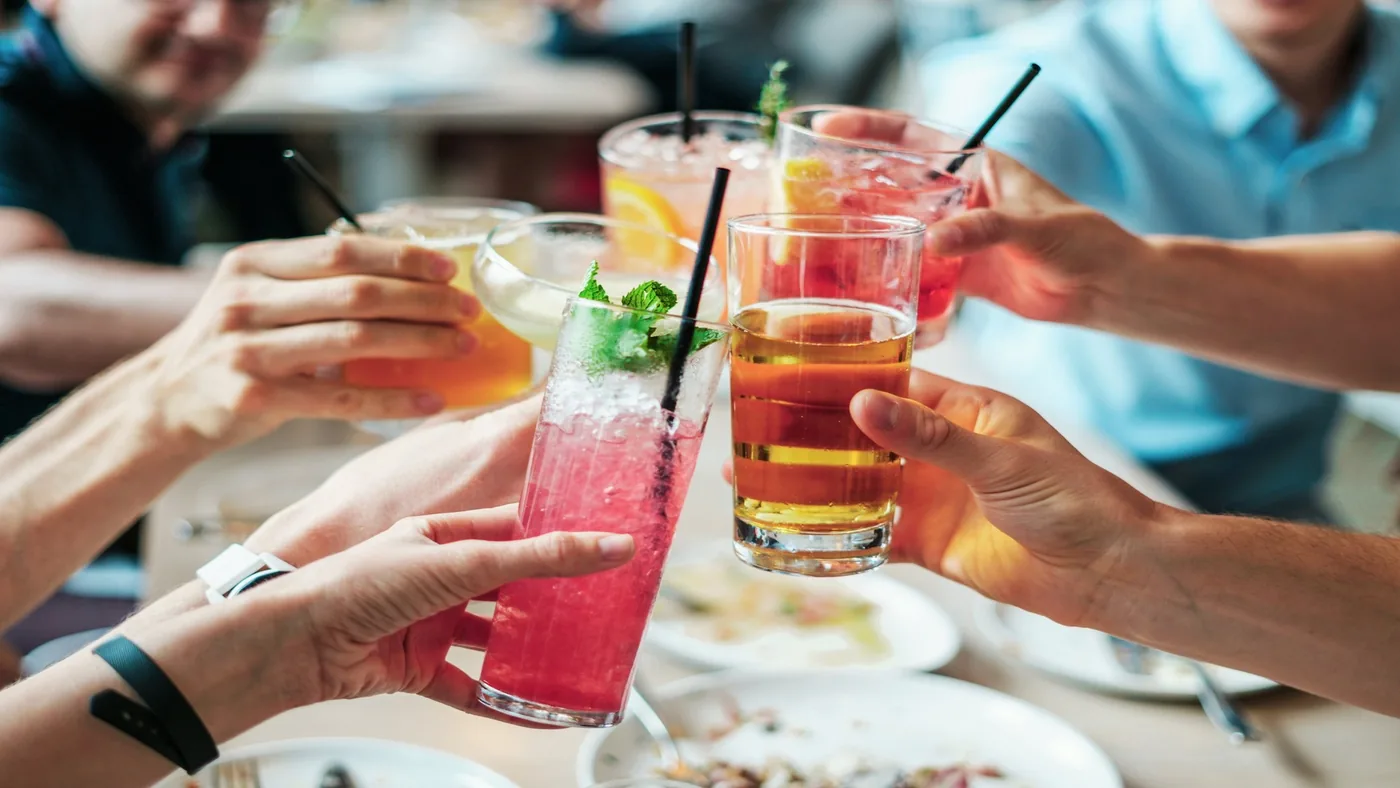
Drinking remains common among oncology patients despite medical advice warning against it during systemic therapy. Medical Xpress science writer Sanjukta Mondal reported that 76.4 percent of cancer patients in one earlier survey continued drinking during their treatment programs [3]. Fact-checker Robert Egan and editor Gaby Clark reviewed the clinical reporting for that report. Many patients believe light drinking does little harm once medical therapy begins. These clinical patterns suggest that regular alcohol use may reduce the ability of checkpoint inhibitors to eradicate malignant cells.
Cellular Damage Inside Tumors
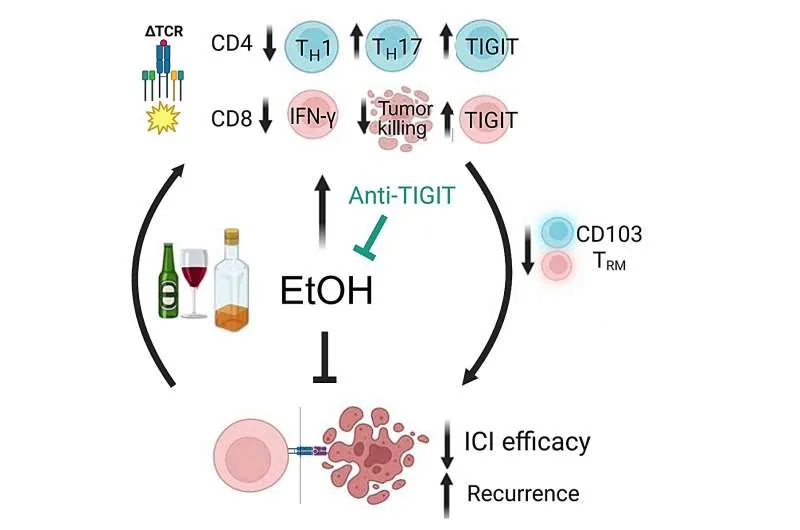
To understand why cancer immunotherapy response dropped, scientists examined the cellular environment surrounding tumor tissue. They found fewer tumor-infiltrating lymphocytes, the white blood cells responsible for finding and killing tumor cells. Both CD4+ helper cells and CD8+ killer T cells were less common inside tumors in alcohol-exposed mice. Furthermore, CD8+ cytotoxic T cells showed impaired activation, producing significantly lower quantities of interferon-gamma (IFN-γ) to coordinate immune attacks against the surrounding tumor cells [3].
Cellular tests conducted on MB49 bladder tumors revealed several distinct immune disruptions caused by chronic ethanol intake. Alcohol intake reduced the overall count of tissue-resident memory T cells, which help provide long-term local defense against returning tumors in animal hosts. The drinking regimen also shifted tumor-associated CD4+ T cells away from protective T helper 1 (TH1) cells toward T helper 17 (TH17) states, creating a less effective defense. In addition, the researchers detected elevated SREBP-mediated lipid signaling in tumor tissue, pointing to metabolic alterations that help cancer cells survive while suppressing immune clearance mechanisms [1].
The molecular analysis also revealed a rise in a second immune checkpoint receptor called TIGIT. When T cells enter alcohol-exposed tumors, they make more of this receptor on their surface. TIGIT acts like PD-1, functioning as an extra brake that slows immune activity. Because standard pembrolizumab or nivolumab therapies target only PD-1, elevated TIGIT levels provide tumors with an alternative escape route to evade immune destruction and continue growing [3].
Dual Checkpoint Blockade
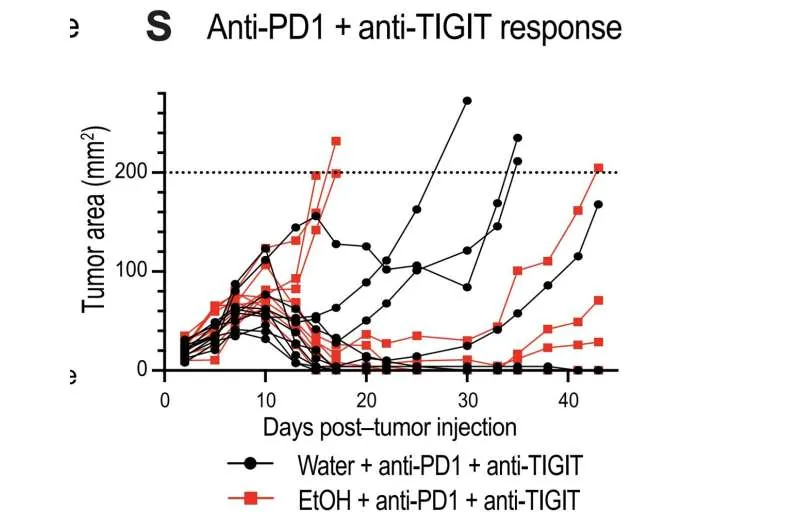
After discovering high TIGIT levels, the researchers tested a way to bypass this immune barrier. They gave an experimental anti-TIGIT antibody together with standard anti-PD-1 therapy to alcohol-exposed mice. By blocking both checkpoint pathways at once, the combination kept tumors from using the second receptor to silence attacking T cells. This dual approach restored immune activity without needing to reverse metabolic changes [1].
The two-drug combination produced clear recovery in the animal tests. Complete tumor response reached 55.5 percent in alcohol-exposed mice given both antibodies, close to the 60 percent rate seen in unexposed controls. The results showed that blocking TIGIT overcomes the immune dampening caused by alcohol. While single anti-PD-1 therapy struggled in alcohol-exposed mice, the combination enabled T cells to enter tumors and destroy malignant cells across the treated animal cohort [2].

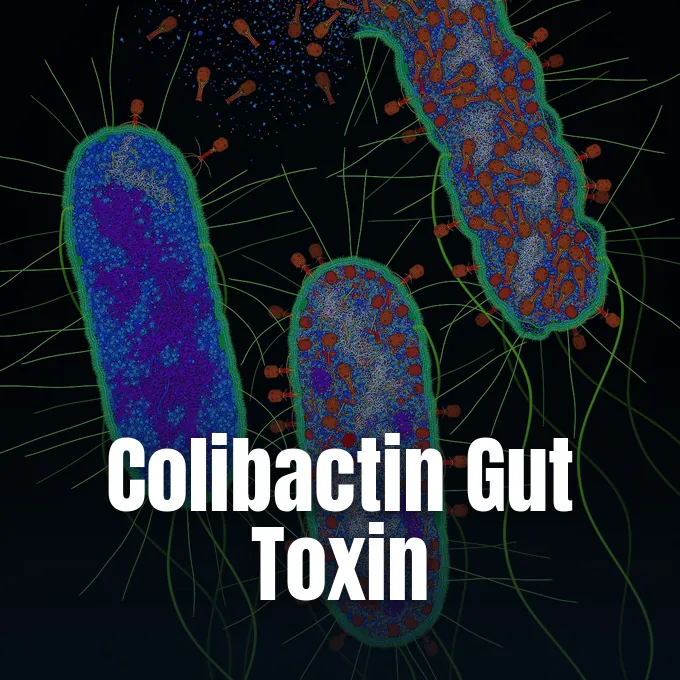
Cancer research increasingly tracks how everyday lifestyle habits and environmental factors alter treatment efficacy. Earlier studies into bowel tumors showed how bacterial compounds like the colibactin toxin bowel cancer link damage host DNA and weaken intestinal defenses against malignant growths. The new findings on ethanol show that lifestyle exposures can also weaken treatments by altering immune checkpoints rather than mutating genes directly.
Cancer Immunotherapy in Clinical Trials
Despite the compelling laboratory evidence, the researchers emphasized several limitations that require careful validation before changing routine clinical recommendations. The human clinical data was retrospective. Hospital files from UNC Chapel Hill included small patient samples and incomplete records regarding the exact frequency and quantity of alcohol intake. Archival hospital records also lacked tumor immune data, which meant researchers could not directly confirm whether TIGIT upregulation occurred in human patients to the degree seen in laboratory animals. Reporting on these constraints, Interesting Engineering journalist Maria Mocerino pointed out that the team called for prospective clinical studies to evaluate how drinking amounts affect outcomes across different cancer types [2]. Tracking exact drink counts in future trials will clarify dosage impacts during treatment.
To develop better clinical guidelines, the researchers suggested that cancer databases begin tracking patient alcohol use alongside standard treatment records. Having accurate intake numbers would help doctors confirm how drinking influences therapies for bladder cancer and melanoma. Until larger prospective studies finish, these findings offer a biological reason for patients receiving cancer immunotherapy to reduce alcohol intake to help protect circulating white blood cells. Limiting drinking may protect tumor-infiltrating T cells and help patients get the full benefit of their cancer treatments [3].
- ACADEMIC JOURNAL Gilley, K. N., Garness, J., Khan, A., Materia, B. R., Carpenter, B., Shabrang, M., Beckabir, W., Woodcock, M. G., Pecot, C. V., Vincent, B. G., & Coleman, L. G. (2026). Alcohol use reduces the efficacy of anti-PD1 immunotherapy by disrupting antitumor immunity. Science Signaling, 19(964). [Article Link]
- ONLINE NEWS Mocerino, M. (2026). Alcohol cut the survival gain from immunotherapy in half in mice with lung cancer. Interesting Engineering. [Article Link]
- ONLINE NEWS Mondal, S. (2026). Alcohol may weaken cancer immunotherapy, early research suggests. Medical Xpress. [Article Link]
APA 7: PerEXP Teamworks. (2026, November 23). Alcohol Reduces Cancer Immunotherapy Efficacy in Early Study. PerEXP Teamworks. https://perexpteamworks.com/en/cancer-immunotherapy-alcohol-efficacy/


