





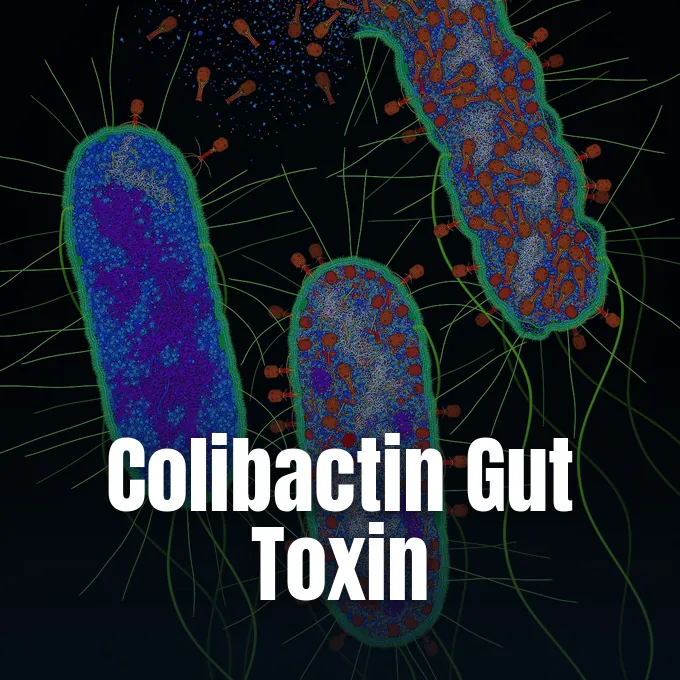
Dr Karl Smith-Byrne, a senior molecular epidemiologist at the University of Oxford, told British lawmakers that early exposure to a colibactin toxin produced by gut bacteria is now a leading suspect in the surge of bowel cancer among adults under 50. Diagnoses in younger age groups have doubled in many countries over the past two decades. Known lifestyle risk factors (obesity, alcohol, and smoking) explain only about half of all diagnosed cases [1]. Researchers believe other unidentified environmental influences or biological changes must be involved in driving the global trend across younger generations.
Testimony Before the Commons Committee
Speaking before the Commons science and technology committee, Dr Karl Smith-Byrne said he did not find it “plausible” that established clinical factors could fully explain the shifting demographics of bowel cancer. Smith-Byrne, who is himself a survivor of early-onset rectal cancer, told lawmakers that while obesity rates continue to climb and physical activity declines, drinking and smoking have actually fallen in both the UK and the US. These divergent trends suggest that common lifestyle factors can’t account for the entire increase seen in medical clinics. He told MPs that known risk factors account for roughly half of patient diagnoses, leaving clinicians without clear answers for why otherwise healthy young individuals are developing aggressive intestinal tumors. Epidemiologists are now investigating biological exposures that altered human gut bacteria in recent decades [1].
Worldwide, bowel cancer ranks as the third most common cancer, accounting for roughly one in ten clinical diagnoses across the globe. Although the disease still appears much more frequently in adults over 50, younger patient numbers are climbing at a noticeable speed. Hospital registries show that early diagnoses are rising steadily in multiple countries, which forces health systems to reexamine screening guidelines that historically excluded people under 50 years old [1].
How Colibactin Toxin Alters Gut Cells
Last year, researchers identified colibactin, a damaging substance made by certain strains of E. coli bacteria in the intestine, as a potential driver of early-onset colorectal tumors. Laboratory investigations showed that hallmark genetic mutations caused by the colibactin toxin were three times more common in tumors from patients under 40 than in those from patients over 70. This sharp contrast indicates that younger patients carry far more bacterial mutational scars than older cohorts. The striking difference between younger and older patients suggests that separate biological mechanisms operate across generations. Dr Karl Smith-Byrne told MPs that colibactin stands as probably the leading explanation at the moment for these early mutational profiles [1]. More laboratory work is now underway to confirm whether bacterial damage directly initiates tumor growth or acts as a biological catalyst.
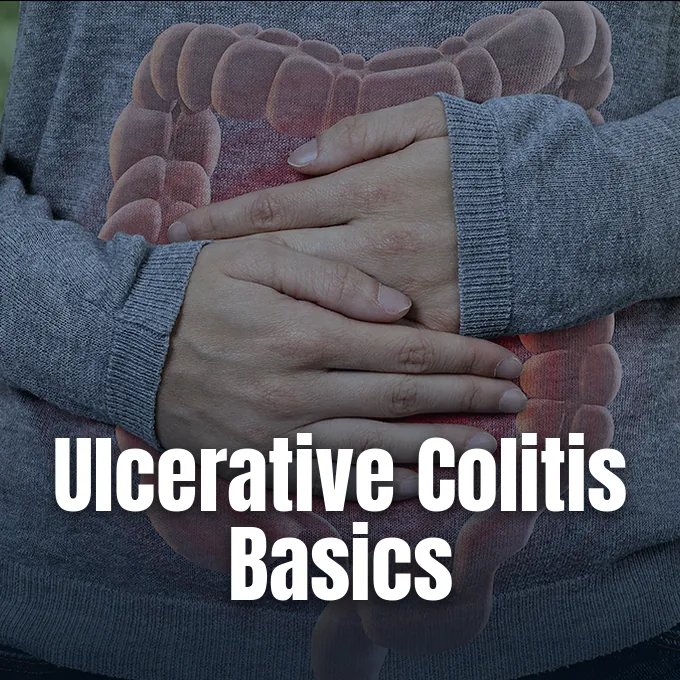
Chronic intestinal diseases like ulcerative colitis causing chronic inflammation also harm the bowel lining, but colibactin operates through a separate mutational path. Inflammatory bowel conditions cause generalized tissue stress, whereas colibactin damages specific sequences of host cellular DNA. Differentiating between chronic inflammation and bacterial toxin exposure allows researchers to trace the precise molecular steps that precede tumor development [1].
Mutational Damage in Early Childhood
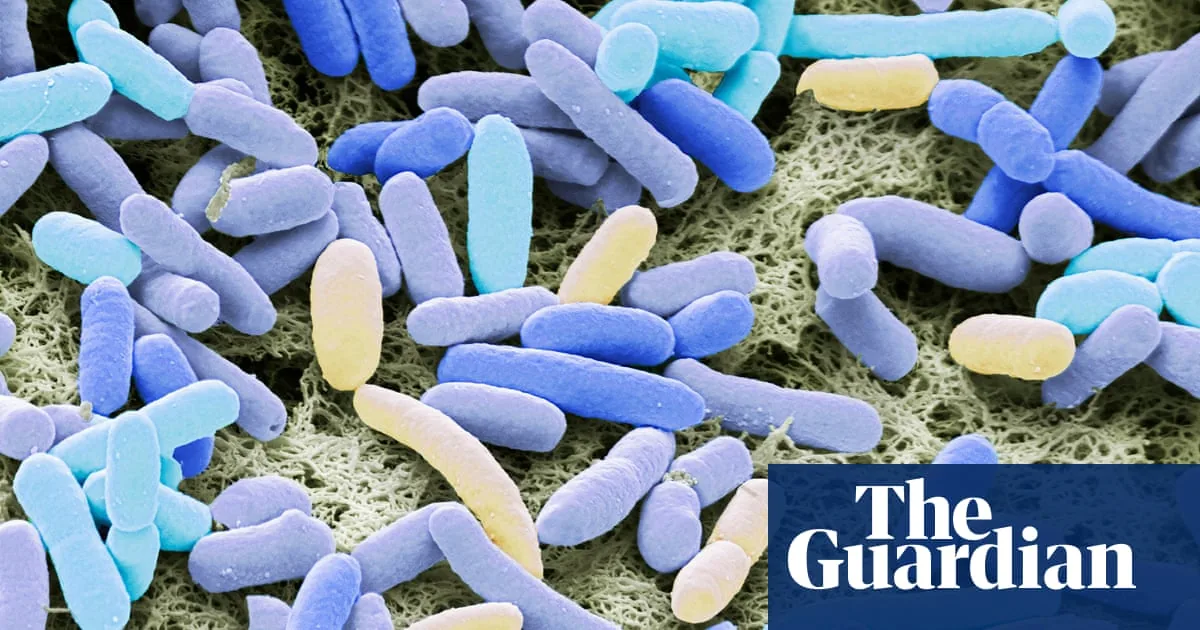
Evidence gathered by Prof Mike Stratton at the Sanger Institute shows that colibactin causes genetic mutations in some children but spares others, with measurable damage appearing as early as infancy. Stratton, who was not present at the parliamentary hearing, demonstrated that by the age of 10, affected children can acquire a mutational burden similar to that of an unexposed 50-year-old adult. This early accumulation suggests that the cellular clock begins running decades earlier in certain individuals. Why do some children acquire these mutations while others remain unharmed? Microbiologists believe differences in early microbial colonization govern which infants harbor the toxin-producing strains [1]. Genetic variations in gut mucosal defenses may also influence how deeply bacterial toxins penetrate the intestinal epithelial barrier.
Smith-Byrne explained that acquiring mutations during sensitive developmental periods gives the colon or rectum a head start toward forming tumors later in adulthood. He said: “If it is causing mutations, it’s causing mutations at a sensitive period earlier in life, and that can give that person’s colon or their rectum a head start on its journey towards being cancerous or developing these tumours.” That extended biological runway could explain why malignancies surface in young adults. Surviving rectal cancer himself, he noted that intervening during childhood could reshape prevention efforts [1].

Bacterial Changes Across Modern Generations
Prof Elio Riboli, a cancer epidemiologist at Imperial College London, told the committee that colibactin is essentially found in people born after 1960. Riboli told lawmakers: “This colibactin is essentially found in people born after 1960. Something has happened in the E coli bacteria … There must have been a mutation, and there is a new bacteria.” His observation aligns with epidemiological curves that show colorectal cancer rates beginning their ascent among post-1960 birth cohorts. Something shifted in the microbial environment during the second half of the twentieth century, giving rise to novel bacterial capabilities that previous generations didn’t encounter [1]. The timing points to a recent evolutionary shift in the human gut that reshaped bacterial composition.
Medical researchers suspect that variants of E. coli that once inhabited the gut harmlessly adapted over recent decades to produce the toxin. Similar microbial shifts mirror research into factors driving the emergence of superbugs, as bacteria constantly respond to altered diets and medication use. Understanding how benign commensal microbes evolve into potent toxin producers represents a central challenge for gut microbiology [1].
Evaluating Colibactin Toxin as a Primary Driver
Prof Helen Coleman, a cancer epidemiologist at Queen’s University Belfast, described colibactin as “the first new clue that we’ve had in quite some time” during her testimony before MPs. Coleman explained that although clinical diagnoses occur in adults between 18 and 49, the decisive biological events likely happen much earlier in life. She said: “Even though we’re talking about adults that are being diagnosed with cancer between 18 and 49, it’s quite likely to be very early life exposures. It could be something you were exposed to in very early childhood, possibly even in the prenatal period, and that makes it very difficult to study.” These early windows create significant hurdles for clinical research [1]. Long-term tracking of infant microbiomes may prove necessary to confirm when these bacterial mutations first appear in host tissues.
Researchers must still determine whether the colibactin toxin acts as a direct initiator of malignancy or merely accelerates pre-existing cell abnormalities. Dr Karl Smith-Byrne told the committee that while further proof is needed, the bacterial hypothesis provides the most compelling explanation currently available. “That’s probably the leading explanation at the moment,” Smith-Byrne said, affirming that academic teams are now actively testing patient samples to verify the link [1]. Prospective trials are underway to trace bacterial presence across multiple patient cohorts.
Preventable Risks and Unanswered Questions
While scientists investigate bacterial mechanisms, Prof Elio Riboli urged lawmakers and the public not to lose sight of established cancer risks. Obesity is rising while physical activity continues to drop in many countries, creating metabolic conditions that encourage tumor formation. Riboli told MPs: “The quick win could come from applying what we know. We could prevent about 60% of the cancers occurring now, but we are not applying in society what we know.” Addressing known lifestyle hazards remains an immediate public health obligation that does not require waiting for future pharmacological discoveries [1]. Prevention strategies can deliver real benefits today if communities implement proven dietary and exercise interventions that reduce systemic metabolic strain across populations.
Can public health systems curb early-onset bowel cancer by combining lifestyle changes with microbiome interventions? Experts agree that answering this challenge demands a dual strategy. Societies must implement existing prevention knowledge while research teams clarify how the colibactin toxin and other gut microbes damage the intestinal lining. Finding definitive answers will take time, but identifying the bacterial suspect gives doctors a clear foundation for future diagnostic tools [1].
- ONLINE NEWS Sample, I. (2026, November 18). Bacterial toxin produced by E coli leading suspect in rise in bowel cancer among under-50s. The Guardian. [Article Link]
Cover image: DavidGoodsell / Wikimedia Commons, CC BY 4.0
APA 7: PerEXP Teamworks. (2026, November 19). Oxford Epidemiologist Links Colibactin Toxin to Bowel Cancer. PerEXP Teamworks. https://perexpteamworks.com/en/colibactin-toxin-bowel-cancer-suspect/


