






OnePlus released an updated software build for the OnePlus 15 and OnePlus 15R on November 27, 2026, delivering fresh ColorOS 17 features that include remote computer unlocking, cloud photo management tools, and updated system apps [2]. The firmware rollout also brings the November 2026 Android security patch to both phones in regional batches, but it arrives while long-time community members raise concerns about the platform’s broader identity [1], [2]. Oppo took over software maintenance after OnePlus shut down offices in North America, Europe, and India back in July, replacing the familiar OxygenOS builds with ColorOS. As updated builds land on devices in Europe, users face a mix of practical desktop tools and missing software options [1], [2].
New Tools for PC and Storage
The main addition in the November 27 update is automatic computer unlocking through the O Plus Connect app. When connecting remotely to a personal computer, the app can use a saved password to unlock the desktop without asking the user to type credentials by hand. Users configure the tool by opening the remote connection, tapping the More icon on the floating ball, choosing Unlock PC, and enabling “Automatically unlock when connected.” The software also lets people link both a phone and a tablet to the same computer at the same time [2].
Storage controls received a helpful update inside the default gallery app. OnePlus added Google Photos integration in 2024, and this new build lets users remove local photo copies once they are safely backed up to the cloud. That option frees up phone storage without losing pictures from cloud backups. People who edit images can now pick specific resolutions and image quality levels when saving files, creating smaller attachments before sharing them [2].
Earlier in November, OnePlus delivered automatic computer unlocking to phones running OxygenOS 16. ColorOS users missed out on that feature during the earlier rollout, receiving translation updates instead while waiting for desktop parity. This late November build closes that gap for the OnePlus 15 and OnePlus 15R, giving both handsets remote connectivity tools while adding the November 2026 security patch in batches [2].
ColorOS 17 Features in the Interface
The update also introduced ColorOS 17 features that adjust everyday apps across the home screen. The Calculator app now displays previous calculations directly on its main view so users can easily resume earlier problems without opening separate history screens. It also brings a revised button layout with better-organized unit conversion tools. Meanwhile, the Translate app gained expanded word lookups with pronunciation guides, grammar notes, and usage examples, adapting sentence translations to fit the appropriate writing style [2].
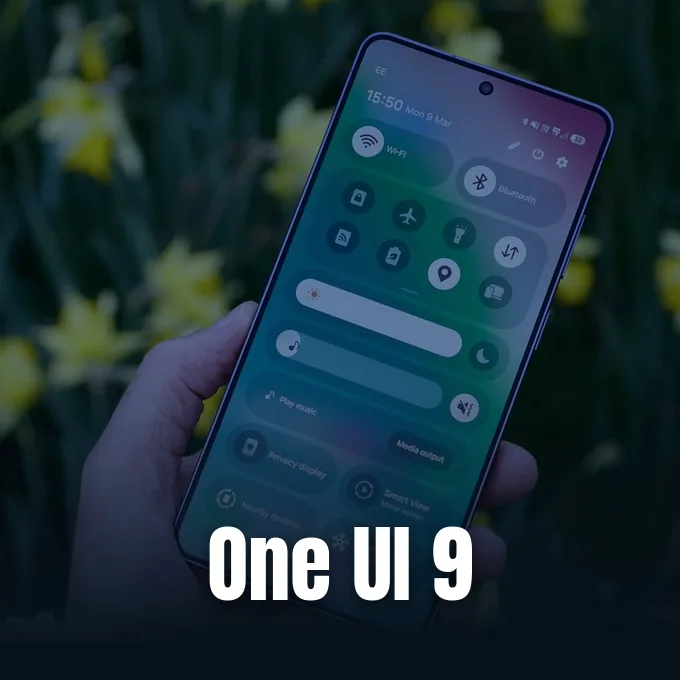
Interface polish and privacy options round out the system changes. Fluid Cloud cards on the lock screen and notification shade now display a translucent gradient look. A new privacy control takes users straight back to the home screen whenever they exit a hidden application. On the OnePlus 15, the changelog lists an incoming call announcement tool that speaks the caller’s name out loud so owners can hear who calls without glancing at the screen [2].
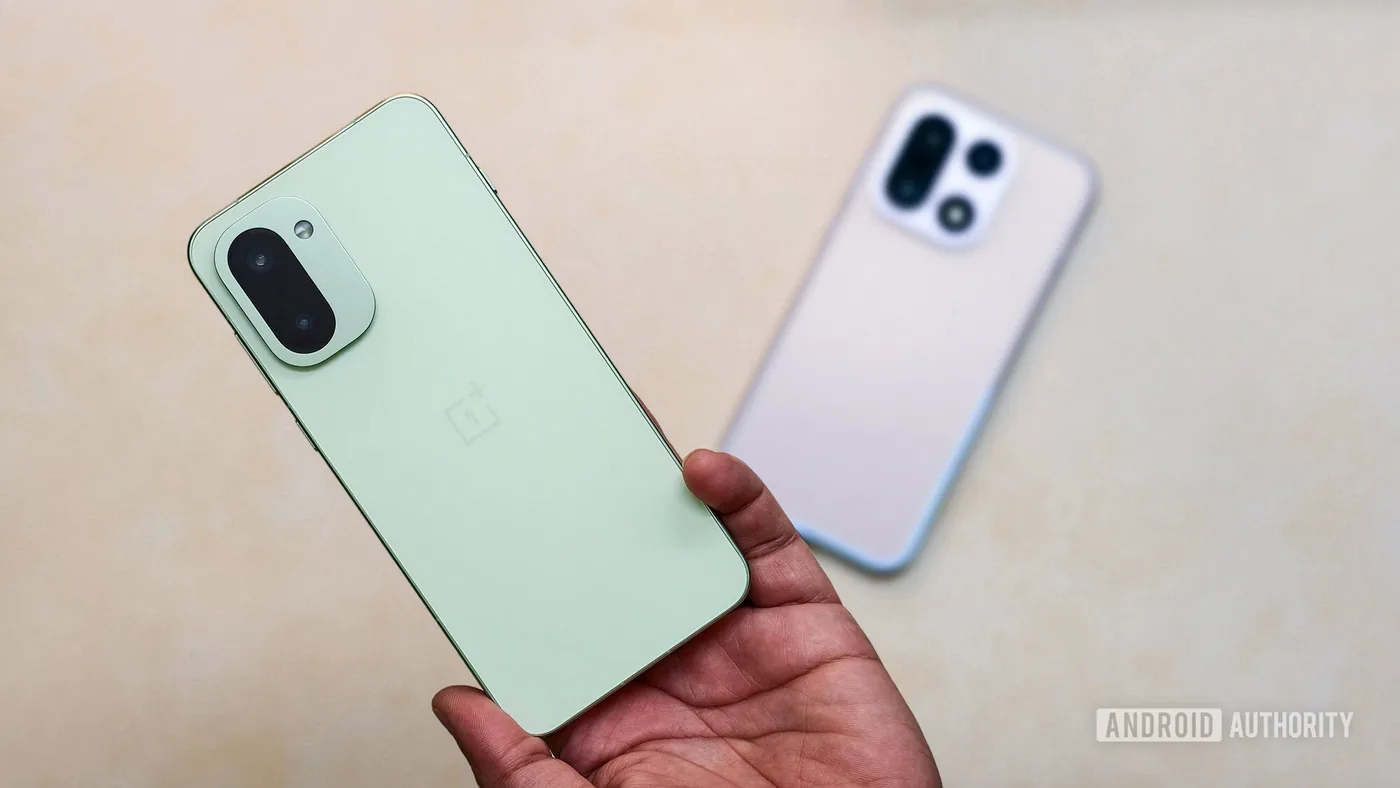
That call announcement option has existed in the Google Phone app since 2021, but Oppo only now added it to this flagship build. The feature is missing from the changelog for the OnePlus 15R. Both models receive system stability fixes and security patches, but small differences between the two devices remain visible in the official release notes [2].
Missing Options and Community Feedback
While the build delivers useful tools, the reception among long-time followers has been mixed. Nicholas Sutrich reported for 9To5Google that many community members find the ColorOS 17 rollout disappointing because several classic OnePlus features disappeared during the software transition. Popular options like 3D Wallpaper, AI Motion Wallpaper, per-game performance modes, and the custom OnePlus Dialer are missing or limited to select territories, leaving buyers frustrated with the stripped-down interface [1].
Other missing tools include Mind Pilot, the AI Photo Agent, lock screen music lyrics, and the familiar calculator Easter egg that displayed the brand’s red logo. OnePlus hosted an online community discussion on November 23, but representatives failed to give clear timelines for returning these tools. Team members said “we’re working on it, but availability will depend on your region,” which did little to reassure anxious fans [1].
The pace of the software rollout has also drawn criticism from phone owners. Sutrich noted that his own OnePlus 13 had not received ColorOS 17 at all, showing that the global distribution is moving slower than expected. Although updated builds are reaching the OnePlus 15 in Europe with bug fixes, they don’t fix the core software complaints raised during the community session [1].
ColorOS 17 Features in the Software Shift
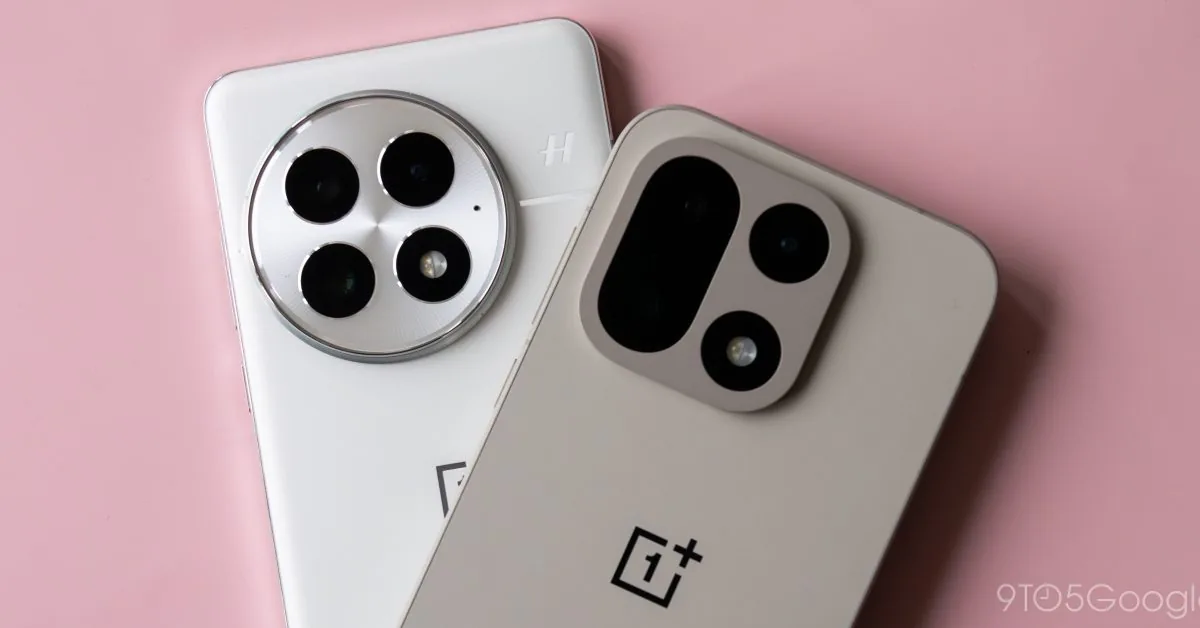
These ColorOS 17 features arrive at a moment of transition for the hardware brand [1], [4]. OnePlus shut down its official presence in North America, Europe, India, and several other global territories in July, handing software management to Oppo. Oppo swapped out the classic OxygenOS software for ColorOS across international markets, moving both brands onto a single software platform that originated on Oppo hardware back in September 2013 [1], [4].
The relationship between ColorOS and OxygenOS has a long history inside the parent company. ColorOS began as an Android skin on Oppo devices before expanding to Realme phones until Realme UI replaced it in 2020. In 2021, Oppo announced plans to merge ColorOS, OxygenOS, and Realme UI into one unified operating system. The company later cancelled that plan, deciding instead to develop the three skins on a shared software codebase while keeping distinct branding for different product lines [4].
The shift toward ColorOS started earlier in the company’s home market. Beginning with the OnePlus 9 series, OnePlus preinstalled ColorOS on smartphones sold in mainland China, replacing the local HydrogenOS software. Today, Oppo says ColorOS serves 770 million active users across more than 90 countries and regions, giving the parent firm massive scale even as individual enthusiast features get left behind during global rollouts [4].
OnePlus History Under Oppo
OnePlus started as an enthusiast project before becoming closely tied to Oppo’s corporate structure. Former Oppo vice-president Pete Lau founded OnePlus Technology (Shenzhen) Co., Ltd. with Carl Pei on December 16, 2013, aiming to design high-end smartphones at lower prices under the slogan “Never Settle”. Chinese public records showed Oppo Electronics as the company’s only institutional investor, and while Lau initially denied that OnePlus was a subsidiary, the startup relied on Oppo manufacturing lines and shared supply chain resources [3].
The company launched the OnePlus One on April 23, 2014, running Cyanogen OS rather than an in-house skin. To cut advertising expenses, the team sold the phone through an invite system, generating word-of-mouth interest across web forums. OnePlus expanded operations into the European Union in March 2014, partnered with Amazon in India that December with plans for 25 walk-in service centers, and later developed OxygenOS after its software licensing partnership with Cyanogen ended [3].
Over the years, OnePlus expanded beyond flagships into budget hardware with the OnePlus X in 2015 and the OnePlus Nord in 2020 [3]. Carl Pei left the company in October 2020 to start Nothing, marking the end of the founding era as Oppo deepened its operational control. Now that Oppo manages firmware updates directly following the July office closures, new software builds bring helpful PC connectivity tools but also push the hardware closer to Oppo’s mainstream software identity [1], [3], [4].
- ONLINE NEWS Sutrich, N. (2026, November 27). The OnePlus ColorOS 17 update is proving to be a disappointment for fans. 9To5Google. [Article Link]
- ONLINE NEWS Keverenge, H. (2026, November 27). OnePlus 15 and 15R ColorOS 17 update adds auto PC unlocking, smarter photo storage, and more. Android Authority. [Article Link]
- WEBSITE Wikipedia contributors. (n.d.). OnePlus. Wikipedia. [Article Link]
- WEBSITE Wikipedia contributors. (n.d.). ColorOS. Wikipedia. [Article Link]


