



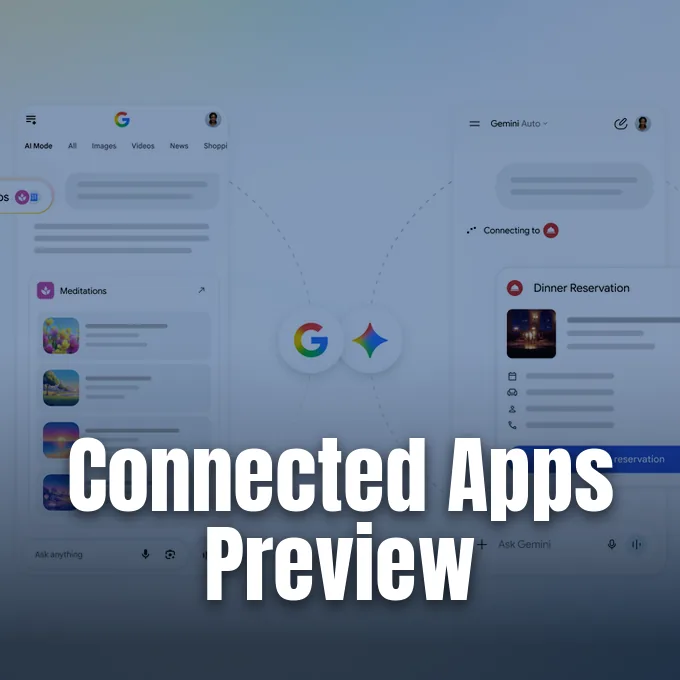
Google opened a developer preview of its Connected Apps Platform on October 28 during the Android Dev Summit [1]. The new architecture gives software creators a single pipeline to link external services with Gemini and Google Search [2]. Nickolas Diaz of Android Central reported that developer sign-ups opened on Wednesday afternoon [1]. Google wants early engineering feedback before rolling the system out to wider audiences [2].
Connected Apps Platform Developer Tools
Google representatives Chips Mistry and Mai Lowe said the preview gives developers an “opportunity to build once and reach high-intent users…” in both Search and the Gemini app. More than 50 Connected Apps are already live in Google Search and Gemini across productivity, ticketing, health, and fitness [2]. Users can complete routine chores without leaving their conversations [1].
Google announced the project at the Android Dev Summit to expand that catalog by linking outside services directly to conversational prompts [1]. Google plans to open access in phases, inviting more developers, entering new geographic markets, and supporting more Google products over the coming months [2]. Nickolas Diaz said these integrations will reshape mobile search by turning everyday questions into finished tasks without forcing users to hop between separate browser windows [1].
Early documentation is live at developers.google.com/connected-apps. Google published guides to help third-party teams adapt their backend services ahead of broader rollouts [2].

Google Connected Console Workflow
Platform development relies on open communication protocols that link outside servers to Google systems. Developers connect their code through either a cloud-hosted MCP (Model Context Protocol) server or an Android MCP implementation that uses Google’s AppFunctions APIs [2]. Through these links, the assistant queries outside services, turning conversational requests into structured data exchanges that return answers or execute account actions [1].
Engineers then log into the Google Connected Console where they can configure their software, run pre-launch tests, and choose whether their build goes live in Search, the Gemini app, or across both interfaces [2]. Google evaluates every submission. Backend checks confirm that servers respond quickly and protect personal information without exposing sensitive account records [1].
Once an application launches, the console provides real-time diagnostic telemetry. Teams can “track traffic, latency, and error rates,” which helps them diagnose and fix performance bugs before users encounter failed requests or unusually slow responses. Google also lets companies protect their brand by displaying verified logos and authenticating user accounts during every session [2]. Developers can verify that their servers handle spikes in conversational traffic without performance drops [1].
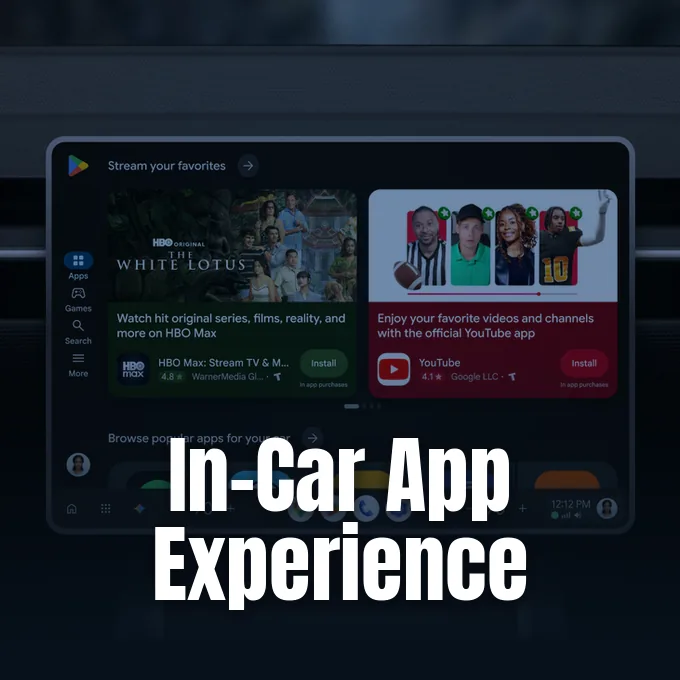
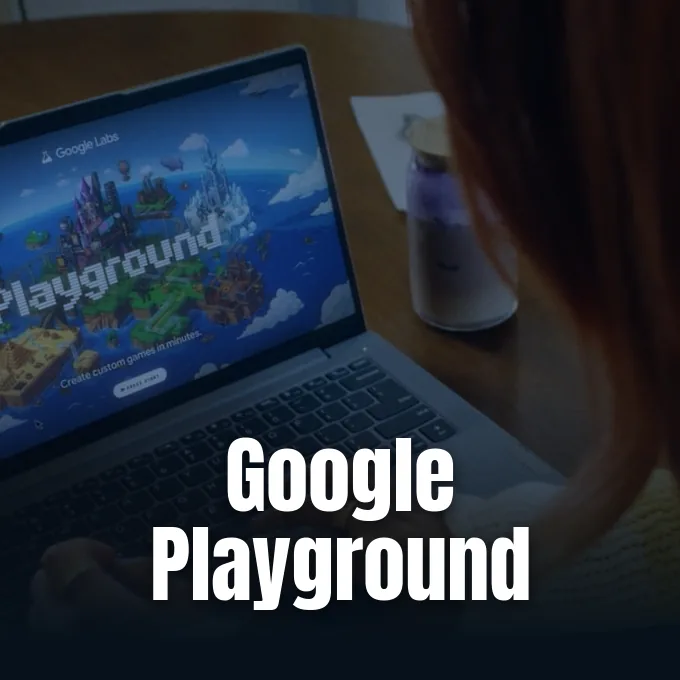
Consumer Search and Gemini Integrations
While the developer console opened this week, Google is also expanding consumer integrations across its ecosystem. The company pointed to existing partnerships with Adobe, Experian, Localiza, and Peloton in Connected Apps. Many of these partner tools are already live for users inside the Gemini app, and Google plans to bring them to Google Search in the coming weeks [1]. Google previously expanded its commercial AI ecosystem when it rolled out Gemini business tools for small firms. In addition to these enterprise services, Google is preparing to launch a new integration with Calm (the mental health app) across both Google Search and Gemini to help users with meditation exercises and wellness routines [2].
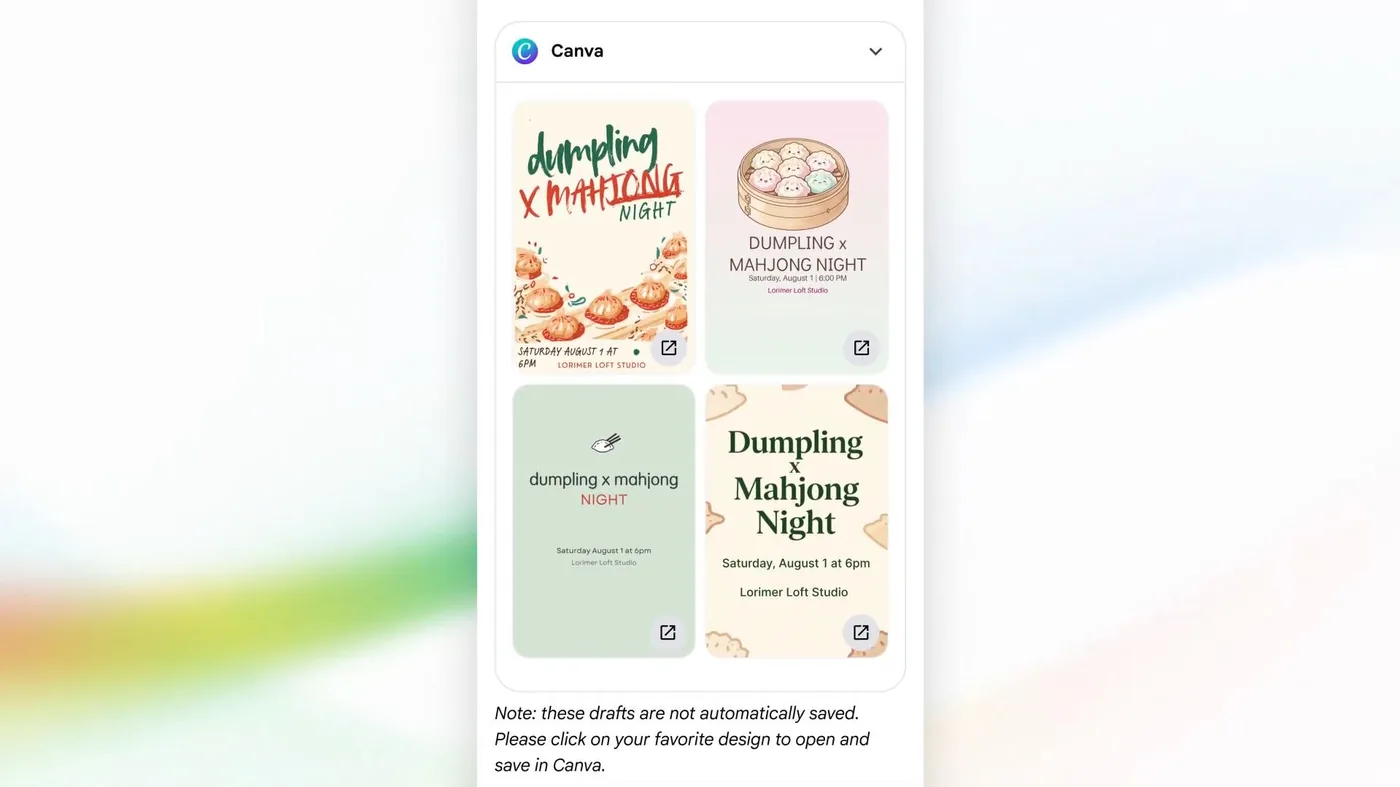
The new consumer tools build on features that Google introduced earlier this year. During the summer, Google added Instacart and YouTube Music to the AI Mode experience, with design tools from Canva joining the roster as well. Nickolas Diaz said these integrations let the assistant handle complex jobs that once sent users searching across multiple separate web pages. Android Central noted that useful AI takes the mundane out of daily routines by helping people shop and organize tasks while alerting them at critical moments [1].
With Instacart connected, a user can enter a broad prompt like, “get me all the things I need for my BBQ and add them to my grocery cart.” The system reads the meal request, finds matching grocery items, and adds them to the cart automatically. If a person connects YouTube Music, the assistant can help create new playlists based on genres, moods, or specific artists requested during the chat [1].
User Safety and Privacy Controls
Even with automated assistance, Nickolas Diaz of Android Central warned that people must monitor what the assistant does because AI models remain prone to unexpected errors during multi-step tasks. Users must stay alert. People can watch each grocery addition in real time, stepping in before incorrect items reach the cart [1].
To protect user funds, Google created checkpoints during the checkout routine. The assistant can’t complete purchases on its own. When an order reaches payment, the software prompts the user to open Instacart directly, where they review items and finish paying. Direct handoffs ensure that financial transactions stay under direct user approval rather than running through background scripts [1].

Data privacy also stays under personal control. Nickolas Diaz said users do not have to link any service they don’t want to use. Unlinked accounts prevent outside companies from accessing personal records, allowing individuals to choose which services interact with Google’s assistant [1].
Connected Apps Platform Review Steps
Outside software management across large workplace ecosystems presents challenges that other platforms handle through administrative dashboards. In Microsoft Teams, for example, workers manage their tools through a specialized Manage your apps screen. The screen displays every app added by the user or installed by team members, showing where each program operates across chats, channels, or meetings. Users can select any installed application in Microsoft Teams to view recent activity and jump directly to the specific tab where the software runs [3].
Teams handles regular bug patches without user input. However, when an app update requests expanded permissions, Microsoft displays an update alert near the management menu requiring manual approval before new access takes effect across chats or channels. People can inspect specific permission changes on the details page or delete an integration from a single workspace if team needs change. In Microsoft Teams, removing an app from one location only deletes it from that specific chat or channel rather than wiping it across the entire organization [3].
For builders, Microsoft provides two publishing paths: developers can select Upload a custom app to test software without submitting to Partner Center, or submit an app to IT administrators for organization review [3]. Google’s Connected Apps Platform applies a similar intake gate through the Google Connected Console, requiring apps to pass review before launching in Search or Gemini [2]. Clear evaluation procedures help keep platforms reliable and protect user data as conversational tools take on more everyday tasks [1].
- ONLINE NEWS Diaz, N. (2026, October 28). ‘Connected Apps Platform’ preview for devs, but users are getting more, too. Android Central. [Article Link]
- PRESS RELEASE Mistry, C., & Lowe, M. (2026, October 28). Build and manage Connected Apps in one place. Google. [Article Link]
- WEBSITE Microsoft. (2026, September 24). Manage your apps in Microsoft Teams. Microsoft Support. [Article Link]


