





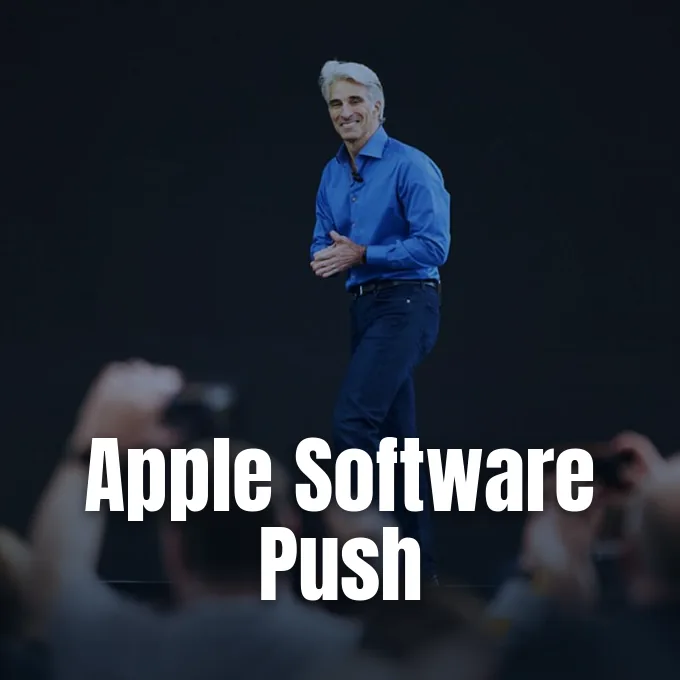
New Apple chief executive John Ternus is pushing software head Craig Federighi to speed up development roadmaps and move beyond basic Siri updates into full AI agent tools, according to reporting from Bloomberg, after holding a private meeting with Federighi in recent weeks. The talks signal growing internal friction. Rivals already ship autonomous agent tools [1]. Federighi took control of the company’s AI efforts last year, yet Ternus reportedly demands faster delivery on advanced features [2].
Closed-Door Talks with Craig Federighi
In recent weeks, John Ternus held a private meeting with Craig Federighi to confront what he views as a lack of urgency in Apple software planning, expressing frustration with what he saw as reluctance to embrace AI with the same speed shown by competitor tech firms [1]. The meeting was direct. Ternus urged his software chief to accelerate roadmaps and build true agent tools capable of handling complex tasks instead of settling for modest Siri updates [2]. Bloomberg first revealed the private session on Sunday [1].
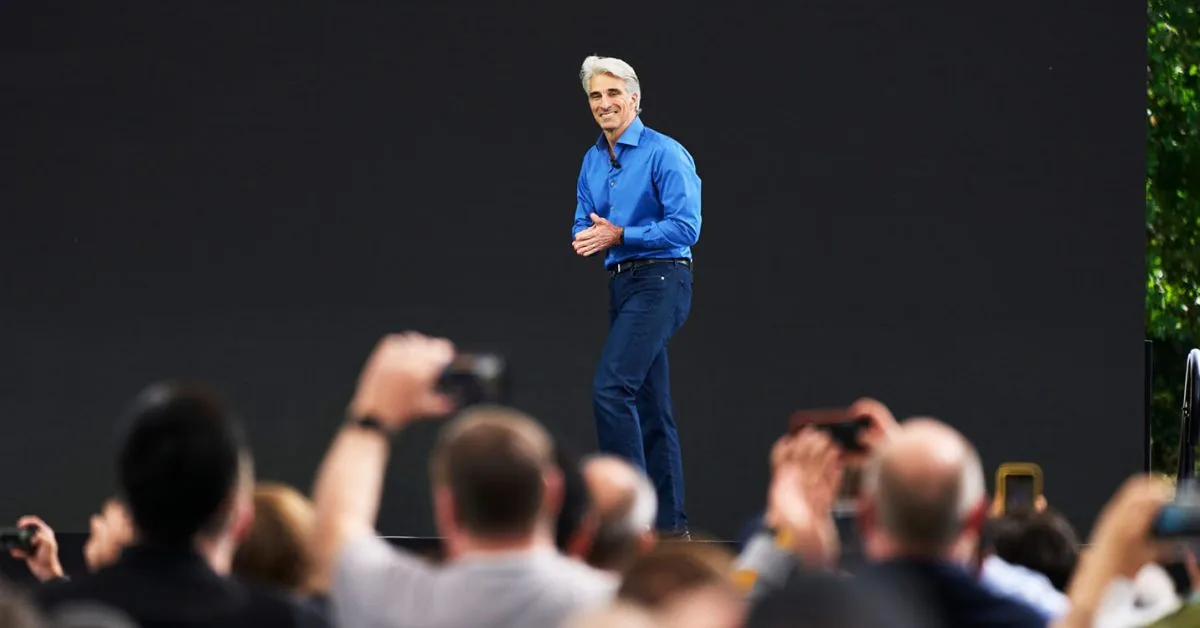
The confrontation marks a shift under Ternus, who took the helm as chief executive and began examining long-standing development habits inside Apple software groups [1]. Federighi became Apple’s AI czar after the company dismissed its former AI leader last year, giving him direct oversight of core systems and machine learning. Ternus wants AI agents treated as an immediate priority, arguing that conservative delivery schedules hurt Apple when competitor platforms roll out responsive models that take autonomous actions on user devices [2]. DeepSeek saw daily active use for its Harness agent reach 1.54M DAUs by early November, with servers processing roughly 60M tokens for each user account. Subquadratic also launched Snap 1.1 with a 384k context window for fast decisions [1]. The pressure on software timelines also comes after Apple lowered AI budgets for engineers under Ternus to control spending while demanding faster software results.
Despite the frank tone of the closed-door meeting, SVP Craig Federighi is not expected to leave Apple, having led software engineering at the company for over a decade [2]. Mark Gurman reported that Federighi has treated succession planning as a very low priority, leaving few clear alternatives prepared to step in [1]. No clear successor exists [2].
Management Debates and Team Friction
Much of the internal friction stems from Federighi’s hands-on management style, which has shaped Apple software development for over a decade in an environment where his personal viewpoint dominates product reviews and roadmap debates. He takes an active role in major decisions, using his deep grasp of code details to argue his position and push back against proposals he dislikes. Few staff challenge him [2].
That approach has left some team members feeling that they have “limited influence” over the direction of Apple products, with workers reporting that his style leaves “little room for competing ideas to gain traction”. Engineers want to test fresh concepts. Federighi debates opposing views with vigor [2]. The friction points to broader questions about software independence inside Apple [1]. The scrutiny also follows earlier changes where John Ternus reshaped Apple design teams to adjust product priorities, signaling that executive oversight is tightening in multiple divisions.
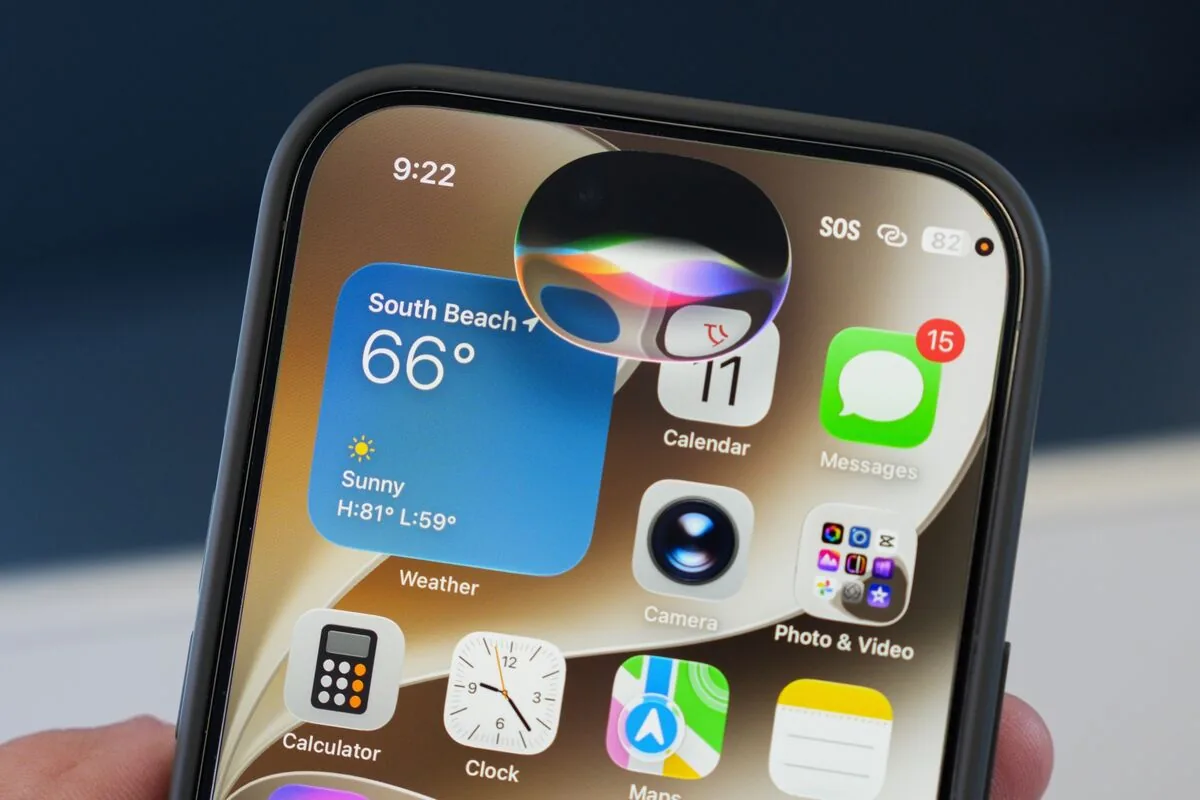
Some staff members believe Federighi’s firm grip contributed to delays in modernizing Siri. According to employee feedback cited by 9to5Mac writer Michael Burkhardt, some inside Apple trace voice assistant delays back to decisions made between 2016 and 2018, when Federighi deprioritized upgrades because he simply did not view voice tools as a priority [2]. Ternus now wants to ensure those past missteps do not stall agent tools. Delays cost Apple ground [1].

Hardware Planning Versus Software Cycles
A central point of division between Ternus and Craig Federighi involves planning horizons, as Apple hardware divisions build multi-year roadmaps to design custom silicon while software teams work on much tighter schedules. Federighi reportedly plans software development within a 12-to-18-month timeframe, focusing mainly on annual iOS and macOS releases rather than multi-year architectural bets [2]. The two philosophies clash on long-term AI strategy [1]. Hardware plans run for years [2].
Ternus built his reputation running Apple hardware engineering, where multi-year planning is standard practice to secure chip supply, fabrication capacity, and component deliveries years ahead of commercial device launches. In hardware, engineers map out silicon iterations and device chassis years in advance to avoid production delays. When software teams work only twelve to eighteen months ahead, advanced AI features risk missing the silicon features designed to support them, prompting Ternus to push for software roadmaps that match hardware planning cycles. Chip alignment remains crucial. By aligning software horizons with chip schedules, Apple hopes to pair on-device neural engines with private cloud servers more smoothly [1].
Bridging this planning gap poses a test for Apple leadership [1]. Hardware teams need predictable targets to optimize chip designs, while coders want flexibility to adapt as models improve, forcing Ternus to find a compromise that lets Apple ship cohesive agent features on schedule. Both groups must adapt [2].
Uncertainty in Siri Leadership
The management tensions inside Apple software extend beyond Federighi. Separately, Mike Rockwell, the vice president of Siri engineering who previously led development of the Vision Pro headset and now oversees Apple’s voice intelligence efforts, is seriously considering stepping down from his post. Rockwell took charge of Siri AI to revamp the assistant after an embarrassing two-year delay. His departure would shake the group [2].
Gurman reported that Rockwell may leave his post as vice president of Siri engineering or depart Apple altogether next year. Losing Rockwell would deal a severe blow to Apple, given his central role in delivering the rebuilt Siri voice experience to consumers after years of internal delay and technical resets inside the division [2]. His potential exit reflects stress inside the Siri group as leaders balance tight deadlines and ambitious product goals [1]. Scrutiny is steady. Replacing another AI leader could delay upcoming agent rollouts [2].
Apple has struggled to stabilize its AI leadership team. After parting ways with its prior AI chief last year, the company placed Rockwell and Federighi in charge to unify work. If Rockwell steps down next year, Ternus will face the difficult task of finding an experienced engineering head who is willing to work under Federighi’s close personal supervision while accelerating software release schedules. Leadership turnover creates risk [2].
Next Steps for Craig Federighi
To help software teams move faster, Apple is testing a new internal pipeline that reportedly gives coders 50% more time to code and build prototypes without being bogged down by integration work. Automated coding agents handle repetitive tasks. Apple wants to free engineers from build friction, lower manual overhead, and speed up overall software release cycles. The pipeline change is already underway [2].
The pipeline test shows how Apple hopes to update engineering habits without dismantling its leadership hierarchy. In the past, coders spent long hours resolving branch conflicts between separate operating system teams. With automated coding agents handling routine branch merges and test suites, engineers can spend half their day writing features, but whether that produces the speed Ternus demands depends on how much autonomy Craig Federighi grants to subordinate managers. Directors want more decision leeway. Without executive sign-off, software could accelerate [2].
The broader question facing Apple is whether Federighi will loosen his firm grip over software teams to let other leaders make independent technical decisions as pressure from Ternus continues to build [2]. Apple can’t afford delayed releases [1]. Ternus has made it clear that software must move faster, leaving Federighi with the task of adapting his hands-on management style to meet Apple’s growing artificial intelligence goals [2].
- WEBSITE Techmeme. (2026, November 8). Sources: John Ternus wants more urgency in Apple’s AI efforts, pushing Craig Federighi to move beyond Siri AI tweaks to agentic and other advanced capabilities. Techmeme. [Article Link]
- ONLINE NEWS Burkhardt, M. (2026, November 8). Report: John Ternus pushing Craig Federighi to speed up Apple software engineering. 9to5Mac. [Article Link]


