






Cut flowers bring natural beauty and vibrant colour into homes, yet severed blooms often lose their freshness and droop within days inside a vase. Plant scientist Gregory Moore at The Conversation said that effective cut flower care depends on understanding how stem biology and cell pressure work once a bloom is separated from its root system. In natural garden settings, steady fluid movement keeps plant cells inflated like tiny balloons, and these pressurized cells give floral structures their upright strength. When stems are cut, that fluid movement ceases as moisture continues to evaporate into the surrounding room air. Gardeners who manage water cleanliness, stem blockages, and nutrient supply can prolong the vase life of cut blossoms for days [1].
Why Do Cut Flowers Wilt?
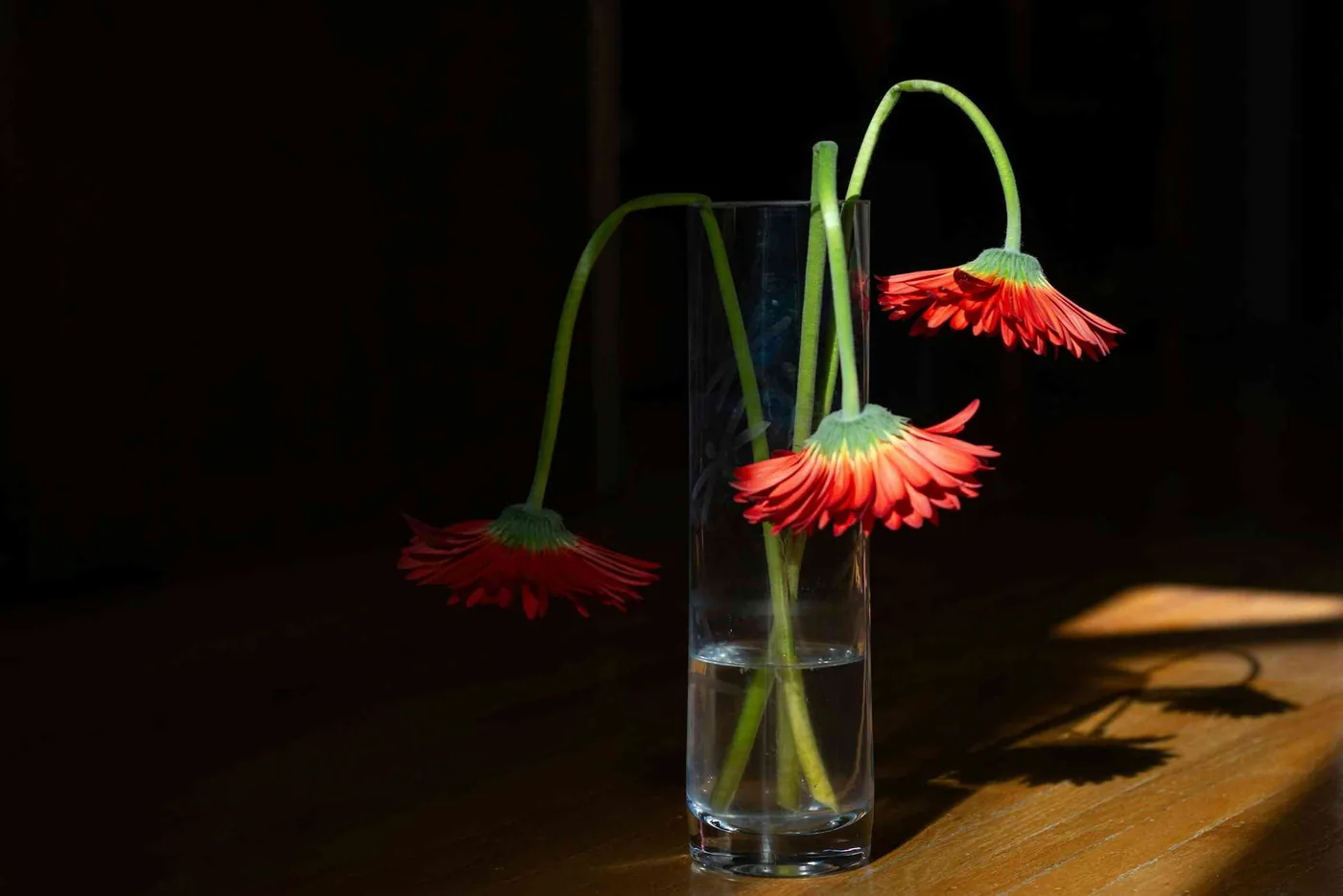
Cut flowers wilt once severed stems stop absorbing water. Plant scientist Gregory Moore said that living blossoms rely on internal cell pressure, known botanically as turgor, which acts like air in pumped-up balloons to give physical strength to soft petals and tender green stems. Attached plants draw continuous moisture through root systems to balance evaporation, but severed stems lack that ground connection entirely. Without fluid intake, cells lose internal volume and collapse as dry room air pulls moisture from delicate petal surfaces. Invading air bubbles enter the cut stem base quickly, creating physical blockages inside water-conducting vessels that speed up total structural collapse [1].
Evolution shapes floral structures to serve reproduction rather than indoor display. Plants produce bright petals and sweet scents to attract pollinators, including mammals, birds, and insects. Moore said that wild plants rely on an accurate biological clock to time flowering when environmental conditions, seed dispersal, and pollinator activity are all at an optimum. Without natural root systems, indoor arrangements depend entirely on human care to stay upright and fresh [1].
Cut Flower Care Begins with Healthy Blooms
Successful cut flower care begins well before stems reach a display vase. Buyers should choose bunches where open blossoms display vivid colour and stand upright, and unopened buds feel firm and plump enough to unfurl gradually after they are brought home and placed in clean water. Moore advised against purchasing bunches with discoloured petals, drooping foliage, or withered buds that will never open. Hot parked vehicles and warm shopping bags dry out plant tissue before rehydration can begin at home. High ambient temperatures speed up evaporation from petal surfaces, so buyers should transport blooms home promptly to protect fragile petal tissues [1].
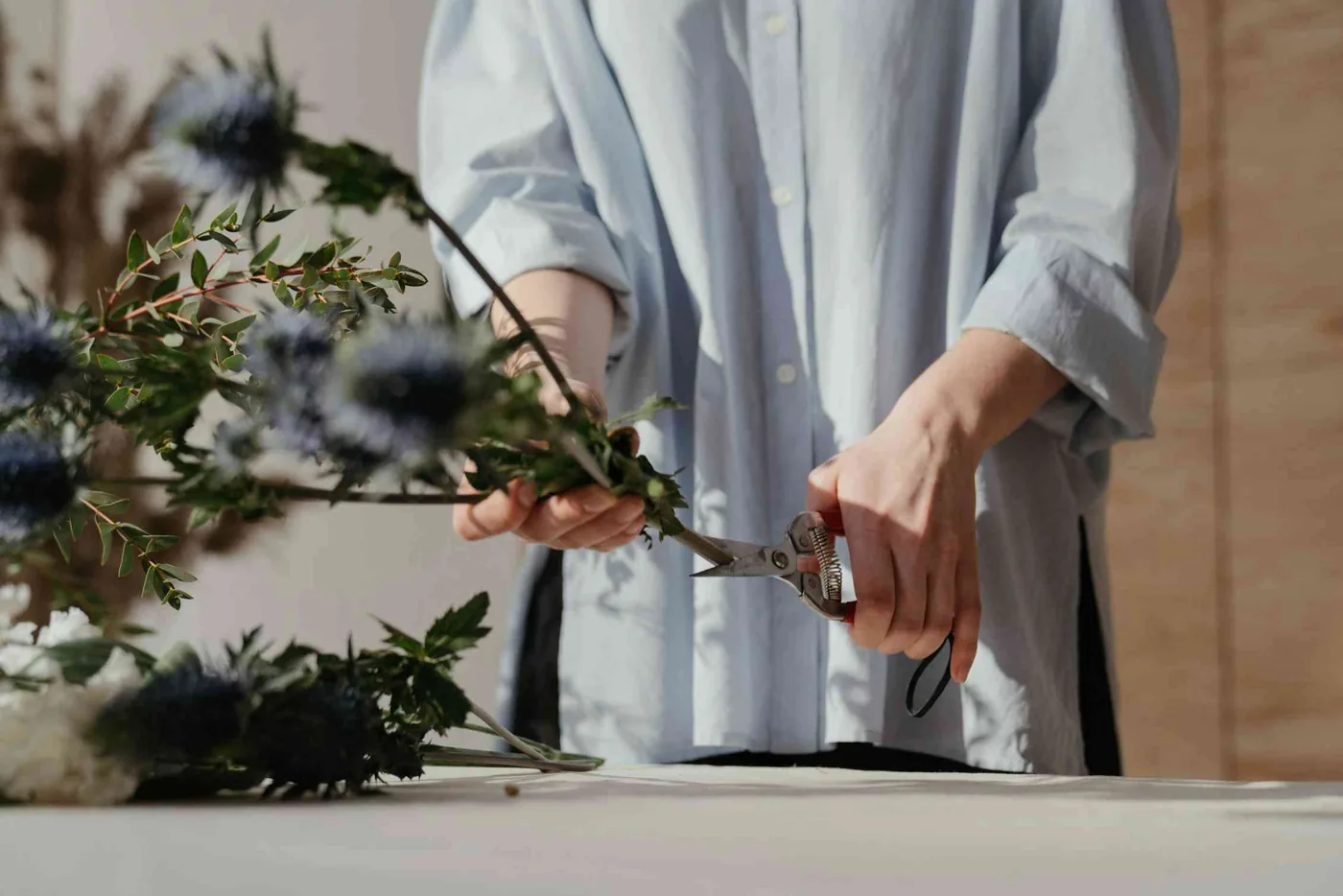
Gardeners harvesting blooms should cut stems long using sharp, clean secateurs. Dull blades crush delicate stem channels. Moore said that harvesting stems with plenty of extra length gives growers the freedom to make a clean final cut before placing them into display vases. Stems left on dry garden tables dry out quickly. Freshly cut flowers should go into water without delay [1].
Angled Cuts for Flower Stems
Careful stem preparation prevents early decay and vascular blockages. Moore advised cutting two to three centimetres from the base of every stem under cool water so that ambient room air cannot enter or plug exposed plant vessels. Air bubbles inside stems stop water from climbing upward. Removing wilting or decaying blossoms from the bunch is equally beneficial because dying tissues spread fungal rot and allow destructive air pockets to penetrate previously sound floral structures. Decaying plant material also taints vase water with microbes that harm healthy stems. Clean cuts under water protect the plant vascular network [1].
A 45 degree angle cut increases the stem surface area available for water uptake. Moore said this angle makes little difference for narrow-stemmed species such as Freesia, Cosmos, and Lisianthus. However, an angled cut helps broader-stemmed flowers, such as garden dahlias, large lilies, and several popular varieties of cut roses. Handlers must strip away lower foliage because submerged leaves rot far more quickly than intact stems; rotting leaves cloud the water and breed bacterial colonies that block plant vessels [1].


How Cut Flower Care Depends on Clean Vases
Vase hygiene forms a cornerstone of indoor flower longevity. Vases must be washed thoroughly after previous use to eliminate dried algae, mould, and bacterial residue. Stems placed into dirty water absorb microbes that quickly plug internal channels. Moore warned that flower caretakers should never allow the base of trimmed stems to sit exposed to dry room air during routine cleaning, because air bubbles rapidly penetrate wet tissue and undo all previous trimming benefits. Bacterial slime accumulates on glass walls if containers are not scrubbed well. Clean glass prevents foul odours, so conducting channels can draw liquid freely [1].
To refresh vase liquid safely without exposing stems to air, Moore suggested pouring out about 80% of the water and topping the container back up with fresh liquid. This partial replacement keeps stem ends safely submerged beneath water and flushes away accumulated contaminants. Daily water changes provide the best defense against bacterial build-up, but refreshing the vase every couple of days still keeps water clear and blooms healthy [1].
Nutrient Solutions for Fresh Blooms
Cut blooms benefit from supplementary nutrients that replace carbohydrate reserves once supplied by intact plant roots. A teaspoon of sugar added to vase water supplies extra carbohydrate and energy to leaves and petals, allowing them to carry out cellular metabolism for longer. Because cut blooms respire after harvest, dissolved sugar provides fuel for tight buds to mature, but that same sugar feeds ambient bacteria in the vase. Without regular water changes, bacterial blooms multiply fast, clouding the liquid and sealing off stem conduits within two days. Sugar nourishes petals effectively when combined with strict water hygiene [1].
Moore suggested pairing sugar with a mild acidifier to curb microbial blooms. Acidic water lowers pH, which inhibits bacterial growth and improves fluid movement through stem conduits. When caretakers replace part of the vase liquid, they must add sugar in exact proportion to the fresh water introduced so that nutrient levels remain stable. For instance, replacing half the vase water requires adding half a teaspoon of fresh sugar [1].
Floral Preservative Mixtures
A balanced homemade floral preservative requires only common kitchen items. Moore recommended adding five millilitres of vinegar and five millilitres of sugar per litre of water, which equals roughly one teaspoon of each ingredient in standard kitchen measurements. Sugar provides carbohydrates, but vinegar lowers pH to check bacterial multiplication. Lemon juice serves as an identical acidic substitute because both liquids create hostile conditions for microbes. Caretakers can optionally add 2ml of bleach, roughly half a teaspoon, to suppress floating bacteria in the mixture. Bleach prevents bacterial colonies from attaching to stem ends. Even with this balanced formula, caretakers should still change the vase water every two to three days [1].
Commercial floral preservative packets rely on these exact same chemical principles. Manufactured sachets combine energy-yielding sugars, an acidifier to lower water pH, and a mild germicide to suppress floating bacteria. Applying these proven cut flower care methods shields delicate stem biology from dehydration and decay. Simple botanical care transforms ordinary cut bouquets into long-lasting indoor displays. With clean water, angled trimming, and proper additives, cut arrangements stay vibrant for days longer [1].
- WEBSITE Moore, G. (2026). What’s the best way to keep cut flowers? A plant scientist shares their top tips. The Conversation. [Article Link]
APA 7: PerEXP Teamworks. (2026, November 23). Gregory Moore Explains Cut Flower Care and Stem Biology. PerEXP Teamworks. https://perexpteamworks.com/en/cut-flower-care-vase-life-guide/


