





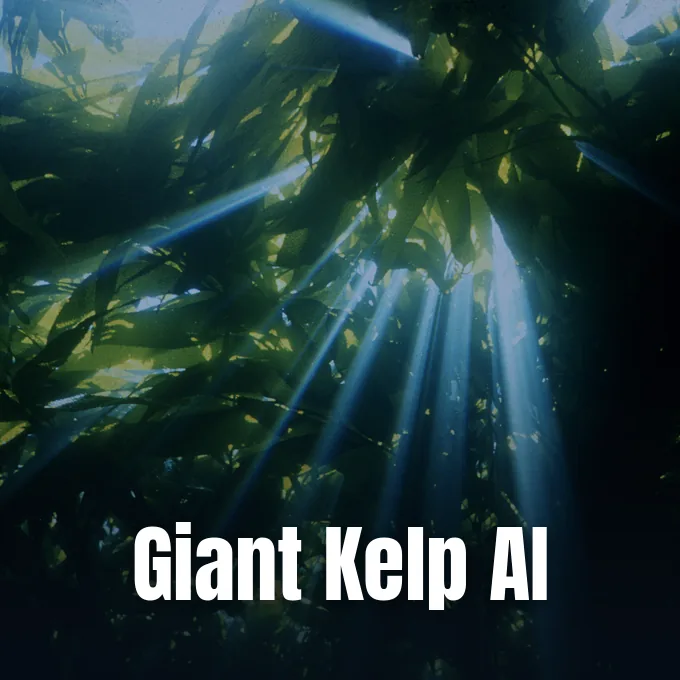
Google and Australia’s national science agency, CSIRO, announced on November 12, 2026, that researchers have deployed machine learning models to accelerate giant kelp restoration along degraded coastlines. Marine biologists from the Institute for Marine and Antarctic Studies (IMAS) are pairing satellite mapping with DNA analysis to protect remaining underwater canopies. Shared as COP31 climate talks begin, the initiative focuses on Tasmanian coastal waters where warming seas destroyed 95 percent of native beds. Researchers aim to identify heat-tolerant strains and replant resilient underwater forests before local marine ecosystems collapse [2].
The Great Southern Reef Crisis
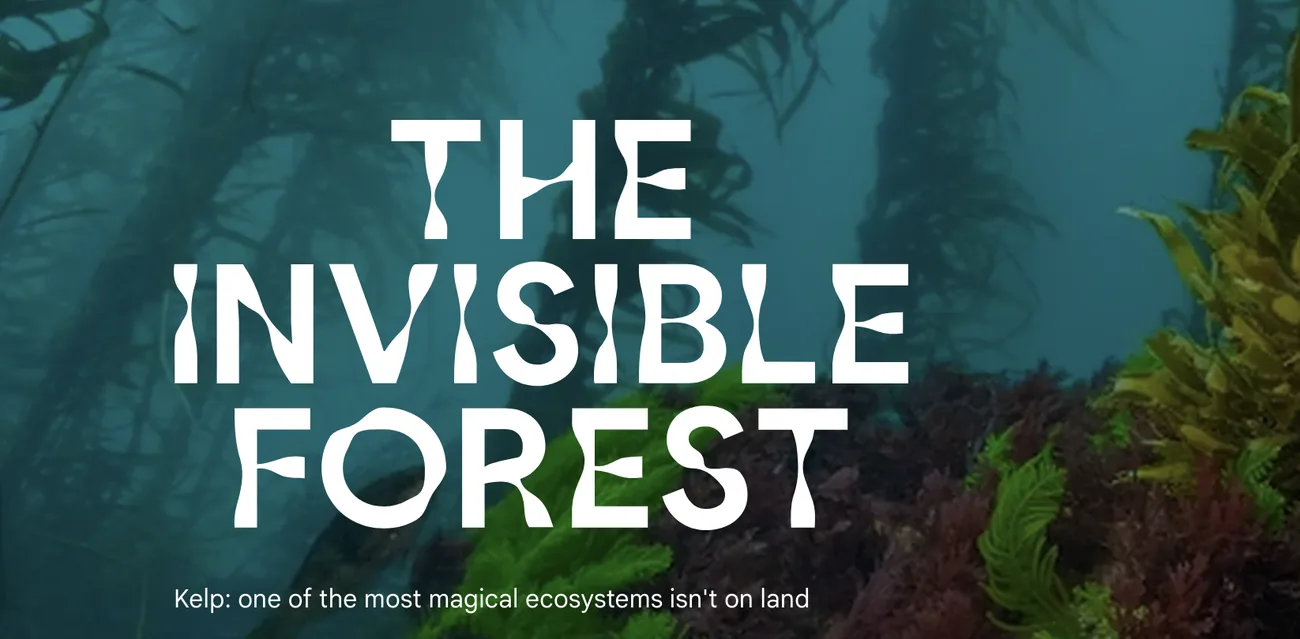
The Great Southern Reef stretches for thousands of kilometers along the southern coastline of Australia, buffering five separate states and supporting thousands of cold-water marine organisms. Unlike the famous Great Barrier Reef in northern waters, many people do not know this temperate underwater system exists. Yet 70 percent of Australians live within 50 kilometers of it. More than 750 million people live near kelp forests worldwide [3].
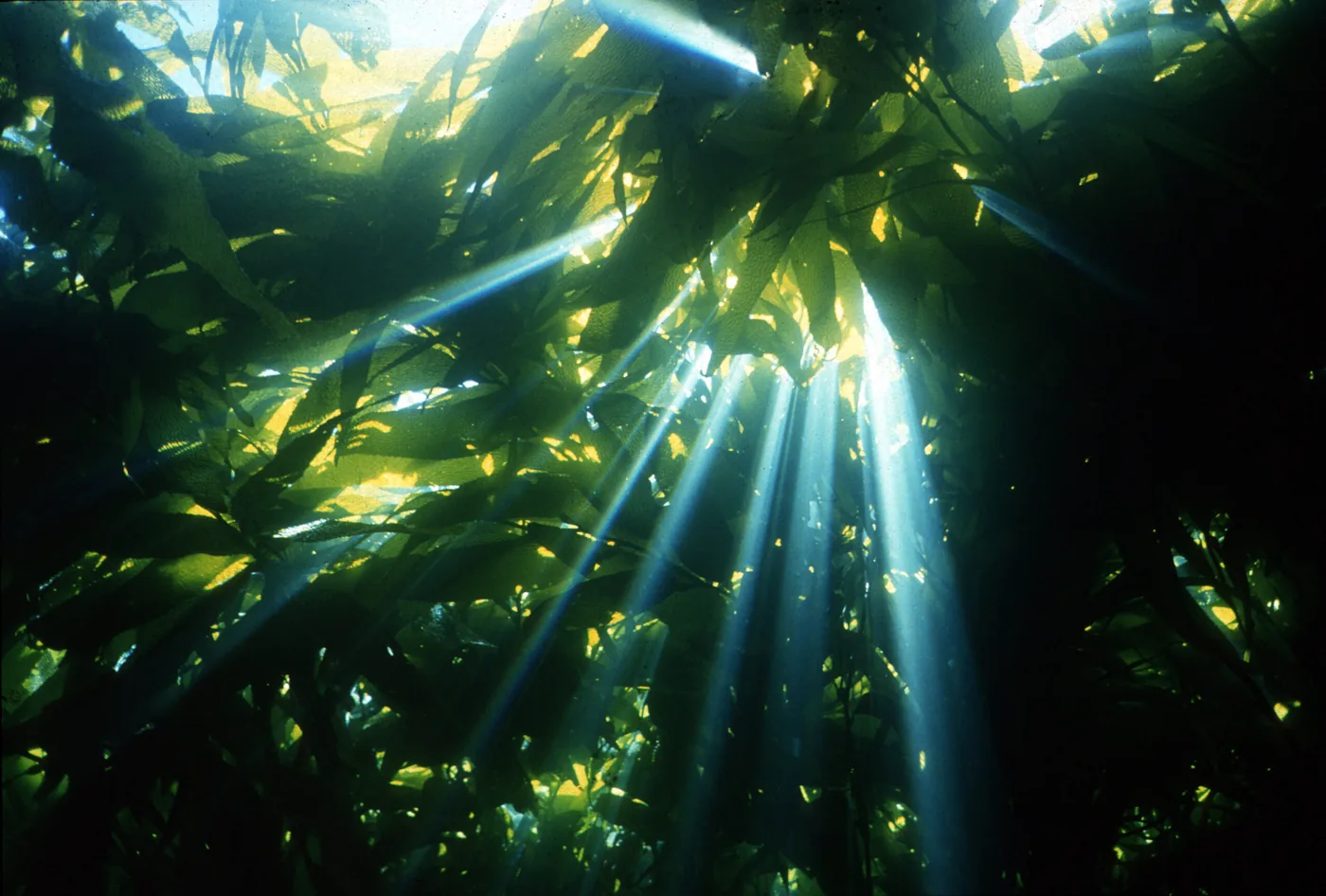
Giant kelp, classified scientifically as Macrocystis pyrifera, anchors the Great Southern Reef by providing food and shelter for fairy penguins, leafy sea dragons, and the endangered red handfish. Rising sea temperatures hit these underwater canopies hard over recent decades [3]. In Tasmania, warming ocean waters wiped out 95 percent of giant kelp. Only isolated patches remain along Tasmanian bays today. “Giant kelp is what we call an ecosystem engineer – a species that creates essential habitats for thousands of other creatures,” said Prof. Craig Johnson, a marine ecologist at the University of Tasmania’s Institute for Marine and Antarctic Studies (IMAS). “With the help of Google AI, and the spirit of collaboration between all partners, we’re taking real steps towards restoring these vital kelp forests that previously seemed impossible [5].”
When canopies vanish, marine life loses shelter [5]. Sea urchins multiply on bare rock, stripping young spores and stopping new kelp from taking root [4]. Divers could not keep up with the losses. Standard boat surveys proved too slow across open ocean waters [3].
Satellite AI and Canopy Maps
Scientists must first locate surviving canopies before replanting damaged reefs. Google worked with geospatial firm NGIS, CSIRO, and IMAS to scan coastal waters. By combining high-resolution satellite imagery from Google Earth Engine with automated machine learning on Vertex AI, the team mapped more than 7,000 square kilometers of marine territory [3].
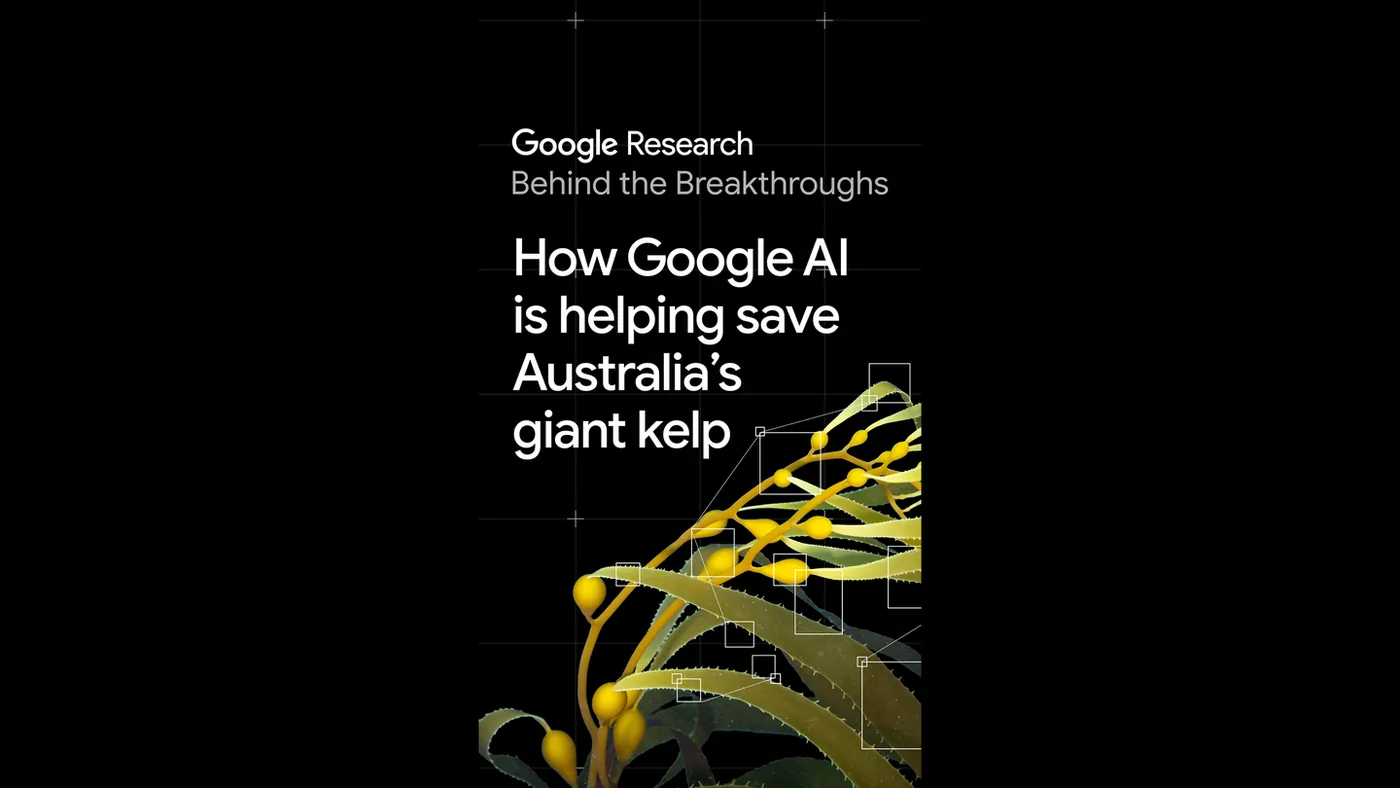
Automated computer vision software detects individual kelp holdfasts, tracks how fast fronds grow over time, and flags early signs of environmental stress before beds thin out. Computer vision algorithms review satellite photographs and environmental sensors continuously. Emergent reported that this automated approach reduces survey costs by approximately 60 percent while increasing data collection from quarterly boat trips to weekly updates. The platform also evaluates water temperature, nutrient levels, and wave exposure to predict where replanting will succeed, shrinking planning timelines from months down to days [4].
Predictive modeling improves giant kelp restoration success rates by 40 percent by pairing young lab-grown plants with optimal water temperatures and stable nutrient conditions. Field biologists can determine whether specific local interventions, including sea urchin culling or artificial reef installation, help kelp canopies recover [4]. Google and the Kelp Forest Alliance shared this geospatial data so conservationists can monitor Tasmanian bays directly [3].


Giant Kelp Restoration and Genomics
Surviving plants hold clues to heat resistance [5]. Biologists from CSIRO and IMAS collected 600 wild kelp specimens from 40 sites along the Tasmanian coast. The survey covered 40 coastal sites [2]. Researchers brought those samples to CSIRO laboratories in Hobart to study their genetic makeup [5].
The science team adapted DeepVariant and DeepConsensus to search through kelp DNA for markers linked with high heat tolerance [5]. That genomic analysis built upon reference genomes published in BMC Genomics by researchers Scharfenstein, Carroll, Schwoerbel, Iha, Jordan, and Willis. Using long-read PacBio HiFi and ONT R10.4 Simplex sequencing, the scientists assembled 98 to 99 percent of the Australian giant kelp genome into 35 pseudo-chromosomes from diploid sporophyte tissue. The genome size measured 528 megabases [1]. Having that genomic baseline allows Google AI models to compare hundreds of wild specimens and pinpoint genes that survive warmer water temperatures [2].
Teams in Hobart cross-breed those hardy specimens to grow resilient strains. These cross-breeding trials give giant kelp restoration efforts a steady supply of heat-resistant seedlings [2]. Unlike commercial technology debates where companies handle AI training opt-out policies for proprietary data, Google released its conservation code as open-source software for public research. Data from IMAS and CSIRO remains accessible to scientists around the world [3].
Why Are Kelp Forests Disappearing?
Ocean warming is the main cause behind the collapse of giant kelp beds [4]. Giant kelp, an alga in the order Laminariales, needs cool water and strong upwelling to take up essential nutrients [1]. When sea temperatures rise, fronds weaken and cannot absorb nitrates [4]. Heat stress surged after 2023 set records as the hottest year observed globally, exposing Tasmanian reefs to prolonged marine heatwaves that stripped away local kelp canopies [3].
Warming seas also create biological havoc along the sea bottom. Sea urchin populations explode in warmer waters, grazing down kelp holdfasts until bare rock barrens form. Coastal runoff and water pollution block the sunlight fronds need to perform photosynthesis. These combined pressures caused kelp losses of over 95 percent across southeastern Australia [4].
Losing giant kelp harms coastal communities because these forests absorb atmospheric carbon and shield coastlines from powerful ocean waves. When kelp forests break down, coastal erosion increases and marine life loses breeding habitat [4]. “To address the biggest challenges of climate change we need to fully understand them,” said Melanie Silva, Managing Director of Google Australia. “With this project using Google AI we can – for the first time – find and analyse Australia’s disappearing giant kelp forests and support our partners to restore this critical habitat and protect the ecosystem of the Great Southern Reef [5].”
Giant Kelp Restoration Beyond Australia
While initial research centered on Tasmania, scientists are deploying these tools in other oceans. Google AI models are currently operating in California, where coastal kelp forests suffered similar heatwave damage. Marine scientists there use the vision algorithms to select sites for replanting [4].
The initiative plans to expand tool deployment to South Africa and Chile during 2027. Google offers its computer vision models at zero cost to eligible conservation bodies through a technology grant program [4]. Google committed 1 billion Australian dollars to its Digital Future Initiative for local research, building on institutional programs like AI educator training to support environmental projects. Those grant resources allow partner teams at CSIRO, IMAS, and The Nature Conservancy to scale restoration across international coastlines [3].
Community engagement represents the final pillar of the project. Google launched a digital exhibit on Google Arts & Culture titled Kelp’s Fight for Climate Change with Australian artist Emma Robertson. The collection details the cultural significance of giant kelp to Aboriginal communities [3]. By bringing together satellite monitoring, genetic sequencing, and community outreach, researchers at CSIRO, IMAS, and Google hope to ensure giant kelp restoration succeeds across warming global seas [2].
- ACADEMIC JOURNAL Scharfenstein, H. J., Carroll, A., Schwoerbel, J., Iha, C., Jordan, R., & Willis, A. (2026). Two Australian genome assemblies expand the genomic blueprint of giant kelp. BMC Genomics, 27(1). [Article Link]
- PRESS RELEASE Yeh, L. (2026, November 12). Scientists are using Google AI to help restore giant kelp forests. Google. [Article Link]
- PRESS RELEASE Riddle, S. (2024, February 23). How Google AI is helping restore Australia’s giant kelp forests. Google Australia. [Article Link]
- ONLINE NEWS Palash, S. (2026, November 12). Google AI Helps Scientists Restore Giant Kelp Forests. Emergent. [Article Link]
- PRESS RELEASE CSIRO. (2024, February 26). National collaboration to save Australia’s invisible, endangered forest of giant kelp using AI. CSIRO. [Article Link]


