





GLP-1 agonists mimic a natural gut hormone to lower blood sugar and curb hunger in people with type 2 diabetes and obesity. These peptide therapies stimulate insulin release only when circulating glucose rises, while slowing digestion and acting on appetite centers in the brain to reduce hunger. First cleared by regulatory agencies in 2005, the drug class has grown from short-acting twice-daily injections into weekly formulations, oral tablets, and multi-receptor peptides. Clinical research confirms that these treatments improve glycemic control and support weight loss while reducing cardiovascular risk [2].
- How Do GLP-1 Agonists Work in the Body?
- Pancreatic Action on Insulin Secretion
- Brain Receptors Regulating Satiety
- Why Do Native Incretins Degrade Quickly?
- How GLP-1 Receptor Agonists Lower Body Weight?
- Multi-Receptor Peptides Beyond Single Targets
- Gastrointestinal Effects and Patient Safety
- Clinical Scope for GLP-1 Agonists
How Do GLP-1 Agonists Work in the Body?
When food enters the small intestine, specialized L-cells release native glucagon-like peptide-1 into the bloodstream. This gut hormone binds to receptors scattered across pancreatic tissue, gastric mucosa, and the central nervous system to guide nutrient uptake and regulate systemic metabolism. It triggers insulin release while curbing glucagon secretion. Synthetic drugs reproduce these actions but resist rapid enzymatic inactivation during metabolic digestion [10].
Unlike older insulin secretagogues such as sulfonylureas that push constant hormone release regardless of ambient glucose levels, incretin receptor activation depends on prevailing blood sugar concentrations that rise after food intake. When circulating blood sugar falls below normal fasting levels, receptor signaling stops stimulating beta cells. Insulin release stops as glucose drops. This protective mechanism gives GLP-1 agonists a very low risk of triggering hypoglycemia when used alone or with metformin. Because drug action responds to meal intake, patients avoid the sudden glycemic drops common with conventional insulin regimens. The therapy provides steady glycemic control without causing dangerous plasma deficits in daily care [6].
Circulating drug molecules travel through bloodstream pathways and pass through the blood-brain barrier to reach appetite networks. Receptors in the nodose ganglion and hypothalamus receive chemical signals that resemble satiety after a full meal. Food passes from the stomach into the small intestine at a slower speed, sending stretch cues through the vagus nerve. By coordinating stomach emptying, pancreatic hormone balance, and central appetite signals, these medications reduce daily food intake and smooth out post-meal glucose spikes over twenty-four hours [3].
Pancreatic Action on Insulin Secretion
Binding at the beta cell surface triggers a defined intracellular signaling pathway. When agonist molecules attach to the target receptor, intracellular cyclic adenosine monophosphate (cAMP) levels rise and turn on protein kinase A (PKA) to start cellular activation. This signaling path closes ATP-sensitive potassium channels and depolarizes the membrane. Calcium enters the cell and pushes insulin vesicles outward into circulation [10].
Incretin signaling also turns down glucagon secretion from neighboring pancreatic alpha cells during post-meal periods. Glucagon typically instructs liver tissue to release stored glycogen and synthesize new glucose through gluconeogenesis, which raises blood sugar levels between eating periods and worsens glycemic instability. In people with type 2 diabetes, improper glucagon release keeps fasting and post-meal sugar levels higher than normal. By preventing unwanted liver glucose output after eating, incretin medications limit steep postprandial glucose rises that strain blood vessels over time. Cellular studies in laboratory models indicate that prolonged receptor stimulation shields fragile beta cells from metabolic stress and supports long-term cell survival [3]. The liver halts excessive glucose production.
Skeletal muscle and fat tissue also handle circulating glucose more effectively as high blood sugar recedes. Agonist exposure increases phosphorylated insulin receptor substrate-1 and promotes the movement of GLUT4 glucose transporters to cell boundaries in peripheral tissues. To test alternative non-pharmacological tools for glycemic control, biomedical scientists designed bioelectronic devices like ETH Zurich electrocatalytic implant studies on blood sugar regulation in animal models. In standard medical care, incretin mimetic therapies including GLP-1 agonists stay the central medical approach to improving peripheral glucose disposal [10].
Brain Receptors Regulating Satiety
Appetite control centers inside the hypothalamus and lower brainstem respond to circulating incretin molecules. Agonists reach these deep brain regions through passive diffusion and receptor transport. In the arcuate nucleus of the hypothalamus, the synthetic peptides activate pro-opiomelanocortin (POMC) and cocaine-and-amphetamine-regulated transcript (CART) neurons to trigger powerful satiety sensations. They turn off neuropeptide Y (NPY) and agouti-related peptide (AgRP) cells [10]. Eating drives drop.
Long-standing obesity often creates resistance to leptin, the hormone that tells the brain how much fat tissue the body carries. Research shows that incretin therapies help restore leptin sensitivity by lowering two cellular blocking proteins known as suppressor of cytokine signaling 3 (SOCS3) and protein tyrosine phosphatase 1B (PTP1B). Removing these inhibitors reopens normal signaling along the JAK/STAT cellular highway in the hypothalamus. As leptin signaling recovers within the central nervous system, patients feel less internal compulsion to seek sweet or calorie-dense foods between regular scheduled meal times. Brain imaging studies note that reward circuits in the mesolimbic dopamine pathway show quieter baseline responses when patients look at tempting food cues [10].
Slower gastric emptying strengthens these central fullness signals by keeping food inside the stomach longer after small meals. Vagal nerve endings detect mechanical stretch in the gastric wall and send signals up to the solitary tract in the brainstem to confirm that digestion is underway. People feel satisfied after smaller portions and stop eating earlier. Patients eat less food without feeling hungry between meal times. Daily calorie intake declines by hundreds of calories, producing steady weight loss over weeks of treatment [2].
Why Do Native Incretins Degrade Quickly?
Endogenous human GLP-1 has a brief lifespan in the body of only about two minutes. The circulating enzyme dipeptidyl peptidase-4 (DPP-4) clips off the first two amino acids from the peptide, leaving it inactive before it can reach distant targets. Kidneys then filter the degraded fragments out of the blood [6]. Native GLP-1 degrades within two minutes.
Fast enzyme clearance prevents natural incretin hormones from driving blood sugar too low once a meal clears the gut. For medical use in diabetes, however, this quick breakdown made natural peptide infusions impractical for home care. Drug makers addressed this problem by synthesizing altered peptides that resist DPP-4 cleavage. The FDA approved exenatide in 2005 as a twice-daily subcutaneous shot based on peptide structures identified in Gila monster saliva. Later innovations yielded daily drugs like liraglutide and weekly shots like dulaglutide and semaglutide. Adding fatty acid side chains allows modern molecules to attach to circulating albumin proteins, which shields them from enzyme breakdown and extends their half-life throughout weekly dosing intervals [6].
In April 2014, the FDA approved albiglutide, sold as Tanzeum by GlaxoSmithKline, for adults with type 2 diabetes. European authorities cleared the compound under the trade name Eperzan. Curtis Rosebraugh, MD, MPH, director of the Office of Drug Evaluation II in the FDA Center for Drug Evaluation and Research, said: “Tanzeum is a new treatment option for the millions of Americans living with type 2 diabetes.” “It can be used alone or added to existing treatment regimens to control blood sugar levels in the overall management of diabetes.” [9]
How GLP-1 Receptor Agonists Lower Body Weight?
Weight loss from incretin therapies occurs because patients take in fewer daily calories as satiety signals rise. Slowed stomach emptying and central satiety suppress food cravings. In clinical trials, people taking full doses lost between 5% and 20% of their starting weight. The American Diabetes Association suggests these medications for people with type 2 diabetes or obesity together with healthy lifestyle adjustments and calorie restriction [10].
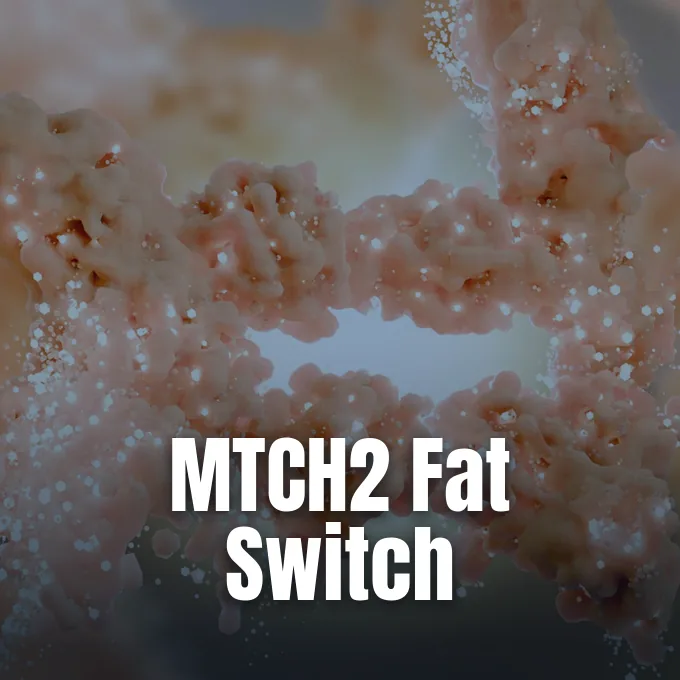
Adipose tissue also undergoes beneficial structural and metabolic changes during prolonged receptor activation across long treatment courses. In severe obesity, white fat deposits suffer from cellular swelling, tissue hypoxia, and localized inflammation. Agonist exposure lowers fat-storing enzymes such as lipoprotein lipase (LPL) and ANGPTL4 while activating AMPK and SIRT1 pathways in fat cells. This cellular switch helps white fat cells take on qualities of energy-burning brown fat, boosting UCP1 protein to increase calorie burn through cellular thermogenesis and higher energy output [10]. Rodent studies show that some metabolic benefits also involve elevated synthesis of fibroblast growth factor 21, prompting drug makers to develop dual-action molecules. Thermogenesis burns stored fat cells.
Scientists also examine non-incretin metabolic pathways that promote fat reduction, such as Weizmann Institute research on MTCH2 protein and fat burning in preclinical laboratory models. In clinical incretin treatments, weight loss involves both fat reduction and some loss of lean muscle mass. Maintaining weight loss poses a major clinical hurdle once patients stop taking the drug. Research indicates that patients regain 50% to 70% of their lost weight within one year of stopping therapy [2]. Most people return to their original baseline weight within eighteen months after treatment discontinuation.
Multi-Receptor Peptides Beyond Single Targets
Newer multi-agonist compounds activate two or three gut hormone receptors at the same time to increase metabolic benefits and improve weight loss outcomes. Gastric inhibitory polypeptide (GIP) works together with GLP-1 in natural digestion. In healthy individuals, both hormones account for 50% to 70% of meal-stimulated insulin release. GIP raises glucagon when sugar drops, while GLP-1 suppresses glucagon when sugar rises [11]. The two hormones balance blood sugar.
The dual agonist tirzepatide activates both GLP-1 and GIP receptors and won FDA approval for type 2 diabetes in May 2022. In the SURPASS-2 clinical trial, investigators tested tirzepatide against semaglutide in nearly 1,900 adults with diabetes. At the highest dose, 60% of patients on tirzepatide reached target blood sugar levels and lost at least 10% of their body weight, compared to only 22% of patients taking semaglutide. Activating both hormone receptor systems produced greater glycemic control and greater weight loss while maintaining mild gastrointestinal symptoms similar to single-receptor medications [11]. Tirzepatide outperformed semaglutide in weight reduction. Both drugs require weekly subcutaneous injections.
Scientists are also testing advanced triple agonists that target GLP-1, GIP, and glucagon receptors to increase energy expenditure even further during long-term metabolic therapy. Glucagon activation stimulates liver energy use and raises metabolic burn. In early trial data, the triple agonist retatrutide produced an average 24.2% weight drop in its highest dose cohort after 24 weeks. A related triple candidate named UBT-251 showed an average 19.7% weight reduction over the same 24-week period. Dual agonists like mazdutide are moving through phase III trials for obesity and liver disease [11].
Gastrointestinal Effects and Patient Safety
Digestive problems represent the most frequent side effects reported by people taking incretin medications. Nausea, vomiting, diarrhea, and constipation occur most often during early treatment or dose escalation. Nausea appears in up to three-quarters of people taking short-acting drugs, but occurs far less often with modern weekly formulations that release active peptide gradually. Doctors use gradual dose increases over several weeks to give the gut time to adjust [10].
Comprehensive safety evaluations across global medical agencies also examined potential clinical risks involving acute pancreatitis, dehydration-related kidney injury, and thyroid C-cell tumors. In a nested case-control study using the French national health insurance database (SNDS), researchers examined 2,562 thyroid cancer cases between 2014 and 2018 to assess treatment exposure [4]. Drug labels carry boxed warnings regarding thyroid C-cell tumors observed in rodent studies, though extensive human surveillance registries over ten years have not established a direct causal link in clinical populations. Dehydration from persistent vomiting or diarrhea can also lead to acute kidney injury [1]. French health databases tracked 2,562 cases.
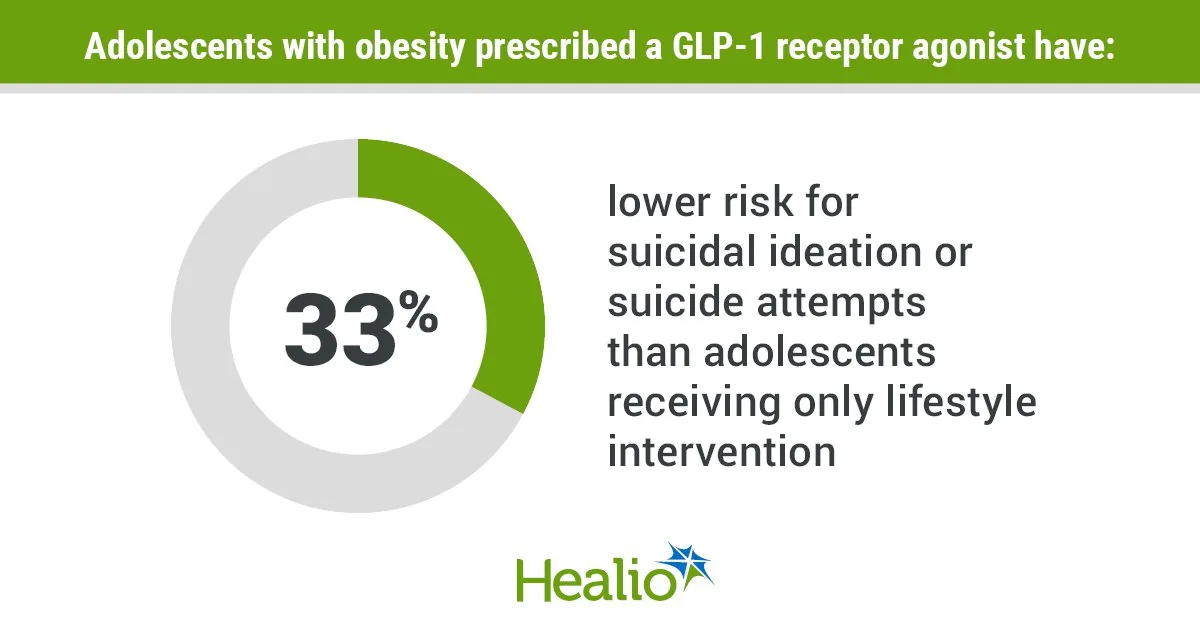
In January 2026, the FDA asked manufacturers to remove warnings about suicidal thoughts and behaviors from labels for Saxenda, Wegovy, and Zepbound. The agency analyzed 91 clinical trials with 107,910 participants, including 60,338 people on incretin drugs and 47,572 on placebo, finding no elevated psychiatric risk [7]. A separate study of 2,243,138 health records confirmed that finding. Research published in JAMA Pediatrics led by Liya Kerem at Hadassah Hebrew University Medical Center also observed a 33% lower risk of suicidal thoughts among adolescents with obesity [8].
Clinical Scope for GLP-1 Agonists
Incretin medications provide clinical benefits beyond blood glucose reduction. Large clinical trials demonstrate that these incretin agents reduce major adverse cardiovascular events and slow the progression of chronic kidney disease in high-risk diabetic patients. A 2021 review in Molecular Metabolism noted a 12% drop in all-cause mortality among treated patients with diabetes. The FDA also approved semaglutide to treat MASH liver fibrosis after trials showed a 60% drop in liver inflammation [10].
The shift toward oral medications represents another major step for long-term patient care. The FDA cleared an oral semaglutide pill in December 2025, which entered mass production in January 2026. In a phase 2 study published in The New England Journal of Medicine by Sean Wharton and colleagues, the oral nonpeptide drug orforglipron produced notable weight reduction in 272 adults with obesity. Mean baseline body weight was 108.7 kg. At 36 weeks, participants lost between 9.4% and 14.7% of body weight across doses, compared to 2.0% on placebo. Oral nonpeptide drugs avoid injection hurdles and do not need refrigeration [5].
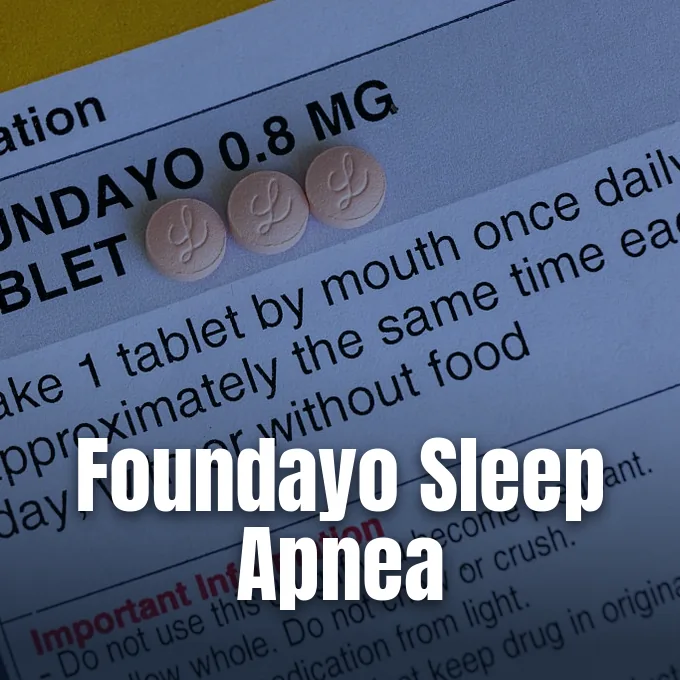
Clinical evaluations continue to test incretin therapies for related disorders, including Eli Lilly GLP-1 pill research on obstructive sleep apnea. By addressing central appetite circuits, peripheral insulin resistance, and cardiovascular risks, GLP-1 agonists offer broad therapeutic value in chronic metabolic care. Long-term treatment success depends on balanced medical oversight, healthy nutritional intake, and regular physical activity to maintain muscle mass and sustain healthy metabolic balance throughout patient recovery [2].
- ACADEMIC JOURNAL Filippatos, T. D., Panagiotopoulou, T., & Elisaf, M. (2014). Adverse Effects of GLP-1 Receptor Agonists. The Review of Diabetic Studies, 11(3-4), 202-230. [Article Link]
- ACADEMIC JOURNAL Rosen, C. J., & Ingelfinger, J. R. (2026). GLP-1 Receptor Agonists. New England Journal of Medicine, 394(13), 1313-1324. [Article Link]
- ACADEMIC JOURNAL Zhao, X., Wang, M., Wen, Z., Lu, Z., Cui, L., Fu, C., Xue, H., Liu, Y., & Zhang, Y. (2021). GLP-1 Receptor Agonists: Beyond Their Pancreatic Effects. Frontiers in Endocrinology, 12, 721135. [Article Link]
- ACADEMIC JOURNAL Bezin, J., Gouverneur, A., Pénichon, M., Mathieu, C., Garrel, R., Hillaire‐Buys, D., Pariente, A., & Faillie, J. (2022). GLP-1 Receptor Agonists and the Risk of Thyroid Cancer. Diabetes Care, 46(2), 384-390. [Article Link]
- ACADEMIC JOURNAL Wharton, S., Blevins, T., Connery, L. E., Rosenstock, J., Raha, S., Liu, R., Ma, X., Mather, K. J., Haupt, A., Robins, D. A., Pratt, E. J., Kazda, C. M., & Кониг, М. (2023). Daily Oral GLP-1 Receptor Agonist Orforglipron for Adults with Obesity. New England Journal of Medicine, 389(10), 877-888. [Article Link]
- ACADEMIC JOURNAL Nauck, M. A., Quast, D. R., Wefers, J., & Meier, J. J. (2020). GLP-1 receptor agonists in the treatment of type 2 diabetes – state-of-the-art. Molecular Metabolism, 46, 101102. [Article Link]
- REPORT U.S. Food and Drug Administration. (2026). FDA Requests Removal of Suicidal Behavior and Ideation Warning from Glucagon-Like Peptide-1 Receptor Agonist (GLP-1 RA) Medications. FDA Drug Safety Communication. [Article Link]
- ONLINE NEWS Monostra, M. (2024). GLP-1 therapy may reduce suicidal ideation risk for adolescents with obesity. Healio. [Article Link]
- ONLINE NEWS Busko, M. (2014). FDA Approves Weekly Injectable Diabetes Drug: Albiglutide. Medscape Medical News. [Article Link]
- WEBSITE Wikipedia contributors. (2026). GLP-1 receptor agonist. Wikipedia, The Free Encyclopedia. [Article Link]
- WEBSITE Wikipedia contributors. (2026). GLP1 poly-agonist peptides. Wikipedia, The Free Encyclopedia. [Article Link]


