



Federal safety regulators have officially announced the Inmo Air3 recall after multiple wearable displays caused thermal injuries to consumers. The US Consumer Product Safety Commission (CPSC) issued the urgent safety warning after discovering that the augmented-reality eyewear generates excessive heat along its left temple during extended use [1]. Ten users reported burns. With burn hazards posing direct risks to sensitive facial tissue, regulators instructed owners across North America to halt daily use immediately while manufacturer Inmo prepares an online software remediation [2].
Why the Inmo Air3 Recall Was Issued
Wearable displays rest directly against sensitive cranial nerves and delicate facial skin, making localized thermal spikes unusually hazardous for daily wearers. The Consumer Product Safety Commission confirmed that the left temple of the Inmo Air3 smart glasses can reach temperatures capable of inflicting direct thermal harm when running continuous computing workloads [1]. Federal regulators intervened on Thursday following consumer injury reports. According to formal agency notices, heat buildup along the left frame caused repeated complaints of intense burning sensation incidents concentrated on the face and the left side of the ear [2].
Agency investigators documented ten distinct overheating incidents submitted by consumers prior to the Inmo Air3 recall notice [1]. In multiple documented instances, wearers suffered physical skin burns before they could dislodge the frames from their ears. The official recall bulletin classifies the defect as a hazard carrying a severe risk of injury or death due to burn hazard, emphasizing that proximity to the temple magnifies bodily vulnerability during unexpected thermal runaway events [2].
Thermal dissipation presents a demanding physical constraint for compact augmented-reality frames enclosing optical engines, wireless transceivers, and battery packs into slender temples. When microprocessors work without active cooling vents, heat transfers directly into chassis components. Inmo engineered the Air3 to support intensive applications, including real-time AI translation, wireless productivity tools, and continuous media streaming from external video platforms [1].

Scope and Distribution of Affected Hardware
Market distribution records from the Inmo Air3 recall reveal that the safety notice affects thousands of early adopters who backed the device or purchased units online (totaling 1,763 devices across North America). The recall covers 1,763 units. Official regulatory tallies confirmed both domestic and cross-border distribution. In the United States, roughly 1,643 units entered private hands, while Canadian consumers imported an additional 120 units throughout the multi-month retail launch cycle [1]. These shipments originated through widespread retail campaigns on Amazon, direct orders via Inmo’s proprietary online storefront, and early fulfillment pledges across Kickstarter [2].
Commercial availability spanned nine months, beginning in December 2025 and concluding when retail inventory paused in August 2026 [1]. During this window, retail prices ranged between $900 and $1,300 depending on storage configurations. Identifying the recalled hardware requires inspecting frame markings, as every affected pair features a matte black finish with AIR3 and INMO stamped on the inner right temple [2].
The premium pricing placed the hardware directly among luxury consumer wearables, where buyers anticipated polished industrial safety standards rather than thermal discomfort. Kickstarter backers received initial shipments. While standalone audio eyewear such as the RayNeo iO smart glasses operates with minimal thermal draw by omitting dense video processors, the Air3 integrates active binocular display optics that demand continuous processor throughput, accelerating heat generation inside confined temple housing [1].
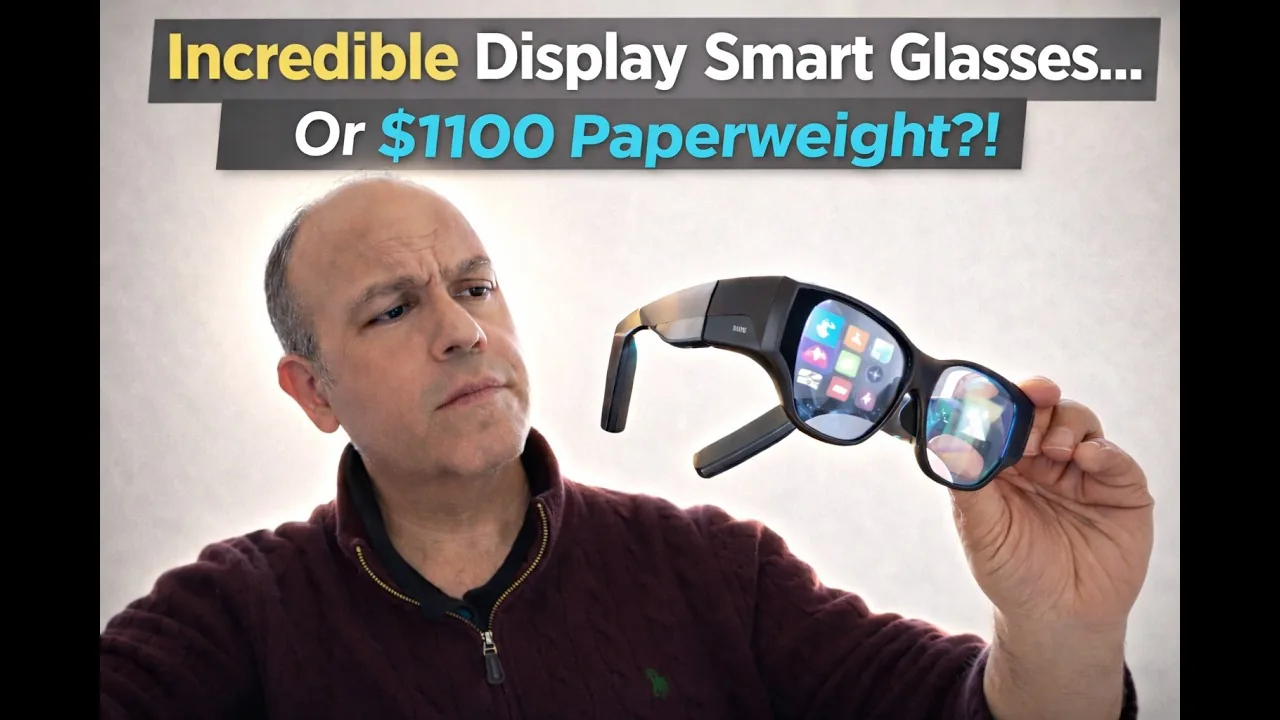


Seven Months of Wearable Overheating Warnings
Independent reviewers documented serious temple overheating months before the official Inmo Air3 recall materialized [2]. Thermal discomfort surfaced immediately during unboxing and early video evaluations.
Public hardware assessments dating back seven months revealed that early wearers noticed uncomfortable temperatures developing near their cheekbones during extended media streaming sessions [2]. Technology analyst Andrew Liszewski highlighted that YouTube reviewers had repeatedly warned audiences about intense temple heat, with some testers visibly abandoning prolonged wearing trials due to dermal sensitivity. Facial tissue remains particularly vulnerable during prolonged direct contact. Wearable devices resting against facial skin present distinct physiological challenges because users cannot easily overlook persistent contact heat exceeding forty degrees Celsius (104 degrees Fahrenheit). When individuals stream movies or engage in continuous video playback, prolonged localized heating can quickly progress from noticeable warmth to superficial burns, creating severe risks for consumers who might fall asleep while wearing active digital spectacles [1].
Why did early hardware warnings fail to prevent the nationwide recall? Tech creator reviews and consumer forum posts accumulated over several months, yet units continued shipping to international buyers throughout the spring and summer [2]. Manufacturer Inmo appeared cognizant of the localized heat pattern long before the federal notice emerged, yet commercial retail sales proceeded across both domestic and overseas storefronts until government intervention mandated immediate corrective protocols [1].

Protective Sleeves and the V3.16 Patch
Evidence uncovered during the Inmo Air3 recall process indicates that Inmo recognized the thermal vulnerabilities of the chassis during initial packaging design [2]. The company shipped each pair of glasses with a specialized protective sleeve intended to insulate the wearer’s skin from excessive temple warmth. Despite this physical barrier, users experienced uncomfortable heat transmission through the fabric. The accessory proved inadequate for shielding delicate ear cartilage during sustained usage cycles [1].
Rather than initiating an expensive hardware exchange, the company opted for a remote firmware resolution to recalibrate processor performance. The online update requires version V3.16. Engineers developed the software patch to modify power allocation tables and throttle clock speeds across the internal display drivers, reducing thermal dissipation along the left arm [1]. Physical returns are not required. Consumers simply need to synchronize their frames with the companion setup utility to apply the new thermal throttling parameters [2].
Neither the manufacturer nor regulatory bodies have clarified whether software throttling degrades core visual performance, leaving wearers curious about display framerates under the new firmware cap [1]. Matt Horne reported that official recall documentation omits the precise root cause of the left temple failure, focusing strictly on thermal relief rather than component architecture. The update serves as an emergency software limit designed to suppress component heating before skin damage occurs [2].
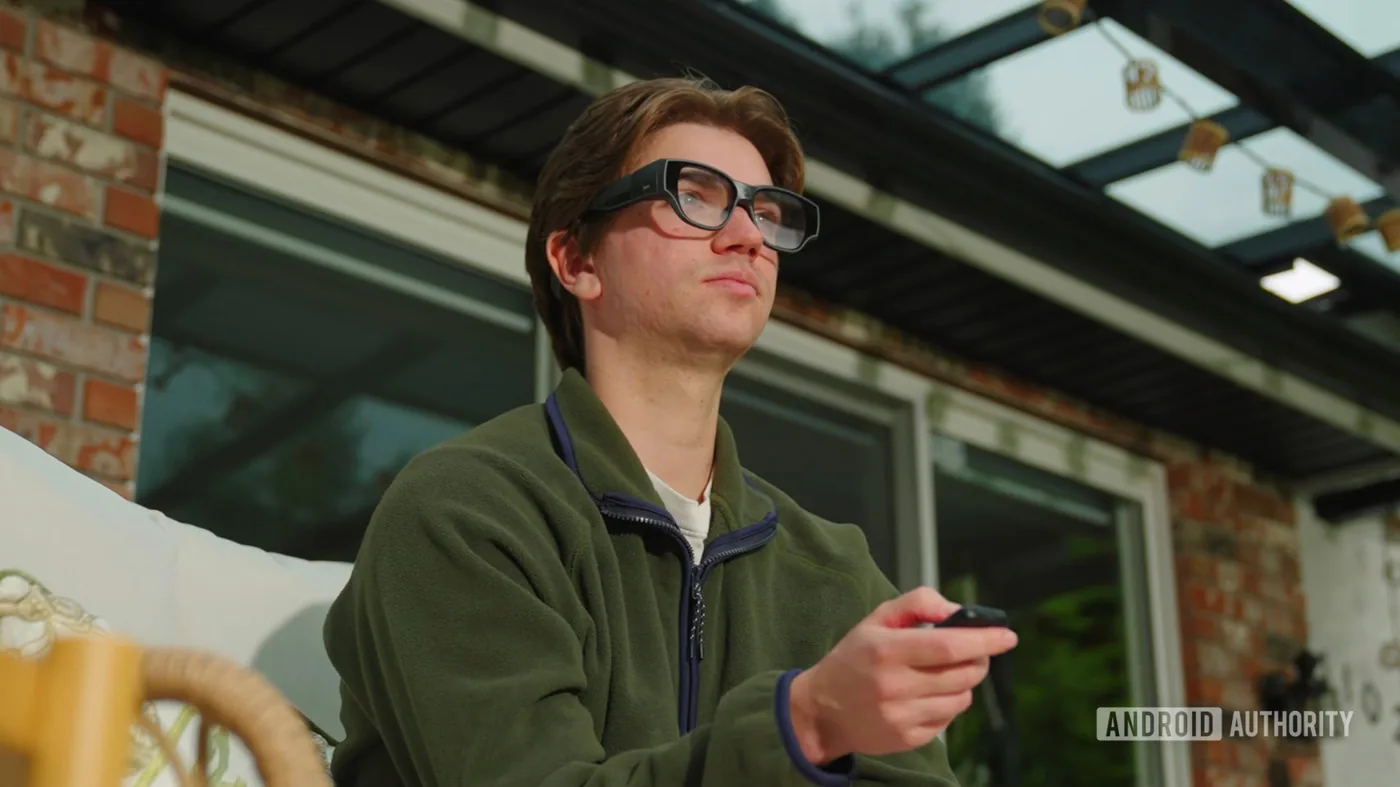
How to Complete the Inmo Air 3 Recall Update
Consumer safety officials urge all owners to stop using the Air3 immediately until their eyewear receives the corrective firmware package (available online without hardware returns) [1]. Although physical return shipments are unnecessary, the CPSC emphasized that wearers must not wear the glasses prior to applying the repair. Bypassing the warning exposes facial tissue. The company established a dedicated safety portal on its official website, directing registered buyers to contact customer support specialists via email or telephone to initiate guided installation [2].
Customer support teams guide owners through pairing the eyewear to a local Wi-Fi connection and verifying that the installed operating build displays version V3.16. The digital update modifies background task schedules to prevent the left arm from spiking under video loads [1]. Technicians advise users to inspect the right temple label to confirm their serial number falls within the recalled production run [2].
The recall underscores persistent engineering hurdles facing augmented-reality hardware designers as computing components move from pockets directly onto human faces, where compact batteries generate concentrated heat [1]. While manufacturers strive to shrink microdisplays and optics into fashionable everyday frames, thermal regulation remains an unforgiving boundary condition. For current owners, responding to the Inmo Air3 recall by securing the free software update represents the only authorized path to eliminate burn hazards while preserving device functionality [2].
- ONLINE NEWS Horne, M. (2026, September 24). These smart glasses are being recalled to stop them burning your face off. Android Authority. [Article Link]
- ONLINE NEWS Liszewski, A. (2026, September 24). These smart glasses have been recalled for overheating temples causing burns. The Verge. [Article Link]


