





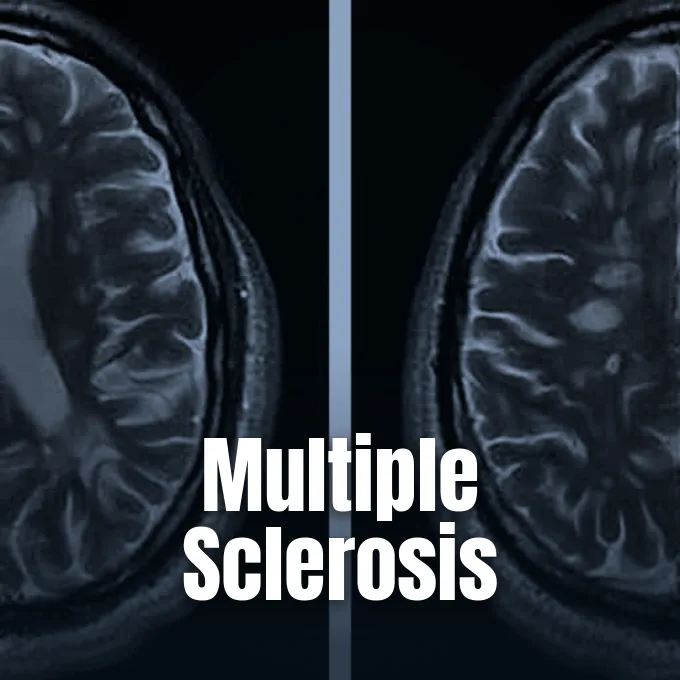
Multiple sclerosis causes nerve signal breakdowns between the brain and the body by damaging protective myelin sheaths [1]. French neurologist Jean-Martin Charcot first described this pathology in Europe in 1868, documenting scarred tissue patches during post-mortem exams [6]. In healthy nerves, fatty myelin coatings let electrical impulses travel smoothly [2]. Immune cells wrongly attack this coating, forming firm plaques that disrupt normal brain communication. World Health Organization records show that over 3.1 million people live with the disease worldwide [1]. Patients navigate unpredictable symptoms ranging from brief limb numbness to severe walking difficulties [6].
- What Is Multiple Sclerosis?
- The Biology of Myelin Damage
- Common Symptoms and Warning Signs
- Epstein-Barr Virus and Multiple Sclerosis Causes
- Multiple Sclerosis Causes and Genetic Risks
- How Clinicians Diagnose Multiple Sclerosis Causes
- Diagnostic Pitfalls in Primary Care
- Current Therapies for Long-Term Management
What Is Multiple Sclerosis?
Investigating multiple sclerosis causes began when Charcot documented scattered hardened plaques across autopsies in Paris in 1868 [6]. Healthy myelin speeds signal conduction between brain cells [2]. When host immune defenses turn inward and strip this coating away, nerve impulses slow down or stop entirely along affected spinal pathways [6].
Clinical registries in North America and Europe show that women develop the disease nearly three times more often than men [6]. Most people receive a diagnosis between ages 20 and 40 [1]. Genetic factors and low sunlight exposure alter baseline immune responses [4]. Neurologist Ruth Ann Marrie has documented how pediatric cases also occur in Canadian cohorts [6]. The World Health Organization notes that early diagnosis helps patients access supportive social services and disease therapies [1].
Clinical trajectories follow distinct stages after an initial neurological episode termed clinically isolated syndrome (CIS), which typically evolves over more than 24 hours in previously healthy individuals. About 85% of cases develop into relapsing-remitting multiple sclerosis (RRMS), marked by acute neurological flare-ups followed by periods of partial or complete recovery lasting weeks or months [4]. Over time, roughly 50% of people with RRMS transition into secondary progressive multiple sclerosis (SPMS), where physical disability worsens steadily without clean remissions [1]. Around 15% experience primary progressive multiple sclerosis (PPMS) from symptom onset, suffering continuous neurological decline without distinct relapses or clear remission periods during long-term follow-up. Patients with PPMS often present with asymmetric leg weakness, balance loss, and progressive spinal cord impairment that make independent walking increasingly difficult as functional deficits steadily accumulate [4].

The Biology of Myelin Damage
Oligodendrocytes produce fatty myelin sheaths that insulate central nerve axons. In patients, circulating T cells and B cells cross the blood-brain barrier to strip this coating, which explains how multiple sclerosis causes severe axonal injury over time. Conduction speeds drop from 100 meters per second to a complete crawl [2].
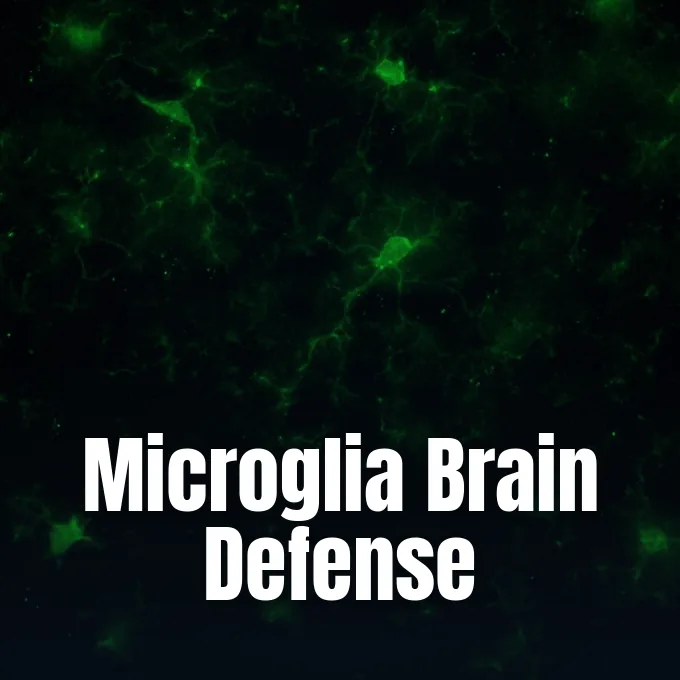
Chronic inflammation does not stop once the blood-brain barrier closes. Low-grade inflammation smoulders inside deeper brain tissues, where resident cells like microglia in brain defense produce ongoing chemical injury. Stripped axons fail to conduct rapid electrical signals and eventually break apart, leaving behind irreversible tissue loss that manifests as permanent neurological impairment across damaged neural pathways [6]. In relapsing illness, local progenitor cells attempt remyelination to rebuild broken sheaths, but repeated inflammatory attacks eventually exhaust these cellular repair reserves over decades of disease activity [4]. Earlier work on multiple sclerosis brain tissue damage traced how permanent plaques accumulate throughout deep cerebral white matter. Brain atrophy develops as injured nerve fibers shrink and die [6].
When nerve fibers break, structural proteins leak into spinal fluid and blood. Investigators measure serum neurofilament light chain (sNfL) to gauge active nerve injury. In a landmark study published in JAMA Neurology, researcher Bjornevik and colleagues at Harvard University showed that serum neurofilament light chain rises years before clinical onset occurs. High sNfL levels correlate with active plaques visible on MRI scans. Testing blood for this protein helps clinicians monitor silent axonal destruction between routine outpatient clinic visits [8].
Common Symptoms and Warning Signs
Because plaques develop throughout the brain and spinal cord, symptoms vary widely between patients [1]. Optic neuritis serves as a common warning sign, causing one-sided vision loss and pain during eye movement. Patients also report Lhermitte’s sign, a sudden electric shock sensation that travels rapidly down the neck and spine into the limbs when bending the head forward [4]. Furthermore, between 60% and 80% of patients experience Uhthoff’s phenomenon, where brief rises in body temperature or fever temporarily worsen existing neurological deficits during daily physical activities [6].
Motor problems impair walking, causing limb weakness, poor balance, and painful muscle spasticity [3]. Spasms in chest wall muscles create a tight, painful band known as an MS hug [6]. Ascending numbness or pins-and-needles sensations in the hands and feet can evolve over days before stabilizing [3]. When demyelinating plaques develop within the brainstem, people experience slurred speech, double vision, involuntary eye movements like nystagmus, and painful swallowing difficulties that interfere with normal daily nourishment [6]. The Driver and Vehicle Licensing Agency (DVLA) in the United Kingdom requires drivers with the disease to notify authorities if motor deficits impair safe vehicle operation [3]. Cognitive processing speed also slows in many patients, although long-term vocabulary, grammar, and general knowledge remain intact throughout the disease course [6].
Chronic fatigue troubles roughly 65% of people with the illness. Between 15% and 40% call it their most disabling daily symptom [6]. The National Institute for Health and Care Excellence (NICE) advises that fatigue stems from both direct nerve inflammation and poor sleep caused by nocturnal pain [3].
Epstein-Barr Virus and Multiple Sclerosis Causes
Epstein-Barr virus (EBV) causes infectious mononucleosis and infects over 90% of adults [6]. In an investigation of 10 million US military personnel in the Department of Defense Serum Repository, 955 service members developed the disease, establishing that the virus ranks among the primary multiple sclerosis causes identified to date. Infection raised risk 32-fold [8].
Professor Alberto Ascherio of Harvard University reported in the journal Science that EBV infection precedes nerve damage biomarkers by several years [8]. BBC News science correspondent James Gallagher detailed how Stanford University immunologist Bill Robinson uncovered the exact molecular mimicry linking EBV to myelin breakdown. Robinson’s team showed in Nature that antibodies generated against the viral protein EBNA1 mistakenly bind to GlialCAM, an essential protective human protein found on central glial cells. Robinson stated: “The virus is inducing a cross reactivity between a viral protein that also looks like a myelin sheath protein, which results in damage that causes the symptoms of MS”. This mistaken immune attack triggers destructive inflammation inside central nervous tissue [2].
Most people carry EBV without developing central nerve inflammation [6]. Ascherio noted a historical parallel with poliovirus, which infected nearly all children in pre-vaccine eras while causing severe paralytic complications in only one in 400 cases. Queen Mary University of London professor Gavin Giovannoni told BBC News that targeting EBV-infected B cells could transform treatment. Scientists are testing antiviral drugs and vaccines to see if suppressing viral reservoirs can halt disease activity. The virus persists in host B cells for life [2].


Multiple Sclerosis Causes and Genetic Risks
Geographic distribution provides clear clues about multiple sclerosis causes and environmental triggers. Dr. Aaron Saguil and colleagues documented in the American Family Physician that prevalence reaches 40 per 100,000 in Lubbock, Texas, compared to 191 per 100,000 in Olmstead County, Minn. [4]. Sunshine stimulates skin synthesis of vitamin D, which supports immune balance [6]. Living far from the equator limits natural vitamin D synthesis during winter months [4]. Lower vitamin D levels weaken normal immune tolerance, increasing risk in genetically predisposed people [6].
Over 200 gene variants influence inherited risk across families, shaping baseline susceptibility. The strongest genetic link is the HLA-DRB1*15:01 allele, carried by roughly 30% of Northern European populations. Identical twins share a 30% concordance rate, whereas nonidentical twins share only 5% and biological siblings about 2.5% [6].
Tobacco use accelerates functional decline in affected patients. Clinical data in American Family Physician show that each smoke-free year slows progression, while each year of active cigarette smoking accelerates secondary progressive disease development by 4.7%. Adolescent obesity and childhood stress also correlate with higher inflammatory activity in young adults [4]. In an unreviewed medRxiv preprint examining 1,813 patients from the international MSBase registry, researcher Jokubaitis and co-authors found that disease severity links to polygenic variants influencing mitochondrial function and central nervous tissue repair. These findings show that inherited variants outside classical immune pathways determine how well brain cells withstand chronic inflammatory stress over time [9].
How Clinicians Diagnose Multiple Sclerosis Causes
Accurate diagnosis requires showing that central nervous lesions developed in different brain regions at separate times. Doctors evaluating multiple sclerosis causes and presentations apply the 2017 McDonald Criteria, which integrate clinical exams, MRI scans, and spinal fluid findings [4]. Objective evidence of dissemination in space and time confirms the diagnosis [7].
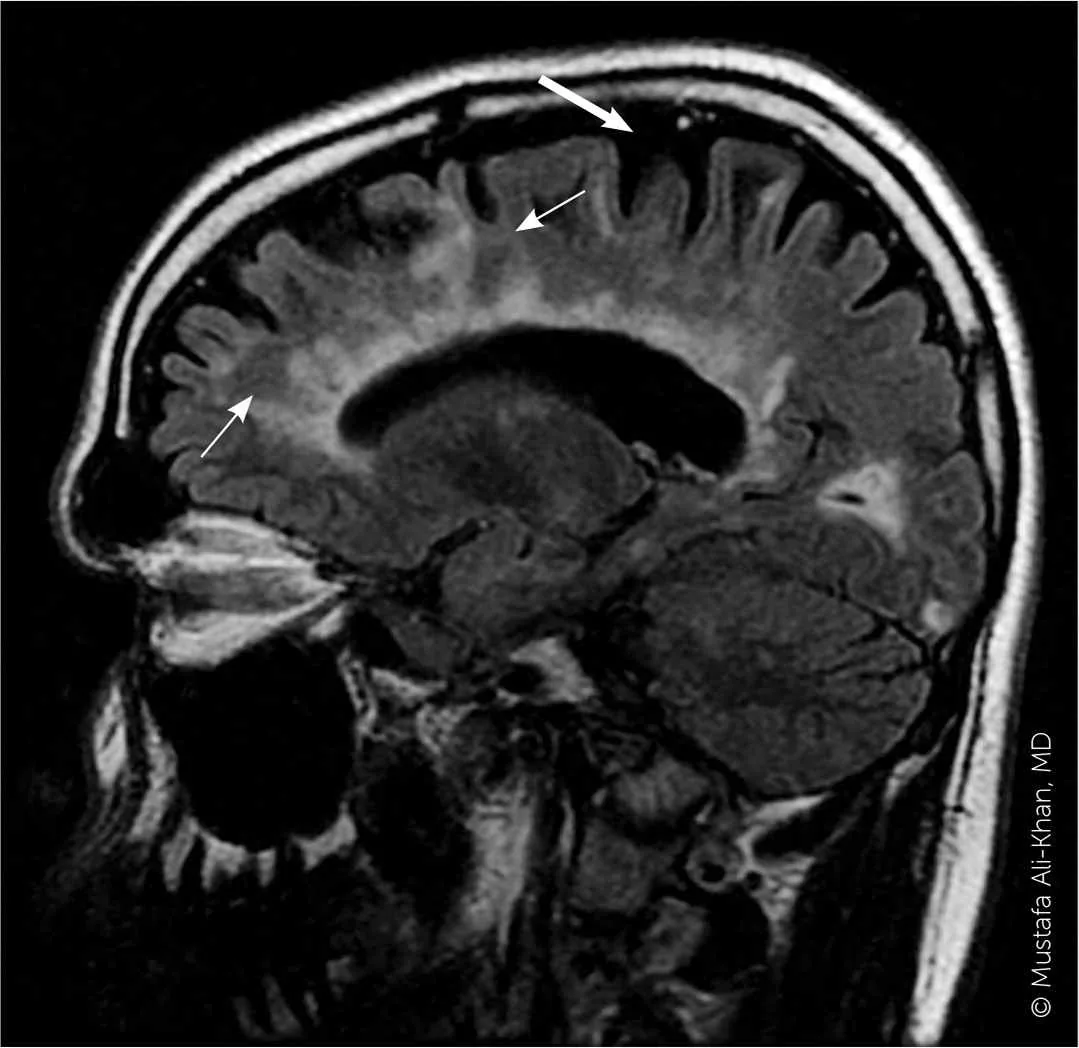
Magnetic resonance imaging (MRI) is the primary tool for locating central demyelinating plaques. Intravenous gadolinium highlights active plaques on T1-weighted scans where broken vascular barriers leak contrast agent into brain tissue. T2-weighted and FLAIR scans display older fluid-rich scars, revealing characteristic finger-like demyelinating plaques known as Dawson fingers that radiate outward along small venules from the lateral ventricles. Spinal cord MRI scans detect focal plaques that rarely extend beyond two vertebral segments, distinguishing the condition from other spinal cord diseases [4]. Neurologist Darin T. Okuda established consensus criteria for radiologically isolated syndrome (RIS), identifying incidental white matter demyelinating lesions on brain MRI scans before any clinical symptoms appear [7]. Up to 40% of people with RIS later develop clinical disease [4].
Lumbar puncture tests provide essential spinal fluid data when scan findings remain uncertain. Lab electrophoresis detects oligoclonal bands of immunoglobulin G, which appear in 75% to 85% of patients and signify chronic central nervous inflammation. Visual evoked potentials record the speed of nerve signals traveling from the retina to the occipital cortex, revealing silent conduction delays from past optic neuritis [7]. These tests help doctors confirm disease activity while ruling out lookalike neurological conditions during comprehensive patient evaluations [4].
Diagnostic Pitfalls in Primary Care
Because no single test confirms the diagnosis, doctors must exclude lookalike disorders [5]. In a retrospective clinical review at the Fleni center in Buenos Aires, Argentina, Dr. M. I. Gaitán and Jorge Correale found an initial misdiagnosis rate of 16%. The most frequent misdiagnoses were cerebrovascular disease, migraine, and radiologically isolated syndrome [10]. Neurologist Andrew J. Solomon of Amsterdam UMC published a consensus review in The Lancet Neurology with co-author Ruth Ann Marrie, listing clinical red flags that signal alternative diagnoses [5].
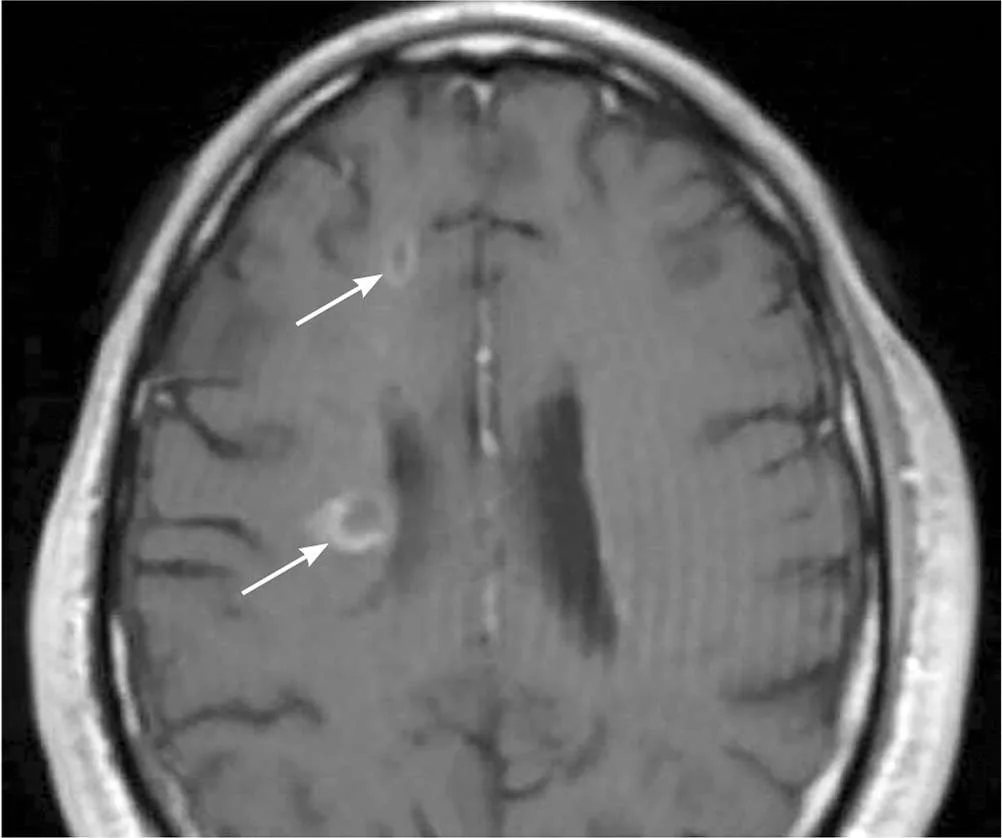
A difficult diagnostic challenge arises with tumefactive demyelination, where solitary brain plaques exceed 2.0 centimeters across and exert mass effect on surrounding brain tissue. These large lesions mimic glioblastoma tumors or bacterial abscesses on MRI scans, sometimes leading to unnecessary brain surgery. Contrast scans often reveal an open ring of enhancement pointing toward the cerebral cortex, helping specialists distinguish the plaque from cancer. Other atypical demyelinating conditions in the differential diagnosis include Balo concentric sclerosis, Schilder’s disease, and acute disseminated encephalomyelitis. Careful neuroimaging evaluation with post-contrast MRI distinguishes these inflammatory demyelinating lesions from malignant brain tumors before any invasive surgical resections or unnecessary needle biopsies occur [6].

Neuromyelitis optica spectrum disorder (NMOSD) was once considered a severe variant of multiple sclerosis. Serological tests show NMOSD is caused by antibodies against aquaporin-4. MOG antibody-associated disease also causes optic neuritis [7]. Proper differentiation is crucial because standard multiple sclerosis drugs like interferon beta can worsen NMOSD attacks [6].
Current Therapies for Long-Term Management
Because multiple sclerosis causes recurrent neural inflammation, treating acute attacks focuses on calming flare-ups quickly. High-dose steroids like methylprednisolone (1,000 mg daily for three days) form the first-line therapy. Oral and intravenous steroids show equal recovery rates. When steroids fail, plasma exchange removes harmful antibodies from circulating blood [4].
Long-term care relies on disease-modifying therapies (DMTs) that cut relapse rates and slow disability progression. In 1993, the US Food and Drug Administration approved interferon beta-1b (Betaseron, Extavia), opening the modern treatment era. Today, clinicians prescribe self-injected drugs, oral pills, and intravenous monoclonal antibodies that target B cells [4]. The World Health Organization works closely with civil society partners like the Multiple Sclerosis International Federation (MSIF) to add essential DMTs to the WHO Model List of Essential Medicines. This global initiative aims to lower drug prices and expand access for patients in low-income and middle-income nations where modern medications remain scarce [1].
Comprehensive care requires a multidisciplinary team of neurologists, specialized nurses, physiotherapists, and dietitians. NICE guidelines recommend regular aerobic exercise and resistance training to preserve balance and manage fatigue. Patients with an Expanded Disability Status Scale (EDSS) score of 4 or higher benefit substantially from supervised aerobic exercise paired with structured cognitive behavioral self-management techniques [3]. Combining medical treatments with healthy lifestyle choices and family support helps people live active lives despite their diagnosis [1].
- WEBSITE World Health Organization. (2023). Multiple sclerosis. World Health Organization Newsroom. [Article Link]
- ONLINE NEWS Gallagher, J. (2022). Is a virus we all have causing multiple sclerosis? BBC News. [Article Link]
- REPORT National Institute for Health and Care Excellence. (2022). Multiple sclerosis in adults: Management (NICE Guideline NG220). [Article Link]
- ACADEMIC JOURNAL Saguil, A., Farnell, E. A., & Jordan, T. S. (2022). Multiple sclerosis: A primary care perspective. American Family Physician, 106(2), 173-182. [Article Link]
- ACADEMIC JOURNAL Solomon, A. J., Arrambide, G., Brownlee, W. J., Flanagan, E. P., Amato, M. P., Amezcua, L., Banwell, B. L., Barkhof, F., Corboy, J. R., Correale, J., Fujihara, K., Graves, J., Harnegie, M. P., Hemmer, B., Lechner-Scott, J., Marrie, R. A., Newsome, S. D., Rocca, M. A., Royal, W.,. Cohen, J. A. (2023). Differential diagnosis of suspected multiple sclerosis: An updated consensus approach. The Lancet Neurology, 22(8), 750-768. [Article Link]
- WEBSITE Wikipedia contributors. (2026). Multiple sclerosis. Wikipedia, The Free Encyclopedia. [Article Link]
- WEBSITE Wikipedia contributors. (2026). Diagnosis of multiple sclerosis. Wikipedia, The Free Encyclopedia. [Article Link]
- ACADEMIC JOURNAL Bjornevik, K., Cortese, M., Healy, B. C., Kuhle, J., Mina, M. J., Leng, Y., Elledge, S. J., Niebuhr, D. W., Scher, A. I., Munger, K. L., & Ascherio, A. (2022). Longitudinal analysis reveals high prevalence of Epstein-Barr virus associated with multiple sclerosis. Science, 375(6578), 296-301. [Article Link]
- PREPRINT Jokubaitis, V. G., Ibrahim, O., Stankovich, J., Kleinova, P., Matesanz, F., Hui, D., Eichau, S., Slee, M., Lechner-Scott, J., Lea, R., Kilpatrick, T. J., Kalincik, T., De Jager, P. L., Beecham, A., McCauley, J. L., Taylor, B. V., Vucic, S., Laverick, L., Vodehnalova, K.,. Patsopoulos, N. (2022). Not all roads lead to the immune system: The genetic basis of multiple sclerosis severity implicates central nervous system and mitochondrial involvement. medRxiv. [Article Link]
- ACADEMIC JOURNAL Gaitán, M. I., Sanchez, M., Farez, M. F., Fiol, M. P., Ysrraelit, M. C., Solomon, A. J., & Correale, J. (2022). The frequency and characteristics of multiple sclerosis misdiagnosis in Latin America: A referral center study in Buenos Aires, Argentina. Multiple Sclerosis Journal, 28(9), 1373-1381. [Article Link]


