





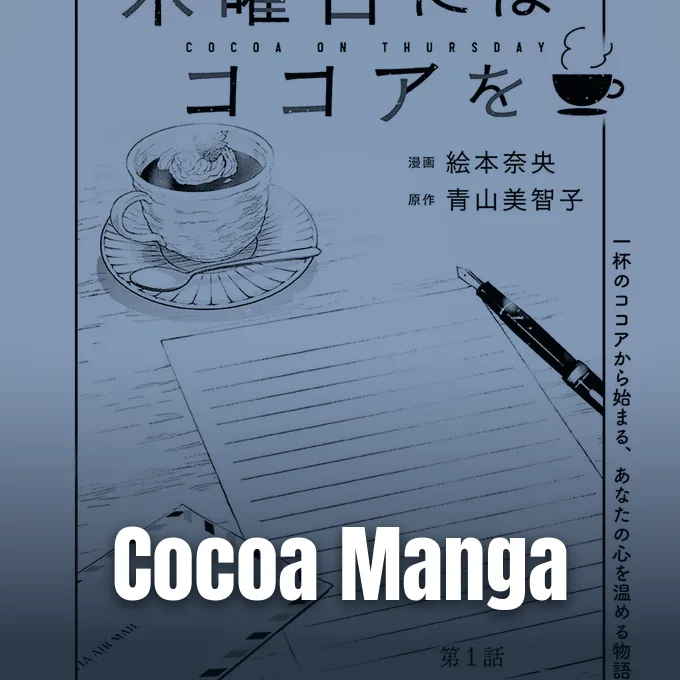
Manga artist Nao Emoto launched a serialized adaptation of Michiko Aoyama’s novel Mokuyōbi ni wa Cocoa o on Tuesday, October 20, 2026. Readers following the new Nao Emoto manga can read installments in print and online through publisher Takarajimasha, which released the debut chapter in Liniere magazine and on Takarajima Sugoi! Web. The story centers on a quiet coffee shop where a regular customer orders cocoa every Thursday, setting off personal connections linking Tokyo and Sydney [2].
Nao Emoto Manga Debut Details
Takarajimasha launched the comic serialization on October 20, 2026, releasing the opening chapter through two reading portals at once [2]. Online readers accessed the chapter on Takarajima Sugoi! Web, while fashion readers received it through the official website for Liniere [4]. Social media fan channels like otaku_news01 also tracked the debut, confirming that both web outlets began hosting the comic on Tuesday [3].
The debut installment carries the Japanese subtitle “Brown/Tokyo” to introduce the opening chapter’s central color palette. In introductory material published on Liniere.jp, the editorial team described the overarching plot as “twelve stories of color connecting Tokyo and Sydney,” showing how small human choices link people living thousands of miles apart. The narrative avoids fast action or dramatic confrontation, focusing instead on quiet cafe conversations that gradually build into deeper emotional bonds between characters who cross paths each week. Subtitle labels throughout the serialization pair colors with city names. The comic moves at an unhurried pace [4].
Takarajimasha arranged the release so that readers who can’t pick up the physical magazine can still read new installments online. Takarajimasha prints new chapters in monthly physical issues of Liniere, and it keeps digital preview chapters available on Takarajima Sugoi! Web. Both reading platforms host the work today [5].
Inside Marble Cafe
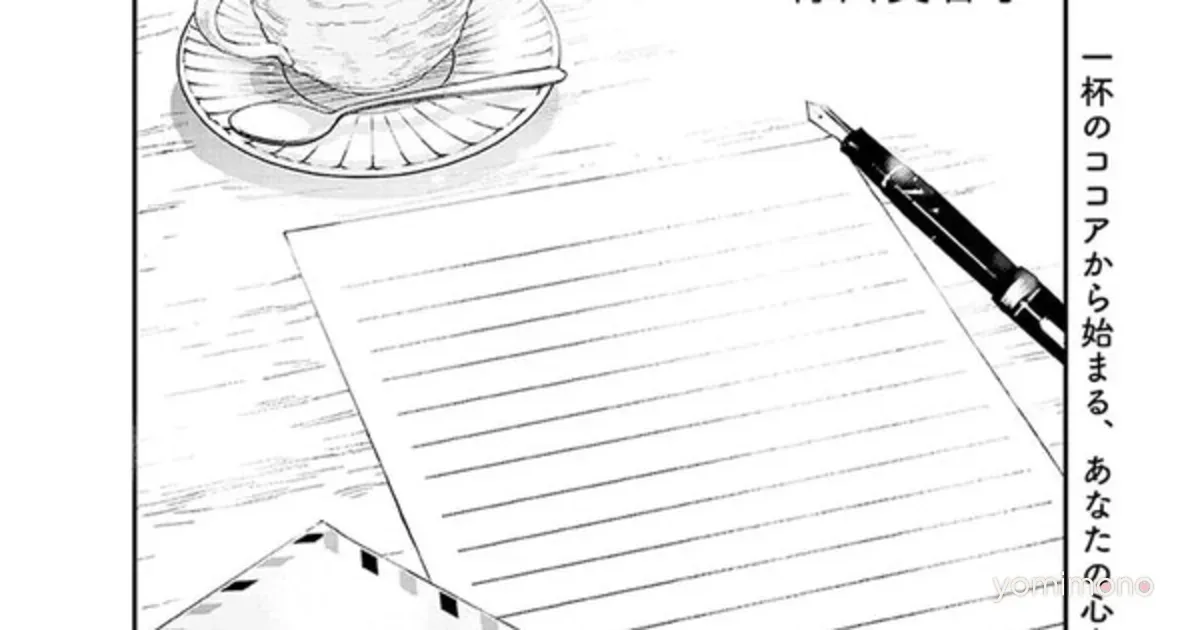
The narrative takes place at Marble Cafe, a small coffee shop nestled beside a peaceful row of cherry trees along a riverbank. Marble Cafe’s quiet atmosphere sets the mood for the entire series, giving city dwellers a calm space where their daily habits unfold. Her early chapters stay intimate [4].
The plot unfolds through the eyes of a barista who works behind the counter and observes the regular visitors who walk into the coffee shop every week. Every Thursday, a woman arrives at Marble Cafe, takes the exact same seat, orders a cup of hot cocoa, and spends her visit writing a letter. Yomimono summarized this steady routine as “one barista, one Thursday regular, one cup of cocoa, one letter, and a day when her mood does not match the routine”. When her usual expression shifts on one particular visit, the routine breaks, and that single small difference begins to touch other lives through everyday household routines like cooking rolled omelet and cleaning off forgotten nail polish [2].
The narrative builds on modest daily habits, turning away from loud conflicts. The source material weaves together ordinary moments such as “making rolled omelet, ordering cocoa, forgetting to remove nail polish,” showing how small decisions carry quiet emotional weight. Simple daily interactions connect complete strangers [4].

Michiko Aoyama’s Source Material
Michiko Aoyama published the original novel Mokuyōbi ni wa Cocoa o in August 2017 through Takarajimasha. Exactly five years later, in August 2022, Michiko Aoyama released a related companion novel titled Itsumo no Mokuyōbi. Because Michiko Aoyama had already written two full volumes around Marble Cafe, the comic has two books of material behind it [2].
Michiko Aoyama was born in 1970 and currently lives in Yokohama. After graduating from university, she moved to Australia and worked as a reporter for a Japanese-language newspaper in Sydney, an experience that shaped the Australian setting of her first published novel. She later returned to Japan to work as a magazine editor at a publishing house before dedicating her career to writing fiction [5].

Her debut novel earned early recognition by winning the 1st Miyazaki Book Award, building her reputation for compassionate character studies. Her sequel novel Getsuyōbi no Matcha Cafe won the 1st Kengo Award, and her book Neko no Otsuge wa Ki no Shita de gained wide readership under Takarajimasha. Her 2021 book placement placed second in the national booksellers vote, and its English translation became the only Japanese title selected for TIME magazine’s 100 Must-Read Books of 2023. She subsequently earned five consecutive nominations for the booksellers vote with titles including Aka to Ao to Esquisse, Tsuki no Tatsu Hayashi de, Recovery Kabahiko, and Ningyo ga Nigeta [5].
Nao Emoto Manga Career Context
The series adds another serialized title to the Nao Emoto manga catalog, continuing a busy schedule for Nao Emoto. Emoto previously drew the manga adaptation of Risuka, which concluded in December 2024 after completing its serialization run. On May 1, 2026, she launched a comic version of The Strongest Sage With Zero Magic Power [2].
That work joined a busy stretch for Nao Emoto, who also saw Hikari debut the Mashimesa Emoto manga in Champion Buzz. Working in multiple genres gives Emoto experience with different pacing styles, but her character work fits Marble Cafe conversations especially well. Subtle visual storytelling guides each panel [4].
While mobile readers often follow digital apps, such as when the Emaqi manga platform adds exclusive series to its digital lineup, Takarajimasha relies on regular magazine readers. Emoto’s artwork fits Liniere’s lifestyle focus, translating quiet conversations into clean panel layouts. Quiet conversations set the tone [4].
Magazine and Web Access
Readers can access the new chapters through Takarajima Sugoi! Web, where Takarajimasha hosts digital previews and serialization updates [5]. Meanwhile, physical copies appear in Liniere, a monthly lifestyle magazine known for its coverage of fashion, home decor, and gentle literature. Publishing in both formats allows Takarajimasha to connect with print subscribers and web readers [4].
Because the Nao Emoto manga builds on two published books, the creative team has plenty of source material to adapt over future installments without needing filler episodes. The 2017 original novel and its 2022 companion book Itsumo no Mokuyōbi provide a full cast of interconnected characters who visit Marble Cafe in different seasons and share their personal worries. Each chapter focuses on a different patron, giving the comic an episodic format where individual stories stand on their own while contributing to the larger whole. The cafe remains a steady meeting place across changing weather [2].
The first chapter sets a calm rhythm that matches the tone of Michiko Aoyama’s prose [4]. As new installments roll out in Liniere and on Takarajima Sugoi! Web, fans of Michiko Aoyama and Nao Emoto can follow the series on a regular monthly schedule. New installments arrive monthly [5].
- ONLINE NEWS Anime News Network. (2026, October 21). Nao Emoto launches manga of Mokuyōbi ni wa Cocoa o novel. [Article Link]
- ONLINE NEWS Yomimono. (2026, October 21). Nao Emoto draws manga of Michiko Aoyama’s Cocoa novel. [Article Link]
- WEBSITE otaku_news01. (2026, October 21). Nao Emoto ha lanzado una adaptación a manga de las novela de Mokuyoubi ni wa Cocoa o. Instagram. [Article Link]
- WEBSITE Liniere Editorial Department. (2026, October 20). Shin rensai Mokuyōbi ni wa Cocoa o dai 1-wa: Ninki shōsetsu ga manga ni natte Rinieru de rensai sutāto. Liniere.jp. [Article Link]
- WEBSITE Takarajimasha. (2026, October 20). Tameshiyomi: Mokuyōbi ni wa Cocoa o. Takarajima Sugoi! Web. [Article Link]


