






Consumer interest in sustainable food is pushing food scientists to rethink how everyday meals come from local agriculture. In the Protein-I research initiative, investigators Anne Nugent, Moira Dean, and Tony Benson examined how shoppers respond to Irish crops intended to replace imported animal feed and soy [1]. Many shoppers want familiar options like pea crisps, hearty pastas, and plant milks, but they also seek simple ingredient lists without complicated industrial processing [2]. The findings appeared in The Conversation and Medical Xpress, showing that everyday grocery buyers want transparent plant-based options that support local growers and lower greenhouse emissions from livestock [1].
Consumer Interest in Pea Crisps
The participants met in five workshops. During these focus group sessions arranged across Ireland and Northern Ireland for the Protein-I project, Anne Nugent, Moira Dean, and Tony Benson invited 38 shoppers to assess new plant protein concepts [1]. The shoppers evaluated how Irish farms could produce barley, oats, field peas, rye, and wheat for human food instead of animal feed [2]. Shoppers repeatedly asked for familiar meals like porridge, crackers, and vegetable pasta [1].
Group discussions produced several creative grocery proposals, including wheat and barley pasta, crunchy pea crisps, and a plant-based tuna prototype dubbed toona [1]. When Anne Nugent and Moira Dean asked participants what sustainability meant during weekly food shopping, shoppers pointed to local origin and short supply routes. One participant said: “How it’s like made …what it is or where it comes from, ye know?” Another shopper agreed, saying: “If I’m shopping and I see something that’s been flown in from Kenya; beans or something, no I wouldn’t buy. I always go for something that’s local.” [2].
Shoppers avoided items flown thousands of miles. Buying food from nearby Irish farms felt like an effective way to protect the environment and secure fresh produce [2]. Anne Nugent and Tony Benson noted that clear Irish provenance builds strong trust with shoppers [1].
Crops Tested Across Local Farms
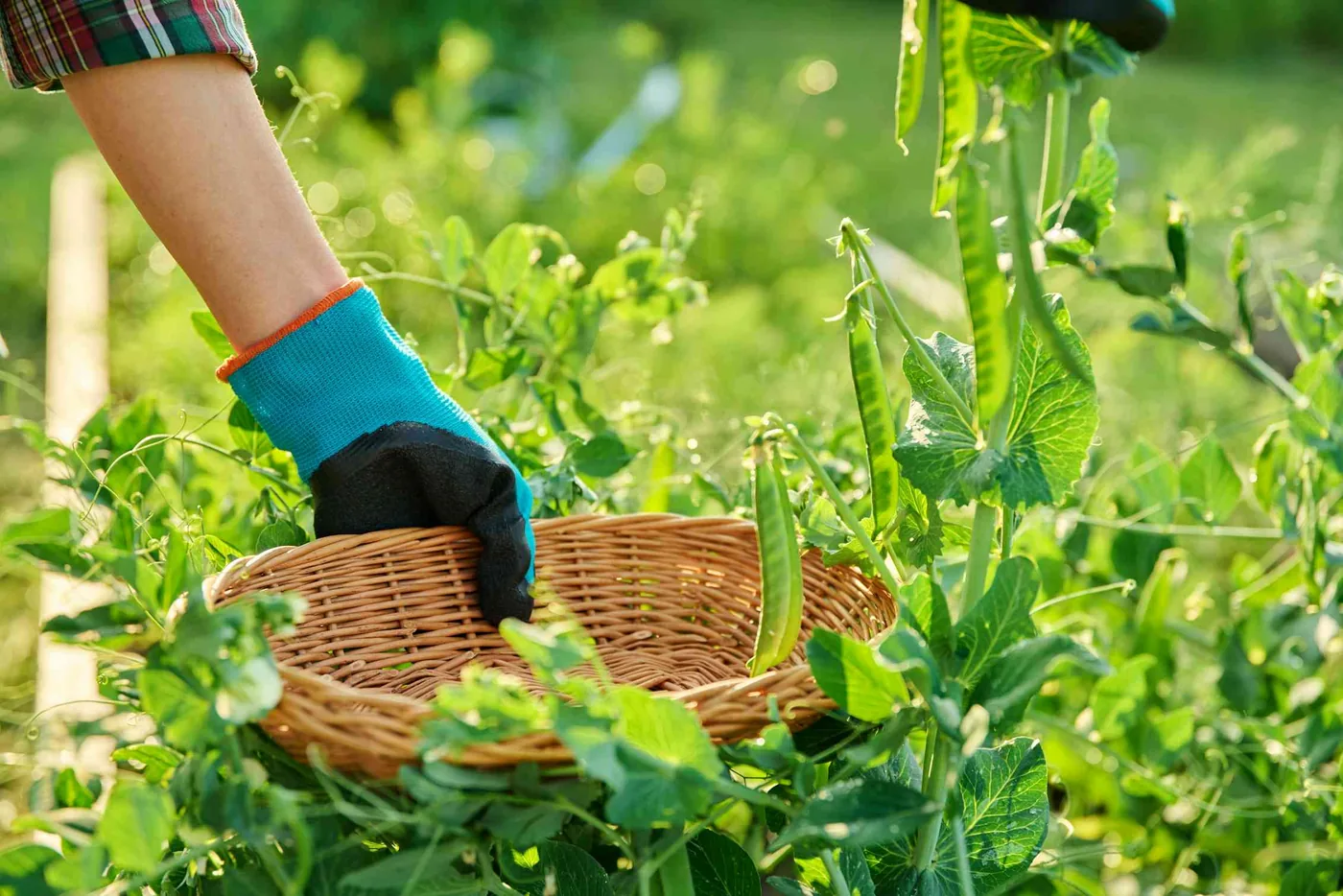
Field trials took place on working farms. Agronomists evaluated whether specific grain and legume varieties could produce dependable harvests under damp Irish weather conditions [2]. The harvest data showed that Irish soils can yield oats, barley, wheat, rye, and peas in high volume and with good protein quality for human food [1]. Most of these crops previously went to cattle feed [2].
Replacing imported soy with Irish grains protects local farm revenue and cuts long shipping routes [1]. While some biotechnology initiatives show how microbial synthesis converts waste byproducts into edible proteins, the Protein-I study focuses on soil-grown grains and legumes. In its coverage of the Protein-I trials, Medical Xpress highlighted clinical nutrition and healthy eating categories, emphasizing that domestic crops can reduce meat-related carbon emissions without forcing families to change their culinary traditions [2].
Agronomists found that legume crops benefit farm soils. Peas fix nitrogen naturally, which cuts the synthetic fertilizers Irish farmers buy each spring [1]. This soil benefit strengthens farm stability across Ireland and Northern Ireland [2].
How Pea Crisps Are Made
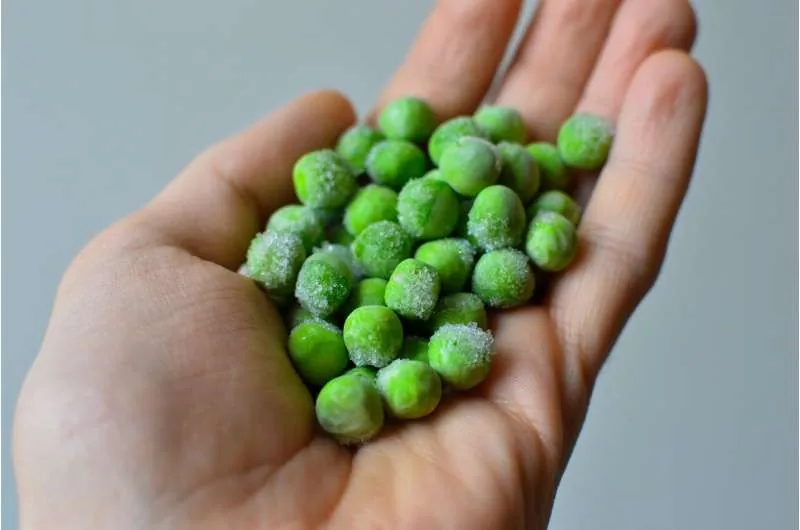
Making crunchy pea crisps requires blending milled pea flour with cereal starches and simple seasonings [1]. Workshop participants in Ireland proposed blending pea flour with onion seasonings and wheat starch to create baked snack chips that provide protein with a crisp bite [2]. Snack buyers want food that is convenient to eat at work [1].
The 38 participants voted on their favorite concepts after discussing them with food specialists [1]. Snack crisps and pasta attracted strong interest, but the final ballot favored two staple products: a vegetarian bolognese and flavored protein oat milk [2]. Anne Nugent, Moira Dean, and Tony Benson pointed out that both winning foods build on meals that Irish households already make at home [1]. Medical Xpress reported that these familiar recipes allow families to adopt plant proteins without complex kitchen preparation [2].
Familiar recipes help plant proteins succeed. A rich plant bolognese lets parents cook familiar family dinners that children already enjoy [1]. Flavored oat milk substitutes smoothly for dairy milk in morning tea and breakfast cereal bowls [2].

Concerns Over Ultraprocessed Foods
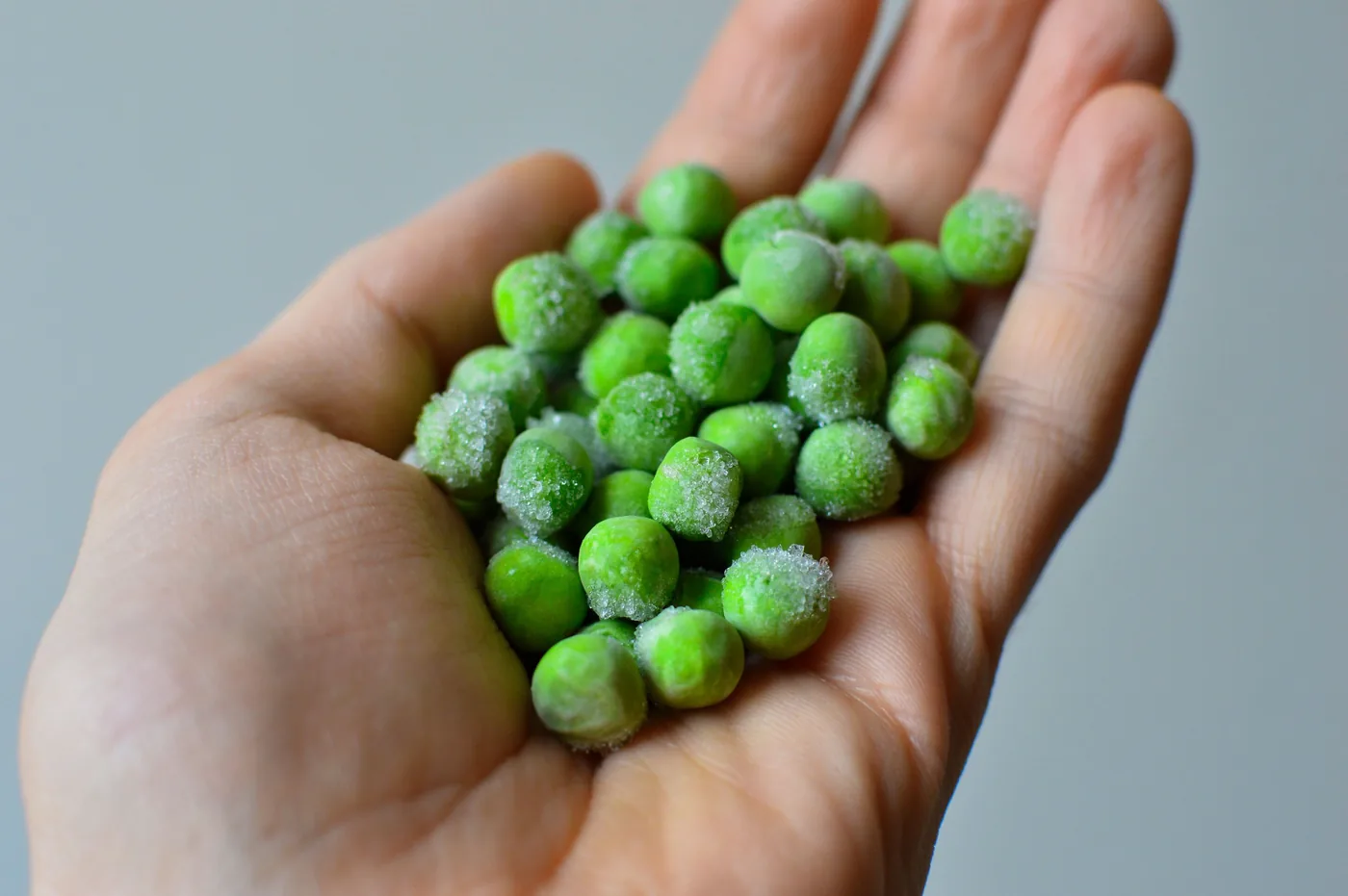
Specialists voiced serious reservations about peas. Food scientists and industry specialists interviewed by Anne Nugent and Moira Dean warned that peas carry an earthy taste and strong green color that can put some shoppers off [2]. Refining pea flour to remove flavor and pigment takes intensive factory processing [1].
Shoppers actively avoid ultraprocessed foods because they dislike artificial additives and heavy manufacturing [2]. Legume proteins present similar processing puzzles in food science; for example, PerEXP Teamworks reported how researchers modified legume proteins to weaken allergen risks in laboratory tests. Anne Nugent and Tony Benson stated that keeping ingredient lists short remains the central hurdle when producing pea crisps and seafood alternatives [1].
Shoppers refuse to trade health for sustainability. Consumers want to lower carbon footprints, but they reject products filled with chemical gums and heavy protein concentrates [2]. Protein-I researchers said clean recipes are essential for lasting consumer acceptance [1].
Tracking Food Origins With Digital Codes
To satisfy consumer demand for authentic Irish sourcing, the Protein-I team developed a digital track-and-trace system for regional food supply chains [1]. Agri-food researchers Martin, Cowderoy, Rafferty, Cadden, McIvor, and Brennan described how digital supply chain architectures support food provenance in Lecture Notes in Networks and Systems. The software connects farm grain batches to a unique QR code on retail food labels, allowing shoppers in Ireland and Northern Ireland to scan packages and inspect crop origins, farm journeys, and carbon measurements [3].
Clear crop origin data builds shopper confidence [1]. When food labels show that grains came from Irish fields, consumers feel certain that their grocery money supports local growers [2]. Verifiable QR codes replace vague marketing promises with audited agricultural facts [3].
Traceability informs everyday grocery decisions. When buying pea crisps or oat drinks, shoppers can confirm that ingredients did not travel through long global shipping chains [1]. This transparent tracking helps shoppers verify sustainability claims directly on store shelves [3].
Future Steps for the Protein-I-2 Study
Hands-on baking proved popular with consumers. The Protein-I team ran a practical bread-making session with Irish-grown flours, and participants reported a deeper appreciation for local grain varieties [1]. Attendees left the workshop with clear intentions to buy Irish cereal products in local shops [2].
Following these focus group findings, Anne Nugent, Moira Dean, and Tony Benson launched a follow-on project named Protein-I-2 [1]. This follow-on project investigates how to formulate minimally processed recipes from crops grown in Ireland and Northern Ireland without relying on heavy refining methods [2]. The research team collaborates with farmers, processors, and shoppers to design plant foods that taste good, stay affordable, and protect the environment [1].
The new project focuses on everyday staples. Food scientists will test gentle milling methods for barley, oats, and peas to protect natural nutrients and fiber [1]. If successful, the Protein-I-2 trials could establish a sustainable food blueprint for Ireland and Northern Ireland [2].
- ONLINE NEWS Nugent, A., Dean, M., & Benson, T. (2026, November 27). Plant-based ‘tuna’ or pea crisps? Focus groups suggest new recipes for local, sustainable protein alternatives. The Conversation. [Article Link]
- ONLINE NEWS Benson, T., Nugent, A., & Dean, M. (2026, November 27). Plant‑based ‘tuna’ or pea chips? Focus groups suggest new recipes for local, sustainable protein alternatives. Medical Xpress. [Article Link]
- BOOK CHAPTER Martin, T., Cowderoy, T., Rafferty, J., Cadden, T., McIvor, R., & Brennan, L. (2023). Secure, Transparent, Supply Chain Supporting Agri-Food Provenance and Sustainability. Lecture Notes in Networks and Systems, 185-196. [Article Link]
APA 7: PerEXP Teamworks. (2026, November 28). Protein-I Focus Groups Back Pea Crisps and Local Cereals. PerEXP Teamworks. https://perexpteamworks.com/en/pea-crisps-local-protein-trials/


