




Kotaku published its Phantom Blade Zero review on November 13, 2026, evaluating developer S-Game’s martial arts action release over 65 hours of play on PC and PlayStation 5. Reviewers Imran Khan and Ethan Gach praised the fast parry combat, but they found the overarching narrative confusing. S-Game launched the game on October 28, 2026 [1].
Phantom Blade Zero Review Details Fast Parry Combat
The core combat in Phantom Blade Zero feels closer to classic 3D Ninja Gaiden or Onimusha: Way of the Sword than FromSoftware titles like Sekiro during frantic enemy encounters. Action games reward patience. In contrast, S-Game demands forward pressure and instant reaction speed. Enemies strike without pause. Soul must tap parry buttons continuously as incoming flurries land across the screen, trusting defense to absorb the blow. Khan said this bold posture proved to be the hardest hurdle of the game, because S-Game built an extreme wushu simulator that values raw speed over intricate weapon combos [1].
Soul can keep the block button pressed down and still trigger swift counterattacks or dodge away from unblockable strikes. The timing window gives enough leeway that holding defense and tapping parry protects Soul through heavy barrages without forcing players to retreat. It changes how players perceive defense [1].
Other outlets reported that reviews praise combat and weapon variety during the campaign. But Khan pointed out that the mechanical foundation stays simple once players master parry timings. Deflecting blows generates dopamine and opens vulnerability windows, but success depends on rapid finger reflexes rather than intricate branching combat decisions during major boss duels [1].
Story Lore and Pacing Problems
Combat earned strong praise, but storytelling created noticeable friction for Ethan Gach and Imran Khan. Khan reported that dialogue dumps dozens of unexplained proper nouns on the audience right away, drawing direct comparisons to the confusing opening hours of Final Fantasy XIII. Players piece together lore fragments as they try to comprehend the state of the ruined world, yet the script gives little indication whether cataclysms occurred last year or a century ago. Lore hides everywhere. S-Game scattered background details across cutscenes, magic audio logs, collectible scrolls, and weapon archives. Khan spent hours reading enemy logs just to identify rival factions, including the Thread-Binding Sect and the Baishan Sect [1].
References to the Order, the Mandate, and Transcension rituals deepened narrative confusion. Khan said this steady barrage of proper nouns made early progression feel burdensome instead of engaging because dialogue rarely pauses to establish basic stakes or character motivations. The writers treat events as a mystery, but players struggle to determine whom Soul is fighting [1].
Pacing stalls during the narrative climax. To explain major revelations, S-Game stops gameplay for a 20-minute sequence styled after traditional Chinese Opera with shadow puppets. Khan said that this theatrical detour disrupted game momentum right when players simply wanted to test their blades against the next major boss adversary waiting in line [1].

Boss Variety and Gimmick Battles
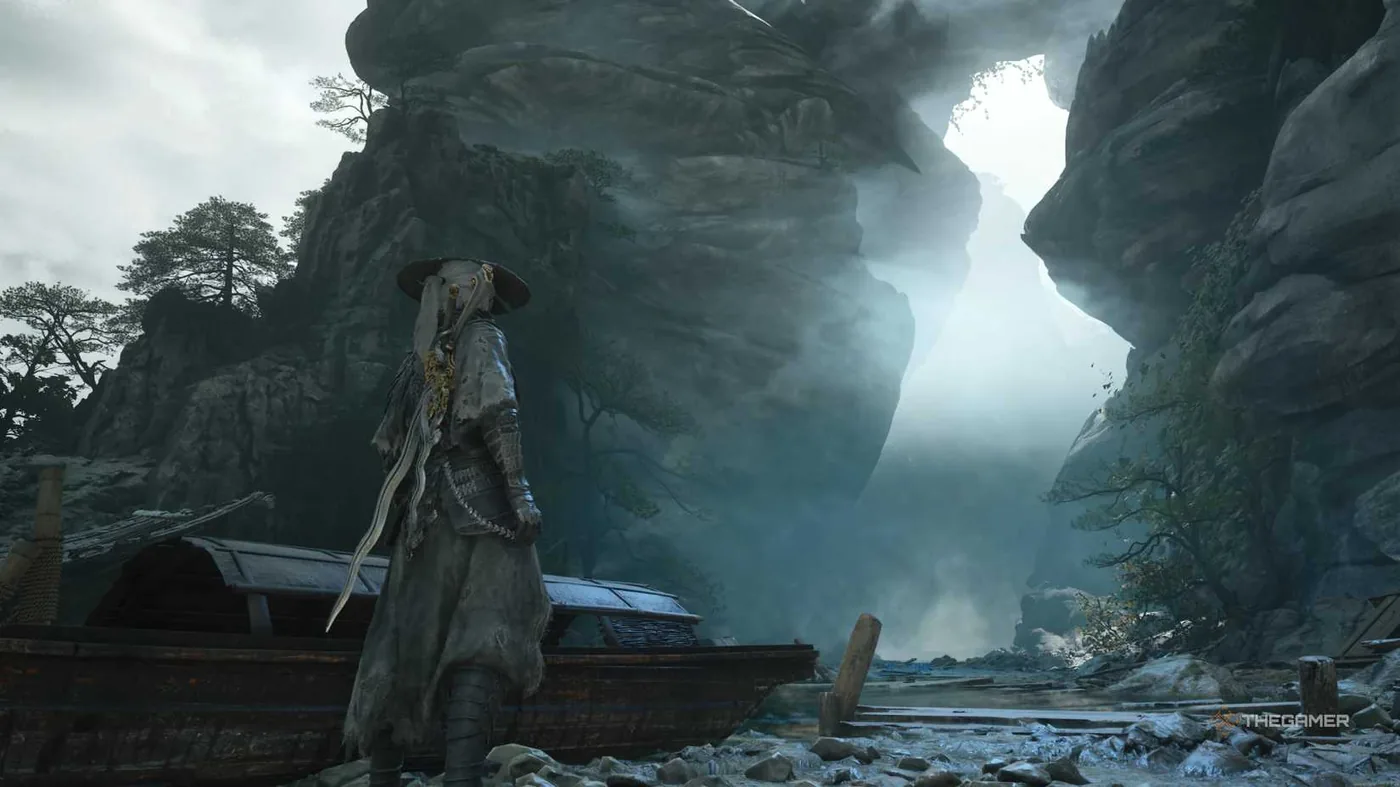
Boss battles shine. Despite narrative hurdles, Phantom Blade Zero pits Soul against formidable adversaries every few minutes, though encounter quality swings wildly between inventive duels and frustrating gimmicks. Khan praised a rival duel where Soul defends himself against his former student and two bodyguards. The battle begins as a crisp sword duel before escalating into a second phase where the student transforms into a pugilist with iron fists, culminating in a three-on-one showdown at sunset. Another encounter pits Soul against fire-spitting Lion Dancers. Midway through, the lead dancer balances on tall arena poles and trades fireballs with Soul [1].
The pole-hopping sequence breaks up combat, but large boss health bars drag out action. Khan pointed out that chipping away at inflated boss health pools turns inventive combat concepts into repetitive tests of patience during prolonged half-hour encounters inside closed arenas [1]. The duel looks visually impressive, but it overstays its welcome.
Frustration increases when specific gimmick bosses limit player options. One encounter punishes Soul for parrying, and another restricts damage until specific attacks get deflected. Because balance across these gimmick encounters drew early criticism, S-Game updates Phantom Blade Zero with boss tweaks to improve combat flow, adjust health pools, and reduce artificial friction.
Reaching the Mountain of Imprisonment
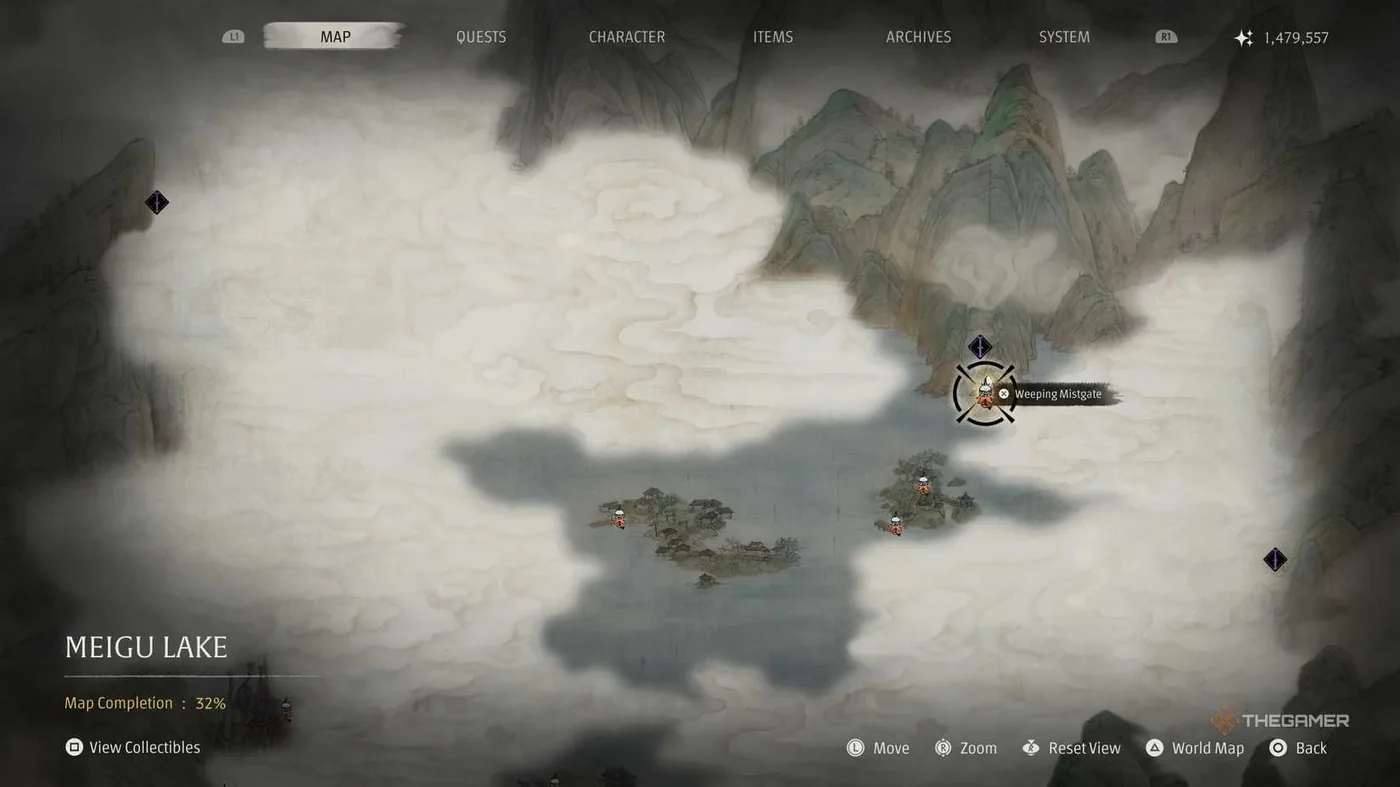
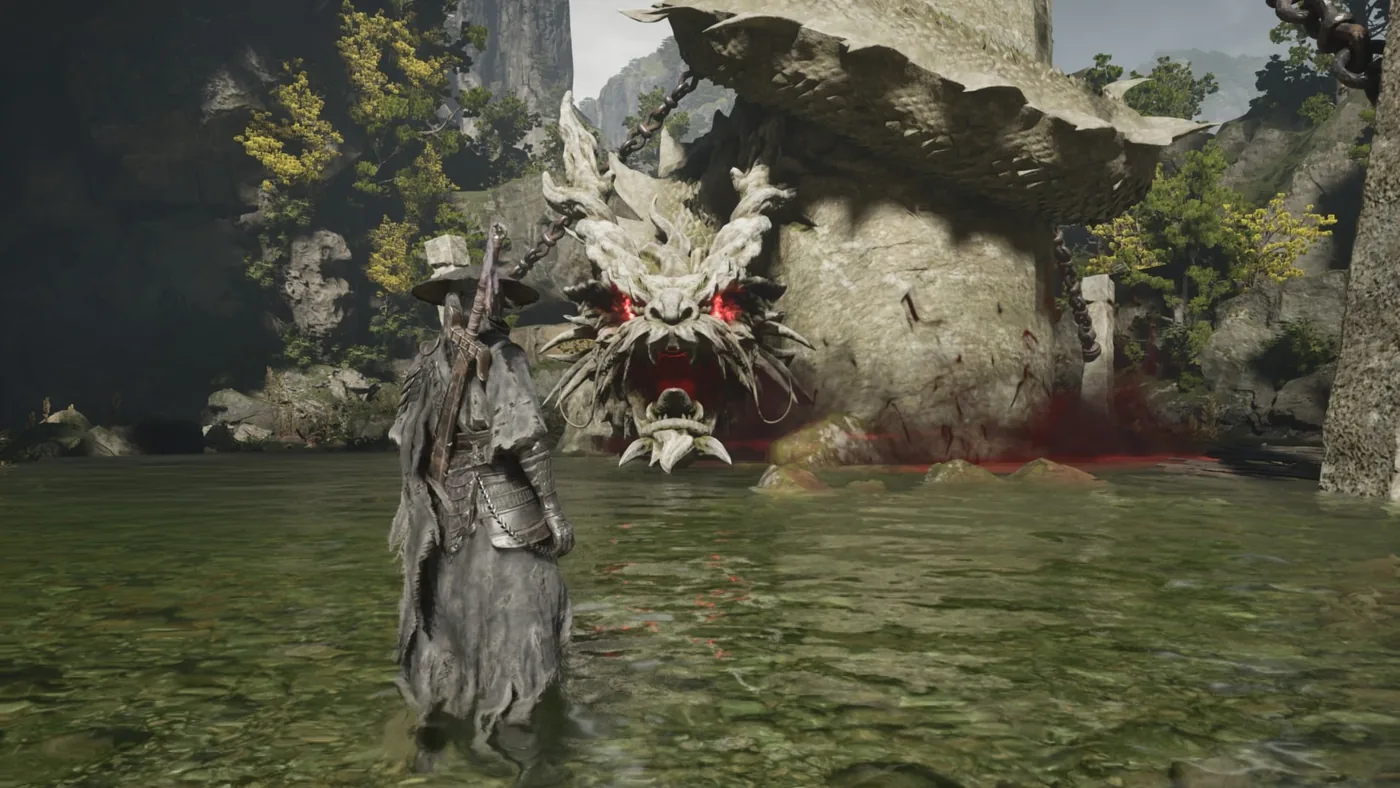
Outside closed arenas, Soul navigates regions in Phantom Blade Zero connecting major boss locations. Nick Rivera at TheGamer published a navigation guide detailing how players access the penultimate zone known as the Mountain of Imprisonment before facing the final late-game challenges. This zone features scaled-up enemies from Weeping Creek Valley that deal heavier damage and demand sharper defensive timing [2].
To reach the mountain, players cross Meigu Lake after leaving the city of Pangzhen. Near the Pavilion of Knowledge Crossroads bell, a dying man directs Soul toward a long stone staircase leading down to the docks. Players board a Sha Chi boat to cross the water. Rivera said visiting every island on Meigu Lake remains optional, but stopping at Meigu Village and the White Serpent house yields valuable crafting materials, healing items, and upgrades [2]. Either the Whence the Weeping quest line or the Pillars of Kunlun marker guides Soul directly toward the weeping mistgate.
To bypass the weeping mistgate, players must complete the Illusory Pipa quest line to obtain a vital Phantom Edge. Without this item, the mist barrier to the mountain cannot be breached. Players travel to the Meigu Songhouse island to confront Yan Qiansui, also known as The Zither Maiden. Victory over Yan Qiansui yields the instrument’s strings, which must be paired with the head, neck, and body components found across Meigu Lake. Soul brings these parts to Myst’s Tavern, where Myst reconstructs the Illusory Pipa so Soul can dispel the mist barrier and begin climbing the mountain peak [2]. Rivera said that connecting weapon crafting to environmental barriers forces players to engage with side content before advancing.
Kotaku’s Phantom Blade Zero Review Rates Endgame Content
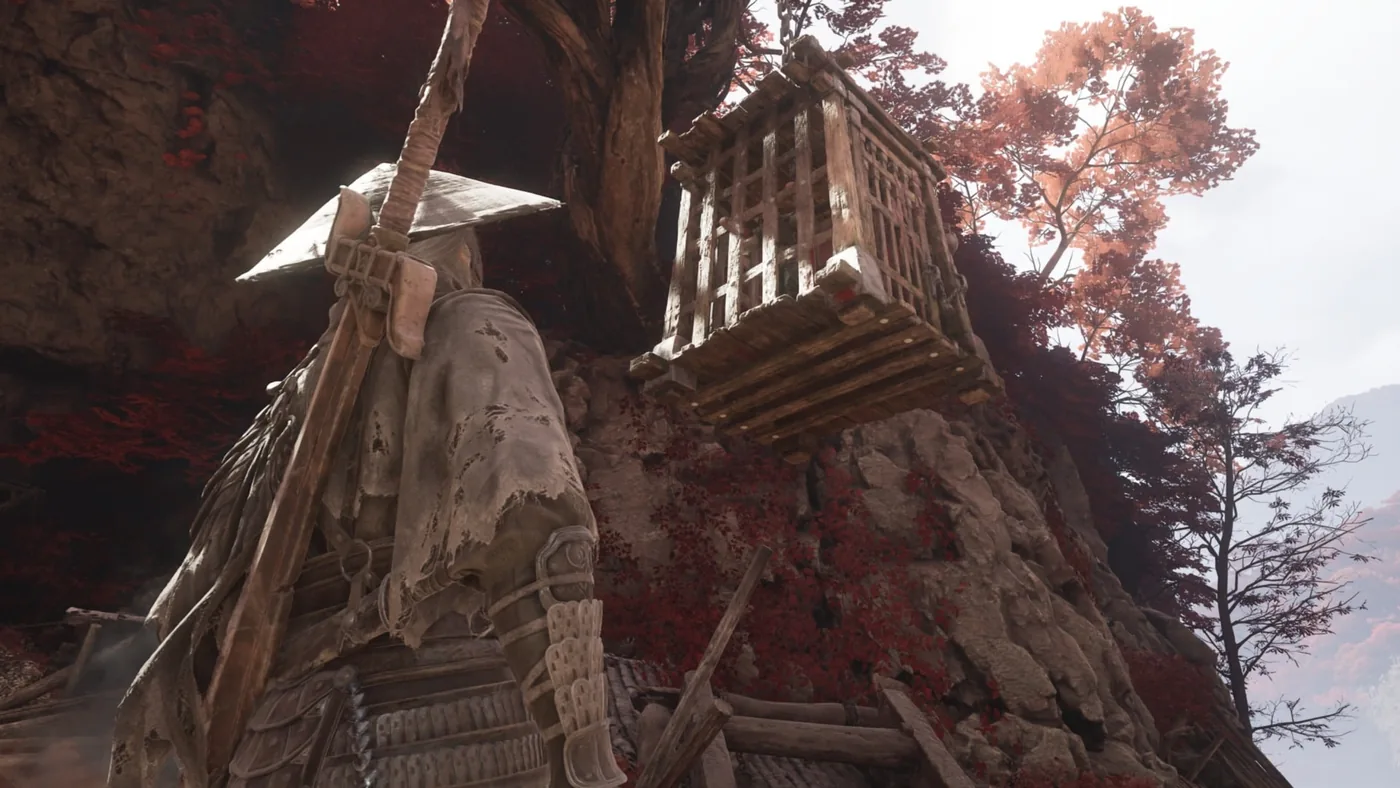
Exploration design sparked debate during Kotaku’s playthrough. Defeated regular enemies despawn permanently, removing the annoyance of respawning mobs during backtracking. But Khan said this choice turns corridors into simple walkways without tension, since players can throw Soul at enemy squads without fearing lasting penalties for dying [1].
Despite skipping some minor tasks, Khan finished all side quests and unlocked the True Ending during 65 hours of play. Performance remained stable on PC and PlayStation 5, aside from initial shader compilation delays. This clear playtime benchmark answers frequent community questions regarding how long Phantom Blade Zero takes when completing every major story quest line and secret area [1].
For dedicated players, S-Game included a second cycle plus mode offering tougher parameters after the credits roll. S-Game first previewed combat builds during Summer Game Fest in 2024, worrying that visiting journalists would struggle with high difficulty spikes during early demo appointments. Two years later, the full release stands as an exhilarating martial arts action experience weighed down by confusing lore. Soul journeys through memorable boss arenas. Players who value responsive parry mechanics and inventive boss choreography will find plenty to enjoy throughout Soul’s journey [1].
- ONLINE NEWS Khan, I., & Gach, E. (2026, November 13). Phantom Blade Zero Review: A Fantastic Game That Could Have Been More. Kotaku. [Article Link]
- ONLINE NEWS Rivera, N. (2026, November 14). Mountain Of Imprisonment Location Guide For Phantom Blade Zero. TheGamer. [Article Link]


