





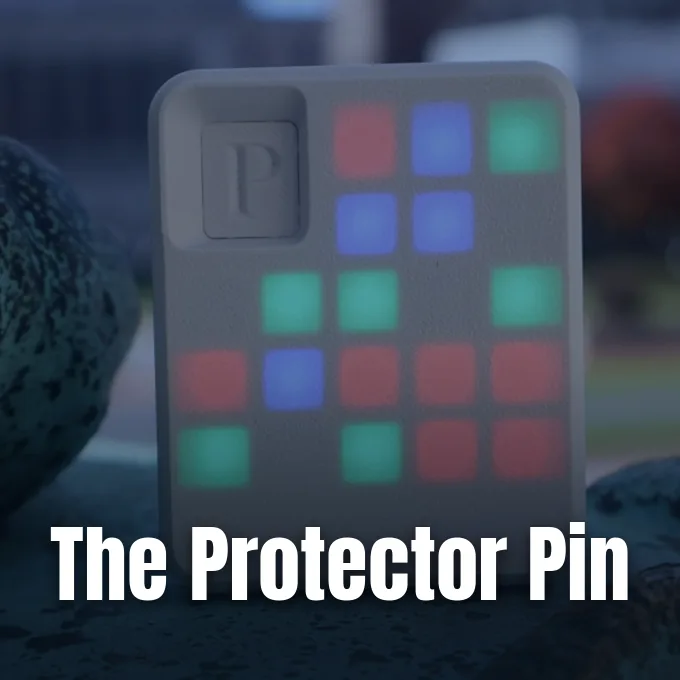
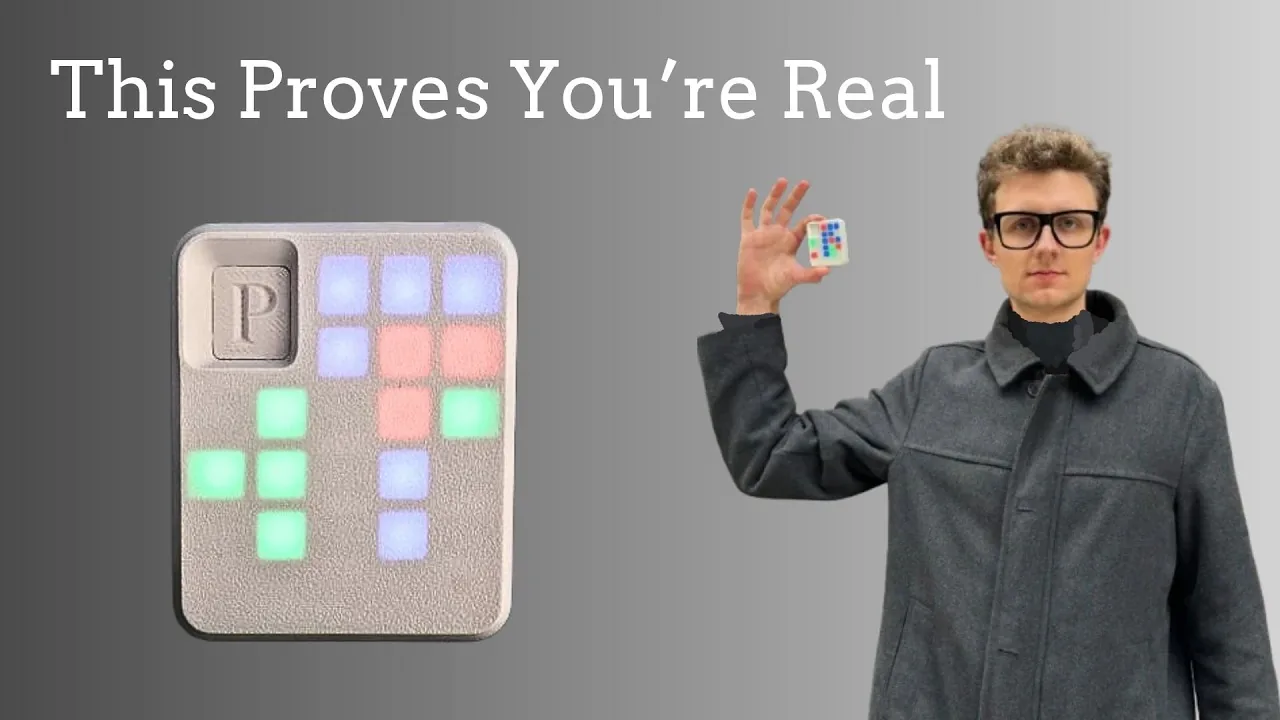
Hardware researcher David Kramer of The Information Syndicate launched pre-orders on November 28 for The Protector, a $120 wearable device designed to verify genuine video recordings against artificial intelligence deepfakes. Built around an ESP32-S3 chip and a small light grid, the Protector LED pin flashes unpredictable color patterns every second to authenticate the wearer on camera. The pin treats light pulses like currency marks to help viewers check whether recorded footage has been altered. U.S. deliveries will arrive before December 18 [1].
Protector LED Pin Hardware Setup
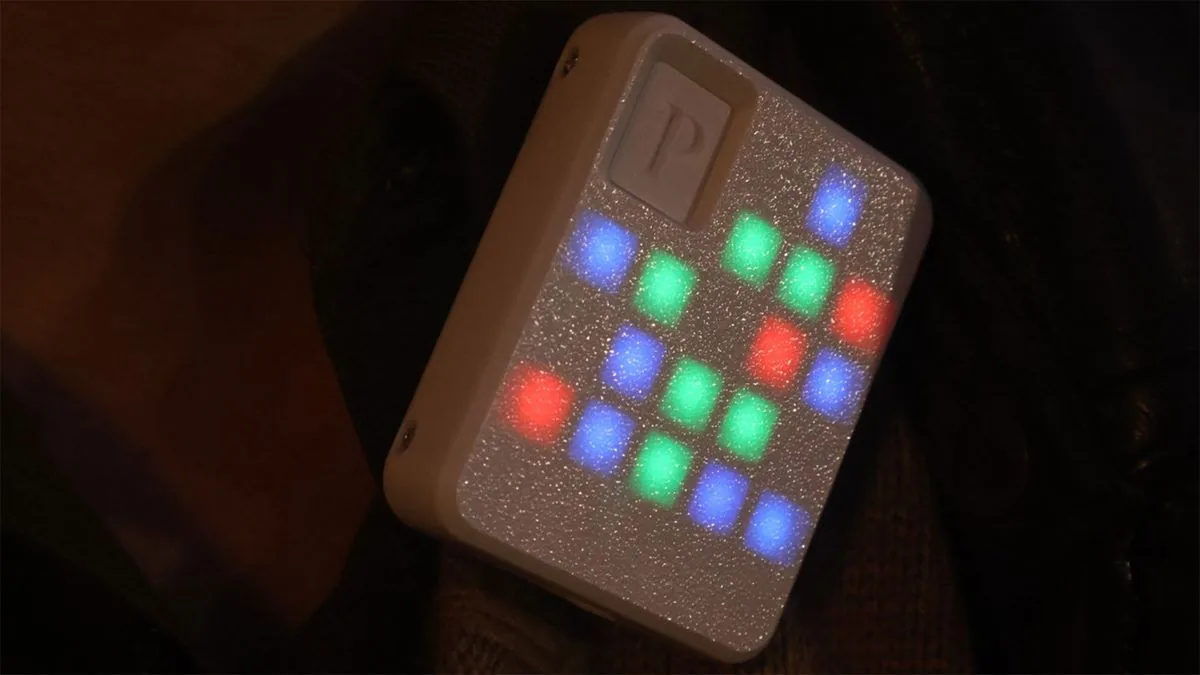
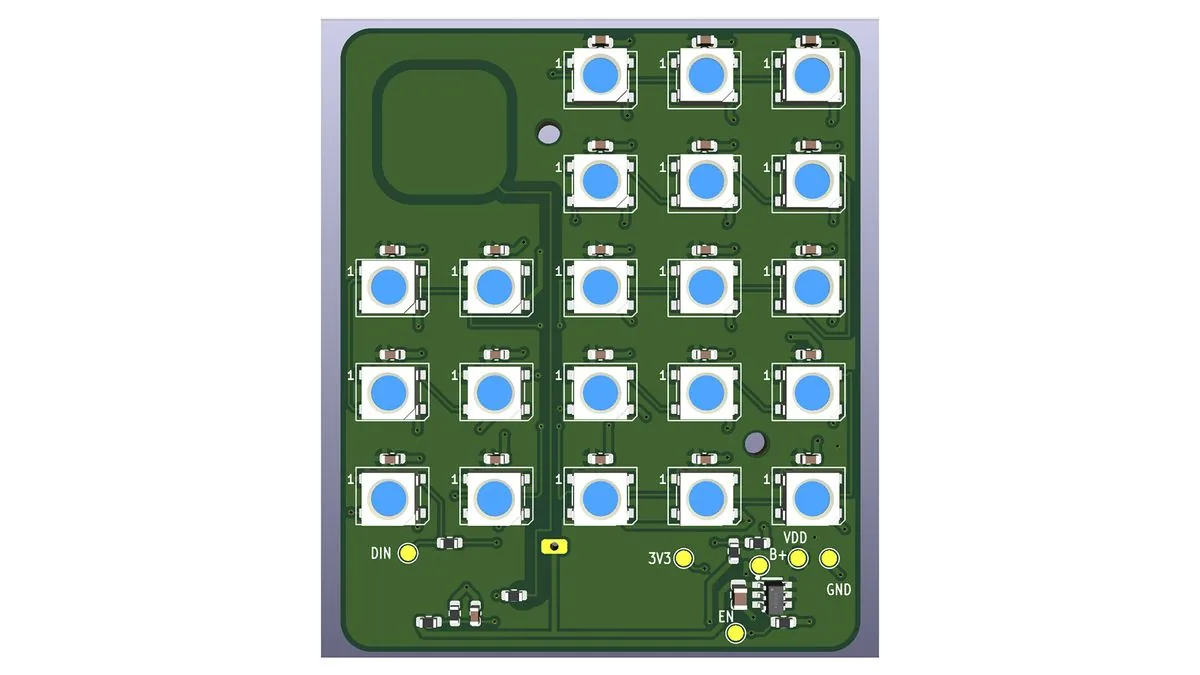
The core unit relies on an ESP32-S3 chip paired with an internal real-time clock and a secret key stored on the board. Every second, firmware on the chip calculates a fresh sequence based on the exact time and that hidden key, illuminating the multi-color diode grid in a pattern that outside observers can’t forecast. It flashes on cue. “It flashes a light pattern every second that’s generated from a secret key and the time, so nobody without the pin can fake it,” Kramer said to reporter Mark Tyson at Tom’s Hardware [1].
The Protector LED pin avoids persistent wireless pairing with phones to cut down security risks. It stays offline during daily use. The pin only connects to the internet briefly while plugged into a wall charger, using that quick sync link to set its internal clock and prevent timing drift from throwing off verification calculations. Because video cameras capture the lit chest badge directly during filming, online hosts can wear the lightweight unit on shirts or suits without touching confusing menus [1].
Kramer explained that paper banknotes inspired his system because watermarks help people verify genuine currency without extra tools. Instead of relying on digital signatures in video file data, which social networks often strip away during video uploads, the badge places visual proof right into the recorded scene. The diodes keep flashing in front of the lens [1].
From Forehead Implants to Wearable Badges
Work on The Protector began a year ago when David Kramer of The Information Syndicate looked for ways to curb the spread of synthetic video clips and AI voice fakes. His early trials tested color-pulsing lights, but that project explored a far more invasive path than a simple chest pin. Kramer weighed subdermal light-emitting diodes implanted in people’s foreheads. That concept was shelved quickly [1].
The forehead implant idea failed to last in Kramer’s workshop, as surgical pain, permanent body alterations, and obvious market hesitation pushed him toward wearable accessories. A modular pin offered a far cleaner path for public adoption because any speaker could attach the badge to a collar before recording and take it off as soon as the camera stopped. Moving away from surgical implants also allowed Kramer to use accessible parts like the ESP32-S3 chip, which kept production costs low enough to appeal to independent video makers. By housing the parts inside a lightweight shell, he built a small device that people can carry in a pocket and clip onto clothes whenever they need to film verified clips. It clipped on easily [1].
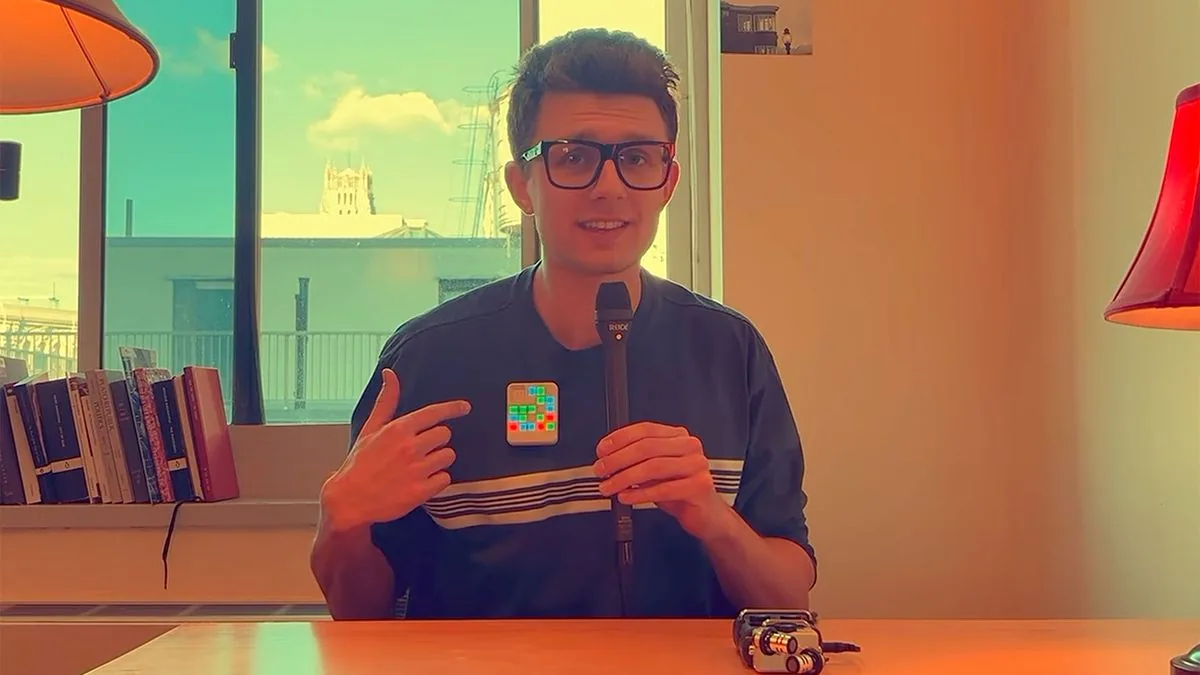
The finished case houses the full diode matrix along with its battery and controller. Users wear the unit in plain view on their lapels. That placement lets cameras pick up the flashing grid without any cloth blocking the light [1].

Verification on iamnotfake.com
To check whether a video file contains genuine footage, viewers can visit a verification site at iamnotfake.com. Anyone holding a suspicious clip can upload the file to the portal for frame analysis. The site inspects the visible light patterns from the pin and compares them against the exact code that the hardware key generated during that specific second of the recording. Verification takes seconds [1].
If the light sequence in the footage matches the math log in the system, the site verifies that the recording aligns with the physical Protector LED pin. When an edited clip shows mismatched timing or missing flashes, iamnotfake.com flags the discrepancies as proof of tampering. This test gives viewers a quick way to check video statements without manual frame reviews. It runs automatically [1].
The tool needs no apps. Anyone checking a file only needs a standard web browser to submit footage and view the comparison log. Kramer of The Information Syndicate built the public site so that news reporters, fact-checkers, and everyday internet users can review recorded speeches without waiting for social media moderators to step in [1].
Circumvention Risks and Audio Exploits
Despite the secret keys inside the unit, video editors noticed simple ways that bad actors could bypass the badge. On the official YouTube demo page, viewers pointed out that new software tools can easily erase small objects from recorded scenes. A determined editor could use object-removal tools to scrub the blinking diode grid from a shirt collar entirely, leaving the video looking like an ordinary unverified recording instead of a tampered clip. The pin disappears from view [1].
Another trick keeps the original video shell while swapping the sound track or changing the speaker’s mouth movements. Because the badge only verifies the light patterns on clothing, it can’t check spoken words or lip synchronization. A faker could leave the authentic chest badge flashing on the shirt while using AI voice clones and mouth alterations to put entirely fabricated words into the speaker’s mouth. That gap remains unaddressed [1].
These gaps show the cat-and-mouse struggle between hardware watermarks and AI editing software. Big tech firms take a different path. For example, Nvidia presented its Synthetic Video Detector NIM microservice at the SIGGRAPH event in July, focusing on algorithmic traces inside the video pixels instead of relying on external hardware badges [1].
The Protector Pricing and Background
Interested creators can pre-order the Protector LED pin today for $120 through the official site, with delivery promised to U.S. residents by December 18 in time for Christmas. Orders carry a limit of five units per customer to stop buyers from hoarding stock. Kramer set that limit to keep early production units in the hands of individual creators and not bulk resellers. Units ship before Christmas [1].
Beyond the technical specs, Kramer’s past projects add humor and ambiguity to the product rollout. Last summer, the inventor created a physical machine that minted non-fungible tokens, framing the build with tongue-in-cheek satire that poked fun at blockchain hype. Tech writers note that he blends genuine hardware skills with sharp satire of industry trends. That history leaves commentators unsure whether The Protector is a serious commercial anti-deepfake tool or a clever artistic joke about the escalating race between AI models and human creators. It could be both [1].
Even if clever editors find workarounds for the blinking lights, the badge stands out as an inventive hardware build. It combines code, microcontrollers, and wearable gear into an accessible gadget that sparks real debates about online truth. For video hosts who want a physical sign of authenticity on camera, the device provides a colorful talking point that illustrates the strange new challenges facing creators in the AI era. The flashing matrix keeps going [1].
- ONLINE NEWS Tyson, M. (2026, November 28). $120 wearable LED pin acts as a ‘watermark for humans’ to fight deepfakes. Tom’s Hardware. [Article Link]


