





Australian indie team House House said it used generative AI tools for well under 0.1% of the code in its upcoming co-op game Big Walk, explaining that a chatbot helped fix an obscure engine flaw during the final stretch of work. The Australian team told Aftermath that an LLM chatbot helped resolve a rare lighting bug in third-party engine code [2]. The disclosure on Big Walk AI tools followed a pledge from jurors for the 2027 Independent Games Festival, who said they will decline to vote for any game built with machine learning tools [1].
The Unity Shadow Bug
The glitch appeared in Unity’s Universal Render Pipeline, known as URP, as House House built morning and dusk lighting for the game. House House found that unseen objects behind the player cast shadows endlessly into the scene because URP only culled shadows in front of the active camera. This bug made the game run 50% slower for roughly 20 seconds at sunrise and sunset [2].
House House programmers looked through the URP code to cut the frame drop, but they found no fix in the engine. They spoke to an engineer at Unity for help with distance culling, but the engineer asked around and said what House House wanted was impossible [2]. As players would face big frame drops each time the sun set, the team turned to a new tool to research how to work around the third-party engine limits [1].
House House treated the technical obstacle as an isolated roadblock rather than a routine development habit [1]. The team had spent weeks testing manual fixes across multiple files without luck, and with launch fast approaching, leaving the lighting broken was simply not an option for publisher Panic or House House [2].
Ten Lines of Big Walk AI Code
After standard debugging hit a wall, House House coders asked an LLM chatbot if other code paths existed in the URP pipeline. The team had already looked through the shader passes and rendering files themselves, but third-party engine constraints made a manual workaround elusive [2]. The bot gave several dead ends before it offered a potential code fix, though the coders had to rewrite and adapt the text before it ran cleanly [1]. In a statement shared with reporter Sophie McEvoy at GamesIndustry.biz and Aftermath, House House said: “after a few dead ends, it suggested a possible fix, and while we had to modify the suggestion extensively, it worked. This fix represented about 10 lines of code inside URP”. Those ten lines of code removed the sunset lag completely [2].
House House said that well under 0.1% of the game’s total code had any link to this test [1]. It used no generative AI for art, speech, sound, or level design during the project, explaining that chatbot snippets served solely as a technical research baseline to modify third-party engine code [2].
The small size of the patch did not stop immediate pushback once details spread online, especially as indie creators keep a close eye on machine learning tools entering commercial game projects. For House House, even ten lines of adapted script sparked a sharp debate among fellow indie makers [1].


IGF Jurors Reject Generative Tools
The note from House House came right as select jurors for the 2027 Independent Games Festival launched an anti-AI pledge. The group said on social media that it would not vote for any entry that used generative AI in any way during making the game, pointing to a jump in AI-assisted submissions. The jurors asked IGF organizers to ban machine-made assets from future events [2].
Pledge signers included well-known developers such as Austin Walker, Sam Barlow, Lena Reine, Brendon Chung, and Aura Triolo, who jointly argued that automated code produces the same ethical concerns as generated imagery. Their group statement said: “AI-generated code is not an exception to these harms”. Fellow juror Liz Ryerson confirmed that Big Walk was under review by the IGF and was a topic of debate among judges [1].

Entries for the 2027 event closed on September 13, with finalists due in January 2027. Festival leaders asked teams to disclose AI use on entry forms, which led House House to write an early draft of its note [2]. That note soon leaked into the wider juror debate [1].
Steam Rules and Big Walk AI
House House decided to speak publicly after the issue spread among peers, saying the topic had become a matter of public interest [1]. While IGF judges asked about AI, storefronts take a different path. On Steam, Valve does not ask teams to report background code help or debugging chats [2].
House House said it did not post on Steam because store rules look at player-facing content rather than coding research. The team previously won praise for ethical stances, like joining the BDS boycott against Microsoft and ruling out an Xbox release. The debate over Big Walk AI code threatened that goodwill as players asked if any machine code belongs in indie games [1].
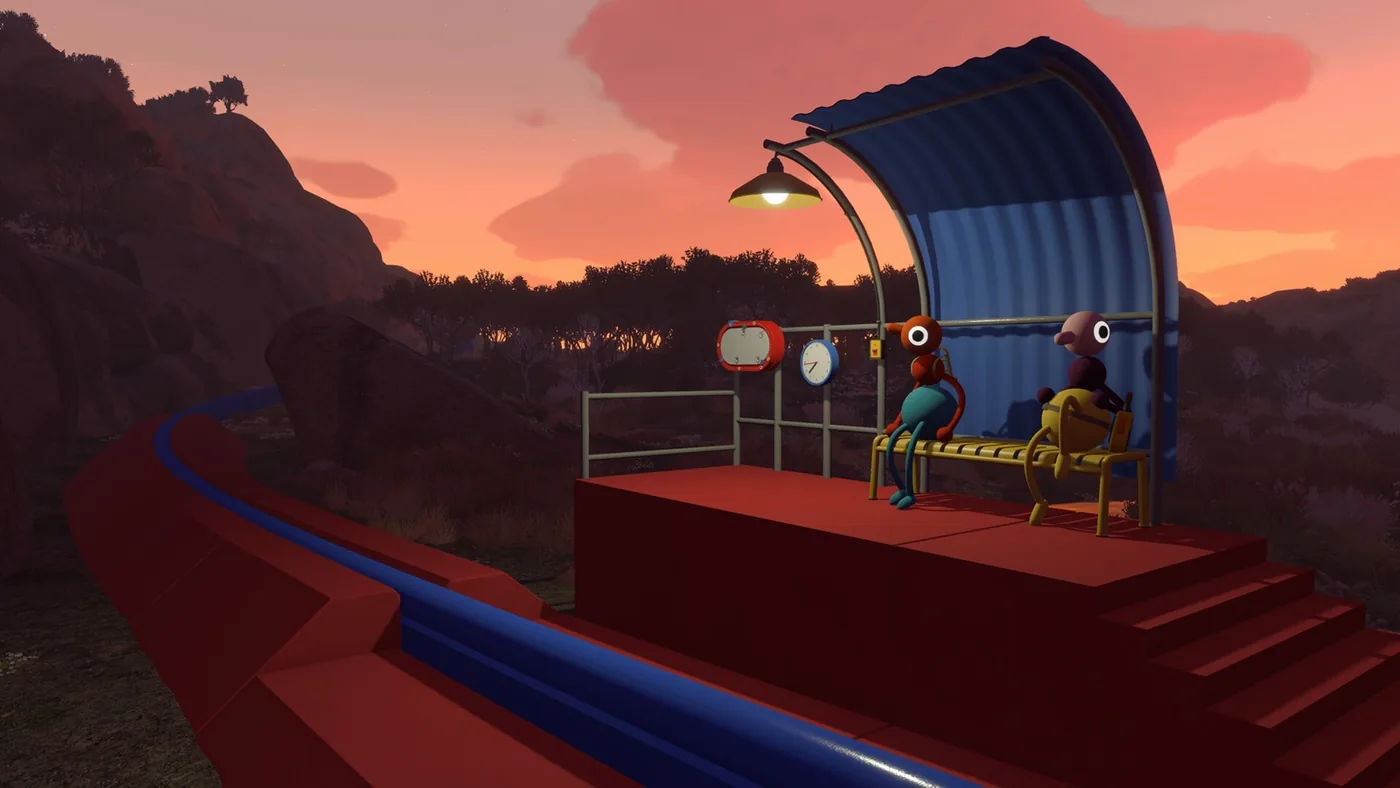
The game will launch on PC, PS5, Mac, and Nintendo Switch 2 [2]. While House House addressed its own choices, other teams test new tech, as seen when a CESA survey found 85.8% of Japanese game developers use AI in production tasks.
Future Studio Rules
In its note to Aftermath, House House voiced clear worry over how its disclosure might look to other creators. The team said: “We have some concern that voluntary disclosures like this might contribute to the normalisation of this technology, or its treatment as ‘inevitable’. We support the work of those who are trying to limit the harm generative AI is doing to videogames and our world, and apologise that Big Walk’s LLM usage may not meet their standards” [1].
The team admitted that Big Walk was built without a formal studio policy on AI tools [2]. House House called that lack of a policy a failure and promised to set clear rules for future work [1]. The makers said explaining the ten-line patch was not an endorsement of automated tools [2].
The case shows how hard it is to separate quick bug fixes from ethics in game making. House House fixed a 20-second visual flaw in Unity, but the fallout from Big Walk AI code has changed how indie developers view machine tools on upcoming games [1].
- ONLINE NEWS Schofield, A. (2026, November 10). Big Walk developer House House reveal genAI use in final stretch of development, only revealing it now as “it has become a matter of public interest”. Rock Paper Shotgun. [Article Link]
- ONLINE NEWS McEvoy, S. (2026, November 10). House House clarifies use of AI tools in Big Walk’s “final stage of development”. GamesIndustry.biz. [Article Link]


