



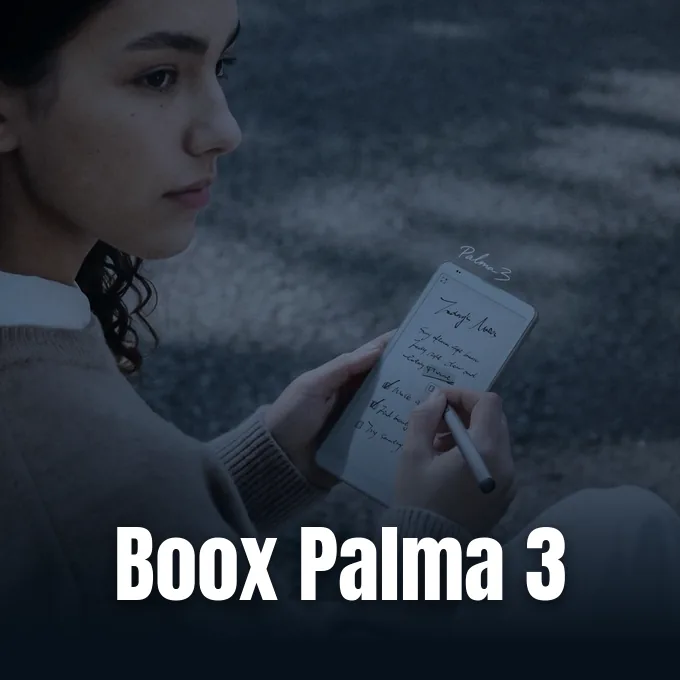
Can a pocket-sized reader replace both physical paperbacks and distracting smartphone screens during daily commutes? The Boox Palma 3 arrives to test that ambition by packing an updated monochrome display, expanded memory, and modern operating software into a chassis no larger than a standard mobile phone. Hardware manufacturer Boox announced the new device as part of its autumn product rollout, bringing substantial internal revisions to its distinctive handheld reading line. The device enters the market at a base price of $339.99 with early discount offers reducing initial orders to $319.99 [1].
Boox Palma 3 Hardware and Design Upgrades
Hardware revisions begin with a noticeable shift in external chassis construction. While the earlier Boox Palma predecessor relied on a textured plastic casing that drew mixed impressions, Boox designed the Boox Palma 3 with an anodized aluminum frame and a textured fiberglass backplate (a lightweight structural composite engineered to improve grip and resist fingerprint smudges during prolonged one-handed reading). The updated exterior delivers a significantly sturdier feel for Boox Palma owners without compromising portability. The physical buttons include an integrated fingerprint reader housed directly inside the power button for rapid unlocking [2]. Handling feels noticeably solid.
The upgrade makes an immediate difference. Pocketability remains the central appeal of the form factor, allowing readers to carry extensive digital libraries anywhere [1]. Storage expands easily.
Under the hood, the Boox Palma receives notable computing enhancements anchored by an eight-core Qualcomm Q-6690 silicon package running with 6GB of system memory and 128GB of internal flash storage. Users requiring additional room for audiobooks or scanned documents can expand capacity using an integrated microSD card slot. While the display maintains the familiar 6.13-inch dimensions and sharp 300ppi resolution of the previous model, the monochrome E Ink Carta panel benefits from a revised dual-tone front light system that adjusts automatically via an ambient light sensor. A 3,950mAh rechargeable battery supplies power for multi-day reading sessions, while a rear-facing 16-megapixel camera assists with high-resolution document scanning and text digitization [2]. Reading comfort remains high on the Boox Palma screen.

Android 16 Operating System and App Ecosystem
Software capabilities mark one of the most substantial evolutionary steps in the new handheld reader. The original Boox Palma handheld shipped running Android 11, whereas the Boox Palma successor operated on Android 13. By launching the Boox Palma 3 directly with Android 16, the manufacturer provides an operating system that sits just one generation behind the newest public mobile releases, ensuring prolonged compatibility with contemporary applications and critical security standards [2]. Updates install seamlessly.
Unlike proprietary e-readers that lock consumers into isolated distribution channels, this device provides direct access to the Google Play Store (a unified digital distribution platform hosting millions of reading utilities). Readers can seamlessly install *Kindle* and *Libby*, opening access to vast commercial catalogs and public library borrowing systems [1]. The platform also permits sideloading news feeds and cloud storage tools. While traditional smartphone buyers often evaluate models like the refurbished Galaxy S26 lineup for multifunction computing, the Boox Palma platform targets readers seeking refuge from bright OLED screens. Eye comfort improves immediately.
The operating system can even launch video applications like YouTube and TikTok, though rapid animation naturally creates visible ghosting on monochrome digital paper. As Android Police reviewer Timi Cantisano observed, running dynamic video services on an electronic ink display remains an experimental curiosity rather than a primary use case [1]. Instead, software flexibility defines the user experience, allowing individuals to customize document readers and sync reading progress across diverse third-party applications without ecosystem restrictions.

InkSense Plus Stylus and Note Capabilities
The addition of active stylus support introduces handwriting functionality to the standard pocket lineup for the first time. Boox extended compatibility with its InkSense Plus active stylus (an active digitizer pen providing fine-tipped pressure sensitivity for handwritten notes and margin scribbles), enabling the Boox Palma 3 to double as a miniature digital scratchpad [2]. Dedicated physical side keys, including a customizable smart button carried over from earlier Boox Palma designs, allow users to trigger quick note functions or refresh the electronic paper screen instantly [3]. The screen responds quickly.
The compact 6.13-inch display restricts expansive drawing sessions, making the device better suited for rapid annotations than extended sketching. Writing short shopping lists, signing digital contracts, and jotting marginal commentary across study texts represent the primary workflows for this smaller footprint. As TechSpot reporter Skye Jacobs highlighted, the writing surface provides responsive input for short reminders on the Boox Palma, transforming the reader into a convenient pocket-sized companion during daily meetings [2]. Note taking feels fluid.

Dual built-in microphones expand note-taking versatility by capturing clear voice memos and meeting audio [3]. Paired with the rear camera—which Boox configured primarily for digitizing receipts and printed pages—the Boox Palma 3 serves as an efficient portable document capture hub. Stylus support changes the daily workflow, turning a passive reading slate into an interactive productivity tool.
Pricing Strategy Across the Compact E-Reader Market
Pricing shifts position the Boox Palma 3 in a competitive tier that bridges dedicated reading slates and compact digital notebooks. The Boox Palma line entered the market in 2024 at $279.99, although earlier configurations touched $400 depending on regional retail packages. At $339.99, the new iteration reflects hardware upgrades such as the aluminum chassis and increased processing speed, while an introductory promotional discount reduces the price to $319.99 for early purchasers [1, 2]. The balance looks attractive.
How does the total package compare when buyers factor in handwriting accessories? Adding the InkSense Plus stylus—which retails separately for $46—lifts the combined investment to approximately $386 (a direct comparison against dedicated digital stationery) [2]. At that threshold, the Boox Palma approaches the cost of dedicated writing tablets such as the reMarkable Paper Pro, forcing buyers to weigh pocket mobility against larger writing surfaces. The launch coincides with a crowded autumn hardware cycle following the September iPhone window where Apple Watch preorders opened at $399 with various wearable and mobile refreshes.
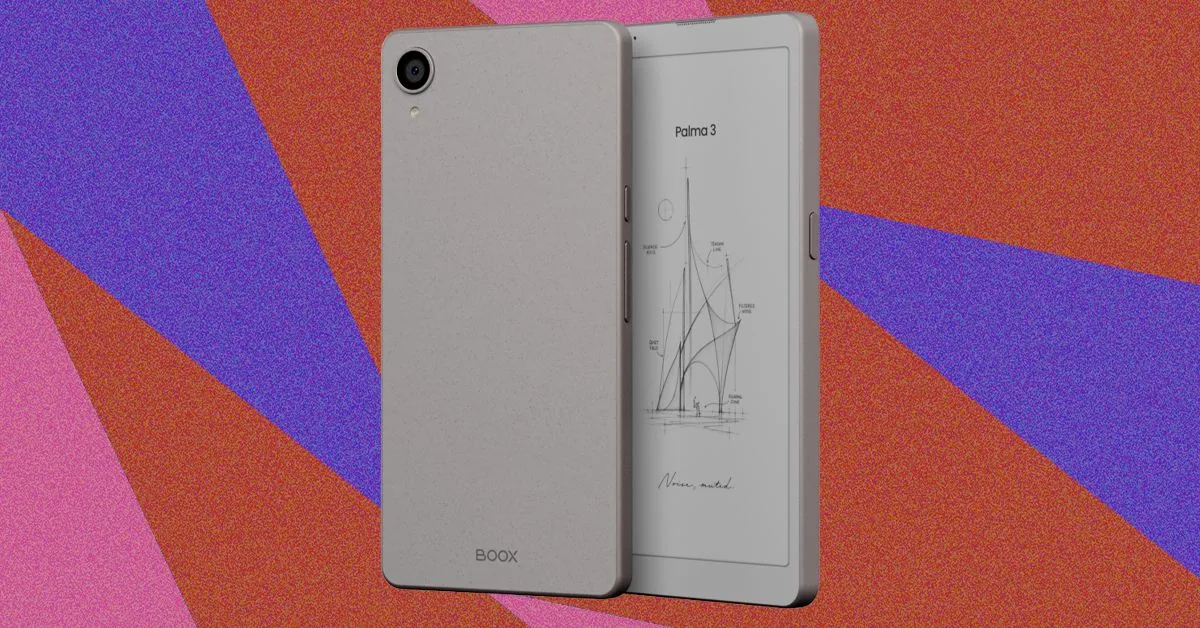
Competitors in the miniature reading category highlight varied design philosophies. Smaller alternatives like the Boox Picco and niche reading hardware such as the Xteink offer ultra-portable dimensions, yet they frequently omit open Android operating systems [1, 3]. By combining pocket dimensions with the capacity to store over 3,000 textbooks and access open application repositories, Boox justifies its premium positioning. The market choice remains clear.
Wider Fall Rollout with Note Color Tablets
The announcement of the Boox Palma device arrived with two larger color displays, signaling a coordinated refresh across the manufacturer’s catalog. Boox revealed the Boox Note Air and Boox Note Mini series, pricing both tablet models at $580. Unlike the monochrome Boox Palma, both Note models incorporate a 10.3-inch and 8.52-inch Kaleido 3 color screen respectively, catering to consumers who demand full-color charts, digital magazines, and expansive dual-page reading environments [3]. Visual clarity stands out.
Software advancements across the larger tablets mirror the underlying upgrades seen on the handheld reader. Both the Boox Note Air and Boox Note Mini models run Android 16 and feature eight processing cores, 6 GB of RAM, and 64 GB of onboard storage expandable up to 2 TB through microSD cards. The larger Boox Note Air introduces Dual Notes firmware for side-by-side document annotation together with specialized meeting summary tools, positioning the device as a comprehensive digital workstation [3].
Market availability follows a staggered release schedule. WIRED reviewer Nena Farrell confirmed that the Boox Note Air is currently the only model shipping immediately, while Boox designated the Boox Note Mini and Boox Palma 3 as arriving soon without providing a definitive calendar date [3]. Both form factors serve distinct niches, but the Boox Palma 3 remains the definitive choice for readers seeking pure pocket portability. The release creates real excitement.
- ONLINE NEWS Cantisano, T. (2026, September 16). The Boox Palma 3 is the compact e-reader Android fans have been waiting for. Android Police. [Article Link]
- ONLINE NEWS Jacobs, S. (2026, September 16). Boox Palma 3 launches at $340 with Android 16 and handwriting support. TechSpot. [Article Link]
- ONLINE NEWS Farrell, N. (2026, September 16). Boox’s beloved Palma e-reader gets its third generation. WIRED. [Article Link]


