





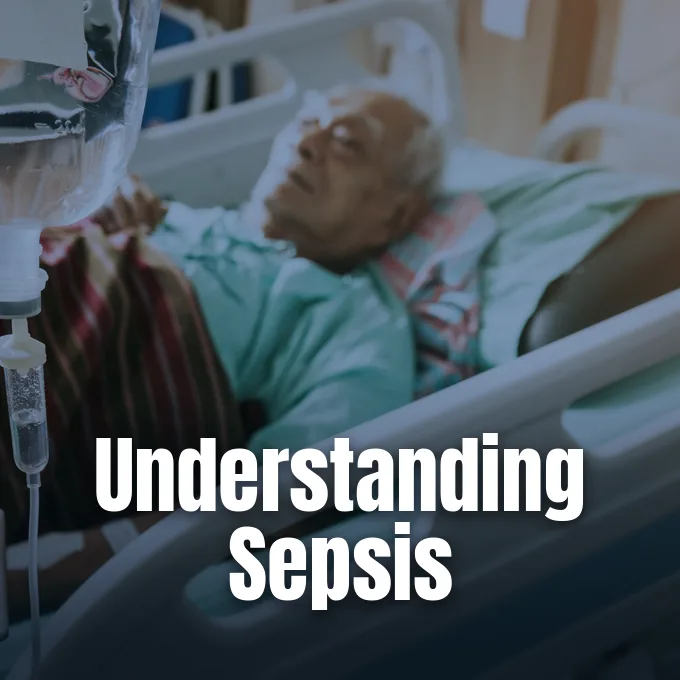
Understanding what is sepsis begins with recognizing an urgent medical danger caused by the body’s uncontrolled response to an infection [3]. While normal defenses fight an invader locally, sepsis triggers a body-wide reaction that harms healthy tissues and damages internal organs [7]. Global epidemiological records indicate that sepsis affected about 49 million people worldwide in 2017, resulting in 11 million deaths across North America, Europe, Asia, and Sub-Saharan Africa. About 85% of cases hit poorer countries [8]. Pediatric records reviewed by Dr. Colin Tidy on Patient.info show that childhood sepsis strikes 1.2 million children annually, while neonatal sepsis affects 2,202 babies per 100,000 live births globally [7]. In developed countries, between 0.2 and 3 people per 1,000 develop the condition each year [8].
What Is Sepsis?
In 2016, an international task force of 19 specialists convened by the Society of Critical Care Medicine and the European Society of Intensive Care Medicine published the Sepsis-3 consensus definitions in JAMA to modernize clinical care. The Sepsis-3 panel changed clinical care. For fifteen years, doctors had diagnosed patients using older guidelines dating back to 2001 that relied primarily on systemic inflammatory response syndrome (SIRS) criteria. The Sepsis-3 committee, led by Singer and Angus alongside researchers Coopersmith and Deutschman, analyzed large electronic health record databases and secured formal endorsements from 31 international professional societies. Singer concluded that older diagnostic models focused excessively on swelling without spotting true organ failure, creating a misleading impression of a stepwise climb toward shock. Under the Sepsis-3 consensus, sepsis is defined as life-threatening organ breakdown caused by a “dysregulated host response to infection” [1].
Why does this clinical distinction matter so much to patients? The dangerous tissue damage seen in sepsis does not stem from multiplying bugs alone. Instead, potent chemicals and immune messengers released by host defenses pour into the bloodstream, altering vessel walls, driving down blood pressure, and depriving major organs of oxygen [3].
Public awareness remains surprisingly low across the United States despite this heavy global toll. Dr. Carl Flatley founded the Sepsis Alliance in 2007 after his daughter Erin Flatley died of sepsis following an uncomplicated outpatient surgical procedure. Erin Flatley died at age 23. Nationwide surveys conducted by the Sepsis Alliance revealed that only 58% of American adults had ever heard the word sepsis, even though fast recognition saves lives. The Sepsis Alliance now works in all 50 states toward “a world in which no one is harmed by sepsis” so families spot warning signs before organs fail [5].
Infection Triggers and Septicemia
The lungs serve as the main gateway for illness, with bacterial pneumonia driving 40% to 60% of hospital sepsis cases [8]. Clinical texts like Goldman-Cecil Medicine by Gordon and Russell, alongside Rosen’s Emergency Medicine by Shapiro and Jones, show that abdominal peritonitis triggers 15% to 30% of cases. Urinary bugs and kidney pyelonephritis cause another 15% to 30%, while cellulitis, IV lines, surgical cuts, and childhood bone bugs cause the rest [3]. Bacterial bugs cause most cases, and Gram-positive strains like Staphylococcus aureus and Streptococcus pyogenes cause over 50% of bacterial illness [8].
Doctors maintain a clear medical distinction between sepsis and septicemia. Septicemia specifically describes actively dividing bacteria multiplying in the blood, classified under bacteremia by Merck [8]. Sepsis needs only a local pocket of germs that sets off a whole-body defense crisis [3].
Gram-negative bacteria such as Escherichia coli, Pseudomonas aeruginosa, and Klebsiella species led sepsis cases between 1960 and 1980 [8]. In children, Neisseria meningitidis and Haemophilus influenzae provoke sudden collapse that needs urgent hospital care [7]. Fungi like Candida cause about 5% of severe sepsis cases in hospital wards, while Plasmodium parasites provoke sepsis through malaria, with Schistosoma and Echinococcus also appearing in clinical records. In 60% to 70% of cases, lab testing finds the bug, but roughly one-third of all patients show no confirmed microbial source [8].
Cellular Cascade of Tissue Injury
The cellular storm begins when pattern recognition sensors (PRRs) on host immune cells detect pathogen-associated molecular patterns (PAMPs) shed by invading bacteria, including lipid A from Gram-negative bugs and muramyl dipeptide from Gram-positive cell walls. Sensors like Toll-like and NOD-like proteins bind these pieces. Bacterial superantigens can simultaneously bind major histocompatibility complex molecules and T-cell receptors without typical antigen processing, triggering a massive wave of defensive cytokines. Signaling switches like NF-kB command this cytokine storm. Dying neutrophils also discharge neutrophil extracellular traps (NETs) into the blood to snare bacteria, but excessive NET webs damage vessel walls and trigger widespread clotting [8].
Endothelial cells throughout the microcirculation quickly suffer damage from inflammatory signals. Blood platelets join leukocytes and injured endothelium, driving microvascular thrombosis in capillary networks. Microvascular clots block capillary blood flow, starving tissues of oxygen and forcing poisoned mitochondria to inhibit cytochrome c oxidase in an effort to conserve cellular energy. Cellular suffocation follows [8].
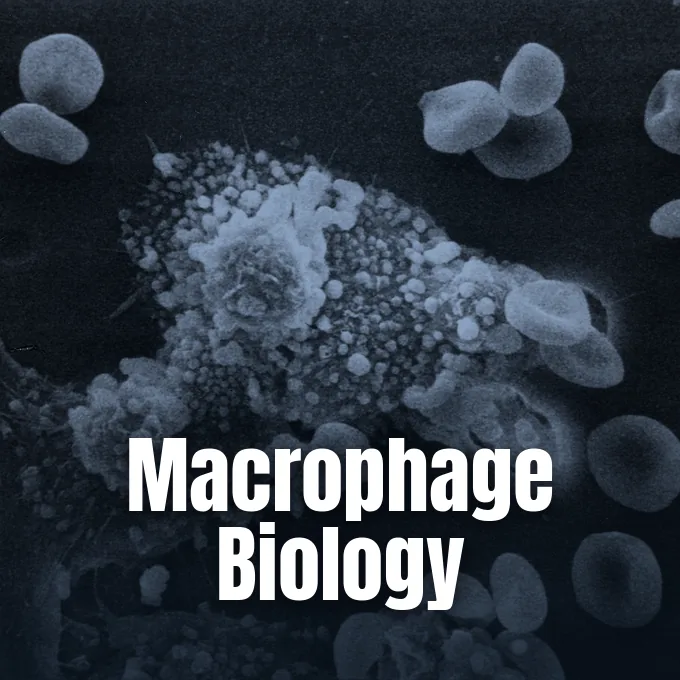
As early swelling fades, the host immune army often flips into compensatory anti-inflammatory response syndrome (CARS), where interleukin-10 orchestrates a profound transition from pro-inflammatory TH1 helper T cells to suppressive TH2 cells. Immune suppression follows. Extensive programmed cell death then eliminates circulating B cells, CD4+ T lymphocytes, and dendritic cells, leaving patients defenseless against secondary hospital bugs. Regulatory T cells resist this death wave and prolong the immune freeze [8].
Warning Signs and Early Symptoms
Recognizing sepsis early demands sharp clinical eyes because early symptoms closely resemble routine chest or urinary tract infections [7]. Patients commonly develop high fevers accompanied by shaking chills, but frail adults over 75 years and cancer patients receiving chemotherapy may instead manifest hypothermia with cold skin. Markedly increased breathing rates and an accelerated heart rate represent two of the earliest physiological warnings that tissues are starving for oxygen [3]. When blood pressure falls, patients feel dizzy, look pale, or show mottled skin with irregular blue patches [4]. Newborn infants with early-onset sepsis often present with poor feeding, lethargy, cold limbs, and hypothermia, particularly following maternal group B streptococcal colonization or chorioamnionitis. Maternal risk factors documented by Patient.info include spontaneous preterm delivery before 37 weeks’ gestation, rupture of membranes exceeding 18 hours, and intrapartum fever above 38°C [7].
How can clinicians identify deterioration before organ failure becomes irreversible? Acute confusion, altered behavior, extreme body pain, and shortness of breath signal that a local bug has evolved into a life-threatening systemic illness [4]. When an adult or child fails to pass urine over an 18-hour window, emergency medical care cannot wait [7].

Changes in pulse pressure offer healthcare providers helpful hemodynamic clues about disease progression. In early sepsis, systemic vasodilation causes diastolic blood pressure to fall fast while stroke volume is maintained, producing a widened pulse pressure. Data cited in Wikipedia indicates that a pulse pressure exceeding 70 mm Hg correlates with improved patient survival and predicts a favorable response to IV fluid resuscitation. If circulatory compromise worsens, systolic blood pressure also plummets, creating a narrowed pulse pressure that signals impending cardiovascular collapse [8].

Clinical Criteria for Patient Screening
Emergency clinics once screened for sepsis using Systemic Inflammatory Response Syndrome (SIRS) scoring on MDCalc. Under SIRS, showing two abnormal signs—like fever, fast pulse, rapid breathing, or abnormal white blood cell (WBC) counts—prompted tests for an underlying bug [6]. In 2016, Sepsis-3 replaced SIRS with the quick SOFA (qSOFA) score for faster bedside checks outside intensive care units [1]. A patient screens positive under qSOFA if they show at least two of three signs: breathing at 22 breaths per minute or faster, altered alertness, and systolic blood pressure of 100 mm Hg or lower [8].
Hospitals in the United Kingdom rely on the National Early Warning Score (NEWS2), built by the Royal College of Physicians in London. First introduced in 2012 and updated in December 2017, NEWS2 scores six physical measures: breathing rate, oxygen saturation, temperature, systolic blood pressure, pulse rate, and alertness. Hospital data shows that NEWS2 predicts 10-day and 30-day deaths in suspected sepsis patients more accurately than older triage tools [7].
Diagnostic lab tests confirm organ injury and track the immune storm [3]. Blood tests measure serum lactate, where numbers above 2 mmol/L warn of cellular hypoxia and poor blood flow [6]. Surviving Sepsis Campaign rules require taking blood cultures before giving antibiotics, while procalcitonin tests, complete blood counts (CBC), and blood gas checks show infection depth [4]. Coagulation checks on platelets, prothrombin time (PT), and partial thromboplastin time (PTT) show whether clotting factors are exhausted and bleeding risks are high [3].

Progression to Severe Shock
When IV fluids fail to restore tissue perfusion, sepsis turns into septic shock. Clinicians define septic shock when blood pressure drops so low that vasopressor drugs are needed to hold mean arterial pressure at or above 65 mm Hg while blood lactate exceeds 2 mmol/L [7]. Inpatient deaths from septic shock exceed 40%, and in severe presentations, death rates reach 80%. High oxidative stress during septic shock exhausts blood stores of copper and vitamin C. Studies in Wikipedia show that Sub-Saharan Africa bears 40% of global sepsis cases, while low- and middle-income nations shoulder 85% of the worldwide disease burden [8].
Septic shock precipitates multiple organ dysfunction syndrome (MODS) in body systems. Within the pulmonary circulation, increased vascular permeability allows protein-rich fluid to flood the alveoli, precipitating acute respiratory distress syndrome (ARDS) that needs mechanical ventilation. In the renal system, profound hypoperfusion injures tubular epithelial cells, causing acute kidney injury (AKI) that needs dialysis [8].
Other internal organs fail as cellular oxygen starvation and mitochondrial hibernation intensify. Liver trouble impairs bile salt export, producing clinical jaundice characterized by yellowish discoloration of the skin and sclera. Within the myocardium, disrupted calcium flux and diminished adenosine triphosphate (ATP) production lead to myocardial depression that impairs cardiac output. Meanwhile, increased permeability of the intestinal mucosa alters the resident gut microbiome, predisposing patients to mucosal bleeding and paralytic ileus [8].
How Septicaemia Alters Brain Function
Brain trouble is one of the most frequent and disabling complications of severe illness. Doctors use the term sepsis-associated encephalopathy (SAE), or septic encephalopathy, to designate acute brain trouble that happens without a direct infection of brain tissue. Clinicians first documented the term SAE in medical literature by 1990 following the first clinical study of septic brain injury. Around 70% of patients with severe sepsis develop SAE, making cognitive alteration an important early sign of systemic breakdown. Because no specific lab test confirms the condition, physicians diagnose SAE by exclusion while using an electroencephalogram (EEG) to detect characteristic diffuse slowing of brain waves. Animal research has tested statins, fluoxetine, resveratrol, and the serotonergic 5-HT2 agonist 25H-NBOMe using the forced swim test (FST) to explore ways of lowering brain swelling [9].
Acute signs of SAE include lethargy, delirium, agitation, seizures, and coma. Intensive care teams must avoid drugs that cloud the brain, including anticholinergics, antihistamines, and benzodiazepines, while monitoring survivors who frequently endure lasting memory deficits, cognitive decline, and severe neuromyopathy [9]. These enduring impairments show how deeply systemic swelling harms delicate neural networks [3].
The Sepsis Six Emergency Protocol
Early medical care is the single most important determinant of survival in severe illness. International guidelines printed in Intensive Care Medicine by Evans and the Surviving Sepsis Campaign recommend giving broad-spectrum IV antimicrobials within one hour of spotting sepsis or shock, because each hour of delay drives a measurable increase in patient mortality [7]. In 2006, The UK Sepsis Trust—founded by clinicians Ron Daniels, Tim Nutbeam, and Richard Laver—developed a practical bedside bundle termed the Sepsis Six. Designed to standardize emergency care in National Health Service hospitals in the United Kingdom, the protocol groups key medical steps into an operational one-hour delivery window [10].
The Sepsis Six care bundle divides clinical tasks into three diagnostic steps and three therapeutic treatments. Clinicians must titrate oxygen therapy to reach a 94% target saturation, initiate IV fluid care, and give empiric broad-spectrum antibiotics. At the same time, staff must obtain blood cultures prior to antibiotic delivery, measure serial blood lactates to track poor perfusion, and start accurate urine output checks [10].
Studies shared by The UK Sepsis Trust in 2011 showed that the Sepsis Six protocol lowered patient deaths by 50% while cutting hospital days and intensive care stays [10]. Beyond the initial resuscitation window, severely ill patients often require mechanical ventilation for lung failure, continuous hemodialysis for acute renal failure, and central venous lines for vasopressor administration [8]. Diligent hospital hygiene, prompt removal of indwelling urinary catheters, and routine immunization against pneumococcal disease provide basic public health steps that prevent sepsis before it develops [3].
- ACADEMIC JOURNAL Singer, M., Deutschman, C. S., Seymour, C. W., Shankar-Hari, M., Annane, D., Bauer, M., Bellomo, R., Bernard, G. R., Chiche, J. D., Coopersmith, C. M., Hotchkiss, R. S., Levy, M. M., Marshall, J. C., Martin, G. S., Opal, S. M., Rubenfeld, G. D., van der Poll, T., Vincent, J. L., & Angus, D. C. (2016). The Third International Consensus Definitions for Sepsis and Septic Shock (Sepsis-3). JAMA, 315(8), 801-810. [Article Link]
- ACADEMIC JOURNAL Evans, L., Rhodes, A., Alhazzani, W., Antonelli, M., Coopersmith, C. M., French, C., Machado, F. R., Mcintyre, L., Ostermann, M., Prescott, H. C., Schorr, C., Simpson, S., Wiersinga, W. J., Alshamsi, F., Angus, D. C., Arabi, Y., Azevedo, L., Beale, R., Beilman, G.,. De Waele, J. (2021). Surviving sepsis campaign: international guidelines for management of sepsis and septic shock 2021. Intensive Care Medicine, 47(11), 1181-1247. [Article Link]
- WEBSITE MedlinePlus. (2024). Sepsis. MedlinePlus Medical Encyclopedia, U.S. National Library of Medicine. [Article Link]
- WEBSITE National Library of Medicine. (2003). Sepsis. MedlinePlus, U.S. National Library of Medicine. [Article Link]
- WEBSITE Sepsis Alliance. (2021). About Sepsis Alliance. [Article Link]
- WEBSITE MDCalc. (2026). SIRS, Sepsis, and Septic Shock Criteria Calculator. [Article Link]
- WEBSITE Vakharia, K., & Tidy, C. (2024). Sepsis (Septicaemia). Patient.info. [Article Link]
- WEBSITE Wikipedia contributors. (2026). Sepsis. Wikipedia, The Free Encyclopedia. [Article Link]
- WEBSITE Wikipedia contributors. (2026). Sepsis-associated encephalopathy. Wikipedia, The Free Encyclopedia. [Article Link]
- WEBSITE Wikipedia contributors. (2026). Sepsis Six. Wikipedia, The Free Encyclopedia. [Article Link]


