





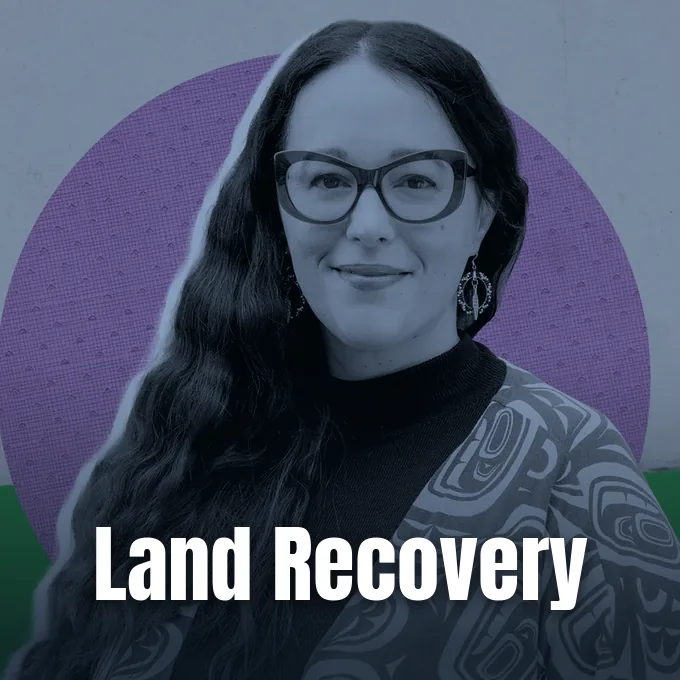
In fire-prone areas of western North America, ecologist Jennifer Grenz studies how forests heal after severe blazes destroy tree cover and heat the ground. Grenz, a member of the Lytton First Nation who leads the Indigenous Ecology Lab at the University of British Columbia in Canada, approaches wildfire land recovery by looking into past ecosystem care. Old fire records offer clear clues. Rather than looking only at modern burn damage, Grenz tracks long timelines to see how ancestral practices kept soil and plants healthy, showing what makes land resilient against future fires [1].
A Holistic View of Burned Forests
Fires in western North America have grown larger in recent years, burning millions of trees and wiping out plant groups that took decades to grow. When scientists inspect burned zones, they often separate tree loss from root damage. That divide misses key connections. Grenz considers her work with landscapes recovering from catastrophic wildfire to be “deliberately unfocused,” combining several fields that rarely interact in post-fire projects. Her work spans soil microbial ecology, restoration ecology, invasion biology and historical biology. She merges these four areas to build a complete view of post-fire ecosystems, since standard recovery crews often pull weeds or plant seedlings without checking whether heat has killed off the soil fungi and bacteria that baby roots need to survive [1].
Grenz looks at fire with a holistic eye, showing that land recovery stalls if managers treat single plants while ignoring the dirt below. Her view comes from seeing how forests grew before modern roads and clearcuts altered the landscape. When weed seeds blow into a burned area, they change soil nutrients and choke out native shrubs. Her team studies weed biology with soil microbes to map how opportunistic plants invade broken underground networks. Her findings explain why some patches grow back while nearby plots stay bare [1].
Why Wildfire Land Recovery Relies on History
To learn why today’s forests burn with unusual heat, researchers must look past recent weather charts and check how early care shaped the woods over centuries. Grenz analyzes old ecological records to see how Indigenous groups shaped ecosystems over time. “I’m interested in how those histories leave ecological legacies and hints of the stewardship of the past,” Grenz said. Her research poses a central question: “What changed on the land that made it more vulnerable?” When ancestral care ended under modern state control, forests lost the open layouts that once kept fire small. Wildfire land recovery needs these past lessons. Understanding early legacies allows forestry teams at the University of British Columbia and partner agencies in Canada to design land plans that mimic time-tested fire resistance [1].
Early biology gives clues that brief surveys miss. Short field studies often judge forest health by measuring canopy growth over two or three summers, which tells nothing about past soil balance. In contrast, historical records show that centuries of light burning, selective root digging, and brush clearing kept forest soils damp and clear of heavy fuel. Modern forests lack that steady human touch. As thick brush piled up over decades, it turned quiet woods into tinderboxes. Grenz argues that present forest fragility is not natural, but the direct result of breaking long-standing ties between people and plants [1].
Oral Histories and Archaeology
Field research into past ecology cannot rely on library books alone. Many forestry habits were passed down through spoken stories rather than printed maps. To gather field clues, Grenz consults Indigenous elders who carry spoken memories of the landscape, while teaming up with anthropologists and archaeologists who uncover ancient settlement sites. Grenz belongs to the Lytton First Nation in British Columbia. She knows that elders remember where berries grew, where fire burned cool, and how plant patches shifted over lifetimes. Archaeologists find ancient food pits that reveal what plants grew best in local soil. These varied clues give Grenz a clear picture of how early human work stabilized nature across Canada [1].
Spoken memories from elders offer detailed biological facts that modern sensors often miss. Elders recall long dry spells, early snows, and the exact years when fires crept through valleys without killing tall timber. These memories span centuries. Modern climate models often fail because their weather records start only a few decades ago, ignoring centuries of survival knowledge. By learning from elders, Grenz spots which wild plants came back first after ancient burns and which valley soils held water during harsh droughts. These oral stories guide her research team to field sites where past plant communities left physical marks in the earth [1].


Soil and Root Networks Below Ground
Burned bark and fallen logs catch the eye after a blaze, but true forest rebirth starts in the dark dirt below. Later this year, the Indigenous Ecology Lab at the University of British Columbia (UBC) will study underground life, focusing on soil minerals, micro-organisms, and deep root networks. Fire heat can bake topsoil, killing friendly fungi that help seedlings take up water. Grenz plans to trace how living root strands link surviving old-growth trees with tiny new sprouts. Fungi act like underground pipes, trading minerals for plant sugars. When flames burn through this web, tree growth grinds to a halt. Grenz tests burned dirt to see if soils can feed new seeds on their own or if land crews must add fresh microbes to help life restart [1].
Healthy dirt acts like a sponge. It soaks up rain, stops washouts, and feeds young plants as they take root on steep slopes. When heat burns off leaf litter and humus, ground turns hard and slick, shedding autumn downpours and sending mud down hillsides into riverbeds. Grenz studies how tiny bits of old roots anchor loose dirt while fungal cells slowly rebuild. This work helps tree planters avoid wasting spruce or fir seedlings in sterile dust [1].
Carbon Storage in Wildfire Land Recovery
Work on roots and soil microbes goes well beyond cleaning up after one bad fire season. Grenz connects subterranean ecology to global concerns: carbon storage, climate trends, wildlife diversity, and wise land stewardship. Healthy forests hold vast pools of carbon underground in roots and damp soil. When severe fires scorch the ground, that buried carbon leaks into the air as heat-trapping gas. Wildfire land recovery must protect these deep stores so regrown woods pull carbon from the sky for generations. Rich soil microbes also keep trees hardy during heatwaves. Grenz hopes her data will persuade government planners to view underground dirt as a prime defense against shifting global weather [1].
Wise land care means balancing logging with forest health. A report in Science News showed how ancestral practices favored mixed plant species that held carbon and slowed fire spread. Commercial tree farms often plant single species in neat rows. That creates even fuel beds where flames run wild. By contrast, old natural stands hold tangled roots that pack carbon deep down where fires cannot reach [1].
Ancestral Ties in Salish Territories
For Grenz, this ecological quest ties directly to family roots and tribal loyalty. “My motivation is in our interior Salish Territories in the southern interior of British Columbia, where my ancestors rest and where my people are,” Grenz said. Her work reflects a duty to protect home ground for children yet to come. In Salish culture, land is named by the word Tmícw (our lands), a term that treats people, plants, and soil as one living body. Grenz does not want to lock forests in a historical museum. “The responsibility I feel to them and to our Tmícw, which means our lands, [is] to not take us back to the past, but to show that we have the deep knowledge to help us move forward.” Her findings prove that ancient care offers smart answers for modern climate woes [1].
Ancestral knowledge does not mean tossing out modern microscopes or digital forestry models. It asks scientists to pair laboratory gear with wisdom gathered over centuries of living on the land. Through soil testing, root tracing, and talks with First Nations elders, Grenz builds a fresh plan for forest care in British Columbia. True recovery after fire cannot simply count how many pine saplings survived the summer. Real healing means restoring soil vitality and honoring the human care that kept western lands green for thousands of years [1].
- ONLINE NEWS Mattson, A. (2026, November 21). What helps land recover after fire? This ecologist looks to the past. Science News. [Article Link]
APA 7: PerEXP Teamworks. (2026, November 22). Jennifer Grenz Guides Wildfire Land Recovery Through History. PerEXP Teamworks. https://perexpteamworks.com/en/wildfire-land-recovery-jennifer-grenz/


